Kitchen Sink Backing Up When Dishwasher Runs in Shaw
Why does your kitchen sink back up during dishwasher drain cycles in Shaw, DC? Learn causes, DIY checks, professional fixes, and preventative maintenance.
Why Does My Kitchen Sink Back Up When the Dishwasher Runs in Shaw?
Few household surprises are as unpleasant as turning on your dishwasher after dinner and returning to find dirty, greasy water filling up your kitchen sink. In the bustling Shaw neighborhood of Washington, DC, where historic Victorian rowhouses mingle with modern luxury condos, this specific kitchen drainage problem is surprisingly common.
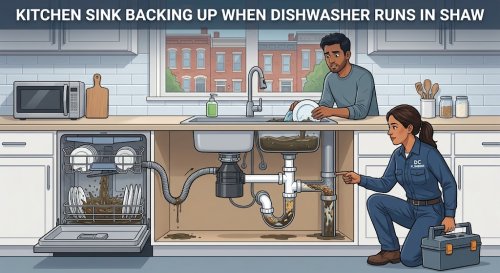
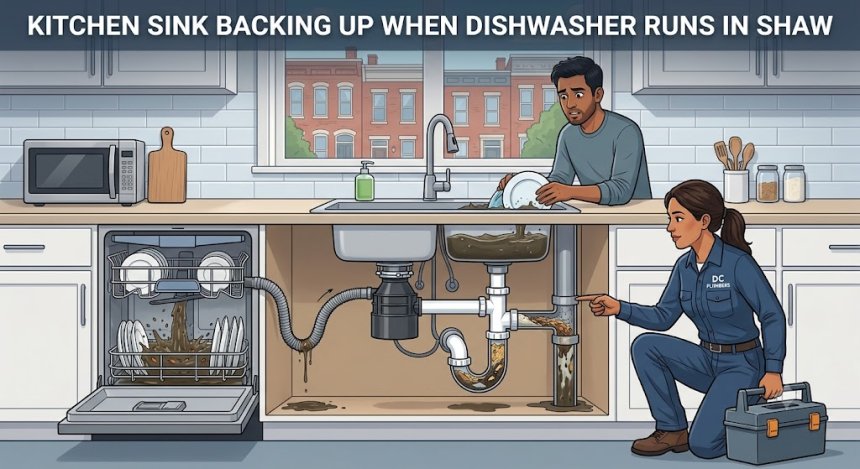
When your dishwasher drains, it doesn't slowly trickle water away—it uses a high-powered pump to forcibly discharge gallons of hot, soapy, food-particle-laden water within a matter of seconds. If the drainage path under your kitchen sink or inside your wall pipes is even partially restricted, that surge of pressurized water has nowhere to go except straight up into your kitchen sink basin.
Ignoring this warning sign can transform a simple under-sink blockage into an expensive flood, ruining custom kitchen cabinetry, warping hardwood floors, and damaging living spaces below. Understanding how your kitchen sink and dishwasher share a drainage route helps you address the root cause before calling in a professional plumber.
What Is a Kitchen Sink Backup During a Dishwasher Cycle?
A kitchen sink backup occurs when wastewater pumped out by a dishwasher reverses direction and flows upward through the kitchen sink drain basket or garbage disposal unit instead of flowing down into the main drainage stack.
Your dishwasher and kitchen sink share the exact same discharge pipeline beneath your kitchen counter. During a wash cycle, the dishwasher drain hose routes wastewater either into an air gap fitting mounted on top of the sink, directly into the side inlet of your garbage disposal, or into a dedicated branch tailpiece above the sink P-trap. If the shared P-trap or horizontal drain pipe inside the wall is blocked, the heavy volume of water forced out by the dishwasher pump takes the path of least resistance—surging up into the sink bowl.
Common Situations
-
The Single-Bowl Overflow: Dirty, foamy water rises rapidly into a single-basin sink midway through the dishwasher's drain cycle, then drains away painfully slow.
-
The Garbage Disposal Surge: Wastewater shoots out of the garbage disposal side into the secondary sink bowl on a double-basin sink setup.
-
The Countertop Air Gap Leak: Water spurts out of the small chrome cylinder (air gap) mounted next to your kitchen faucet, spilling water all over your countertop and behind the sink rim.
Why Does This Plumbing Problem Happen in Shaw?
Kitchen drain lines handle more fat, grease, and solid waste than any other fixture in the home. In Shaw properties, specific structural and usage factors frequently trigger dishwasher backups:
1. FOG Accumulation (Fats, Oils, and Grease)
When hot liquid fats, bacon grease, or cooking oils are poured down the kitchen sink, they cool down quickly as they hit the cold metal or plastic P-trap under the sink. The grease solidifies along the bottom and sides of the pipe, acting like a magnet for un-ground food particles, coffee grounds, and dish soap residue. Over time, the internal diameter of the drain pipe shrinks, choking off high-volume flow.
2. Uncleared Garbage Disposal Units
In many Shaw homes, the dishwasher drain hose connects directly to the garbage disposal. If food scraps are left inside the disposal grinding chamber, or if the disposal unit isn't flushed with cold water after grinding food, the waste sitting inside restricts water flow. When the dishwasher drains, water hits this debris wall and backs up into the sink bowl.
3. Unremoved Knockout Plug in New Disposals
When a new garbage disposal is installed, the manufacturer includes a plastic "knockout plug" inside the lateral inlet where the dishwasher hose connects. If the installer forgets to hammer out and remove this plastic plug before connecting the dishwasher drain hose, the dishwasher will attempt to pump water against a solid plastic barrier, leading to immediate back-pressure and backups.
4. Sagging or Kinked Dishwasher Drain Hose
The flexible rubber or corrugated plastic hose connecting your dishwasher to the sink drain must be installed with a high loop (fastened high under the countertop) or routed through a countertop air gap. If the hose sags, kinks, or drops flat along the floor behind the cabinet, gravity causes stagnant water and food solids to collect in the dip, creating a localized clog inside the hose itself.
5. Aging Cast Iron Branch Piping
Historic homes across Shaw often retain original 1.5-inch or 2-inch cast iron drain lines hidden behind plaster walls. Cast iron corrodes internally over 50 to 100 years, building up a rough, jagged texture known as tuberculation. This rough interior catches stringy vegetable fibers and soap scum, gradually slowing down the drainage velocity of heavy appliance discharge.
Signs You Should Never Ignore
A kitchen sink backing up during a dishwasher run is rarely a surprise event—it usually provides early warning signs:
-
Slow Draining Sink During Normal Faucet Use: Water takes several minutes to empty after washing dishes manually.
-
Gurgling or Glug-Glug Noises from the Disposal: Hearing bubbling sounds beneath the sink when the dishwasher pump engages indicates trapped air behind a developing line restriction.
-
Foul, Rancid Odors from the Drain: A sour decomposition smell wafting from the sink drain points to rotting food waste trapped in stagnant water inside the P-trap or disposal.
-
Water Leaking Inside Under-Sink Cabinets: Damp cabinet bases, swollen wood trim, or water droplets hanging from slip nuts indicate back-pressure forcing water past pipe seals.
-
Standing Water in the Bottom of the Dishwasher: Finding dirty standing water sitting beneath the bottom rack of your dishwasher at the end of a cycle indicates restricted discharge flow.
Common Plumbing Problems Related to This Issue
A dishwasher backing up into your kitchen sink is frequently connected to broader plumbing challenges:
-
Main Line Sewer Backups: If the main sewer lateral under your basement floor is obstructed, running the dishwasher can cause water to back up into basement floor drains or lower-level toilets.
-
Garbage Disposal Motor Failure: Running a clogged disposal stalled by backed-up waste burns out internal motor bearings and trips the bottom reset breaker continuously.
-
Under-Cabinet Mold Growth: Undetected back-pressure leaks under kitchen sinks quickly create damp environments where toxic mold spores thrive on dark cabinet wood.
Step-by-Step Professional Repair Process
When basic troubleshooting fails to resolve a kitchen dishwasher backup, a licensed plumber follows a systematic approach to clear the restriction safely:
Step 1: Visual Inspection & Flow Diagnostic
The technician inspects the dishwasher hose routing (checking for proper high loops or air gap connections), tests garbage disposal motor function, and evaluates flow rates from the sink faucet.
Step 2: Disassembly of Under-Sink Components
The plumber disconnects the dishwasher drain line, removes the P-trap assembly, and clears localized grease and debris from the baffle tee and trap bend.
Step 3: Camera Inspection of Wall Piping
If the blockage extends beyond the accessible trap into the wall line, a micro-drain inspection camera is navigated through the branch drain to locate heavy FOG accumulation, cast iron scale, or pipe sags.
Step 4: Mechanical Snaking or Hydro Jetting
Using a motorized drain snake with specialized grease-cutting blades or a mini hydro-jetter, the plumber scours the internal walls of the branch drain line clean down to the vertical building stack.
Step 5: Dishwasher Hose Realignment & High Loop Installation
The technician verifies or re-routes the dishwasher drain hose, securing it high under the countertop rim to prevent future back-siphonage from the sink drain.
Step 6: System Pressurization & Flow Testing
The plumber fills both sink basins with hot water, pulls the drain plugs simultaneously, and runs the dishwasher through a complete drain cycle to test for zero leaks and full flow velocity.
Step 7: Cleanup & Maintenance Advice
The plumber cleans the work area beneath the cabinet and provides long-term preventive care instructions tailored to your kitchen setup.
Can You Fix It Yourself?
Homeowners can perform several safe, simple checks to clear minor kitchen backups before calling a professional plumber.
Safe DIY Solutions:
-
Run the Garbage Disposal: Before running your dishwasher, turn on cold tap water and run your garbage disposal for 30 seconds to ensure the grinding chamber and drain inlet are completely clear of food waste.
-
Clean the Air Gap or Sink Strainer: If your sink setup features a chrome air gap cylinder on the countertop, unscrew the cover cap and clean out trapped food seeds, grease, or lint using a pair of tweezers or a small wire brush.
-
Verify the High Loop Hose Position: Open the cabinet under your sink and check the flexible dishwasher hose. Ensure it loops up near the top of the cabinet wall before dropping down to connect to the disposal or tailpiece. Secure it high using a plastic pipe strap if it sags low.
-
Clear the P-Trap Manually: Place a bucket beneath your sink P-trap. Loosen the plastic slip nuts by hand or with channel-lock pliers, remove the curved pipe, and scrape out trapped grease and food sludge using a bottle brush.
When DIY Becomes Dangerous:
-
Avoid Caustic Chemical Drain Cleaners: Chemical drain openers fail to dissolve heavy grease caps and contain harsh acids that heat up rapidly inside plastic or thin brass traps. This can warp pipes, melt gaskets, and burn technicians working on the line later.
-
Never Insert Metal Rods into the Disposal Hose Inlet: Shoving sharp screwdrivers into the disposal's dishwasher inlet can tear the internal rubber flap or damage the disposal housing.
-
Stop If Plastic Slip Nuts Are Rusted or Cracked: Forcing aged metal or corroded brass fittings under historic Shaw sinks can snap old pipes, causing immediate wall leaks.
Tools Professionals Use
Clearing greasy kitchen drain lines effectively requires commercial-grade tools built for tough grease blockages:
-
Motorized Micro-Drain Augers: Electric snakes featuring flexible, non-kinking steel cables fitted with bulb heads or grease-drop cutters to pierce dense FOG clogs.
-
Miniature Hydro Jetters: High-pressure water lines equipped with reverse-thruster nozzles that spray water at 1,500 to 3,000 PSI, wall-scouring grease coating off pipe interiors.
-
Handheld Drain Inspection Cameras: Waterproof video probes with integrated LED lighting that navigate 1.5-inch kitchen lines, displaying real-time pipe condition on digital screens.
-
Vacuum Pressure Pumps: Commercial-grade hand pumps designed to force high-pressure air through P-traps to clear minor air gap and hose line blockages cleanly.
                 [ SINK BASIN / AIR GAP ]
                            |
                 [ GARBAGE DISPOSAL ] <--- (Dishwasher Hose Connects Here)
                            |
                  [ SHARED P-TRAP ] <--- (Grease & FOG Accumulate Here)
                            |
            [ HORIZONTAL BRANCH DRAIN IN WALL ]
                            |
             [ VERTICAL MAIN BUILDING STACK ]
How Long Does the Repair Usually Take?
Repair timelines depend on where the blockage is located and the severity of grease buildup:
-
Clearing Disposal Inlet & Installing High Loop: 30 to 45 minutes.
-
Manual P-Trap Disassembly & Cleaning: 30 to 60 minutes.
-
Mechanical Snaking of Wall Branch Line: 1 to 2 hours.
-
Mini Hydro Jetting Heavy FOG Accumulation: 1.5 to 2.5 hours.
Cost Factors
Kitchen drain clearing costs depend on access, equipment, and structural conditions:
-
Diagnostic & Equipment Usage Fees: Specialized camera inspection or high-pressure hydro jetting requirements.
-
Clog Location & Severity: Simple under-sink P-trap cleaning vs. deep wall line grease clearing.
-
Part Replacement Requirements: Replacing worn garbage disposals, broken air gap fittings, or corroded P-traps.
-
Emergency Service Demands: After-hours, weekend, or holiday service calls.
Plumbing repair costs vary depending on the severity of the problem, accessibility, materials required, emergency service, property type, and local labor rates.
Hidden Truths Homeowners Should Know
-
Warm Water Moves Grease Deeper: Pouring hot water down a greasy drain doesn't eliminate fat—it melts the grease temporarily, pushing it further into cold wall pipes where it hardens into harder-to-reach clogs.
-
Dishwasher Detergent Residue Builds Up: Concentrated powder and pod detergents contain fillers that can combine with hard water minerals, forming a chalky paste inside dishwasher drain hoses.
-
Lack of Air Gap/High Loop Causes Contamination: Without a high loop or air gap, dirty sink water can back-siphon into your dishwasher, contaminating clean dishes with dirty drain water.
-
Liquid Soap Creates Scum Layers: Liquid dish soaps contain oils that combine with food fats to create sticky interior scale along cast iron and PVC walls.
-
Unnoticed Under-Sink Leaks Rot Flooring: Small back-pressure drips during dishwasher drain cycles soak into floor underlayment, causing rot and mold before water ever breaks through cabinet fronts.
15 Common Mistakes Homeowners Make
-
Pouring Fats, Oils, and Grease Down the Sink: Allowing liquid fat from cooking pans to enter kitchen drains.
-
Running the Dishwasher Without Clearing the Disposal First: Leaving solid food scraps inside the disposal grinding chamber.
-
Using Chemical Drain Cleaners in Kitchen Sinks: Pouring caustic chemicals that sit on top of dense grease caps without clearing them.
-
Forgetting to Remove Disposal Knockout Plugs: Installing a new disposal without punching out the plastic dishwasher inlet plug.
-
Allowing the Dishwasher Hose to Sag Low: Installing drain hoses flat along cabinet floors without a high loop.
-
Grinding Stringy, Fibrous Vegetables in Disposals: Feeding celery, corn husks, or potato peels into garbage disposals.
-
Flushing Coffee Grounds Down the Drain: Coffee grounds combine with grease to form heavy, concrete-like blockages.
-
Plunging Double-Basin Sinks Improperly: Plunging one side of a double sink without plugging the second drain basket tightly.
-
Ignoring Small Gurgling Noises During Drain Cycles: Disregarding early signs of line restrictions until total backups occur.
-
Over-Tightening Under-Sink Plastic Slip Nuts: Cracking plastic drain washers and fittings through excessive wrench torque.
-
Using Rice or Pasta as Disposal Filler: Starch expands in standing P-trap water, creating thick paste blockages.
-
Clearing Line Blockages with Wire Hangers: Puncturing flexible dishwasher hoses or thin brass P-traps with rigid wire.
-
Hiring Unlicensed Handymen for Appliance Hookups: Entrusting complex kitchen plumbing to unqualified workers.
-
Skipping Cold Water Flushes with Disposal Use: Running disposals dry or with hot water instead of steady cold flow.
-
Ignoring Water Stains Inside Cabinets: Disregarding swollen wood trim or water marks under sink traps.
15 Practical Maintenance Tips for Shaw Homeowners
-
Scrape All Plates into the Trash: Remove food scraps, rice, and sauce completely before loading dishes into the dishwasher.
-
Collect Fats and Oils in Waste Cans: Allow hot grease to cool in tin cans or jars and throw it into solid garbage bins.
-
Always Run Cold Water with Garbage Disposals: Cold water keeps fats solid so disposal blades can chop them into fine particles.
-
Run the Disposal Before Starting the Dishwasher: Ensure the disposal chamber is empty before starting any dishwashing cycle.
-
Verify Your Dishwasher Hose High Loop: Check under your sink to confirm the drain hose loops higher than the disposal inlet.
-
Clean Countertop Air Gaps Monthly: Pop off the metal air gap cap and remove trapped lint, seeds, and grease paste.
-
Flush Kitchen Drains with Baking Soda and Vinegar: Pour half a cup of baking soda followed by one cup of vinegar down the sink monthly, then flush with hot tap water.
-
Clean Garbage Disposal Baffles: Wipe down the underside of the black rubber splash guard with an antibacterial wipe to remove grease build-up.
-
Use Biological Enzyme Cleaners: Treat kitchen drains monthly with natural enzyme cleaners that break down organic grease safely.
-
Inspect Under-Sink Cabinet Base Monthly: Check around P-traps, disposal bottoms, and supply lines for signs of moisture.
-
Run Full Cup of Vinegar Through Empty Dishwasher: Clean internal dishwasher pumps and hoses by running an empty cycle with vinegar monthly.
-
Clean Dishwasher Filter Screens Weekly: Remove and rinse the fine mesh filter located in the bottom tub of your dishwasher.
-
Avoid Washing Heavy Clay or Paint Down Sinks: Keep art supplies, spackling, and masonry compounds out of kitchen drains.
-
Test Disposal Motor Reset Buttons: Learn the location of the red reset button on the bottom of your disposal motor.
-
Keep Emergency Plumbing Contact Info Handy: Save contact details for a local, licensed plumber who handles kitchen drain emergencies promptly.
When Should You Call an Emergency Plumber?
Call an emergency plumber immediately if:
-
Dirty Wastewater Floods Kitchen Floors Continuously: Dishwasher discharge overflowing sink rims onto flooring threatens electrical outlets and subflooring.
-
Wastewater Backs Up into Surrounding Rooms or Fixtures: Dishwasher cycles causing water to rise in basement floor drains or adjacent bathroom tubs points to a main building stack blockage.
-
Electrical Disposals Buzz Without Grinding or Smoke: Stalled disposal motors paired with backed-up water create immediate electrical short risks.
-
Active Water Leaks Dripping into Lower Floor Ceilings: Back-pressure causing continuous dripping through ceiling drywall below kitchen spaces.
Frequently Asked Questions
People Also Ask & Voice Search Questions
Why is my kitchen sink filling up with water when my dishwasher drains?
Your kitchen sink fills up because the shared drain line or P-trap beneath your sink is partially clogged with grease or food debris, forcing the high-pressure water pumped by your dishwasher to back up into the sink bowl.
How do I unblock a kitchen sink that is backing up from the dishwasher?
Start by clearing your garbage disposal, cleaning your countertop air gap, and checking your dishwasher drain hose for kinks. If these steps fail, manually remove and clean the under-sink P-trap.
What happens if you don't put a high loop in a dishwasher drain hose?
Without a high loop or air gap, dirty wastewater from your kitchen sink can drain back through the hose into your dishwasher, pooling in the bottom of the machine and contaminating clean dishes.
Why is dirty water coming out of my countertop air gap?
Water spurts from the air gap when the drain hose running between the air gap and the garbage disposal or sink tailpiece becomes blocked with food seeds, grease, or debris.
Can a clogged garbage disposal cause the dishwasher to back up?
Yes. Because most dishwasher drain hoses connect directly to the side inlet of the garbage disposal, any blockage inside the disposal chamber will force dishwasher water back up into the sink.
How do I know if my dishwasher knockout plug was removed?
If your dishwasher is brand new and backs up on its very first drain cycle, disconnect the dishwasher hose from the disposal inlet and check inside the nipple with a screwdriver for an un-knocked plastic plug.
Is hydro jetting safe for kitchen drain pipes?
Yes, mini hydro jetting is extremely safe and effective for clearing heavy grease accumulation from kitchen drain lines when performed by a licensed professional.
Can chemical drain cleaners clear dishwasher grease clogs?
Chemical drain cleaners are not recommended. They rarely dissolve thick grease caps completely and contain corrosive acids that damage under-sink pipes and gaskets.
Why does my kitchen sink smell like rotten eggs when the dishwasher runs?
Hot dishwasher discharge warms up decomposing food particles and bacterial sludge trapped inside your P-trap, releasing foul sewer and rot odors into your kitchen.
How much does it cost to clear a clogged kitchen sink drain in DC?
Repair costs vary depending on whether the blockage is in the under-sink P-trap or deeper in the wall pipe. Contact a licensed local plumber for an upfront diagnostic quote.
Why Choose Our Plumbing Company?
When dealing with a kitchen sink backing up in Shaw, working with an experienced local plumber prevents minor drainage problems from turning into costly water damage. At plumber in Washington DC, we deliver practical, reliable kitchen plumbing solutions across Northwest Washington.
-
Experienced Licensed Plumbers: Our technicians understand the specific mixed-material plumbing setups and cast iron drain challenges common to Shaw homes.
-
Honest Diagnostic Assessments: We use camera inspection technology and clear diagnostic methods to identify root causes accurately before starting work.
-
Upfront Estimates: We provide clear, itemized pricing so you know what to expect without hidden surprises.
-
Fast Response & Emergency Availability: Kitchen backups require prompt attention; our team is ready to resolve appliance and drain issues quickly.
-
Quality Workmanship & Clean Operations: We protect your kitchen with drop cloths and perform complete cleanups after every job.