24 Hour Plumber in Washington DC: Common Plumbing Emergencies Explained
Learn how to handle urgent plumbing failures in Washington DC. Understand warning signs, safe temporary steps, and what causes midnight plumbing emergencies.

Understanding Plumbing Emergencies in Washington DC Properties
When a severe plumbing failure occurs in the middle of the night, during a holiday, or amidst freezing winter weather, understanding what constitutes a true plumbing emergency helps property owners take swift, safe action. In Washington, DC, a wide spectrum of properties—from historic rowhouses with aging infrastructure to modern downtown condominiums—faces unique vulnerabilities. Recognizing the difference between a routine maintenance issue and a critical crisis prevents property damage and guides effective decision-making.
A plumbing emergency typically involves uncontrolled water loss, complete loss of sanitary drainage, active sewage contamination, or safety hazards such as gas-fired water heater malfunctions. Knowing how to react, where to locate emergency shutoff valves, and what symptoms require immediate professional intervention is essential for every homeowner, landlord, and property manager.
The Most Critical Plumbing Failures That Require Immediate Action
Not every plumbing problem requires an immediate midnight service call, but certain failures demand instant attention to prevent structural damage or health risks. The most frequent severe plumbing events include:
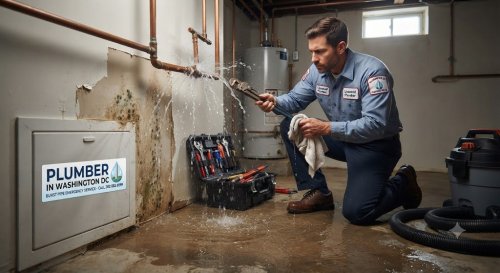
- Burst or Severely Split Supply Pipes: Often triggered by freezing winter conditions or severe pipe corrosion in older properties, a ruptured main or branch supply line can discharge hundreds of gallons of water per hour.
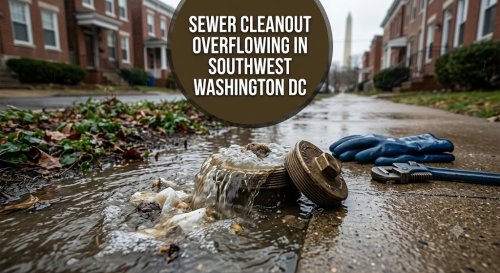
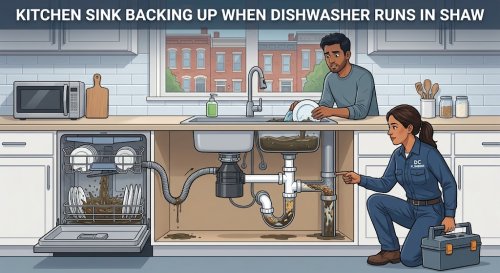
- Main Sewer Line Blockages and Backups: When wastewater reverses flow and discharges out of basement floor drains, showers, or lowest-level toilets, it creates an immediate biohazard and halts all drainage in the building.
- Uncontrollable Fixture Leaks: Supply line ruptures beneath sinks or behind toilets where the local angle stop valve fails to shut completely.
- Total Loss of Water Supply: While sometimes caused by municipal water main breaks, an internal failure can leave a home or commercial building without functional water for sanitation or fire suppression.
- Water Heater Tank Ruptures: When an aging water heater tank develops a structural seam failure, gallons of water flood utility rooms or finished basements rapidly.
Why Washington DC Infrastructure and Architecture Influence Emergencies
Plumbing emergencies often reflect the structural characteristics of the buildings in which they occur. Washington, DC features a dense concentration of older housing stock, multi-story rowhouses, and historic buildings alongside contemporary apartments and commercial spaces.
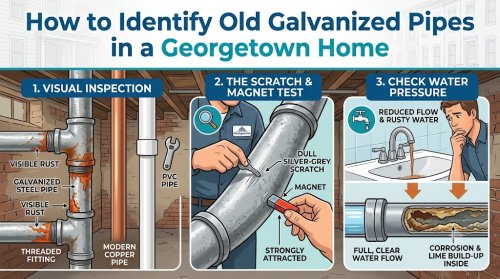
In older rowhouses and historic properties, decades-old galvanized steel, cast iron, or original clay sewer lateral pipes may be near the end of their operational lifespans. Corrosion weakens pipe walls internally, making them prone to sudden structural collapse under normal operating pressure. Furthermore, tight mechanical spaces, shared party walls, and multi-story riser configurations mean that a leak on an upper floor can quickly affect multiple units or living levels below.
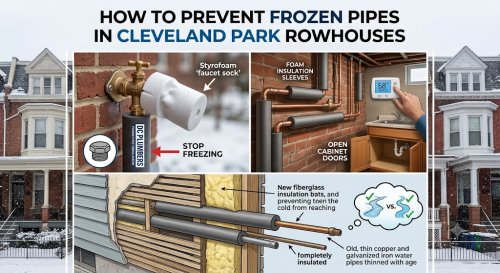
Winter freezing weather presents another recurring local challenge. Uninsulated basement rim joists, exterior hose bibs, and pipes routed through unheated crawlspaces or exterior walls can freeze rapidly during severe cold snaps. As water freezes inside a rigid pipe, ice expansion generates immense hydraulic pressure, splitting copper, PEX, or iron pipes long before the ice completely melts.
Safe Immediate Steps During a Plumbing Emergency
When a major plumbing failure strikes, panic can lead to costly mistakes. Property occupants should follow a disciplined sequence of safety and damage-control procedures before a technician arrives:
- Locate and Close the Main Water Shutoff: Every resident must know where the main water supply valve is located. In many single-family homes and rowhouses, this valve sits near the front foundation wall, inside the basement, or near the water meter. Turning this valve clockwise completely halts incoming water and stops ongoing flooding from supply line breaks.
- Kill Power to Vulnerable Equipment: If water is pooling near electrical panels, outlets, appliances, or a water heater, turn off the corresponding circuit breakers if it is safe to do so. Never stand in standing water while operating electrical breaker panels.
- Relieve Pressure Where Appropriate: If a pipe is frozen but has not yet burst, avoid open flames or high-heat torches. Instead, open nearby faucets slightly to relieve internal pressure as the line thaws gradually.
- Contain Active Leaks Safely: Use buckets, towels, and temporary collection containers to minimize pooling water, provided the area is structurally safe and free of electrical hazards.
What NOT to Do During a Plumbing Crisis
Certain well-intentioned actions frequently worsen plumbing emergencies or create personal safety hazards:
- Never use chemical drain openers on total sewer backups: Pouring caustic commercial drain cleaners into a blocked system that refuses to drain can cause the chemical to pool in fixtures, creating extreme splash hazards for anyone working on the pipes.
- Do not force frozen pipes with open flames: Using propane torches or heat guns improperly can ignite framing materials or cause superheated steam to rupture the pipe violently.
- Avoid ignoring minor early symptoms: A slowly gurgling toilet or a slightly damp basement floor drain often precedes a major sewer backup by days or weeks. Ignoring these warnings invites a midnight crisis.
Professional Diagnostic and Repair Methods
When a 24-hour plumber arrives at a Washington, DC property, the priority shifts from emergency containment to precise technical diagnosis. Depending on the nature of the emergency, professionals utilize specialized equipment:
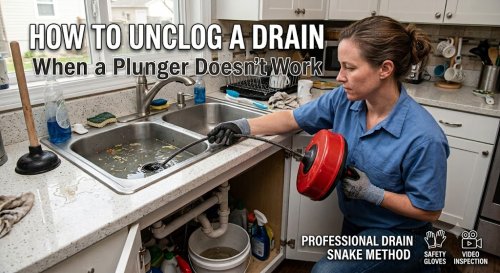
For drainage emergencies, technicians frequently deploy motorized drain snakes or hydro jetting equipment to clear heavy root intrusion, grease blockages, or collapsed pipe sections. If the backup is stubborn, a waterproof sewer camera inspection is often performed to view the interior condition of the underground lateral line.
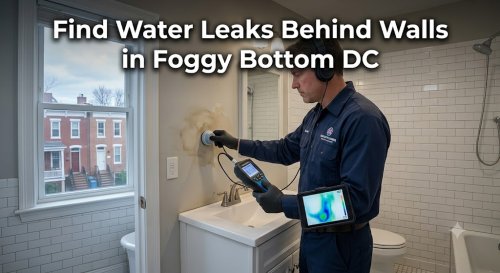
For water supply leaks hidden behind plaster, drywall, or concrete basement slabs, electronic acoustic leak detectors and thermal imaging cameras pinpoint the exact escape point without requiring destructive exploratory demolition across the entire wall or floor.
Repair options vary based on the root cause. Spot repairs may resolve isolated pipe splits, but older systems plagued by widespread corrosion, outdated materials, or chronic failure often require targeted repiping or complete sewer lateral replacement to ensure long-term reliability.
Factors That Influence Emergency Repair Scope and Complexity
Not all emergency plumbing visits involve the same labor intensity or material requirements. Several variables impact the complexity of an emergency repair:
- Accessibility: Pipes buried beneath concrete slab floors, inside finished historic plaster ceilings, or squeezed into tight rowhouse utility chases require delicate access work compared to exposed basement pipes.
- Material Compatibility: Integrating modern PEX or copper piping into legacy systems often requires specialized transition fittings and adapters.
- Time of Service: Emergency dispatches outside normal business hours involve mobilization logistics, specialized night-time material sourcing, and round-the-clock labor deployment.
- Permitting and Code Compliance: Major structural plumbing replacements, water heater installations, or underground sewer repairs may require municipal permits and subsequent inspections to verify compliance with District of Columbia plumbing codes. Always verify current local permit requirements with appropriate authorities or qualified professionals before undertaking major modifications.
Frequently Asked Questions
Frequently Asked Questions
How do I find the main water shutoff valve in an older Washington DC rowhouse?
In most rowhouses, the main water shutoff valve is located in the basement near the front wall where the water service line enters from the street, often close to the water meter. If the property has undergone multiple renovations, the original valve may have been relocated or enclosed behind drywall access panels.
Should I turn off my water heater if a major pipe bursts?
Yes. If a burst pipe or main supply failure cuts off water to the building, you should shut off the water heater—switching gas valves to 'pilot' or 'off' or tripping the electric breaker. Running an empty or water-starved tank can overheat internal heating elements or damage glass-lined tanks.
What causes basement floor drains to backup during heavy rainstorms?
Heavy rainfall can overwhelm combined municipal sewer systems, causing stormwater and wastewater to surcharge backward into private lateral connections. Properties with older combined drainage configurations are particularly susceptible to this type of hydraulic surcharge during severe weather events.
Is a running toilet considered a plumbing emergency?
Generally, a continuously running toilet is an urgent maintenance issue rather than an emergency, provided the fill valve functions and the overflow tube prevents flooding. However, if the shutoff valve beneath the toilet is seized or leaking actively into the bathroom floor, it becomes an emergency requiring immediate water shutoff.
What should I do if my pipes freeze during a winter cold snap?
Immediately turn on the faucets connected to the frozen lines to relieve pressure. Safely apply gentle heat using a handheld hair dryer, electric heating pad, or warm towels wrapped around exposed pipe sections. Never use open flames or torches, and be prepared to shut off the main water valve if a split becomes visible as the ice thaws.
How can I tell if a plumbing leak is hidden behind a wall?
Signs of a hidden supply or drain leak include unexplained increases in water usage bills, warm or damp spots on drywall or flooring, musty odors, peeling paint, or the sound of running water when all fixtures are turned off. Professional acoustic detection equipment can locate these concealed leaks accurately.