Introduction
Nothing ruins a quiet evening quite like walking down the basement stairs and stepping straight into a cold, murky puddle. For property owners across the District, dealing with unexpected moisture or standing water is a fast track to stress, property damage, and costly structural headaches. Because local homes often feature historic architecture paired with aging municipal infrastructure, subsurface water management is a constant battle. Basement plumbing repair in Washington, DC is not just a routine maintenance chore; it is an absolute necessity for safeguarding your home's structural integrity and your family's health.
Whether you are managing a historic row house on Capitol Hill with century-old clay tile drains or a mid-century colonial in upper Northwest grappling with heavy seasonal downpours, ignoring early warning signs leads directly to disaster. Local residents frequently search for professional interventions when regional storms overwhelm aging drainage systems or when shifting clay soils compromise underground pipes. Understanding how your below-grade plumbing operates before a crisis strikes gives you the upper hand when working with a licensed professional.
Root Causes: Why This Problem Occurs in Washington, DC Homes
Every geographic region presents unique geological and structural hurdles for home plumbing systems, and the District is no exception. Below-grade plumbing failures are heavily influenced by environmental and historical factors unique to our local landscape:
-
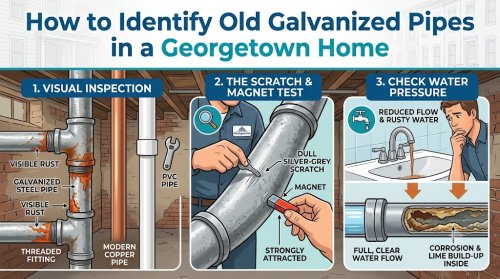
Aging Infrastructure & Historical Piping: Many homes throughout the city still rely on vintage clay lateral lines, cast iron stacks, or early-generation galvanized steel that naturally corrodes, cracks, or collapses over decades of use.
-
Aggressive Soil Composition & Shifting Ground: The local clay-heavy soil expands dramatically when saturated by heavy spring and autumn rains, then shrinks during dry summer months, exerting immense physical stress on underground foundation walls and drain lines.
-
Intense Municipal Weather Surges: Sudden, torrential cloudbursts frequently overwhelm the city's combined storm and sanitary sewer systems, creating intense back-pressure that forces municipal water backward into residential basements.
-
Hard Water Mineral Scaling: Local water supplies carry high concentrations of dissolved minerals like calcium and magnesium, which gradually calcify inside water heaters, supply lines, and sump discharge valves.
-
Sub-Slab Thermal Stress: Radical seasonal temperature swings cause subsurface concrete foundations and buried PVC or copper lines to expand and contract, triggering stress fractures at joint connections.
Critical Warning Signs: When Your Home is Sounding the Alarm
Subsurface plumbing systems rarely fail overnight without giving clues first. Paying attention to sensory indicators can save you thousands of dollars in emergency restoration costs:
-
Subtle Structural Shifts & Damp Patches: Unexplained efflorescence (a white, powdery mineral residue on basement walls), peeling basement paint, or damp floor framing point directly to slow, hidden leaks.
-
Unusual Auditory Clues: Hearing a persistent gurgling sound from your floor drains when laundry appliances empty, or hearing loud water hammering whenever valves close, indicates venting failures or excessive pressure.
-
Unmistakable Olfactory Indicators: Persistent odors of damp earth, mildew, or raw sewer gas drifting up from basement floor drains mean your traps have dried out or sewer lines are venting improperly.
-
Unexplained Water Meter Spikes: A rising utility bill when no water is actively running inside the upper levels of the house points directly to a hidden leak beneath the basement slab.
Ignoring these warnings invites cascading structural failures, including aggressive mold colonization, wood rot in floor joists, and compromised foundation stability.
Professional Diagnostic & Repair Workflow
When you call a licensed master plumber to tackle a complex subterranean issue, they do not rely on guesswork. They deploy a structured, systematic protocol to resolve the root problem safely and efficiently:
Step 1: Non-Invasive Triage & Safety Isolation
The technician arrives, listens to your observations, and immediately isolates the affected zones. They shut off localized water supply valves or secure electrical connections near standing water to ensure total safety before touching any hardware.
Step 2: Precision Diagnostic & Digital Video Inspection
Using high-definition push-rod cameras threaded directly into your cleanouts or floor drains, the plumber maps out the interior condition of your pipes, pinpointing cracks, root intrusions, or structural collapses with absolute precision.
Step 3: Transparent, Upfront Options & Written Estimating
Rather than hitting you with high-pressure sales tactics or vague verbal quotes, a reputable professional presents clear, flat-rate pricing options. They explain the scope of work, code requirements, and expected timelines in plain English.
Step 4: Code-Compliant Remediation & Part Replacement
The technician executes the necessary repairs using heavy-duty, commercial-grade materials that meet or exceed local District plumbing codes, ensuring long-term durability and safety.
Step 5: Pressure Testing, Flow Verification, & Clean-Up
Before packing up their tools, the plumber runs rigorous pressure tests and flow verifications to confirm the system operates flawlessly. They sanitize the work area, leaving your basement cleaner than they found it.
Advanced Diagnostics: The Professional Tool Arsenal
Modern plumbing has evolved far beyond basic wrenches and chemical snakes. Today, professional technicians rely on high-tech diagnostic gear to locate issues instantly:
-
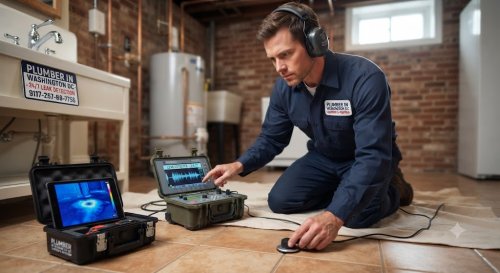
Electronic Acoustic & Thermal Leak Detectors: Sound-amplifying sensors and thermal imaging cameras pinpoint pressurized pipe leaks behind finished basement walls or beneath concrete slabs without destroying your interior finishes.
-
Push-Rod High-Definition Drain & Sewer Cameras: Waterproof fiber-optic cameras transmit real-time video to monitor screens, allowing technicians to visually inspect the exact interior grade and condition of buried pipes.
-
Hydro-Jetting High-Pressure Cleaning Units: Industrial-grade water blasters deliver streams of up to 4,000 PSI to scour away stubborn grease, mineral scale, and heavy root masses, restoring pipes to a like-new diameter.
-
Electronic Pipe Locators & Digital Manometers: Electromagnetic locators track the exact path and depth of buried utility lines, while digital manometers accurately measure gas or water pressure drops to verify system integrity.
What Is Basement Plumbing Repair? Decoding the Mechanism
At its core, basement plumbing encompasses the complex network of supply lines, sanitary drain pipes, sump basins, and ejector pumps located on the lowest level of your home. Unlike upper-story plumbing, which relies heavily on gravity to move water downward, basement systems often must fight against gravity to lift wastewater and stormwater up and out to the municipal street sewer or storm main.
Ideally, your main sewer line slopes downward at a precise quarter-inch per foot, allowing wastewater to glide smoothly out of the house. Sump and ejector systems work like automated mechanical hearts, collecting unwanted water or sewage in a sealed basin and pumping it upward whenever fluid levels reach a pre-set float threshold. When a clog, mechanical burnout, or pipe crack disrupts this delicate balance, water stops moving forward and instead backs up right into your basement living space.
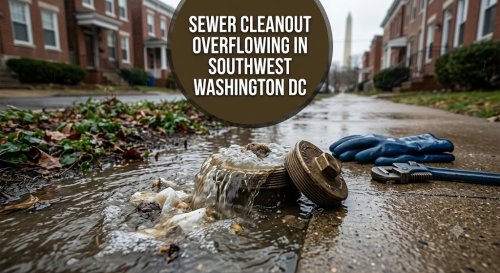
Consider a local scenario: A historic row house on a sloped street experiences heavy rainfall. The municipal sewer main fills to capacity, forcing water backward into the home's lateral drain. If the home lacks a functioning backwater valve or a heavy-duty check valve, that municipal overflow spills directly out of the basement floor drain, ruining drywall, flooring, and stored belongings.
DIY Reality Check: What You Can Safely Fix vs. When to Step Back
It is natural to want to grab a wrench when something goes wrong, but below-grade plumbing carries unique hazards. Knowing your limits protects your home and your personal safety.
-
Safe Homeowner Actions: You can safely clear hair or debris from accessible laundry sink strainers, reset a tripped circuit breaker for your sump pump, pour water into floor drain traps to eliminate sewer odors, or manually manage temporary water shut-off valves.
-
The Danger Zone: Never attempt to clear main sewer line clogs with retail chemical drain openers if you have cast iron pipes, never weld or solder gas lines yourself, and never tamper with electrical wiring around standing water in sump pits.
If an issue involves breaking concrete slabs, dealing with municipal sewer connections, working near electrical service panels, or repairing active high-pressure leaks, drop the wrench immediately and call a licensed professional.
Financial Breakdown: Cost Factors & Investment Realities
Every plumbing repair is unique, which is why trustworthy contractors utilize flat-rate pricing structures rather than open-ended hourly billing. Several variable cost inputs influence your final investment:
-
Diagnostic & Dispatch Fees: Covering the technician's travel time and initial diagnostic assessment using specialized video or acoustic equipment.
-
Accessibility & Labor Complexity: Fixing an exposed overhead ceiling pipe is significantly faster and less expensive than excavating through a finished basement concrete slab to reach a broken lateral line.
-
Material Quality: Upgrading legacy galvanized or polybutylene piping to modern cross-linked polyethylene (PEX) or schedule 40 PVC impacts material costs but guarantees decades of trouble-free performance.
-
Permitting Requirements: Major sewer line replacements or backflow preventer installations in the District require formal municipal permits and inspections.
-
Repair vs. Total Fixture Replacement: Weighing the cost of rebuilding an aging sump pump motor against replacing the entire basin and pump assembly with a high-capacity backup battery system.
Unique Expert Insights: Hard Truths Homeowners Learn Too Late
Over 15 years in the field, working on residential and commercial systems across the region, I have seen homeowners make the same costly mistakes repeatedly. Keep these raw truths in mind to protect your property:
-
Temporary Patch Kits Are a Trap: Rubber slip couplings and tape patch kits applied to high-pressure supply lines only mask deeper system failures and will instantly void your homeowner's insurance claims when they eventually blow out.
-
Chemical Drain Cleaners Destroy Pipes: Pouring caustic chemical liquids down slow drains eats away at pipe wall interiors from the inside out, turning a minor clog into a catastrophic structural collapse.
-
Unlicensed Handymen Create Hidden Nightmares: Hiring cheap, unlicensed labor often results in code violations, incorrect pipe sizing, and improper sloping that fails miserably during real estate home sales inspections.
-
Preventive Maintenance Pays for Itself: Routine annual checkups and minor tune-ups cost a tiny fraction of a single emergency midnight flood extraction and remediation bill.
Comprehensive Home Plumbing Maintenance Framework
Proactive maintenance is your best defense against unexpected plumbing failures. Follow this seasonal framework to keep your system running smoothly year-round:
-
Spring Checks: Test your sump pump by dumping a 5-gallon bucket of water into the pit to ensure the float switch engages smoothly and the discharge line is clear. Inspect exterior foundation grading to ensure rainwater flows away from your home walls.
-
Summer Checks: Inspect exposed basement supply lines for early signs of green oxidation or mineral scaling. Clean out laundry sink lint traps regularly to prevent downstream clogs.
-
Fall Preparation: Disconnect and drain all outdoor garden hoses, shut off interior isolation valves for exterior hose bibs, and wrap exposed basement pipes near drafty windows with foam insulation.
-
Winter Habits: Flush your water heater tank annually to clear out sediment buildup that forces the unit to work harder during freezing weather. Never pour grease, coffee grounds, or fibrous food waste down any household drain.
Emergency Protocol: When Immediate Dispatch is Non-Negotiable
Some plumbing problems can wait until normal business hours, but true emergencies demand an immediate 24/7 professional response:
-
Catastrophic Pipe Bursts: When a main supply line splits open, spraying water uncontrollably against framing, drywall, or electrical panels.
-
Complete Main Sewer Line Backups: When raw sewage begins bubbling up through multiple basement floor drains, toilets, and shower basins simultaneously.
-
Total Loss of Potable Water: When your home loses all water pressure or your primary water service line develops an active underground leak.
-
Overflowing Fixtures Near Electrical Outlets: When wastewater threatens live wall outlets or sub-panel breaker boxes, creating an immediate electrocution hazard.
Frequently Asked Questions (FAQs)
Why is my basement floor drain backing up during heavy rainstorms?
Heavy rain often overwhelms the municipal combined sewer network, causing stormwater to surge backward into residential lateral lines. Installing a heavy-duty interior backwater check valve prevents this municipal overflow from entering your basement.
How often should I replace my basement sump pump?
Standard submersible sump pumps typically last between 7 to 10 years. If your unit is older than 8 years, makes loud grinding noises, or runs continuously without stopping, it is time for a professional replacement before storm season arrives.
Can I finish my basement over exposed plumbing lines?
Yes, but you must ensure cleanouts, shut-off valves, and backflow preventers remain fully accessible via access panels. Never box in plumbing joints permanently without leaving a clear hatch for future diagnostic camera inspections.
What causes that persistent musty smell in my basement?
Musty odors usually stem from dried-out floor drain traps, slow slab leaks creating hidden moisture pockets, or stagnant water sitting inside your sump pit basin. Pouring a gallon of clean water down floor drains refills the trap barrier and stops sewer gas odors instantly.
Are tankless water heaters suitable for basement installations?
Tankless water heaters are fantastic for basements because they save significant floor space and provide endless hot water. However, they require proper gas line sizing, dedicated electrical feeds, and annual descaling to handle local hard water minerals.
How do I know if my main sewer line has tree root intrusion?
If multiple plumbing fixtures on your lower level begin draining slowly, gurgling when you flush toilets, or backing up all at once, tree roots have likely infiltrated joints in your exterior clay lateral line. A digital video camera inspection will confirm the exact blockage location.
What is a battery backup sump pump, and do I really need one?
Primary sump pumps rely on household electricity, which frequently fails during severe local thunderstorms when you need the pump most. A secondary battery backup system automatically kicks in during power outages or primary pump mechanical failures, saving your basement from catastrophic flooding.
Can hard water damage my basement laundry plumbing?
Yes. High mineral content calcifies inside washing machine supply hoses, mixing valves, and drain pumps over time, leading to premature mechanical failure, reduced water flow, and potential hose rupture risks.
Why Washington, DC Homeowners Trust Plumber in Washington DC
Navigating below-grade plumbing repairs requires a delicate balance of deep technical expertise, local architectural knowledge, and absolute transparency. Property owners across the District rely on our team because we bring unmatched value to every service call:
-
Fully Licensed, Insured, & Background-Checked: Every technician on our team carries elite industry credentials, extensive field training, and rigorous background verification for your complete peace of mind.
-
Upfront, Flat-Rate Pricing: We provide clear, honest pricing before any work begins, meaning you will never experience hidden fees or surprise overtime charges on your bill.
-
State-of-the-Art Diagnostic Gear: We invest heavily in advanced video cameras, acoustic leak detectors, and high-pressure hydro-jetters to fix issues right the first time without guesswork.
-
Deep Local Neighborhood Expertise: From historic row homes in Capitol Hill and Georgetown to modern properties in Adams Morgan and Chevy Chase, we understand the distinct plumbing quirks of local architecture.
-
Ironclad Warranty Commitments: We stand firmly behind the quality of our craftsmanship with robust satisfaction guarantees and product warranties.