Introduction
There is nothing quite like stepping into a cold shower on a freezing winter morning to ruin your day instantly. When your hot water system fails, your entire household routine grinds to a halt. As a licensed master plumber with over 15 years of hands-on field experience, I have seen firsthand how unexpected water heater failures leave homeowners stressed, scrambling for answers, and vulnerable to rushed decisions.
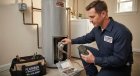
For residents navigating water heater installation in Washington, DC, understanding how these systems operate before an emergency strikes is crucial. Local properties—ranging from historic row houses on Capitol Hill to modern condos in Navy Yard—face unique structural layouts, tight installation spaces, and distinct municipal water conditions. Knowing when to repair versus when to invest in a proactive replacement protects your property from water damage, slashes energy bills, and ensures uninterrupted comfort year-round.
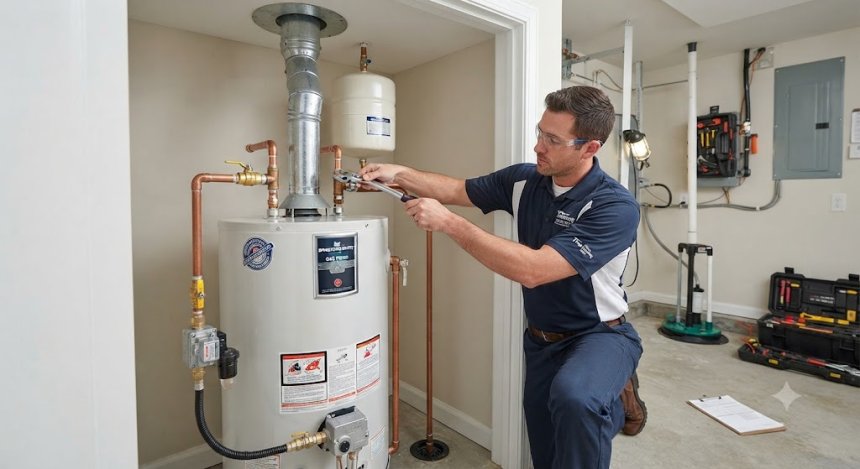
Critical Warning Signs: When Your Home is Sounding the Alarm
Before a water heater completely gives out, it almost always leaves behind warning signs. Ignoring these early indicators can turn a minor repair into a catastrophic basement flood. Property owners should watch out for:
-
Inconsistent Water Temperatures: If your water fluctuates wildly between scalding hot and freezing cold, the dip tube inside the tank may be broken or sediment accumulation is blocking heat transfer.
-
Auditory Clues: Rumbling, popping, or banging noises coming from the tank mean hard water minerals have settled at the bottom and are boiling under the burner.
-
Discolored or Rusty Water: Brown, muddy, or metallic-tasting hot water indicates internal tank corrosion, meaning the sacrificial anode rod has completely depleted and the tank walls are rusting.
-
Moisture and Leaks: Pooling water around the base of the tank or dampness on connection fittings signals structural tank failure or loose valves.
Delaying intervention when these signs appear risks severe water damage, warped flooring, mold growth, and sudden complete system shutdowns.
What Is Water Heater Installation? Decoding the Mechanism
At its core, water heater installation involves safely removing an outdated, failing, or inefficient heating unit and integrating a modern, code-compliant system into your home’s plumbing and electrical or gas infrastructure.
A traditional tank water heater works by pulling cold water into the bottom of an insulated storage tank where an electric heating element or gas burner warms it up. Warm water naturally rises and is drawn out from the top pipe to supply your showers, faucets, and appliances. Tankless systems, on the other hand, flash-heat water on demand using high-powered burners only when a hot water tap is opened.
In classic Washington, DC neighborhoods, tight basement utility closets and narrow stairwells require precise spatial planning. A botched installation can lead to poor ventilation, dangerous gas leaks, or thermal efficiency losses that spike your monthly utility bills.
Financial Breakdown: Cost Factors & Investment Realities
Investing in a new hot water system is a significant household decision. Flat-rate pricing for a water heater replacement varies depending on equipment type, fuel source conversion, accessibility, and local municipal requirements.
Several variable cost inputs dictate the overall investment:
-
Equipment Type & Capacity: Standard 50-gallon electric tanks differ significantly in cost from high-efficiency condensing gas units or tankless electric systems.
-
Code Upgrades & Permitting: DC regulatory standards require specific earthquake straps, thermal expansion tanks, and updated shut-off valves to pass inspection.
-
Ventilation & Gas Lines: Transitioning from a standard atmospheric vent to a power-vent or tankless setup may require running new electrical circuits or dedicated PVC venting through exterior walls.
-
Accessibility Challenges: Installing a unit in a cramped historic cellar or a tight attic crawlspace requires specialized rigging and extra labor.
While upfront costs matter, choosing cheap, unlicensed labor often results in failed inspections, code violations, and premature equipment failure that costs far more in the long run.
Root Causes: Why This Problem Occurs in DC Homes
Water heater longevity is heavily influenced by environmental and structural factors unique to the District's infrastructure. Homeowners often wonder why their systems fail prematurely. The primary culprits include:
-
Aggressive Hard Water Minerals: Local water supplies carry high concentrations of calcium and magnesium. These minerals rapidly calcify and form thick sediment layers inside storage tanks.
-
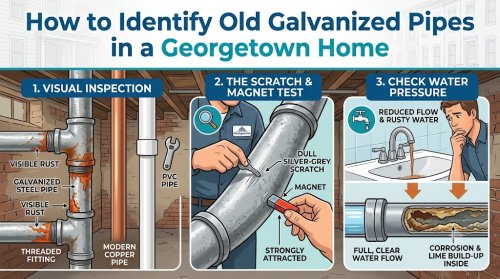
Aging Infrastructure & Historic Piping: Many older homes feature outdated galvanized steel or fragile iron piping that restricts water flow and puts excessive back-pressure on the heating tank.
-
Municipal Pressure Fluctuations: High municipal water pressure entering older urban distribution networks can stress tank walls and pressure relief valves.
-
Thermal Expansion Stress: Without a properly functioning expansion tank, closed-loop plumbing systems subject water heaters to constant pressure spikes during every heating cycle.
Unique Expert Insights: Hard Truths Homeowners Learn Too Late
After decades in the field, I’ve seen repeating patterns where well-meaning homeowners make costly mistakes. Keep these hard truths in mind:
-
Ignoring the Anode Rod is Fatal: The sacrificial anode rod is designed to rust so your tank doesn’t. Replacing this inexpensive rod every 3 to 5 years can double your water heater's lifespan.
-
DIY Gas Connections Are Dangerous: Hooking up gas lines or 240V electrical components without professional training risks explosions, carbon monoxide leaks, and fatal electrical shocks.
-
Ignoring Permits Invites Trouble: Skipping mandatory DC building permits can derail home sales later and void your manufacturer warranty.
-
Band-Aid Repairs Cost More: Applying epoxy or sealants to a actively leaking tank shell is only a temporary illusion; once steel cracks under pressure, total replacement is the only safe solution.
Professional Diagnostic & Repair Workflow
When you partner with a licensed plumbing team for a water heater evaluation or installation, a systematic process ensures absolute safety and precision:
-
Step 1: Non-Invasive Triage & Safety Isolation: Technicians immediately shut off gas, electric, and water supplies to eliminate hazards before assessing the unit.
-
Step 2: Load Calculation & Sizing Analysis: We evaluate your household's peak hot water demand to ensure the replacement unit is sized correctly.
-
Step 3: Transparent, Upfront Options: You receive a clear, flat-rate written estimate outlining repair versus replacement choices with zero hidden fees.
-
Step 4: Code-Compliant Installation: Outdated equipment is safely hauled away, and the new unit is installed with updated earthquake strapping, dielectric unions, and thermal expansion tanks.
-
Step 5: Pressure Testing & Calibration: The system undergoes rigorous pressure, combustion, and temperature testing to guarantee peak performance before cleanup.
Advanced Diagnostics: The Professional Tool Arsenal
Professional plumbing relies on advanced engineering tools that remove guesswork and ensure precision work:
-
Digital Manometers: Used to measure gas pressure and ensure proper burner ignition and fuel delivery.
-
Thermal Imaging Cameras: Detect hidden moisture trails, insulation gaps, and overheating electrical wiring components.
-
Electronic Leak Detectors & Moisture Meters: Locate micro-seeps behind walls or beneath subflooring before mold takes hold.
-
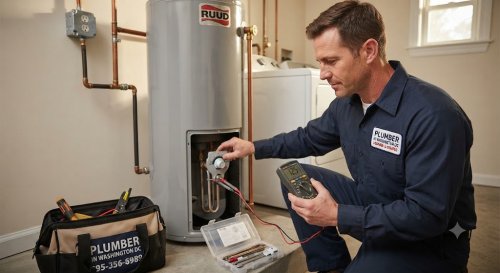
Multimeters: Diagnose complex electronic control boards and heating element resistance in modern hybrid and electric water heaters.
Comprehensive Home Plumbing Maintenance Framework
Proactive upkeep keeps your hot water system running smoothly for over a decade. Implement this seasonal maintenance framework:
-
Spring Checks: Inspect your water heater area for any signs of humidity, mold, or sluggish drainage from nearby floor drains. Test emergency shut-off valves to ensure they turn freely.
-
Fall Preparation: Flush your water heater tank annually to strip away accumulated sediment before heavy winter usage begins. Test the Temperature and Pressure (T&P) relief valve.
-
Year-Round Habits: Monitor your utility bills for unexplained spikes. Keep the clearance zone around your water heater completely clear of combustible storage boxes, paint cans, and chemical cleaners.
DIY Reality Check: What You Can Safely Fix vs. When to Step Back
Knowing your limits keeps your family safe and prevents property damage.
-
Safe Homeowner Actions: You can safely adjust the thermostat temperature dial (recommended at 120°F to prevent scalding), visually inspect the exterior for dust or minor leaks, and clear dust away from air intake vents.
-
The Danger Zone: Never attempt to repair gas control valves, wire 240-volt electrical heating elements, or cut pressurized copper water lines yourself.
-
When to Call a Pro: The moment you smell gas, notice active water pooling from the tank body, or experience total electrical failure, drop the wrench and call a licensed professional immediately.
Emergency Protocol: When Immediate Dispatch is Non-Negotiable
Certain plumbing scenarios demand an emergency technician right away, day or night:
-
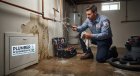
Catastrophic Tank Rupture: If the inner tank wall bursts, water will flood your basement or utility room at a rapid rate. Shut off the main water supply immediately and call for emergency help.
-
Gas Leaks and Pilot Light Failures: Smelling rotten eggs near your gas water heater requires evacuating the area and calling emergency services followed by a licensed plumber.
-
Electrical Arcing or Burning Odors: Smoke, buzzing sounds, or sparks around an electric water heater indicate a severe electrical short hazard.
Frequently Asked Questions (FAQs)
How long does a standard water heater last in Washington, DC?
Traditional tank water heaters typically last between 8 to 12 years. Tankless models can last up to 20 years with regular descaling and maintenance. Because DC water carries moderate mineral content, annual flushing is essential to reach maximum lifespan.
Should I choose a tankless or traditional tank water heater?
Traditional tanks have lower upfront installation costs and fit easily into most utility closets. Tankless systems offer endless hot water, take up a fraction of the space, and consume significantly less energy, though they often require gas line or electrical upgrades.
Do I need a permit for water heater installation in Washington, DC?
Yes. DC municipal building codes require permits and formal inspections for water heater replacements to ensure compliance with plumbing, gas, and electrical safety regulations. Working with a licensed DC plumber ensures all permits are handled seamlessly.
Why is my water heater making a loud popping noise?
Popping or rumbling noises are caused by hard water sediment hardening at the bottom of the tank. When the burner heats the tank, trapped water beneath the sediment boils and creates popping bubbles. Flushing the tank usually resolves this.
Can I install a water heater myself?
While DIY installation is legally permitted in some jurisdictions, it is highly discouraged. Incorrect gas line connections can cause carbon monoxide leaks or explosions, and wiring errors create severe electrocution risks. Furthermore, professional installation guarantees manufacturer warranty validity.
What size water heater do I need for my family?
For a household of 1 to 2 people, a 30 to 40-gallon tank is usually sufficient. Families of 3 to 4 people typically require a 50-gallon tank, while larger households or homes with multiple large tubs may need a 75-gallon tank or a high-capacity tankless system.
How often should I flush my water heater?
You should flush your water heater tank at least once a year. If you live in an area with particularly hard water, semi-annual flushing is recommended to prevent mineral scaling.
What is a thermal expansion tank and do I need one?
A thermal expansion tank is a small auxiliary tank attached to your water heater plumbing that absorbs excess water volume created as water heats up and expands. DC building codes often mandate them in closed-loop systems to protect pipes from pressure spikes.
Why Washington, DC Homeowners Trust Tims Plumbing HVAC
Navigating plumbing repairs and installations requires a team you can trust implicitly. At Tims Plumbing HVAC, we pride ourselves on transparent communication, technical mastery, and unwavering reliability.
-
Fully Licensed and Insured: Our technicians hold master plumbing certifications, undergo rigorous background checks, and stay updated on all DC municipal building codes.
-
Upfront, Flat-Rate Pricing: You will always know the exact cost of your water heater installation or repair before a single tool touches your pipes—no hidden surprises or overtime traps.
-
State-of-the-Art Equipment: We arrive fully equipped with advanced diagnostic tools, professional extraction gear, and top-tier replacement parts.
-
Deep Local Expertise: From historic row homes to modern multi-family complexes, we understand the distinct plumbing nuances of Washington, DC, and surrounding neighborhoods.