Introduction
Tackling a bathroom transformation is one of the most exciting investments you can make in your property, but opening up walls often reveals hidden plumbing nightmares. If you are planning a bathroom remodel plumbing in Washington, DC project, you are likely feeling anxious about unexpected expenses, structural code compliance, and keeping your historic home's vintage character intact. Homeowners across historic row houses in Capitol Hill, stately Colonials in Cleveland Park, and modern condos in the Navy Yard frequently encounter unique challenges when updating outdated infrastructure.
Unlike newer cookie-cutter suburbs, Washington, DC features a distinct blend of century-old architecture and strict municipal codes. Ignoring aging supply lines or improper drainage layouts during a renovation can lead to catastrophic leaks, code failures during resale, and thousands of dollars in water damage. Understanding the mechanics of your home's wet walls before the sledgehammers start swinging is the ultimate key to a stress-free, beautiful, and fully compliant renovation.
Financial Breakdown: Cost Factors & Investment Realities
Every custom bathroom renovation comes with its own financial footprint, and plumbing makes up a significant percentage of that budget. Flat-rate pricing always varies based on spatial layout changes, structural accessibility, existing pipe material integrity, and local labor rates.
-
Diagnostic and Rough-In Estimates: Initial exploratory work and opening walls to map out existing supply and drain paths.
-
Material Selection: Choosing between PEX piping, traditional copper, and durable PVC or ABS drainage systems.
-
Permitting Requirements: DCRA (Department of Consumer and Regulatory Affairs) permits and mandatory municipal inspections for new fixture layouts.
-
Fixture Relocation Costs: Moving a toilet or shower drain across a joist bay requires extensive structural and drainage re-routing.
-
Remediation of Legacy Pipes: Replacing deteriorated cast iron or galvanized steel lines discovered behind historical walls.
Root Causes: Why This Problem Occurs in DC Homes
Redesigning a bathroom layout in the District is rarely as simple as swapping out a vanity. Local structural environments and historical building practices introduce complex variables:
-
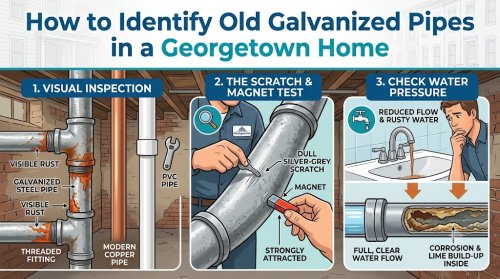
Aging Infrastructure: Many homes feature decades-old galvanized steel supply lines suffering from severe internal mineral narrowing or decaying cast iron waste stacks.
-
Historic Framing Constraints: Tight crawl spaces, lathe-and-plaster walls, and solid brick structural party walls limit where new drain pipes can pitch correctly.
-
Water Pressure Fluctuations: Municipal water pressure varies wildly across DC neighborhoods, requiring precision pressure-reducing valves (PRVs) to protect new fixtures.
-
Ground Shifting and Settlement: Older foundations experience seasonal soil movement, which can subtly warp rigid underground drain lines over decades.
-
Outdated Venting Systems: Historic stack configurations often lack modern air admittance or proper roof venting, leading to slow drains and trap siphonage.
What Is Bathroom Remodel Plumbing? Decoding the Mechanism
At its core, bathroom remodel plumbing involves configuring three interconnected systems: supply, drainage, and venting. The supply system delivers pressurized hot and cold water to your shower, sink, and tub. The drainage system relies on gravity to carry greywater and waste downward through sloped pipes (usually 1/4 inch of fall per foot) toward the main sewer stack. The lesser-known hero is the venting system, which runs vertically through the roof to equalize air pressure, allowing water to flow smoothly without sucking dry the traps that block sewer gases.
Imagine a historic row house in Dupont Circle. The original bathroom features a gravity drain tied into a corroded horizontal cast iron line running beneath a vintage tiled floor. When updating to a modern, high-flow rainfall shower and a dual-sink vanity, the old 1.5-inch waste line cannot handle the increased volume. Without upgrading the core drainage capacity and adjusting the trap arms, the new fixtures will back up or gurgle constantly.
Advanced Diagnostics: The Professional Tool Arsenal
Professional plumbing contractors do not guess when laying out a new bathroom; they utilize heavy-duty diagnostic gear to ensure structural safety and code compliance:
-
Push-Rod High-Definition Drain Cameras: Navigating main sewer lines to check the condition of underground waste pipes before connecting new fixtures.
-
Electronic Pipe and Utility Locators: Pinpointing exact locations of hidden water lines and electrical conduits inside structural walls.
-
Digital Manometers: Executing precise pressure tests on fresh supply lines to certify there are no micro-leaks behind newly closed drywall.
-
Thermal Imaging Cameras: Detecting moisture pockets or hidden structural leaks from previous installations behind finished surfaces.
Unique Expert Insights: Hard Truths Homeowners Learn Too Late
Remodeling mistakes are expensive. Keep these five industry truths in mind before your contractor begins work:
-
Code Compliance is Non-Negotiable: Skipping municipal permits to save money will stall your home sale when a real estate inspector flags unpermitted plumbing work.
-
Mixing Old and New Fails: Tying brand-new PEX supply lines directly into degraded, scaled galvanized steel pipes restricts water flow and accelerates joint leaks.
-
Gravity is the Boss: You cannot force a toilet drain to run uphill without expensive sewage ejector pumps; layout changes must respect structural joist depths.
-
Licensed Labor Protects Your Investment: Unlicensed handymen lack the liability insurance needed to cover catastrophic water damage if a pipe joint fails post-renovation.
-
Always Replace the Shower Pan Liner: Cutting corners on waterproof membranes beneath custom tiled showers is the #1 cause of silent subfloor rotting.
DIY Reality Check: What You Can Safely Fix vs. When to Step Back
-
Safe Homeowner Actions: Removing old surface-level vanity cabinets, taking off toilet tanks before demo, shutting off localized supply angle stops, and selecting finish fixtures (faucets, shower trims).
-
The Danger Zone: Cutting into main waste stacks, soldering copper behind structural wall cavities, modifying gas or high-pressure water lines, and altering structural floor joists to pass pipes.
-
When to Call a Pro: The moment a renovation involves moving core drainage lines, tying into cast iron stacks, or pulling municipal permits, step back and hire a licensed master plumber.
Professional Diagnostic & Repair Workflow
A systematic renovation workflow ensures your bathroom project passes inspection and lasts for decades:
-
Step 1: Non-Invasive Triage & Safety Isolation: Shutting down sector water mains, draining lines safely, and protecting surrounding living spaces with heavy plastic dust barriers.
-
Step 2: Precision Diagnostic & Digital Video Inspection: Inspecting existing branch lines and main stacks to verify their structural capacity to handle new fixtures.
-
Step 3: Transparent, Upfront Options & Written Estimating: Providing clear pricing models, layout configurations, and permit scopes before opening any walls.
-
Step 4: Code-Compliant Remediation & Part Replacement: Rerouting supply and drain lines, installing proper venting, and securing rigid structural pipe supports.
-
Step 5: Pressure Testing, Flow Verification, & Clean-Up: Conducting rigorous air or water pressure tests on supply lines and running full flow tests before final drywall patching.
Comprehensive Home Plumbing Maintenance Framework
Once your stunning new bathroom is complete, protect your investment with a seasonal maintenance routine:
-
Spring/Summer Checks: Inspect exposed basement drain cleanouts, test main shut-off valves, and check outdoor spigots for winter damage.
-
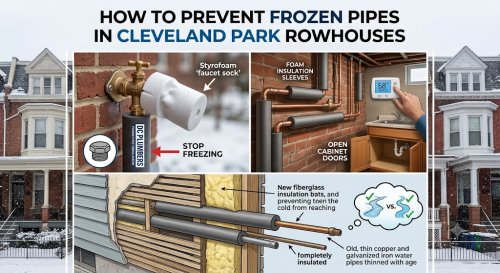
Fall/Winter Preparation: Insulate exposed supply lines running near exterior masonry walls, disconnect garden hoses, and flush the water heater sediment.
-
Year-Around Habits: Clean hair traps in shower drains weekly, never pour chemical drain cleaners down new designer finishes, and test your Pressure Reducing Valve (PRV) annually.
Emergency Protocol: When Immediate Dispatch is Non-Negotiable
Renovations occasionally trigger unexpected plumbing failures. Call an emergency service technician immediately if you experience:
-
Catastrophic supply pipe bursts flooding subfloors or ceiling joists.
-
Complete main sewer line backups forcing raw sewage up through your basement or first-floor drains.
-
Total loss of potable water supply during structural remodeling phases.
-
Active leaks cascading directly into electrical service panels or light fixtures.
Frequently Asked Questions (FAQs)
Do I need a permit for a bathroom remodel in Washington, DC?
Yes. DCRA regulations require plumbing permits for any project involving the relocation, addition, or replacement of water supply, drainage, or vent piping.
Can I install a toilet anywhere in my new bathroom layout?
Not without limitations. Toilets require a minimum 3-inch drain line with precise downward gravity slope and proper venting, which is restricted by your floor joist direction.
Why is my new shower draining slower than expected?
This is often caused by debris left in the drain pipe during demolition, improper venting, or a blocked trap arm that requires professional clearing.
How do I handle plumbing in a historic DC home?
Historic renovations require specialized care to integrate modern PVC or PEX systems with vintage cast iron stacks without damaging historic interior finishes.
Is PEX piping better than copper for a bathroom remodel?
PEX is flexible, highly resistant to freezing, and faster to install, making it ideal for modern remodels, while copper remains a durable, traditional choice.
What causes water pressure drops after remodeling?
Debris trapped in aerators during installation, partially closed supply valves, or an aging Pressure Reducing Valve (PRV) are the most common culprits.
How long does bathroom rough-in plumbing take?
For a standard bathroom renovation, rough-in plumbing typically takes between 2 to 4 days depending on layout complexity and structural wall opening requirements.
How can I prevent hair clogs in a new designer drain?
Install removable silicone hair catchers inside your shower and tub strainers and clean them out weekly to prevent stubborn deep clogs.
Why Washington, DC Homeowners Trust Our Plumbing Experts
Navigating a bathroom renovation in the District requires specialized knowledge of local architecture, strict municipal codes, and historic preservation guidelines. Our team brings decades of field experience to every project:
-
Fully licensed, insured, and background-checked master plumbers.
-
Upfront, flat-rate pricing with zero hidden overtime surprises.
-
Advanced digital diagnostic equipment for precise, clean installations.
-
Deep local expertise serving Washington, DC, and surrounding neighborhoods.
-
Comprehensive craftsmanship warranties backing every renovation project.