What Causes Repeated Toilet Clogs in Deanwood?
Discover why your Deanwood toilet keeps clogging. Learn hidden causes, DIY checks, professional fixes, and preventative sewer maintenance tips.
What Causes Repeated Toilet Clogs in Deanwood?
Dealing with a toilet that clogs occasionally is a minor annoyance, but when your toilet backs up every few days—even when you barely use any toilet paper—it becomes a source of daily stress. In the historic neighborhood of Deanwood in Northeast Washington, DC, repeated toilet clogs are a frequent complaint among homeowners and property managers alike.
Many Deanwood homes feature a blend of original mid-century architecture and modern renovations. While these properties possess character, their underground drainage systems often struggle. When a toilet clogs repeatedly, the issue is rarely limited to the porcelain bowl itself. Instead, it typically points to deeper structural problems within the drain line, aging sewer pipes, or modern flushing fixtures installed on older piping networks.
Ignoring recurring clogs can lead to dirty sewage backups, ruined bathroom subflooring, and severe structural damage. Understanding what causes these stubborn blockages empowers you to make informed decisions before calling a plumber.
What Are Repeated Toilet Clogs?
A repeated toilet clog occurs when a toilet repeatedly loses its flushing velocity or fails to clear waste completely, requiring frequent plunging or snaking to restore basic flow.
When a plumbing system functions correctly, flushing creates a siphon effect inside the toilet trapway. Water quickly pulls waste down through the toilet flange and out into the home's main soil stack. If an obstruction exists anywhere between the toilet bowl and the street's main sewer line, water loses momentum, leaving waste trapped inside the pipes.
Common Situations
-
The "Flushed Fine Yesterday" Scenario: You plunge the toilet, it clears completely, but 24 hours later, it clogs again on a routine flush.
-
The Multi-Fixture Back-Up: Flushing the hall toilet causes water or bubbles to rise inside the basement shower drain or neighboring powder room toilet.
-
The Low-Volume Flush Struggle: Modern low-flow toilets fail to generate enough momentum to push waste down long, flat horizontal cast iron runs common in older Deanwood basements.
Why Does This Plumbing Problem Happen in Deanwood?
Repeated toilet clogs are usually caused by internal fixture flaws or external drainage pipe failures. Here are the primary causes behind recurring toilet backups in Deanwood:
1. Tree Root Intrusion in Main Sewer Laterals
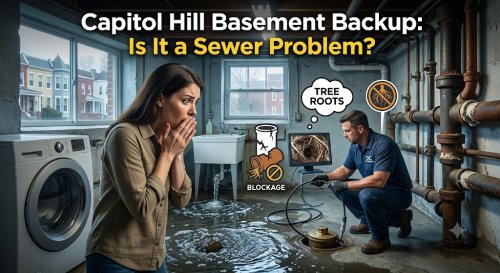
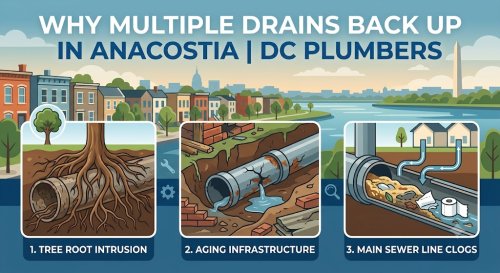
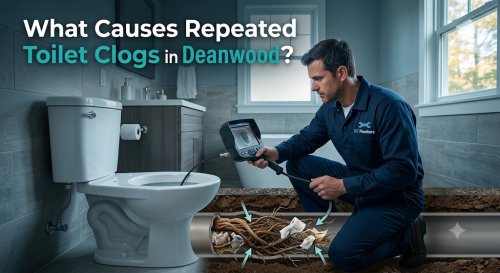
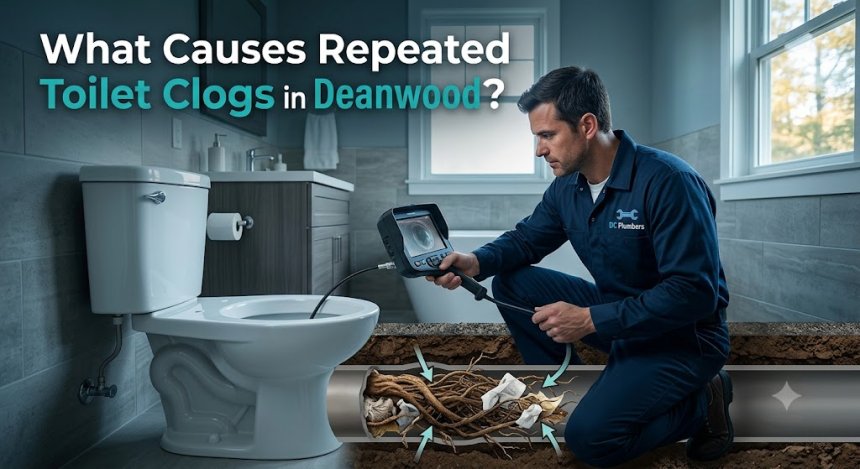
Deanwood is known for its mature tree canopy. Unfortunately, large tree roots constantly seek out underground moisture. Old clay or cast iron sewer laterals running beneath yards develop hairline cracks over decades. Tree roots enter these cracks, feeding on the nutrient-rich water. Inside the pipe, they expand into thick, sponge-like webs that catch toilet paper and solid waste, causing persistent toilet clogs.
2. Flushing Non-Flushable Items
The term "flushable wipes" is one of the most misleading labels in modern plumbing. Unlike standard toilet paper, wet wipes, paper towels, feminine hygiene products, and dental floss do not dissolve in water. They snag on tiny pipe imperfections or tree roots, forming a dense blockage that causes repeated toilet backups.
3. Aging Cast Iron or Terracotta Drain Lines
Many historic Deanwood properties still rely on original cast iron or terracotta drain lines. Over 50 to 80 years, cast iron corrodes internally, developing a rough, jagged surface called scale. When toilet paper travels down a scaled pipe, it catches on the rough metal edges, gradually building up until the pipe chokes off completely.
4. Blocked Plumbing Vent Stacks
Your plumbing system needs air to maintain flow, similar to how a straw holds liquid when you place a thumb over the top. The vent stack extends through your home's roof to equalize pressure inside the pipes. If birds' nests, leaves, or debris clog the roof vent above your bathroom, the toilet loses siphon action, resulting in sluggish, weak flushes that clog repeatedly.
5. Outdated Low-Flow Toilet Designs
First-generation low-volume toilets installed during the 1990s often lack the hydraulic engineering needed to clear waste with a single flush. When paired with older, rough cast iron pipes, these low-volume flushes fail to push waste all the way to the public sewer line.
Signs You Should Never Ignore
A toilet that clogs repeatedly often provides early warning signs before a complete sewage backup occurs:
-
Gurgling Sounds from Nearby Drains: Hearing a bubbling sound from the bathroom sink or shower drain when the toilet is flushed indicates trapped air caused by a line obstruction.
-
Water Rising in the Shower when Flushing: If wastewater backs up into the bathtub or shower basin when you flush, the main drain line beneath the floor is severely restricted.
-
Slow Bowl Recovery: If the water level in your toilet bowl takes several minutes to return to its normal height after flushing, the trapway or line is partially blocked.
-
Unpleasant Sewage Odors: Smelling sewer gas near the base of the toilet suggests a compromised wax ring seal or a line blockage pushing sewer gas into the home.
-
Weak, Lazy Flush Velocity: Water fills the bowl without generating a strong siphon swirl, leaving paper behind every time.
Common Plumbing Problems Related to This Issue
Recurring toilet clogs are often connected to broader issues within your home's plumbing system, including:
-
Main Sewer Line Backups: A severe obstruction in your main sewer line that affects every lower-level fixture in the house.
-
Toilet Flange and Wax Ring Damage: Continuous plunging exerts heavy pressure on the base of the toilet, breaking the wax seal and causing hidden leaks into subflooring.
-
Fixtures Backing Up in Basements: Lower-level toilets and floor drains are often the first fixtures to overflow when main lateral pipes fail.
Step-by-Step Professional Repair Process
When simple plunging fails to solve a recurring toilet clog, a licensed plumber follows a structured diagnostic and repair protocol:
Step 1: Toilet Bowl & Trapway Inspection
The plumber inspects the bowl, jet holes, and trapway for physical obstructions (such as small toys, plastic caps, or heavy mineral buildup) using a specialized hand auger.
Step 2: High-Resolution Video Camera Inspection
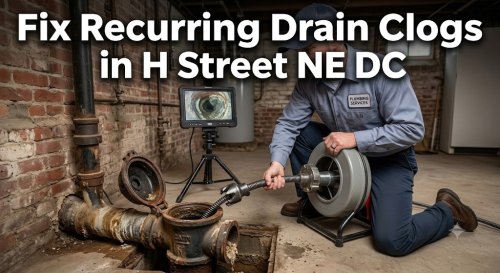
If the toilet trapway is clear, the plumber pulls the toilet or accesses a cleanout port to run a sewer camera down the main drain line. This reveals tree roots, sagging pipes, or broken cast iron.
Step 3: Diagnostic Assessment & Upfront Estimate
The technician identifies the precise location and cause of the backup and provides a clear breakdown of recommended repair options.
Step 4: Mechanical Clearing or Hydro Jetting
Depending on the diagnosis, the line is cleared using a heavy-duty continuous cable drain machine or scoured clean using high-pressure hydro jetting.
Step 5: Pipe Repair or Trenchless Restoration
If the camera reveals cracked or root-infested pipes, localized pipe repairs or trenchless pipe lining are performed to restore structural integrity.
Step 6: Toilet Re-Installation & Testing
The toilet is reset with a new wax ring, secured to the flange, and flush-tested multiple times to verify smooth drainage and a proper seal.
Step 7: Preventative Maintenance Recommendations
The plumber provides actionable guidance on safe flushing habits and routine maintenance schedules to prevent future blockages.
Can You Fix It Yourself?
While minor surface clogs can be safely cleared at home, persistent toilet issues require caution.
Safe DIY Solutions:
-
Use a Flange Plunger: A flange plunger (with a fold-out rubber cup at the bottom) creates an airtight seal over the toilet drain, making it far more effective than a standard flat sink plunger.
-
Hot Water and Dish Soap: Pouring half a cup of liquid dish soap followed by a bucket of hot (not boiling) tap water into the bowl can help lubricate organic clogs.
-
Use a Toilet Closet Auger: A rubber-sleeved toilet auger allows you to clear obstructions inside the porcelain trapway without scratching the glass-like porcelain finish.
When DIY Becomes Dangerous:
-
Never Use Chemical Drain Cleaners in Toilets: Chemical drain openers generate intense heat through chemical reactions. This can crack the porcelain toilet bowl, melt plastic fittings, or sit in stagnant water, creating a hazard for anyone attempting mechanical repairs later.
-
Avoid Excessive Force When Plunging: Plunging too aggressively can blow out the wax ring seal beneath the toilet base, leading to hidden water damage under your bathroom flooring.
-
Stop Plunging If Water Overflow Is Imminent: If water reaches the rim of the bowl, lift the tank lid immediately and push the flapper down against the flush valve to cut off the water supply.
Tools Professionals Use
Resolving stubborn, recurring toilet clogs requires commercial-grade plumbing equipment:
-
Toilet Closet Augers: Heavy-duty, flexible steel rods housed inside protective rubber sleeves designed to navigate tight porcelain curves safely.
-
Drain Video Inspection Cameras: Waterproof cameras equipped with radio transmitters to locate deep pipe blockages beneath concrete slabs or yards.
-
Hydro Jetters: Equipment that sprays water at pressures up to 4,000 PSI to clear grease, scale, and root masses from line walls.
-
Continuous Cable Drain Snakes: Heavy-duty motorized drain machines equipped with specialized cutting blades to slice through thick tree root invasions.
-
Digital Line Locators: Handheld receivers that detect subterranean camera signals, pinpointing the exact depth and location of underground pipe damage.
                  [ TOILET BOWL ]
                        |
            [ PORCELAIN TRAPWAY (Check for Toys) ]
                        |
            [ WAX SEAL & FLANGE CONNECTION ]
                        |
            [ MAIN DRAIN STACK / VENT ]
                        |
    [ MAIN SEWER LATERAL (Check for Tree Roots/Scale) ]
How Long Does the Repair Usually Take?
Repair timelines vary based on the root cause of the blockage:
-
Simple Porcelain Trapway Clearance: 30 to 45 minutes.
-
Video Camera Sewer Line Inspection: 45 to 60 minutes.
-
Main Line Snaking or Hydro Jetting: 1 to 3 hours.
-
Toilet Flange and Wax Ring Replacement: 1 to 2 hours.
-
Trenchless Pipe Lining or Underground Repair: 1 to 2 days.
Cost Factors
Understanding what shapes repair costs helps you evaluate professional quotes accurately:
-
Diagnostic Camera Requirements: Using specialized video camera equipment to inspect main sewer lines.
-
Location of the Blockage: Obstructions in the toilet trapway are simpler to clear than deep underground main line clogs.
-
Clearing Method Used: Standard mechanical cabling differs in cost from high-pressure hydro jetting.
-
Pipe Condition & Material: Older cast iron lines requiring scale removal or structural repairs require more labor and specialized tooling.
-
Accessibility: Ease of access via cleanout ports versus pulling toilets or digging underground.
Plumbing repair costs vary depending on the severity of the problem, accessibility, materials required, emergency service, property type, and local labor rates.
Hidden Truths Homeowners Should Know
-
"Flushable" Wipes Do Not Dissolve: Despite marketing claims, wipes remain intact in underground pipes, making them a leading cause of recurring toilet clogs.
-
Aggressive Plunging Damages Wax Seals: Plunging too hard breaks the watertight seal between the toilet and the floor, causing hidden leaks that rot floor joists.
-
Chemical Drain Cleaners Cause Pipe Damage: Chemical drain openers sit in trapped water and corrode older cast iron or plastic piping without clearing solid obstructions.
-
Tree Roots Return Unless Pipe Is Sealed: Snaking roots out of a line offers temporary relief; roots will grow back within months unless the pipe is relined or replaced.
-
Neglected Clogs Cause Structural Water Damage: Repeated bowl overflows soak underlayment and ceiling drywall below, leading to costly structural repairs and mold growth.
15 Common Mistakes Homeowners Make
-
Flushing Flushable Wipes: Treating wet wipes like standard toilet paper.
-
Pouring Chemical Cleaners Down the Toilet: Using caustic chemicals that damage porcelain and pipes.
-
Using Flat Sink Plungers on Toilets: Expecting standard cup plungers to seal against rounded toilet bowl drains.
-
Ignoring Slow, Gurgling Flushes: Waiting for a total overflow before investigating slow-draining toilets.
-
Flushing Facial Tissues and Paper Towels: Flushing paper products engineered not to dissolve in water.
-
Plunging Too Aggressively: Blowing out the wax ring seal beneath the toilet flange.
-
Flushing Feminine Hygiene Products: Disposing of cotton products that expand in water down the toilet.
-
Placing Heavy Objects on Toilet Tank Lids: Accidental drops can crack porcelain tanks and trigger sudden flooding.
-
Hiring Unlicensed Handymen: Entrusting complex drain issues to unqualified workers who lack camera equipment.
-
Ignoring Tree Root Signs: Clearing roots once without addressing pipe cracks permanently.
-
Flushing Grease or Cooking Oil Down Toilets: Pouring warm fat into toilets where it cools, hardens, and catches paper.
-
Using Too Much Toilet Paper Per Flush: Overloading low-volume flushes with excessive paper.
-
Neglecting Roof Vent Stacks: Allowing leaves or debris to cover roof vent openings.
-
Delaying Wax Ring Repairs: Ignoring water pooling around the toilet base after plunging.
-
Skipping Regular Sewer Main Inspections: Neglecting proactive video checks on aging cast iron piping.
15 Practical Maintenance Tips for Deanwood Homeowners
-
Adopt the "Pee, Poop, and Paper" Rule: Flush only human waste and standard toilet paper down your toilet.
-
Switch to Thin, Quick-Dissolving Toilet Paper: Use single-ply or rapid-dissolving tissue if you have older cast iron pipes.
-
Keep a Trash Can Beside Every Toilet: Provide a convenient disposal bin for wipes, cotton swabs, and hygiene products.
-
Perform a Monthly Bucket Flush Test: Pour a 3-gallon bucket of water directly into the toilet bowl; rapid drainage indicates a clean main trapway.
-
Inspect Toilet Tank Components Annually: Replace worn flappers, fill valves, and flush chains to preserve strong flush volume.
-
Clean Rim Jets and Siphon Holes: Clear mineral deposits from under the toilet rim using vinegar and a small brush to maintain flush velocity.
-
Schedule Video Camera Sewer Inspections: Inspect older main sewer lines every 2 years to catch tree root growth early.
-
Hydro Jet Cast Iron Lines Periodically: Clear scale and debris from old metal pipes to maintain a smooth inner surface.
-
Keep Roof Vent Stacks Clear: Check that roof vents are free of leaves, nests, or debris.
-
Install Low-Flow Toilets Engineered for Performance: Replace early 1990s low-flow models with modern high-efficiency options.
-
Educate Children on Proper Toilet Use: Keep small toys and excessive paper out of the bowl.
-
Check the Toilet Flange for Stability: Ensure the toilet is bolted securely to the floor without rocking or wobbling.
-
Address Slow Drains Promptly: Treat sluggish flushing immediately before total line blockages occur.
-
Maintain Outdoor Cleanout Ports: Keep yard cleanouts accessible and properly capped.
-
Keep an Emergency Plumber's Number Saved: Store contact details for a local, licensed plumber who offers prompt diagnostic service.
When Should You Call an Emergency Plumber?
Call an emergency plumber immediately if:
-
Sewage Backs Up Into Bathrooms or Showers: Raw sewage coming up through shower drains or lower-level floor grates poses an immediate health risk.
-
Water Floods Bathroom Flooring Continuous: An overflowing toilet bowl that fails to shut off threatens subflooring and ceilings below.
-
Multiple Drains Back Up Simultaneously: Toilets, sinks, and tubs stopping up at the same time indicates a main sewer lateral blockage.
-
The Toilet Rocks and Leaks Wastewater at the Base: Water leaking onto subflooring whenever flushed damages structural floor joists.
Frequently Asked Questions
People Also Ask & Voice Search Questions
Why does my toilet keep clogging even when I don't use much paper?
Recurring clogs are usually caused by obstructions further down the line—such as tree root intrusions, internal cast iron corrosion, or non-dissolvable items caught in the trapway—rather than the amount of paper used in a single flush.
How do I know if my main sewer line is clogged?
If flushing your toilet causes water to bubble up in your shower, or if multiple lower-level drains back up simultaneously, your main sewer line is likely obstructed.
Can chemical drain cleaners clear a toilet clog?
No. Chemical drain cleaners are not recommended for toilets. They rarely clear solid trapway obstructions and can generate heat that cracks porcelain or eats through pipe joints.
Why does my toilet gurgle when I run the bathroom sink?
Gurgling indicates a ventilation problem or a developing blockage in the main drain line. Air becomes trapped in the pipe and escapes through the nearest water trap.
How do plumbers locate hidden toilet line blockages?
Plumbers use specialized waterproof video inspection cameras pushed through cleanout ports or toilet drains to pinpoint the precise location and cause of blockages underground.
Is hydro jetting safe for old cast iron pipes?
Yes, when performed by a trained professional who inspects the line with a camera first to verify structural integrity before adjusting water pressure accordingly.
How often should I replace my toilet wax ring?
A toilet wax ring can last 20 to 30 years, but it should be replaced immediately if the toilet rocks, leaks water around its base, or smells like sewer gas.
Can tree roots damage my home's foundation if left unchecked?
While tree roots primarily seek out sewer pipes for water, severe unaddressed main line breaks can saturate surrounding soil, leading to localized soil settling and foundation stress.
What is the best way to unclog a toilet without a plunger?
Pouring dish soap followed by hot (not boiling) tap water into the bowl can help lubricate minor organic clogs. However, persistent blockages require a toilet auger or professional diagnostic inspection.
Why does my new low-flow toilet clog so often?
Older or early-generation low-flow toilets lack modern hydraulic trapway design. Pairing a weak flush volume with rough, aging cast iron pipes often leads to repeated clogs.
Why Choose Our Plumbing Company?
When dealing with repeated toilet clogs in Deanwood, quick diagnostic accuracy and effective repairs protect your property from water damage. At plumber in Washington DC, we deliver practical solutions for homeowners across Northeast DC.
-
Experienced Licensed Plumbers: Our technicians understand the specific plumbing layouts and aging sewer infrastructure common to historic Deanwood properties.
-
Honest Diagnostic Assessments: We use high-definition camera technology to pinpoint root causes before recommending repairs.
-
Upfront Estimates: We provide clear, itemized pricing without hidden fees before starting any work.
-
Fast Response & Emergency Availability: Drain backups require prompt attention; our team is available to handle urgent sewer line issues.
-
Quality Workmanship & Modern Tools: From hydro jetting units to noni-invasive pipe repairs, we use equipment built to resolve recurring clogs reliably.