Water Heater Not Hot Enough in DC? | Expert Fixes
Not getting enough hot water in Washington, DC? Discover common causes, sediment buildup signs, repair steps, and local water heater experts.
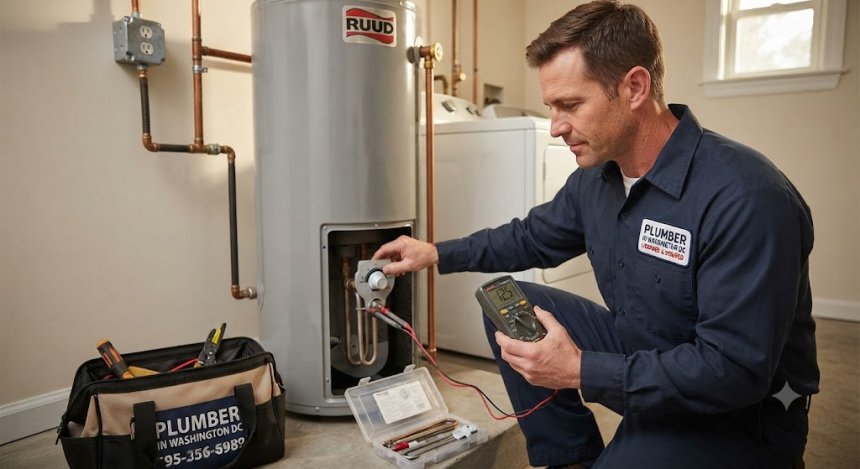
Why Is My Water Heater Not Producing Enough Hot Water?
Few daily disruptions are quite as jarring as stepping into what you expect to be a hot shower, only to be blasted with freezing water minutes later. If your showers are cutting short or your kitchen sink struggles to stay warm, you are facing a frustrating efficiency barrier.
Homeowners and business owners across Washington, DC, Arlington, Alexandria, and surrounding District neighborhoods frequently search for answers when their water heaters underperform. Understanding why this happens is crucial. A water heater that cannot keep up with demand is rarely just an annoyance—it is usually signaling heavy sediment accumulation, a failing heating element, a malfunctioning thermostat, or a system nearing the end of its functional life. Prompt attention prevents a total system breakdown that could leave your home or business without hot water entirely.
What Is a Water Heater Underperformance Issue?
A water heater underperformance issue occurs when a tank-style or tankless water heater fails to generate, maintain, or deliver an adequate supply of hot water to match normal household or commercial demand.
Common Situations and Symptoms
-
Shortened Shower Times: Hot water runs out halfway through a standard shower, forcing family members to take rapid turns.
-
Lukewarm Output: Water turns lukewarm quickly even when the temperature dial on the unit is set to high.
-
Delayed Heating Recovery: Waiting an hour or more between showers just to get a brief burst of warm water again.
-
Inconsistent Temperature Fluctuations: Water switches unpredictably between hot and cold while a single tap is running.
In Washington, DC properties—from historic row houses with aging utility spaces to modern high-rise condos—these symptoms highlight specific structural, mineral, and mechanical challenges.
Why Does This Plumbing Problem Happen?
Water heaters work tirelessly behind the scenes, but several common factors cause them to fall short of your hot water needs:
-
Hard Water and Heavy Sediment Buildup: The District and surrounding Mid-Atlantic regions deal with hard water minerals. Over time, calcium and magnesium settle at the bottom of tank water heaters as a thick sediment layer, insulating the water from the burner or lower heating element and stifling heat transfer.
-
Aging Units and Component Wear: Traditional tank water heaters have an operational lifespan of 8 to 12 years. As they age, internal dip tubes crack, heating elements burn out, or gas burners lose efficiency.
-
Incorrect Sizing for Demand: If your household has grown or you’ve added high-flow fixtures, an undersized water heater will naturally run out of hot water faster than it can replenish.
-
Faulty Thermostats or Heating Elements: Electric water heaters rely on upper and lower thermostats and dual heating elements; if one element fails, the tank only heats half its capacity.
-
Corrosion and Rust: Internal tank corrosion interferes with thermal regulation and creates a risk of catastrophic leakage.
-
High Water Pressure: Excessive incoming municipal pressure puts unnecessary strain on water heater relief valves and mixing systems.
Signs You Should Never Ignore
When your water heater begins to fail, it often exhibits distinct physical warning signs that require immediate observation:
-
Discolored or Rusty Water: Brown, red, or cloudy hot water indicates internal tank rust or severe pipe corrosion.
-
Strange Noises: Popping, rumbling, or banging sounds coming from the tank mean heavy sediment is boiling and trapped at the bottom.
-
Moisture or Leaking Around the Base: Small pools of water or dampness near the base of the tank signal internal leaks or a failing pressure relief valve.
-
Foul Smells: A sulfur or rotten-egg odor coming from the hot water tap often points to a degrading anode rod reacting with bacteria inside the tank.
-
High Utility Bills: An inefficient water heater works overtime, quietly driving up your monthly gas or electric bills.
Common Plumbing Problems Related to This Issue
Hot water shortages are frequently tied to broader household plumbing complications:
-
Water Heater Tank Ruptures: Chronically ignored sediment and pressure stress can cause corroded tanks to split, flooding utility closets or basements.
-
Pipe Leaks: Expanding hot water puts extra stress on aging joints, turning minor micro-leaks into active pipe bursts.
-
Fixture Scale Clogs: Heavy mineral deposits choke showerheads and faucet aerators, mimicking low hot water pressure.
-
Ventilation and Gas Line Hazards: Malfunctioning gas water heaters can experience draft or combustion issues, creating safety risks.
Step-by-Step Professional Repair Process
When you call Plumber in Washington DC, our licensed professionals follow a systematic, thorough approach to restore your hot water supply:
-
Step 1: Comprehensive Inspection: We evaluate the entire water heating unit, checking electrical connections, gas supply valves, venting, and temperature settings.
-
Step 2: Diagnostic Testing: We test heating elements, thermostats, anode rods, and measure water output temperature to pinpoint the exact failure point.
-
Step 3: Clear Estimate: We provide an honest, upfront cost estimate detailing whether a targeted repair (like replacing an element or dip tube) or a full unit replacement is the best option.
-
Step 4: Professional Repair or Replacement: Our technicians execute the service cleanly, adhering strictly to local Washington, DC building and plumbing codes.
-
Step 5: Performance Testing: We flush, fill, and test the system to verify that it reaches optimal operating temperature and recovers efficiently.
-
Step 6: Thorough Cleanup: We leave your utility space spotless, hauling away old parts or old tank units when replacements are performed.
-
Step 7: Maintenance Guidance: We provide custom care tips to help you maximize your water heater's longevity.
Can You Fix It Yourself?
While some minor adjustments are safe for homeowners, most water heater internal repairs require specialized training and licensing.
Safe DIY Solutions & Temporary Fixes
-
Adjusting the Thermostat: Checking to ensure the water heater dial is set to a safe and comfortable level (typically 120°F).
-
Resetting the Breaker: If an electric water heater suddenly goes cold, checking the home's electrical panel for a tripped breaker can quickly identify an isolated power issue.
-
Insulating Pipes: Wrapping exterior hot water supply pipes with foam insulation helps retain heat as water travels to distant fixtures.
When DIY Becomes Dangerous and Professional Help is Necessary
-
Gas Line and Burner Work: Attempting DIY repairs on gas control valves or pilot assemblies risks dangerous gas leaks or carbon monoxide exposure.
-
Electrical Component Replacement: Working with 240-volt electric water heater wiring without professional training presents severe electrocution hazards. Always contact a licensed Washington DC plumber for internal electrical or gas repairs.
Tools Professionals Use
Licensed plumbers utilize specialized professional-grade diagnostic and repair tools:
-
Multimeters: Precision electronic meters test voltage, continuity, and resistance across electric heating elements and thermostats.
-
Thermal Imaging Cameras: Detect internal heat distribution anomalies and hidden tank wall insulation breakdowns.
-
Pressure Testing Gauges: Measure dynamic water pressure to evaluate expansion tank performance.
-
Tank Flushing Wigs and Extractor Pumps: Safely scour hardened mineral sediment out of restricted tank bottoms.
How Long Does The Repair Usually Take?
Repair and replacement timelines vary based on the scope of work:
-
Simple Component Replacement (e.g., thermostat or upper heating element): 1 to 2 hours.
-
Professional Tank Flushing and Sediment Cleanout: 1 to 2 hours.
-
Standard Water Heater Tank Replacement: 2 to 4 hours.
-
Complex Tankless Water Heater Conversion or Major Repiping: 4 to 8 hours.
Cost Factors
Understanding what influences water heater service costs helps you budget effectively. Rather than relying on misleading fixed quotes, consider these primary variables:
-
Type and Capacity of the Unit: Traditional tank models differ in cost from high-efficiency tankless units or hybrid heat pump water heaters.
-
Repair vs. Replacement: Replacing a minor burnt element is significantly more cost-effective than installing a brand-new water heater tank.
-
Accessibility: Units located in tight attic spaces, cramped basement closets, or difficult crawlspaces require extra labor time.
-
Code Upgrades and Permits: Local Washington, DC municipal codes may require updated thermal expansion tanks, seismic straps, or specific venting configurations during replacement.
-
Emergency Dispatch Timing: After-hours or holiday service calls involve standard emergency labor rates.
Note: Plumbing repair costs vary depending on the severity of the problem, accessibility, materials required, emergency service, property type, and local labor rates.
Hidden Truths Homeowners Should Know
-
Small Leaks Become Expensive Repairs: A minor drip beneath a water heater tank quickly corrodes the base and rots surrounding flooring.
-
Cheap Temporary Fixes Fail: Patching a rusted, leaking water heater tank shell with epoxy or tape always fails under pressure.
-
Insurance Gaps: Standard homeowner insurance policies frequently deny claims resulting from unmaintained, long-term water heater leaks.
-
Hard Water Strains Systems: Mineral scale drastically shortens the operational lifespan of heating elements.
-
DIY Mistakes Multiply Costs: Incorrect electrical wiring or gas connections turn minor fixes into major safety hazards.
-
Annual Maintenance Saves Money: Routine annual flushing doubles the usable service life of your water heater.
15 Common Mistakes Homeowners Make
-
Ignoring Minor Temperature Drops: Waiting until the tank stops heating altogether before calling a professional.
-
Skipping Annual Flushes: Allowing sediment layers to build up unchecked for years.
-
Setting Temperature Too High: Cranking thermostats above 140°F, increasing scalding risks and thermal stress.
-
Neglecting Anode Rods: Failing to inspect or replace sacrificial anode rods, leading to premature tank rust.
-
Hiring Unlicensed Handymen: Using uninsured workers for complex gas or electrical water heater installations.
-
Skipping Expansion Tanks: Failing to install required thermal expansion tanks, risking closed-loop pressure ruptures.
-
Ignoring Pressure Relief Leaks: Overlooking a dripping T&P valve until it jams completely.
-
Waiting Until Emergencies Strike: Delaying scheduled replacements for a 14-year-old rusty tank.
-
Using Incorrect Pipe Connectors: Connecting copper and galvanized steel directly, causing galvanic corrosion.
-
Over-Tightening Fittings: Cracking water heater inlet and outlet nipples with excessive wrench force.
-
Disregarding Proper Venting: Installing gas units without verifying safe carbon monoxide exhaust drafting.
-
Forgetting Main Shut-Off Location: Panicking during a tank rupture because family members don't know where the water main is.
-
Ignoring Pilot Light Issues: Repeatedly relighting a gas pilot without diagnosing thermocouple failure.
-
Overloading Electrical Circuits: Running electric water heaters on improperly rated breaker panels.
-
Skipping Professional Audits: Assuming a water heater will run indefinitely without service.
Maintenance Tips
-
Flush Your Tank Annually: Drain a few gallons of water from the tank drain valve once a year to clear out loose sediment.
-
Test the T&P Relief Valve: Lift the test lever on the temperature and pressure relief valve briefly once a year to ensure it operates freely.
-
Inspect the Anode Rod: Check the sacrificial anode rod every 2 to 3 years and replace it if it is heavily corroded.
-
Insulate Your Tank and Pipes: Wrap older storage tanks in an insulation blanket and insulate accessible hot water pipes.
-
Check Combustion Air Supply: Keep the area around gas water heaters completely clear of boxes, paint, and dust.
-
Monitor Water Temperature: Keep your thermostat set to 120°F for optimal energy efficiency and safety.
-
Schedule Professional Tune-Ups: Partner with a licensed plumber for an annual system health inspection.
-
Install a Water Softener: Protect your water heater from aggressive mineral scaling by treating hard water.
When Should You Call an Emergency Plumber?
-
Ruptured Water Heater Tank: A sudden tank split flooding your home or commercial utility area.
-
Active Gas Leaks: Smelling sulfur or gas near the appliance connection.
-
Electrical Burning Odors: Smoke or burning smells originating from the water heater control panel.
-
Severe Scalding Water: Water overheating uncontrollably past safe delivery limits due to a stuck thermostat.
Frequently Asked Questions
Why is my water pressure suddenly low?
Sudden pressure drops are typically caused by a partially closed main valve, clogged fixture aerators, or a hidden supply line leak.
How much does leak detection cost?
Costs vary based on acoustic or thermal equipment required and the accessibility of the suspected leak zone.
Can a clogged drain damage pipes?
Yes. Severe blockages create extreme hydraulic pressure that can crack older pipe joints.
Is hydro jetting safe for old pipes?
An experienced plumber checks pipes with a camera first; sound pipes handle it well, while degraded lines require trenchless repair.
How do I know if my sewer line is broken?
Signs include multiple slow drains, foul yard odors, gurgling toilets, and lush grass patches over the line.
How long do water heaters last?
Traditional tanks last 8 to 12 years; tankless models last 15 to 20 years with annual flushing.
Why does my faucet drip?
Worn washers, O-rings, or internal cartridge mineral scale cause persistent drips.
What causes pipes to burst?
Freezing winter weather causes trapped water to expand, rupturing pipe walls.
Can plumbing leaks increase my water bill?
Yes, hidden leaks waste thousands of gallons monthly, driving up utility costs.
When should I replace plumbing instead of repairing it?
Frequent leaks in aging galvanized or polybutylene pipes make a whole-home repipe more cost-effective than continuous spot repairs.