Introduction
Nothing disrupts the peace of a Washington, DC home quite like discovering that the water pouring from your kitchen tap tastes like old metal or smells faintly of municipal treatment chemicals. When dealing with historic district pipe sediment or modern city water parameters, ensuring your household drinks pure water becomes a daily priority. Homeowners across Capitol Hill, Dupont Circle, and Georgetown frequently experience mineral buildup, chlorine tastes, and particulate contamination due to aging municipal water lines and complex urban distribution networks.
Investing in a reverse osmosis system installation in Washington, DC is the definitive way to secure high-purity, bottled-quality drinking water directly from a dedicated kitchen faucet. Understanding how multi-stage filtration works protects your family's health, eliminates single-use plastic waste, and safeguards your household appliances from scale damage. Let’s dive into what makes reverse osmosis the gold standard for residential water purification.
Root Causes: Why DC Homes Need Advanced Filtration
While municipal water treatment plants in the District work diligently, water quality changes drastically by the time it travels through miles of aging city mains and into residential service lines. Several localized factors make advanced water filtration essential:
-
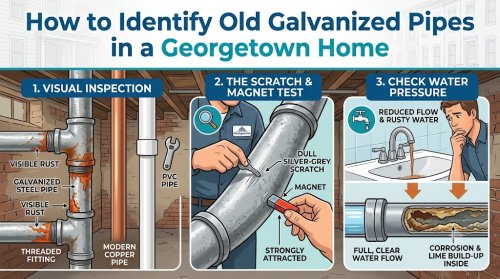
Aging Infrastructure: Many historic row houses and older properties still connect via older service lines that can introduce sediment, rust, and particulate matter into your plumbing.
-
Chlorine & Disinfection Byproducts: Municipalities use heavy chlorination and chloramines to treat water, leaving behind harsh chemical tastes and odors.
-
Total Dissolved Solids (TDS): Mineral content fluctuates seasonally, leaving fine sediment films on glassware and fixtures throughout local neighborhoods.
-
Pressure Surges: Municipal pumping fluctuations can stress under-sink connections, making secure, professional installation a necessity to prevent leaks.
What Is a Reverse Osmosis System? Decoding the Mechanism
At its core, a reverse osmosis (RO) system is a multi-stage water purification process that forces water under pressure through a semi-permeable membrane. While standard carbon filters only catch large debris and chlorine, a true RO membrane boasts microscopic pores (around 0.0001 microns) that block up to 99% of dissolved solids, heavy metals, fluoride, sodium, and organic contaminants.
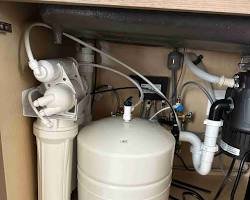
The Typical Multi-Stage Layout
-
Sediment Pre-Filter: Traps dirt, sand, and rust particles.
-
Carbon Pre-Filter: Removes chlorine, VOCs, and chemicals that can degrade the main membrane.
-
The RO Membrane: The workhorse component where pressurized water leaves heavy impurities behind to be flushed down the drain.
-
Post-Carbon / Polishing Filter: Enhances final taste right before the water reaches your dedicated dispensing tap.
-
Storage Tank: Holds purified water on demand so you never have to wait for a slow filtration trickle.
Critical Warning Signs: When Your Water System is Sounding the Alarm
Knowing when your water purification setup needs attention prevents sudden performance drops or unexpected leaks under your sink cabinet. Watch out for these indicators:
-
Taste and Odor Shifts: A sudden return of a chlorine tang or metallic aftertaste means your carbon filters or membrane have reached capacity.
-
Dramatically Slower Flow: A weak stream from your dedicated RO faucet indicates low storage tank air pressure or clogged filter stages.
-
Unexplained Moisture or Drips: Damp wooden cabinet bases or subtle pooling beneath the unit point to a loose fitting, tubing kink, or failing automatic shut-off valve.
-
Unusual Auditory Clues: A continuous, non-stop trickling sound to the drain line signifies a stuck check valve or persistent pressure imbalance.
Ignoring these signs can lead to premature membrane failure, complete loss of purified water production, or localized water damage inside your kitchen cabinetry.
Comprehensive Home Plumbing Maintenance Framework
Maintaining your water filtration setup and home plumbing infrastructure requires proactive, seasonal attention. Keep your system running smoothly with this structured framework:
-
Spring/Summer Checks
-
Inspect under-sink RO connections and drain saddle valves for any signs of weeping.
-
Check household shut-off valves to ensure they turn smoothly during an emergency.
-
Test refrigerator line feeds connected to your filtration manifold.
-
-
Fall/Winter Preparation
-
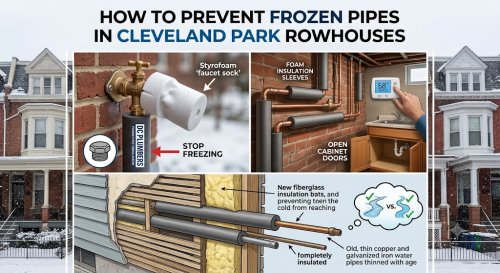
Insulate exterior hose bibs and exposed basement pipes against sudden temperature drops.
-
Check indoor humidity levels around utility spaces to prevent dampness.
-
Verify that water heater thermal expansion tanks remain properly pressurized.
-
-
Year-Round Habits
-
Change standard pre-filters every 6 to 12 months religiously.
-
Schedule professional RO membrane replacements every 2 to 3 years.
-
Never force plastic quick-connect fittings without releasing line pressure first.
-
Professional Diagnostic & Repair Workflow
When installing or servicing a complex water purification system, a licensed master plumber follows a precise, repeatable workflow to ensure flawless operation:
-
Non-Invasive Triage & Safety Isolation: Shutting off the dedicated feed water supply and depressurizing lines before touching any components.
-
Water Quality & Pressure Testing: Measuring incoming TDS levels and dynamic water pressure to confirm the system operates within optimal parameters.
-
Transparent, Upfront Options: Presenting clear, flat-rate pricing for installation, booster pump additions, or complete system upgrades.
-
Code-Compliant Installation: Mounting the manifold securely, routing dedicated lines cleanly, and installing air-gap faucets that meet local DC plumbing codes.
-
Sanitization & Flow Verification: Flushing the entire storage tank and multi-stage filter matrix, then verifying clean output parameters before cleanup.
Advanced Diagnostics: The Professional Tool Arsenal
Professionals rely on specialized testing gear to guarantee that a reverse osmosis setup delivers peak performance without guesswork:
-
Digital TDS Meters: Instantly measure parts-per-million (PPM) reduction to verify exact membrane efficiency.
-
Manometers & Pressure Gauges: Test incoming household water pressure to determine if a specialized booster pump is required for low-pressure homes.
-
Electronic Leak Detectors: Pinpoint micro-seeps or hidden moisture under cabinets instantly.
-
Tubing Cutters & Reamers: Ensure clean, square cuts on PEX and polyethylene lines to eliminate fitting leaks.
Financial Breakdown: Cost Factors & Investment Realities
Investing in water purification involves understanding the variable cost inputs that shape total project pricing. Flat-rate pricing depends on several key elements:
-
System Complexity & Stages: Standard 4-stage units differ in price from advanced 5-stage systems with remineralization filters or ultraviolet (UV) sterilization lamps.
-
Booster Pump Integration: Homes with low water pressure (under 40 PSI) require an electric booster pump to force water through the tight RO membrane.
-
Access & Custom Plumbing Modifications: Modifying thick granite countertops for dedicated faucet installation or tying into complex drain lines alters labor time.
-
Professional Maintenance Plans: Long-term filter replacement agreements protect your investment and ensure continuous water safety.
Unique Expert Insights: Hard Truths Homeowners Learn Too Late
“A high-end water filter is only as good as its installation and routine maintenance schedule. Neglecting simple filter changes turns a purity system into a breeding ground for biological growth.”
-
Skipping Pre-Filters Destroys Membranes: Failing to change sediment and carbon pre-filters allows chlorine to attack and destroy the expensive RO membrane prematurely.
-
DIY Faucet Drilling Risks: Drilling through stone or quartz countertops without proper masonry bits leads to costly countertop cracking.
-
Ignoring Drain Air-Gaps: Improperly connecting the RO drain line directly to a sewer pipe without an air-gap can risk cross-contamination.
-
Ignoring Low Pressure: Installing an RO system without checking water pressure results in poor daily water production and excessive water waste down the drain.
DIY Reality Check: What You Can Safely Fix vs. When to Call a Pro
While replacing standard drop-in sediment filter cartridges can be a straightforward DIY task, knowing your limits prevents property damage:
-
Safe Homeowner Actions: Swapping out basic twist-off pre-filters, checking air pressure in the storage tank using a standard tire gauge, and wiping down exterior cabinet moisture.
-
The Danger Zone: Modifying under-sink supply lines, drilling granite countertops, wiring electric booster pumps, or troubleshooting persistent drain leaks.
-
When to Call a Pro: If your system produces excessive wastewater, experiences continuous leaks, or requires a brand-new manifold installation, call a licensed plumber immediately.
Emergency Protocol: When Immediate Dispatch is Non-Negotiable
While a slow drip under an RO sink is annoying, true plumbing emergencies require immediate professional intervention:
-
Active Supply Line Ruptures: A severed or popped water supply line flooding your kitchen floor.
-
Main Shut-Off Failure: Inability to stop water flowing from a broken angle stop or supply valve.
-
Electrical Proximity: Water pooling near under-sink garbage disposal units or electrical outlets.
-
Sewage Backup Overflow: Backups affecting your kitchen drain line while attempting to run a filtration system.
Frequently Asked Questions (FAQs)
How often do I need to change filters in a reverse osmosis system?
Standard sediment and carbon pre-filters should be replaced every 6 to 12 months. The main reverse osmosis membrane typically lasts between 2 to 3 years depending on your local water hardness and daily usage volume.
Why does a reverse osmosis system waste water?
RO systems use a stream of water to wash away rejected impurities down the drain. While older systems could waste up to 4 gallons for every pure gallon produced, modern high-efficiency units drastically reduce this ratio.
Can an RO system connect to my refrigerator ice maker?
Yes. Professional plumbers can easily run a dedicated food-grade line from your under-sink RO system to your refrigerator ice maker and water dispenser for crystal-clear ice cubes.
Do reverse osmosis systems remove beneficial minerals?
An RO system removes nearly all dissolved solids, including calcium and magnesium. Many homeowners choose systems equipped with a remineralization stage to add healthy minerals back into the drinking water for an enhanced taste profile.
Why is water flow from my RO faucet suddenly so slow?
Low flow usually indicates that the pressurized storage tank is out of air or needs a recharge, or that your filters are heavily clogged and overdue for replacement.
Can I install a reverse osmosis system myself?
While basic kits are sold online, professional installation ensures correct drain saddle placement, proper air-gap compliance, leak-free fittings, and warranty protection.
Will an RO system fix hard water throughout my entire house?
No. An RO system is a point-of-use system designed exclusively for drinking and cooking water at a single faucet. Whole-home hard water issues require a dedicated water softener installation.
Does reverse osmosis water taste flat?
Because an RO system strips out virtually all minerals, some people notice a neutral taste. Remineralization cartridges solve this by restoring healthy mineral traces for a crisp, natural flavor.
Why Washington, DC Homeowners Trust Plumber in Washington DC
Navigating historic home plumbing, delicate kitchen finishes, and urban water quality demands true expertise. Here is why local residents rely on our team:
-
Licensed & Insured Professionals: Background-checked technicians certified in complex residential plumbing and water filtration.
-
Upfront, Flat-Rate Pricing: Clear estimates with zero hidden fees or surprise overtime charges before work begins.
-
Advanced Diagnostic Tools: Precision equipment to verify water quality, pressure, and system integrity.
-
Deep Local Expertise: Extensive experience serving Washington, DC and surrounding neighborhoods with tailored water solutions.