What to Do When a Pipe Bursts in DC | Emergency Guide
Facing a burst pipe in Washington, DC? Discover immediate steps, warning signs, causes, and when to call Plumber in Washington DC for help.
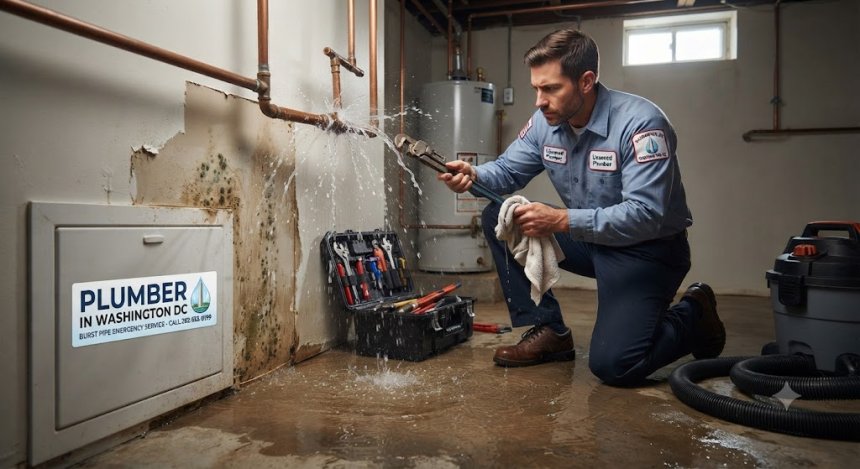
What to Do When a Pipe Bursts in Your Washington, DC Home
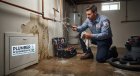
Few residential emergencies induce panic quite like the sound of a rushing stream of water behind a wall or across a finished ceiling. When a pipe suddenly ruptures, hundreds of gallons of water can flood your living spaces within minutes, threatening structural framing, electrical systems, and cherished personal belongings.
Homeowners across Washington, DC, Capitol Hill, Georgetown, and surrounding neighborhoods frequently encounter plumbing vulnerabilities, particularly given the district's mix of historic properties with aging infrastructure and sudden mid-winter freeze-thaw cycles. Knowing exactly how to respond in those critical first few minutes can mean the difference between a minor repair and a catastrophic insurance claim. Understanding why pipes burst and how to secure professional help empowers you to protect your home when disaster strikes.
What Is a Burst Pipe?
A burst pipe occurs when an internal water supply line suffers a catastrophic structural failure, splitting, cracking, or tearing open completely under pressure and releasing uncontrolled water into the property.
This issue typically manifests in a few distinct ways:
-
A loud bang or thud followed by the continuous sound of rushing water inside a wall cavity.
-
Water suddenly pooling across hardwood floors, bubbling up through carpeting, or dripping through overhead light fixtures.
-
A dramatic, sudden drop in overall home water pressure accompanied by hissing sounds near plumbing lines.
-
Complete loss of water service to specific floors or fixtures while the main meter continues to spin.
For example, a homeowner in a historic row house in Dupont Circle might wake up on a freezing January morning to find water pouring down the living room drywall. This classic emergency scenario highlights how vulnerable uninsulated pipes running along exterior walls can be when temperatures plunge.
Why Does This Plumbing Problem Happen?
Pipes do not rupture without cause. Several compounding physical factors typically lead to a sudden pipe failure:
-
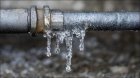
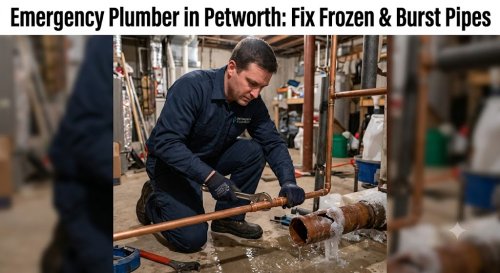
Freezing Temperatures: When water freezes inside a pipe, it expands by nearly 9 percent, generating immense hydraulic pressure that cracks copper, PEX, or PVC lines from the inside out.
-
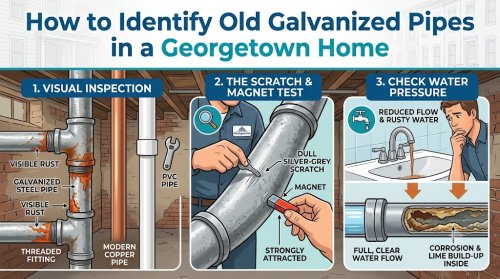
Aging Pipes and Corrosion: Historic DC homes often feature aging galvanized steel or cast iron pipes that thin out over decades of internal rust and mineral wear, making them prone to structural failure.
-
Excess High Water Pressure: Municipal water pressure running higher than 80 PSI places relentless mechanical stress on pipe joints, valves, and elbows until a seam eventually gives way.
-
Tree Root Intrusion: Underground supply lines running close to mature trees can be crushed or cracked by aggressive root growth seeking moisture.
-
Improper Installation or Shifting Soil: Poorly supported pipe runs or ground settling can place unnatural shear stress on soldered joints, causing them to snap over time.
Signs You Should Never Ignore
Many burst pipes give subtle warning signs hours or days before a total rupture occurs:
-
Unexplained Water Stains: Yellowish-brown rings or sagging patches on ceilings and drywall indicate slow, continuous moisture seeping from a failing pipe.
-
Sudden Drop in Water Pressure: If multiple faucets simultaneously lose strong stream pressure, a major leak or partial pipe break may be restricting flow downstream.
-
Strange Banging or Whistling Noises: Water hammer—a loud shockwave heard when valves shut quickly—weakens pipe brackets and joints over time.
-
Musty Odors and Mold Growth: Damp wall cavities rapidly spawn mold colonies, signaling hidden leaks that require immediate moisture mapping.
-
Unusually High Water Bills: A sudden upward spike in your monthly utility statement without a change in usage habits is a classic indicator of a hidden leak.
Common Plumbing Problems Related to This Issue
A burst pipe frequently triggers a cascade of secondary property damages:
-
Electrical Hazards: Water running into ceiling fixtures, wall outlets, or breaker panels creates immediate fire and electrocution risks.
-
Slab Leaks: A rupture occurring in supply lines beneath a concrete basement floor can undermine foundation stability.
-
Severe Mold Contamination: Untreated moisture saturation can ruin drywall, insulation, and hardwood structural framing within 48 hours.
Step-by-Step Professional Repair Process
When you call Plumber in Washington DC to handle a burst pipe emergency, our licensed technicians follow a systematic, safe remediation procedure:
-
Step 1: Inspection: We quickly locate the rupture, assess the extent of structural water saturation, and verify that electrical safety protocols are met.
-
Step 2: Diagnosis: Using electronic acoustic sensors and thermal cameras, we inspect the surrounding plumbing lines to ensure no other weak spots are primed to fail.
-
Step 3: Estimate: We provide a transparent, upfront repair estimate detailing the necessary repiping, materials, and restoration steps before work begins.
-
Step 4: Repair: We cut out the damaged section of pipe, install durable, code-compliant replacement materials (such as modern copper or PEX), and secure all structural connections.
-
Step 5: Testing: We slowly pressurize the system, check for leaks under operational load, and verify that water flows normally to all fixtures.
-
Step 6: Cleanup: We clear away debris, extract standing water where applicable, and leave your utility area clean and safe.
-
Step 7: Maintenance Advice: We advise you on insulation upgrades, pressure regulation, and preventative measures to protect your plumbing against future freezes.
Can You Fix It Yourself?
When a pipe bursts, immediate homeowner action is mandatory to shut off the water, but permanent repair is strictly a job for professionals.
-
Safe DIY Solutions: Your absolute first priority is locating your home’s main water shut-off valve and turning it completely clockwise to halt the flood. You can also turn off your water heater's circuit breaker to prevent burnout.
-
Temporary Fixes: Emergency rubber patch clamps or silicone repair tape can temporarily slow a minor pinhole leak, but they will fail against a fully burst pipe under household pressure.
-
When DIY Becomes Dangerous: Attempting to solder wet copper pipes, cutting into structural walls containing electrical wiring, or working on frozen main lines without proper tools poses severe risks of fire, electrocution, and extensive structural damage. Always call a licensed expert.
Tools Professionals Use
Licensed plumbers rely on specialized diagnostic and repair gear to handle pipe ruptures swiftly:
-
Pipe Freezing Kits: Carbon dioxide or liquid nitrogen freeze kits that freeze water inside a pipe upstream of a break, allowing repairs without shutting off the entire building's water supply.
-
PEX Expansion and Crimping Tools: Professional-grade tools designed to create permanent, secure connections in modern flexible piping systems.
-
Thermal Imaging Infrared Cameras: Used to track hidden moisture paths behind finished plaster and drywall.
-
Electronic Pipe Locators and Pressure Testers: Precision gauges that verify system integrity and pinpoint deep infrastructure flaws.
How Long Does the Repair Usually Take?
-
Simple Accessible Pipe Repairs: Fixing an exposed burst pipe in a basement or utility room typically takes 1 to 2 hours.
-
Moderate Wall Cavity Repairs: Replacing a ruptured section hidden behind drywall or plaster, including minor access cutting, generally takes 2 to 4 hours.
-
Major Infrastructure Repiping: Severe multi-point freezes or extensive main supply line failures can take 1 to 2 days to fully replace and pressure-test.
Cost Factors
Every plumbing emergency is unique. Total repair costs depend on several specific variables:
-
Location of the Burst: Pipes located in open basements cost less to access and repair than those buried inside finished ceilings or concrete slabs.
-
Extent of Water Damage: Plumbers focus on pipe repair, but the scale of the rupture directly dictates how much pipe replacement is required.
-
Materials Required: Copper piping, fittings, and PEX installation components.
-
Emergency Dispatch Fees: After-hours, weekend, or holiday response rates.
-
Accessibility: Tight crawlspaces or historic plaster walls requiring specialized extraction tools.
Note: Plumbing repair costs vary depending on the severity of the problem, accessibility, materials required, emergency service, property type, and local labor rates.
Hidden Truths Homeowners Should Know
-
Small, unnoticed pinhole leaks behind walls quickly escalate into major structural rot and mold infestations.
-
Cheap DIY epoxy putty patches on high-pressure burst pipes almost always blow out under normal operating loads.
-
Homeowners insurance policies frequently deny claims if water damage stems from long-term, neglected plumbing maintenance.
-
Historic properties with original uninsulated pipes are at extreme risk during sudden Mid-Atlantic winter cold snaps.
-
Delaying professional repairs after a freeze allows pipe segments to split further as ice melts and shifts.
-
Annual plumbing maintenance and pressure testing save thousands of dollars in emergency mitigation costs.
15 Common Mistakes Homeowners Make
-
Panicking instead of shutting off the main water valve: Allowing gallons of water to flood the home while searching for a phone.
-
Leaving the water heater powered on: Burning out heating elements when the tank runs dry during a major pipe break.
-
Using hair dryers improperly on hidden pipes: Risking electrical shock or melting plastic components.
-
Hiring unlicensed handymen: Risking improper repairs that fail and void insurance coverage.
-
Ignoring minor winter drafts: Failing to seal crawlspace vents and exterior door gaps near plumbing runs.
-
Turning up the thermostat too late: Waiting until pipes are already frozen solid before adding heat.
-
Using chemical drain cleaners on frozen lines: Wasting money and risking chemical burns when ice is the blockage.
-
Over-tightening old threaded fittings: Snapping brittle brass elbows and creating secondary leaks.
-
Failing to drain outdoor hose bibs: Leaving garden hoses connected through autumn frosts.
-
Skipping pipe insulation in unheated areas: Leaving attic and garage lines completely exposed to freezing air.
-
Relying on space heaters unsupervised: Creating severe indoor fire hazards in cramped utility spaces.
-
Assuming historic pipes will last forever: Neglecting proactive repiping in older DC row homes.
-
Ignoring water pressure surges: Failing to install a thermal expansion tank or pressure reducing valve.
-
Forgetting where the main shut-off valve is located: Wasting precious minutes searching during an active flood.
-
Delaying drywall remediation: Trapping moisture inside walls and inviting black mold growth.
Maintenance Tips
-
Locate and clearly tag your main water shut-off valve so every adult in the home can find it instantly.
-
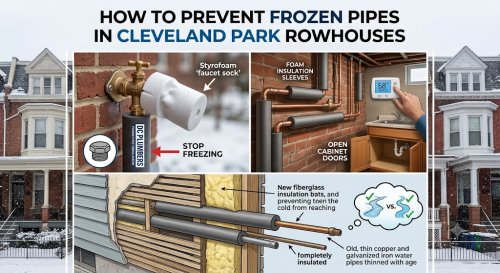
Insulate all water pipes running through unheated spaces like crawlspaces, attics, and exterior garages.
-
Disconnect and drain all garden hoses before the first freezing autumn night in Washington, DC.
-
Keep cabinet doors beneath kitchen and bathroom sinks open during severe winter freezes to let warm air circulate.
-
Let indoor faucets drip very slightly during extreme sub-freezing nights to keep water moving.
-
Install a smart main water shut-off valve that automatically detects abnormal flows and shuts off water.
-
Test your home water pressure regularly and install a pressure-reducing valve if readings exceed 80 PSI.
-
Seal exterior cracks, foundation vents, and window gaps where cold drafts can reach plumbing lines.
-
Drain your water heater tank annually to prevent scale buildup and thermal stress.
-
Schedule a comprehensive plumbing inspection if your home is over 40 years old.
When Should You Call an Emergency Plumber?
A burst pipe is the definition of a plumbing emergency. You should call for professional help immediately if:
-
Active Indoor Flooding: Water is gushing or pooling rapidly across your floors and ceilings.
-
Total Loss of Water Pressure: You suspect a main supply line has ruptured on your property.
-
Electrical Proximity: Water is leaking near electrical outlets, service panels, or overhead light fixtures.
-
Frozen Main Lines: You cannot locate the frozen section or safely thaw the pipe without risking a rupture.
Frequently Asked Questions
-
Why is my water pressure suddenly low?
Low pressure can be caused by sediment-clogged aerators, a partially closed main valve, or a hidden pipe leak.
-
How much does leak detection cost?
Costs vary depending on the diagnostic technology required and whether the leak is underground or inside a wall.
-
Can a clogged drain damage pipes?
Yes. Severe clogs create excessive backpressure that can stress older pipe joints and lead to cracks.
-
Is hydro jetting safe for old pipes?
A licensed plumber will inspect your pipe integrity first; severely degraded historic pipes may require alternative cleaning methods.
-
How do I know if my sewer line is broken?
Signs include multiple slow drains, foul sewage odors in the yard, and gurgling toilets.
-
How long do water heaters last?
Traditional tank water heaters typically last 8 to 12 years, while tankless units can last up to 20 years.
-
Why does my faucet drip?
Dripping faucets are usually caused by worn-out rubber washers, O-rings, or corroded internal valve seats.
-
What causes pipes to burst?
Freezing winter temperatures, extreme internal water pressure, and advanced pipe corrosion are the primary causes.
-
Can plumbing leaks increase my water bill?
Even a slow hidden pipe or toilet leak can waste thousands of gallons monthly, driving up utility bills.
-
When should I replace plumbing instead of repairing it?
If your pipes are past their expected lifespan, show widespread corrosion, or fail repeatedly, complete repiping is more cost-effective.
Why Choose Plumber in Washington DC
When a plumbing emergency threatens your home in Washington, DC, Capitol Hill, Georgetown, Adams Morgan, or surrounding neighborhoods, Plumber in Washington DC is your trusted local expert.
-
Experienced Licensed Plumbers: Certified professionals equipped to handle high-stress emergency repairs safely.
-
Honest Recommendations: Straightforward guidance focused on permanent solutions rather than temporary fixes.
-
Upfront Estimates: Clear pricing with zero hidden fees before any work begins.
-
Fast Response: Rapid emergency dispatch to minimize water damage and protect your property.
-
Quality Workmanship: Strict adherence to district building codes and top industry standards.
-
Local Expertise: Deep understanding of historic DC architecture, regional weather extremes, and municipal infrastructure.