Emergency Plumber Brookland: Main Sewer Backup Guide
Main sewer line backing up in Brookland, DC? Learn immediate emergency steps, root causes, costs, repair methods, and when to call a plumber
What to Do When Your Main Sewer Line Backs Up in Brookland
Few domestic crises match the stress and panic of a main sewer line backup. In Brookland—one of Northeast Washington, DC’s most historic and tree-filled neighborhoods—charming Craftsman bungalows, classic Victorian homes, and solid brick row houses often share underground utility infrastructure that has served properties for over half a century.
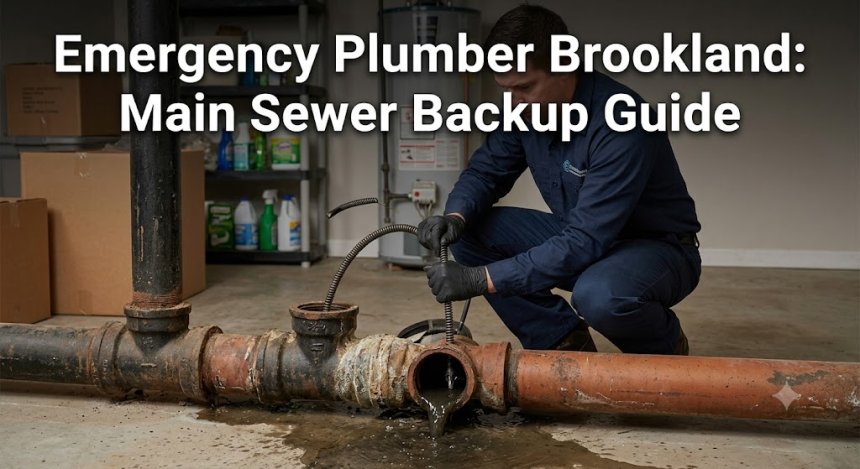
When your main sewer lateral line becomes choked with invasive tree roots, grease buildup, or structural pipe fractures, wastewater has nowhere to go. Every gallon sent down an upper-floor drain travels down the stack, hits the blockage, and surges backward out of your lowest plumbing fixtures—usually basement floor drains, showers, or lower-level toilets.
A main sewer backup is a biohazardous emergency that requires immediate containment and professional expertise. This guide breaks down why sewer backups occur in Brookland, what emergency steps you must take to protect your home, how licensed plumbers repair underground lines, and what costs to expect.
What Is a Main Sewer Line Backup?
A main sewer line backup occurs when an obstruction or structural pipe collapse prevents raw wastewater from exiting your building into the city's main municipal sewer line under the street.
Your property's plumbing system operates like a tree: individual drains from sinks, showers, and toilets act as small branches that empty into a central vertical waste stack (the trunk). This stack connects to a horizontal pipe beneath your basement slab or crawl space, which leads out to the public sewer lateral. When this primary trunk is blocked, wastewater backs up behind the obstruction and fills the pipe network until it finds the lowest open opening.
Common Situations in Brookland
-
Basement Utility Room Overflows: Running a top-floor shower or washing machine forces dirty water to surge out of basement floor drains or laundry sinks near 12th Street NE residences.
-
Whole-House Drain Stoppage: Multiple fixtures across different rooms gurgle, bubble, or drain at a crawl simultaneously.
-
Multi-Family & Rental Suite Hazards: In Brookland row homes converted into basement apartments or student rentals near Catholic University of America (CUA), upper-tenant water usage causes immediate sewage overflows in garden-level living quarters.
Immediate Symptoms
-
Raw sewage or dark, foul-smelling water pooling in basement floor drains or shower stalls.
-
Toilets bubbling, gurgling, or overflowing when kitchen sinks or laundry machines drain.
-
Persistent sewage odor (sulfur or rotten egg smell) spreading from lower-level drains.
-
Water rising in the bathtub when you flush an adjacent toilet.
Why Does This Plumbing Problem Happen in Brookland?
Main sewer line backups in Brookland are rarely caused by a single bad flush. Instead, they are usually the culmination of environmental factors and aging infrastructure common across Ward 5.
1. Infiltration of Invasive Tree Roots
Brookland is famous for its lush canopy of mature oak, maple, and elm trees along streets like Rhode Island Avenue NE and Monroe Street NE. Tree roots possess natural moisture sensors and seek out nutrient-rich water. Older clay (terra-cotta) sewer pipes feature mortar joints every few feet. Over decades, ground movement opens microscopic gaps in these joints, allowing hair-thin root tips to enter. Once inside, roots thrive, expanding into dense, broom-like mats that trap toilet paper, grease, and solids until the line closes completely.
2. Aging Clay (Terra-Cotta) and Cast Iron Pipes
A large percentage of Brookland homes were built between the 1910s and 1950s. Original underground waste lines were built using terra-cotta clay sections or unlined cast iron. Clay pipes are brittle and prone to cracking under soil shifting, while cast iron suffers from internal corrosion ("channeling" and tuberculation) that creates rough, jagged surfaces that snag waste.
3. Fats, Oils, and Grease (FOG) Accumulation
Warm cooking grease poured down kitchen sinks looks like liquid, but as it travels down cold underground sewer pipes, it cools and hardens along pipe walls. Over months, layers of congealed grease narrow the inner diameter of the sewer line, creating stubborn blockages that mechanical snakes struggle to cut through.
4. Pipe Sags, "Bellies," and Ground Settling
Over decades, shifting soil beneath heavy historic foundations can cause sections of underground sewer pipe to sink, creating a low spot or "belly." Water and heavy solids settle in this dip rather than flowing downhill, causing repeated, chronic main line blockages.
5. Mid-Atlantic Rainstorms and Municipal Back-Pressure
During heavy DC rainstorms, combined stormwater and sewer mains under city streets can become temporarily surcharged. Without a functioning backwater prevention valve installed on your home's main sewer line, municipal water can force raw sewage back up into private basements.
Signs You Should Never Ignore
Main sewer lines usually display warning signs before shutting down completely. Spotting these indicators early can prevent full-scale basement flooding:
| Warning Sign | What It Indicates | Danger Level |
| Gurgling Toilets & Floor Drains | Air trapped in main line behind a growing obstruction | High – Main blockage developing |
| Slow Drainage in Multiple Fixtures | Systemic restriction in main lateral line | High – Immediate line inspection needed |
| Sewage Odors near Basement Cleanouts | Sewer gas escaping through cracked pipes or dry traps | Medium – Gas hazard & pipe leak |
| Soggy, Super-Green Spots in Yard | Underground sewer lateral fracture leaking nutrient water | High – Pipe structural collapse risk |
| Water Backing Up in Shower During Laundry | High-volume laundry discharge cannot pass main clog | Critical – Stop all water use immediately |
Common Plumbing Problems Related to Main Sewer Backups
When a main sewer line fails, the damage extends beyond a dirty floor. The pressure and contamination trigger secondary issues throughout the building:
-
Slab and Foundation Wall Erosion: Wastewater escaping from broken underground lateral joints can wash away supporting soil beneath basement concrete slabs, causing floor cracking and foundation settling.
-
Electrical System Hazards: Standing sewage rising in basements can submerge low-lying electrical outlets, water heater controls, and extension cords, creating severe shock and fire hazards.
-
Rotting Subflooring & Drywall Saturation: Highly porous materials like drywall, carpet padding, and wood baseboards rapidly wick up contaminated water, requiring total demolition and structural restoration.
-
Toxic Mold Growth: Biological pollutants and high humidity from standing sewage create ideal conditions for dangerous black mold colonies to form inside 24 to 48 hours.
Step-by-Step Professional Repair Process
When an emergency plumber arrives at your Brookland property during a sewer line emergency, they follow a structured diagnostic and repair protocol:
[Step 1: Site Containment & Safety Assessment]
                       │
                       ▼
[Step 2: High-Definition Video Sewer Camera Inspection]
                       │
                       ▼
[Step 3: Precise Location & Depth Sonde Mapping]
                       │
                       ▼
[Step 4: Main Line Opening (Hydro Jetting or Heavy Snaking)]
                       │
                       ▼
[Step 5: Structural Repair / Trenchless CIPP Pipe Lining]
                       │
                       ▼
[Step 6: Final Camera Verification & Hydrostatic Flow Testing]
                       │
                       ▼
[Step 7: Anti-Microbial Sanitization & Maintenance Advice]
Step 1: Emergency Site Containment
The plumber immediately inspects lower-level flooding, verifies electrical safety, and turns off your main domestic water supply valve if necessary to prevent accidental water usage from making the backup worse.
Step 2: High-Definition Video Camera Inspection
A specialized waterproof HD camera mounted on a flexible push-cable is inserted through a main sewer cleanout port. The plumber inspects the interior of the line in real-time on a digital monitor to pinpoint the exact cause (root masses, grease logs, broken clay, or collapsed pipe sections).
Step 3: Sonde Radio Locating
If a pipe break or severe root intrusion is found, a radio transmitter (sonde) built into the camera head transmits a signal above ground. The plumber uses a digital receiver on your lawn or basement floor to mark the exact location and depth of the problem down to the inch.
Step 4: High-Pressure Hydro Jetting or Mechanical Clearing
-
Heavy Mechanical Snaking: A high-torque machine drives rotating steel blades through the pipe to cut immediate openings through thick root masses and restore basic flow.
-
Commercial Hydro Jetting: Water pressurized up to 4,000 PSI is sprayed through specialized rear-facing nozzles. The water streams scour pipe interior walls clean, washing away congealed grease, scale, and fine root filaments completely out to the city main.
Step 5: Trenchless CIPP Pipe Lining (When Structural Damage Exists)
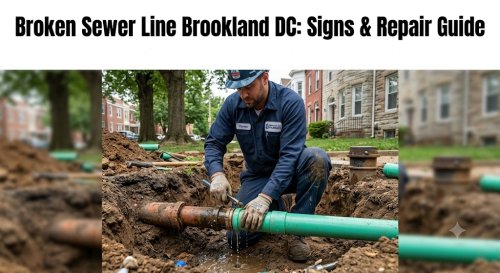
If the sewer camera reveals cracked clay or corroded cast iron, plumbers can perform Cured-In-Place Pipe (CIPP) lining. An epoxy-saturated flexible tube is pulled through the damaged pipe and inflated. Once cured, it forms a seamless, jointless "pipe within a pipe" that resists future root invasion for up to 50 years without digging up lawns or basements.
Step 6: Post-Repair Camera Pass & Testing
A second video camera pass confirms that the line is completely clear, properly sloped, and restored to full capacity.
Can You Fix a Main Sewer Line Backup Yourself?
A main sewer backup is never a DIY project. Because the obstruction is located deep underground or beneath concrete subfloors, rental tools and chemical store products cannot solve the core issue and often make the damage worse.
Safe Emergency Containment Steps Homeowners CAN Take
-
Stop All Water Usage Immediately: Do not flush toilets, run sinks, take showers, or run dishwashers and washing machines. Every drop of water drained anywhere in the house will spill directly out of your basement floor drain.
-
Shut Off Main Water Supply: Turn your main water valve clockwise to prevent household members or tenants from accidentally running water.
-
Evacuate the Flooded Area: Keep children and pets away from standing basement water to avoid exposure to dangerous E. coli, Salmonella, and raw biological pathogens.
-
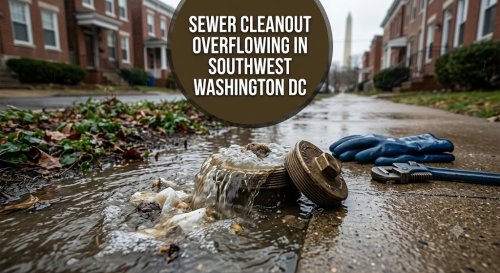
Relieve Pressure Outside (If Equipped): If you have an exterior main cleanout cap in your yard, unscrewing it can allow backed-up wastewater to spill onto the lawn rather than inside your basement.
Dangerous DIY Practices to AVOID
-
NEVER Use Chemical Drain Cleaners: Pouring gallons of caustic acid down a backed-up main line will not dissolve dense tree roots or heavy grease. It will only fill your pipes with dangerous acid, creating extreme chemical burn risks for the plumber who has to clear the line mechanically.
-
NEVER Rent Commercial Drain Snakes Without Training: High-torque sewer cables can kick back violently if they hit a pipe offset, causing severe arm or hand injuries, or snapping off inside underground clay lines—turning a simple clearing job into an expensive excavation.
Advanced Tools Professional Plumbers Use
Resolving underground main line failures accurately requires specialized commercial equipment:
-
HD Video Sewer Camera Systems: Waterproof cameras equipped with self-leveling heads and high-intensity LED lighting to inspect lines up to 200 feet deep.
-
Digital Sonde Locators: Electromagnetic receivers that track camera locations through concrete slabs and deep yard soil to eliminate guess-work digging.
-
Commercial Hydro Jetters: High-GPM (gallons per minute) trailer-mounted water jetting rigs that scrub pipe walls clean without harsh chemicals.
-
Trenchless Inversion Drums: Air-powered drums used to insert structural epoxy liners through existing cleanout access points non-invasively.
-
Hydraulic Pipe Bursting Equipment: Tools that break apart old damaged clay or iron pipes while pulling a brand-new high-density polyethylene (HDPE) pipe into place simultaneously.
How Long Does the Repair Usually Take?
Repair timelines depend on pipe depth, location, and whether structural rebuilding is required:
-
Standard Cable Snaking / Root Removal: 1 to 2 hours.
-
Comprehensive Hydro Jetting & Camera Inspection: 2 to 3 hours.
-
Installing an Exterior Sewer Main Cleanout Access: 4 to 6 hours.
-
Trenchless CIPP Epoxy Pipe Lining: 1 full day (6 to 10 hours).
-
Open-Cut Excavation & Pipe Replacement: 1 to 2 days (includes utility markings and local DC permits).
Cost Factors in Emergency Main Sewer Line Repairs
Understanding the variables that influence overall repair pricing helps property owners make informed decisions during an emergency.
Plumbing repair costs vary depending on the severity of the problem, accessibility, materials required, emergency service, property type, and local labor rates.
Key Cost Factors
-
After-Hours & Weekend Dispatch: Emergency calls at midnight or during holiday weekends involve higher labor rates to support rapid technician dispatch.
-
Cleanout Accessibility: Existing, accessible main sewer cleanouts cut labor time significantly compared to pulling basement toilets or digging down to locate hidden access points.
-
Depth and Location of Underground Piping: Sewer lines buried 8 to 12 feet deep under brick pavers or concrete driveways require far more labor and safety shoring to excavate than lines 3 feet deep under open lawn soil.
-
Repair Technology (Jetting vs Lining vs Excavation): Non-invasive hydro jetting or trenchless pipe lining saves money on hardscape restoration compared to open-trench digging.
-
Municipal Permits and Street Cut Bonds: Replacing main lateral pipes extending under public sidewalks or city streets requires official DC Water permits, traffic control plans, and city inspection fees.
Hidden Truths Homeowners Should Know
-
Small slow drains become expensive main line disasters: Ignoring sluggish drains allows tree roots and grease to build up until the main sewer lateral closes off completely.
-
Cheap temporary fixes always fail: Using small hand snakes only pokes pinholes through main line blockages, guaranteeing another backup days later.
-
Standard home insurance may not cover sewer backups: Basic policies frequently exclude water backup damage unless you carry an explicit Sewer and Drain Backup endorsement rider.
-
Tree roots will repeatedly invade clay pipes until sealed: Clearing roots with a steel snake provides temporary relief; roots grow back through clay joints within months unless the pipe is relined or replaced.
-
Hard water and scale shorten pipe lifespan: Scale buildup inside old cast iron pipes creates rough walls that trap toilet paper and solids repeatedly.
-
DIY mistakes increase total repair costs: Forcing rental snakes down brittle clay pipes can shatter line walls or wedge equipment permanently underground.
-
Delaying repairs causes severe structural damage: Sewage water standing along basement framing or subfloors destroys wood structural integrity and requires costly remediation.
-
Hidden main leaks increase utility bills: Fractured lines allow groundwater to infiltrate your sewer system or wash away supporting soil beneath pathways.
-
Toxic mold develops in 24 to 48 hours: Mold spores colonize damp organic materials like drywall and carpet padding within two days after sewage contact.
-
Annual maintenance saves thousands: Periodic video camera inspections identify minor root intrusions and pipe sags long before they cause a disastrous flood.
15 Common Mistakes Homeowners Make
-
Flushing "Flushable" Wipes: Wipes do not break down like toilet paper and are a leading cause of sewer line blockages.
-
Pouring Grease down Kitchen Sinks: Grease hardens inside cold underground pipes, trapping solids.
-
Ignoring Gurgling Toilets and Drains: Gurgling sounds indicate air trapped behind an expanding main line blockage.
-
Pouring Caustic Chemical Drain Cleaners Down Drains: Chemicals heat up inside pipes without clearing tree roots, risking pipe damage and worker injury.
-
Hiring Unlicensed Handymen for Sewer Line Repairs: Unlicensed contractors lack proper camera equipment, liability insurance, and knowledge of DC plumbing codes.
-
Flushing Paper Towels, Tissues, or Feminine Products: Synthetic fibers snag easily on rough cast iron scale.
-
Planting Large Trees directly over Sewer Laterals: Water-seeking tree species send aggressive roots straight into clay pipe joints.
-
Skipping Backwater Valve Maintenance: Failing to inspect backwater valves leaves lower basement floors vulnerable during rainstorms.
-
Waiting Until After-Hours Emergencies to Address Known Slow Drains: Delaying routine maintenance turns manageable daytime service into costly emergency calls.
-
Over-Tightening Cleanout Plugs: Excessive force strips threads and cracks plastic or brass cleanout caps.
-
Using Incompatible Pipe Materials for Repairs: Joining different pipe materials without proper rubber transition couplings creates immediate leaks.
-
Forgetting to Call 811 Before Landscaping: Digging in yards without utility markings risks damaging gas mains or underground sewer lines.
-
Disposing of Paint or Kitty Litter Down Drains: Clay-based cat litter settles in pipe sags and hardens into concrete-like blockages.
-
Leaving Outdoor Sewer Cleanouts Uncapped: Missing caps allow yard debris, rocks, and stormwater to pour directly into sewer lines.
-
Assuming All Plumbers Have Video Camera & Hydro Jetting Gear: Always confirm that your plumbing provider carries HD cameras and jetting rigs on board.
Practical Maintenance Tips for Clean Sewer Lines
Proactive maintenance keeps main sewer lines clear and prevents sudden basement backups:
Daily Drain Hygiene
-
Never pour cooking grease, fats, or oils down kitchen sinks—collect them in jars and throw them in the trash.
-
Trash all wet wipes, cotton balls, paper towels, and dental floss; flush only organic human waste and toilet paper.
-
Place fine mesh drain strainers in showers and tubs to catch hair and soap scum.
Seasonal & Long-Term Safeguards
-
Spring Camera Inspection: Schedule a video camera sewer line check if your property features mature trees along the yard lateral path.
-
Fall Hydro Jetting Maintenance: Have your sewer line jet-washed every 2 to 3 years to scour away accumulated grease, mineral scale, and fine root tips.
-
Install an Automatic Backwater Valve: Protect basement floor drains from city sewer surcharges by installing a backwater valve on your main waste line.
-
Maintain Basement Sump Pumps: Test basement sump pumps and backup batteries every autumn before winter freeze-thaw cycles begin.
When Should You Call an Emergency Plumber?
Contact an emergency plumber immediately if you encounter any of the following critical conditions:
-
Multiple Fixtures Backing Up Simultaneously: Water rising in lower-level showers, tubs, or floor drains whenever an upper toilet is flushed.
-
Active Sewage Overflowing in Basement: Raw wastewater spilling out of floor drains or lower toilets.
-
Foul Gas Odors in Living Quarters: Persistent sulfur smells spreading through your home.
-
Complete Household Water Blockage: No sinks, toilets, or drains anywhere in the property are discharging water properly.
Frequently Asked Questions
Why is sewage coming up through my basement shower drain?
When your main sewer lateral line is blocked, wastewater from upper floors cannot exit to the city sewer. It flows down to the lowest open drain in the building—typically a basement shower or floor drain—and overflows.
Can tree roots completely ruin a clay sewer line in Brookland?
Yes. Left unaddressed, tree roots expanding inside terra-cotta joints will crack the clay pipes, leading to structural collapse and complete blockage over time.
Is hydro jetting safe for older clay and cast iron sewer pipes?
Yes, provided a licensed plumber performs a video camera inspection first to check structural integrity and adjusts water jetting pressure to safe operating levels.
How do plumbers locate hidden main line clogs without digging up my basement?
Plumbers insert high-definition sewer cameras equipped with radio transmitters through existing cleanout ports to locate underground obstructions accurately from above ground.
Will standard home insurance pay for main sewer line cleaning?
Insurance policies generally cover secondary water damage cleanup if you have a Sewer and Drain Backup endorsement, but routine drain clearing or line replacement due to age is usually excluded.
How often should I have my sewer line camera inspected?
Homes in Brookland with mature trees or original clay and cast iron piping should undergo video sewer inspections every 1 to 2 years.
What is the difference between a drain snake and hydro jetting?
A drain snake uses a rotating steel cable to punch a hole through clogs, whereas hydro jetting uses high-pressure water streams to scrub pipe walls completely clean of grease, scale, and roots.
What should I do if raw sewage backs up onto my basement floor?
Keep family members and pets away from the area, turn off your main water valve, turn off electrical power to the flooded floor at the breaker panel if safe, and call an emergency plumber immediately.
What is trenchless sewer pipe lining (CIPP)?
Trenchless CIPP (Cured-In-Place Pipe) lining inserts an epoxy-saturated sleeve inside your existing damaged sewer pipe, curing into a jointless new pipe without requiring open excavation.
Why does my toilet gurgle when the washing machine drains?
The washing machine pumps out a high volume of water rapidly. A partial restriction in your main waste stack forces trapped air up through nearby toilet traps, causing gurgling sounds.
Why Choose plumber in Washington DC?
When dealing with a main sewer backup in Brookland or surrounding Ward 5 neighborhoods, you need a local plumbing team that responds rapidly with modern diagnostic technology.
At plumber in Washington DC, we deliver trustworthy, expert emergency plumbing services tailored to historic homes and modern properties across Washington, DC, including Brookland, Michigan Park, Woodridge, Edgewood, Fort Totten, University Heights, and Eckington.
-
Brookland & Ward 5 Infrastructure Expertise: We understand the unique clay lateral setups, historic row home configurations, and tree-root challenges common across DC.
-
24/7 Emergency Dispatch: Our emergency response technicians are on call around the clock to stop sewage backups and protect your property from water damage.
-
Upfront Transparent Pricing: We provide clear camera diagnostic evaluations and itemized flat-rate quotes before any work begins—no hidden fees.
-
Advanced Non-Invasive Equipment: We utilize HD video camera systems, commercial hydro jetters, and trenchless CIPP repair equipment to clear and restore pipes cleanly.
-
Licensed & Insured Plumbing Professionals: Our team is fully certified, bonded, and committed to high workmanship standards and site cleanliness.