Broken Sewer Line Brookland DC: Signs & Repair Guide
Suspect a broken sewer line in Brookland, DC? Discover key warning signs, root causes, camera diagnostics, costs, and expert repair options.
How to Tell If a Sewer Line Is Broken in Brookland, Washington DC
Brookland is one of Washington, DC’s most historic and charming neighborhoods. Known for its tree-lined residential streets, classic 1920s Craftsman bungalows, and Victorian-era homes around 12th Street NE and Catholic University, Brookland’s properties possess undeniable character. However, beneath these beautiful properties lies an aging underground plumbing infrastructure that many homeowners rarely think about—until a severe drainage crisis occurs.
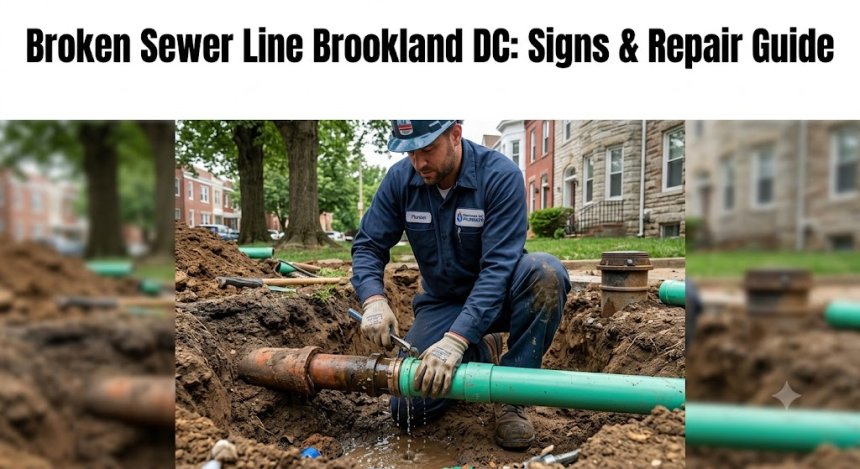
A broken sewer line is one of the most stressful and costly plumbing emergencies a property owner can face. Because sewer laterals run underground between your home’s foundation and the DC Water municipal main beneath the street, damage develops quietly over time. What begins as a minor crack or slow root intrusion can quickly transform into raw sewage backing up into your basement or a sunken lawn pit near your front porch.
Recognizing early warning signs gives you the power to act before structural damage, toxic mold, or expensive surface restoration takes over. This practical guide covers everything you need to know about spotting a broken sewer line in Brookland, understanding why local pipes fail, evaluating repair options, and choosing the right licensed local plumber to restore your home safely.
What Is a Broken Sewer Line?
Your main sewer line (also called a sewer lateral) is the primary underground pipe responsible for carrying all wastewater—from toilets, sinks, showers, and laundry machines—away from your home and into the city's main sewer system.
A broken sewer line occurs when this underground pipe suffers structural failure. This can range from hairline fractures and displaced pipe joints to severe crushed sections, complete pipe collapses, or heavy root blockages that breach the pipe wall.
                   [Main Sewer Lateral System]
                               │
    ┌──────────────────────────┴──────────────────────────┐
    ▼                                                     ▼
[Home Plumbing Fixtures]                       [DC Water Main]
Toilets, Sinks, Showers                         City Collector Pipe
    │                                                     ▲
    └───► [Underground Main Lateral Pipe] ───────────────┘
          (Vulnerable to Roots, Cracks, & Collapses)
Common Situations in Brookland Homes
-
Terra Cotta Pipe Fractures: Historic homes in Northeast DC frequently rely on original vitrified clay or terra cotta sewer laterals installed 70 to 100 years ago. Clay pipes become brittle with age and crack under ground pressure.
-
Root Invasion at Pipe Joints: Older clay and cast iron pipe sections were connected using mortar seals that break down over time. Deep roots from mature neighborhood oak and maple trees enter these gaps seeking water.
-
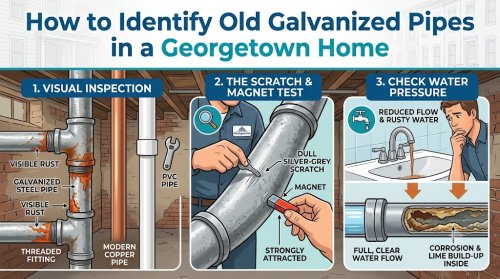
Cast Iron Bottom Scale & Rot: Early-to-mid 20th-century homes with cast iron main lines often experience bottom channel corrosion, where the base of the pipe rusts away entirely, allowing waste to soak into the soil underneath.
Primary Symptoms of a Sewer Line Structural Failure
-
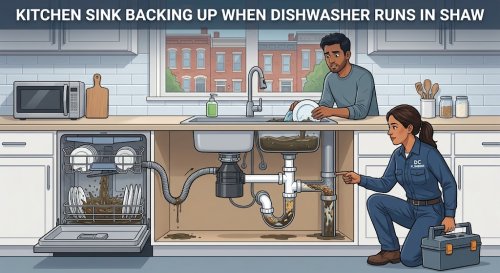
Multiple drains backing up simultaneously across lower levels of the house.
-
Foul, sulfur-like sewer gas smells coming from floor drains, yards, or basements.
-
Gurgling sounds from toilets when running washing machines or bathroom sinks.
-
Patches of abnormally bright green, lush grass growing in concentrated lawn areas.
-
Indentations, soggy patches, or sinking pavers along front entry walkways or yards.
Why Does This Plumbing Problem Happen in Brookland, DC?
Understanding why sewer lines break specifically in Brookland helps homeowners identify risks early and plan preventative care.
1. Aging Infrastructure and Legacy Materials
Much of Brookland’s housing stock was built during the early-to-mid 20th century. During this era, terra cotta clay and cast iron were standard sewer line materials. Terra cotta is highly susceptible to cracking under earth movement, while cast iron experiences severe interior corrosion and tuberculation over 50+ years of constant exposure to wastewater.
2. Mature Tree Canopy and Root Intrusion
Brookland is celebrated for its dense, mature tree canopy. Tree roots naturally seek out moisture, oxygen, and nutrients underground. Microscopic cracks or loose pipe joints release moisture vapors into the surrounding soil. Tree roots grow toward this moisture, enter through hairline gaps, and expand inside the pipe, acting like a net that catches toilet paper and debris until the pipe ruptures.
3. Soil Shifting and Ground Vibrations
The Mid-Atlantic region features clay-heavy soil that swells when wet and shrinks when dry. This continuous expansion and contraction places immense physical stress on rigid underground pipes. Furthermore, proximity to busy transit corridors like Rhode Island Avenue NE, Michigan Avenue NE, and nearby CSX rail lines creates subtle, continuous ground vibrations that accelerate pipe joint displacement over decades.
4. Heavy Rainfall and Saturated Ground Water
Washington, DC frequently experiences heavy summer thunderstorms and rapid winter snowmelts. Excess groundwater increases hydrostatic pressure around underground pipes. If a pipe already has structural weaknesses, saturated surrounding soil can cause the pipe to collapse inward or sink, creating a pipe "belly" where waste sits and collects.
Signs You Should Never Ignore
Plumbing systems usually display clear warning signals long before complete sewer line failure occurs. Spotting these signs saves thousands in emergency restoration:
| Warning Indicator | What It Indicates | Recommended Action |
| Sewer Gas Odors Inside or Outside | A crack or gap in the sewer lateral is letting toxic sewer gas escape | Schedule an immediate camera inspection |
| Frequent Multi-Fixture Backups | Main sewer lateral obstruction or structural pipe collapse | Stop water usage and call a professional plumber |
| Unusually Green, Lush Lawn Spots | Leaking wastewater acts as fertilizer for lawn grass above the pipe | Inspect main drain line underground |
| Indented Lawn or Sinking Pavers | Escaping sewage is washing away underground soil structure | Isolate main sewer line; avoid walking on sinkhole |
| Gurgling Toilets & Floor Drains | Trapped air pockets caused by a choked main waste pipe | Avoid flushing; perform drain camera diagnostic |
| Mold Growth on Basement Walls | Wastewater leaking beneath basement floor raising interior humidity | Inspect foundation slab and sewer line entry |
Common Plumbing Problems Related to a Broken Sewer Line
A broken main sewer lateral rarely remains an isolated problem. Left unaddressed, it creates a cascade of related plumbing and structural issues throughout your property:
-
Sewer Backups into Finished Basements: Raw sewage pushing up through basement floor drains, showers, and low-lying toilets damages flooring, drywall, and personal property.
-
Foundation Erosion and Slab Cracks: Escaping wastewater washes away supporting dirt underneath concrete foundation slabs and brick footings, leading to structural settling.
-
Persistent Fruit Fly and Pest Infestations: Drain flies, sewer roaches, and rodents are attracted to sewage leaks beneath foundation walls and yards, entering living areas through pipe cracks.
-
Structural Mold and Environmental Hazards: Continuous moisture beneath basement floors breeds toxic black mold inside wall cavities within 24 to 48 hours.
Step-by-Step Professional Repair Process
When you call plumber in Washington DC to handle a suspected broken sewer line in Brookland, our licensed technicians follow a precise, structured diagnostic and repair protocol:
[Step 1: Emergency Flow Control & Site Evaluation]
                           │
                           ▼
[Step 2: High-Definition Fiber-Optic Camera Inspection]
                           │
                           ▼
[Step 3: Precision Line Location & Depth Mapping]
                           │
                           ▼
[Step 4: Upfront Honest Estimate & Repair Strategy]
                           │
                           ▼
[Step 5: Trenchless Lining / Pipe Bursting / Excavation]
                           │
                           ▼
[Step 6: Post-Repair Camera Testing & Flow Verification]
                           │
                           ▼
[Step 7: Site Restoration & Preventative Guidance]
Step 1: Inspection and Isolation
The plumber conducts an initial site assessment, locates existing cleanout ports, and halts water usage to prevent further flooding.
Step 2: High-Definition Fiber-Optic Camera Diagnosis
A waterproof HD camera equipped with a location sonde is guided through the entire sewer line. Real-time video displays the exact location of cracks, collapses, root masses, or pipe sags.
Step 3: Precision Depth & Line Mapping
Using an electromagnetic locator on the surface, the technician marks the exact ground position and depth of the damaged pipe section in your yard or basement.
Step 4: Transparent Estimate
The plumber presents a detailed, itemized proposal explaining repair options—such as non-invasive trenchless CIPP (Cured-In-Place Pipe) lining, trenchless pipe bursting, or traditional open-trench excavation.
Step 5: Execution of Repair
-
Trenchless Pipe Lining (CIPP): An epoxy-saturated liner is inserted into the existing pipe, inflated, and cured, creating a seamless "pipe within a pipe" without digging up your entire lawn.
-
Trenchless Pipe Bursting: A hydraulic bursting head breaks apart the old pipe while simultaneously pulling a new, seamless High-Density Polyethylene (HDPE) pipe into place.
-
Traditional Excavation: Used when pipes are severely collapsed or back-pitched, involving targeted digging to replace structural pipe sections.
Step 6: Post-Repair Flow Testing & Cleanup
The technician re-inserts the camera to verify seamless connections, performs flow tests, and cleans and sanitizes the work site thoroughly.
Can You Fix It Yourself?
Repairing or unblocking a main sewer line is never a safe or effective DIY project. Underground sewer laterals operate under strict municipal codes and physical slope angles that require specialized heavy equipment and professional licensing.
Safe Actions Homeowners Can Take
-
Stop using all water fixtures (washing machines, dishwashers, showers, and toilets) immediately upon noticing a backup.
-
Locate your exterior main sewer cleanout cap (usually a white or black PVC cap or brass plug near the front foundation wall).
-
Keep family members and pets away from standing wastewater or soggy yard patches.
Dangerous DIY Pitfalls
-
Chemical Drain Cleaners: Pouring chemical drain openers down a main line backup will not clear tree roots or collapsed clay pipes. These harsh chemicals sit in stagnant wastewater, eating through cast iron pipes and creating chemical burn hazards for plumbers.
-
Renting Heavy Power Augers Without Experience: Commercial sewer snakes operate with immense torque. Inexperienced users risk snapping the steel cable inside an underground pipe or causing the cable to whip back, causing severe physical injury.
-
Digging Without Calling 811: Excavating yards without official utility line markings risks striking underground high-voltage electrical lines, gas mains, or fiber-optic cables.
Tools Professional Plumbers Use
Modern sewer repairs require advanced technical equipment to diagnose and repair underground lines accurately without unnecessary property destruction:
-
HD Fiber-Optic Sewer Cameras: Self-leveling color cameras with digital footage recording that reveal pipe cracks, offset joints, and root blockages.
-
Radio-Sonde Locators: Transmitters attached to camera heads that communicate with surface receivers to pinpoint exact pipe depth and position down to the inch.
-
Industrial Hydro-Jetters: High-pressure water scouring units operating at up to 4,000 PSI to strip grease, scale, and heavy tree roots clean off pipe walls.
-
Trenchless Inversion Drums & Curing Equipment: Equipment used to insert and cure epoxy-resin liners inside damaged underground sewer pipes smoothly.
How Long Does the Repair Usually Take?
Repair timelines depend on the extent of pipe damage, location depth, and repair method selected:
-
Sewer Camera Inspection & Diagnostic Location: 1 to 2 hours.
-
Hydro-Jetting & Heavy Mechanical Root Removal: 2 to 3 hours.
-
Trenchless Pipe Lining (CIPP): 4 to 8 hours (typically completed in a single day).
-
Trenchless Pipe Bursting Replacement: 1 day.
-
Deep Open-Trench Excavation & Replacement: 1 to 3 days (depending on depth, soil stability, and weather conditions).
Cost Factors in Sewer Line Repair
Understanding what influences overall repair costs empowers property owners to make well-informed decisions.
Plumbing repair costs vary depending on the severity of the problem, accessibility, materials required, emergency service, property type, and local labor rates.
Primary Cost Drivers
-
Diagnostic and Camera Inspection Fees: Initial video inspections and underground mapping setup.
-
Depth and Pipe Accessibility: Sewer lines buried 3 feet beneath a lawn are much simpler to access than lines buried 10 feet deep under concrete basements or paved entry walkways.
-
Repair Method (Trenchless vs. Excavation): Trenchless lining saves thousands in landscape, walkway, and porch restoration costs compared to open-trench digging.
-
Pipe Length and Materials: The linear footage of pipe requiring lining or replacement using heavy-duty HDPE or PVC materials.
-
District of Columbia Public Space Permits: If repair work extends past the property line under public sidewalks or street pavement, municipal permits and traffic control plans from DDOT/DC Water are required.
Hidden Truths Homeowners Should Know
-
Small cracks become full pipe collapses: A hairline crack in an old clay sewer pipe will slowly wash away supporting soil, eventually causing the pipe to buckle under earth weight.
-
Chemical drain cleaners do not destroy tree roots: Off-the-shelf chemicals pass right by solid root masses, damaging metal pipes while leaving the obstruction intact.
-
Standard home insurance rarely covers sewer lines: Standard homeowners policies generally exclude gradual sewer line wear or root damage unless you have added a specific "Sewer and Drain Backup Rider."
-
Tree roots will keep returning without structural seals: Clearing roots with a drain snake provides temporary relief; roots will grow back thicker within 6 to 12 months unless the pipe is relined or replaced.
-
DIY mistakes significantly increase total repair bills: Stuck rental auger cables or broken pipe walls during amateur attempts turn minor spot repairs into full line replacements.
-
Delaying repairs leads to costly foundation damage: Escaping wastewater eroding soil under brick footings can cause structural settling that costs thousands to underpin.
-
Hidden leaks drive up utility bills: Continuous water loss from supply lines or compromised waste drains increases monthly utility expenses silently.
-
Mold colonizes damp basements within 24 hours: Wastewater seepage under basement flooring creates an ideal environment for toxic mold growth almost immediately.
-
Annual maintenance saves thousands over time: Scheduling routine camera inspections catches minor root intrusion and pipe scale before catastrophic backups occur.
-
Cheap temporary fixes fail under load: Spot-patching aging clay lines usually pushes pipe pressure to the next weak joint, causing another break nearby soon after.
15 Common Mistakes Homeowners Make
-
Ignoring Slow Drains Across Multiple Fixtures: Assuming a slow basement drain is just a minor clog rather than a main line obstruction.
-
Flushing "Flushable" Wipes Down Toilets: Flushing synthetic wipes that snag on root masses and choke main sewer pipes.
-
Pouring Cooking Fats and Grease Down Sinks: Allowing warm grease to solidify inside cold underground main lines.
-
Using Caustic Drain Cleaning Chemicals: Corroding aging cast iron pipes and endangering plumbers servicing the line.
-
Continuing to Run Water During a Backup: Forcing gallons of wastewater into overloaded drain lines and flooding living areas.
-
Hiring Unlicensed Handymen for Underground Work: Choosing uncertified labor lacking liability coverage and knowledge of DC plumbing codes.
-
Renting Heavy Drain Equipment Without Training: Risking severe personal injury and damaging fragile terra cotta pipes.
-
Digging Yards Without Contacting Miss Utility (811): Excavating near buried gas, electric, or telecommunication lines dangerously.
-
Skipping Routine Camera Inspections in Older Homes: Neglecting diagnostic checks on historic properties with legacy clay plumbing.
-
Planting Deep-Rooted Trees Near Sewer Laterals: Placing willow, oak, or maple trees directly over underground pipe paths.
-
Assuming Insurance Automatically Covers Replacement: Failing to review policy details regarding underground utility line riders.
-
Selecting the Cheapest Quote Using Outdated Materials: Choosing low-quality spot patches instead of long-term trenchless lining.
-
Waiting for Raw Sewage to Surface Before Acting: Postponing service until emergency flooding causes severe property damage.
-
Over-Tightening or Cross-Threading Cleanout Caps: Damaging plastic cleanout threads, preventing tight seals during future access.
-
Misinterpreting Sewage Odors as "Sump Pump Smell": Ignoring sulfur gas odors escaping from cracked main drain stacks.
Practical Maintenance Tips to Prevent Sewer Line Damage
Proactive drain habits keep your Brookland home’s sewer line operating smoothly for decades:
Everyday Best Practices
-
Enforce the "3 Ps" Rule: Flush only Paper, Poo, and Pee down toilets. Dispose of wipes, paper towels, and feminine hygiene products in trash cans.
-
Collect Kitchen Grease in Containers: Allow cooking oils and fats to cool in jars before throwing them in the trash—never pour them down kitchen drains.
-
Use Mesh Drain Strainers: Catch hair, food scraps, and soap scum at sink and shower drains before waste enters main lines.
Seasonal & Long-Term Care
-
Schedule Annual Hydro-Jetting for Root Control: If you have mature trees in your front yard, schedule routine hydro-jetting to clear fine root tendrils before they form dense masses.
-
Apply Bio-Enzymatic Drain Treatments Monthly: Use natural enzymatic cleaners that digest organic buildup along pipe walls without harming metal or clay pipes.
-
Inspect Exterior Cleanouts Every Autumn: Ensure your outdoor main cleanout cap is securely closed and undamaged before winter frost arrives.
-
Schedule Camera Inspections Every 2 Years: Have a licensed plumber run a camera through your main lateral every couple of years to monitor pipe condition and detect early shifting.
When Should You Call an Emergency Plumber?
Call an emergency plumber immediately if you observe any of these critical conditions:
-
Raw Sewage Surfacing in Living Spaces: Sewage actively backing up through basement floor drains, showers, or toilets.
-
Multiple Fixture Clogs: Every toilet, sink, and shower in the house backing up at the same time.
-
Strong Sewer Gas Smells indoors: Overwhelming sulfur or rotten-egg odors filling basements or living rooms.
-
Sudden Yard Sinkholes: Visible ground depressions forming along the path between your house foundation and the street.
Frequently Asked Questions
How do I know if my sewer line is broken?
Common signs include multiple fixture backups, sewer gas odors in your yard or basement, gurgling toilets, unusually green lawn patches, and sinkholes in your yard.
Is hydro jetting safe for old clay sewer pipes in Brookland?
Yes, when performed by an experienced licensed plumber who verifies pipe stability with a camera inspection beforehand. Hydro-jetting safely scours roots and debris without damaging sound clay pipe walls.
Does homeowners insurance cover a broken sewer line?
Standard home insurance generally covers sudden accidental backups if you have a "Sewer and Drain Backup" rider, but usually excludes gradual wear and tear or tree root damage to underground pipes unless utility line coverage was purchased.
What is trenchless sewer repair and how does it work?
Trenchless sewer repair replaces or relines your existing underground pipe using small entry access points, avoiding the need to dig up your entire lawn, driveway, or garden.
Can tree roots completely ruin a sewer line?
Yes. Over time, expanding roots break pipe joints, crush terra cotta walls, and block wastewater flow completely, requiring structural pipe replacement.
How long does a sewer line camera inspection take?
A standard camera inspection takes between 45 minutes and 2 hours, providing real-time video footage of your pipe’s interior condition.
What causes a sewer line to collapse?
Sewer lines collapse due to advanced pipe age, soil shifting, heavy surface traffic vibrations, severe root invasion, and long-term interior pipe corrosion.
Why does my yard smell like sewage after it rains?
Heavy rainfall saturates ground soil, forcing trapped sewer gases out of underground pipe cracks and up through the lawn surface.
How long do trenchless pipe liners last?
Modern cured-in-place epoxy pipe liners (CIPP) are engineered to last 50+ years, resisting future root intrusion and pipe corrosion.
When should I replace my sewer line instead of repairing it?
If a camera inspection shows multiple pipe collapses, severe back-pitching, or widespread structural cracking along more than 50% of the line, complete replacement is more cost-effective than repeated spot repairs.
Why Choose plumber in Washington DC?
When you face a sewer line emergency or suspect a hidden pipe breach in Brookland, you need a responsive, highly experienced local team.
At plumber in Washington DC, we provide rapid, expert sewer line diagnostics and repairs tailored to historic homes, row houses, and modern properties throughout Brookland, Woodridge, Edgewood, Michigan Park, University Heights, and surrounding Ward 5 neighborhoods.
-
Local DC Plumbing Expertise: We possess deep experience with Brookland’s unique clay and cast iron sewer infrastructure, local DC Water connections, and municipal permitting processes.
-
24/7 Emergency Dispatch: Our emergency plumbers are available around the clock to respond swiftly to raw sewage backups and main line emergencies.
-
Upfront Transparent Estimates: We perform clear camera diagnostics and provide honest, upfront pricing before any repair work begins—no surprise fees.
-
Advanced Trenchless Technology: We utilize non-invasive CIPP pipe lining and pipe bursting equipment to repair your sewer line while protecting your landscape and walkways.
-
Fully Licensed and Insured: All work is executed by licensed plumbers in compliance with District of Columbia plumbing codes, backed by quality warranties.