Signs of a Plumbing Vent Problem in a Washington DC Home
Learn the symptoms of a plumbing vent problem in your Washington DC home, from slow drains to sewer odors, and how these vital vent systems function.

Understanding Your Home Plumbing Vent System
When most people think about their home plumbing, they picture water flowing out of faucets or waste disappearing down drains. However, an entirely hidden network operates right alongside your water supply and drainage pipes: the plumbing vent system. Without this system working correctly, even a brand-new plumbing installation will fail to drain properly. Understanding how these vents work is the first step in recognizing when something is wrong.
Every time a toilet flushes or a bathtub empties, a large volume of water rushes down your drain pipes. As this water moves downward, it pushes air ahead of it and creates a vacuum behind it. If that vacuum is not broken by incoming air from an open atmospheric vent, the rushing water will suck the water right out of nearby trap seals—those curved sections of pipe located directly beneath sinks, tubs, and floor drains. These water traps are your home's only barrier against sewer gases entering your living space. Plumbing vents run upward from your drain lines, typically penetrating the roof or tying into a main stack, to equalize air pressure and safely exhaust sewer gases outside.
In various properties across Washington, DC, ranging from historic rowhouses with aging cast iron stacks to modern multi-story condominiums, plumbing vent configurations vary significantly. Yet the underlying physics remain identical. When a vent becomes blocked, restricted, or damaged, the entire drainage network begins to malfunction in distinct ways.
Key Symptoms of a Plumbing Vent Problem
Plumbing vent issues rarely announce themselves with a sudden flood. Instead, they present as unusual behavioral quirks in your fixtures and drainage lines. Recognizing these early signs can prevent minor ventilation restrictions from escalating into major household disruptions.
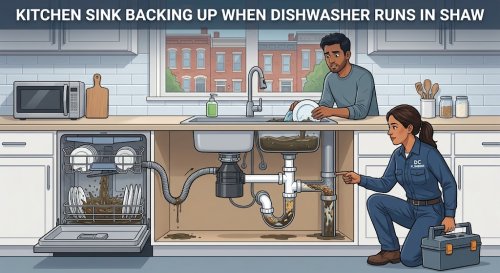
- Gurgling Drains: If your kitchen sink gurgles when the washing machine drains, or your toilet bubbles when the bathtub empties, it usually indicates that air is trying to escape backward through the water traps because the vent stack is partially blocked.
- Slow Drainage Across Multiple Fixtures: While a single clogged sink is usually blocked by hair or grease at the trap, simultaneous slow draining across multiple fixtures on the same floor often points to a shared restriction in the branch or main vent.
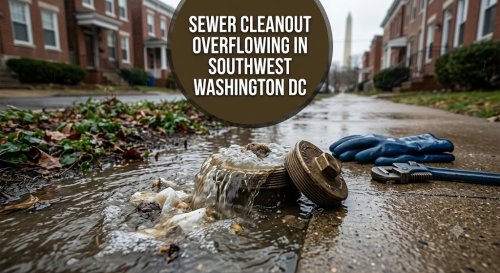
- Foul Sewer Odors: An intermittent or persistent smell resembling sulfur or raw sewage inside the house often means that trap seals have been sucked dry or that a vent pipe has cracked or disconnected behind a wall or in an attic.
- Sluggish or Irregular Toilet Flushes: When a toilet flushes sluggishly or the water level in the bowl fluctuates wildly without an apparent clog in the bowl itself, air pressure imbalances in the vent system are frequently the culprit.
- Whistling or Groaning Noises: As water forces its way past a restricted air path, it can create whistling, thumping, or groaning sounds within the walls or near the ceiling line.
Common Causes of Vent Blockages and Failures
Plumbing vents extend upward and out through the roof, exposing them to environmental elements and external debris. Understanding what causes these restrictions helps clarify why symptoms appear.
External debris is one of the most frequent culprits. Leaves, twigs, bird nests, tennis balls, and even dead animals can fall into or block open roof vent stacks. In older Washington, DC neighborhoods with mature tree canopies, windstorms frequently drive organic debris down into exposed vent openings.
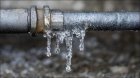
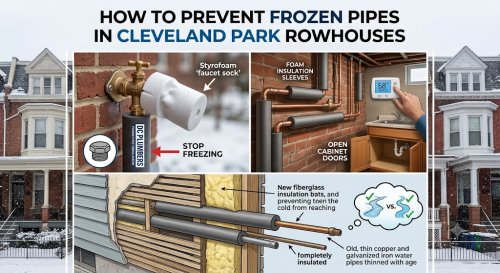
In freezing winter conditions, condensation rising from warm household plumbing can freeze around the top opening of a roof vent pipe during prolonged sub-freezing temperatures. This creates a frost collar that progressively thickens until the vent is completely sealed off by ice, temporarily halting all air intake until external temperatures rise or the frost is safely thawed.
Structural shifts, settling foundations, or poorly supported piping in attics and crawl spaces can cause horizontal vent lines to sag. When a vent sags, it develops a low point where condensation, rainwater, or debris accumulates, creating a water dam that blocks airflow just as effectively as a physical object.
Additionally, improper previous remodeling work or unauthorized DIY plumbing additions can compromise venting integrity. Connecting too many fixtures to an undersized vent or failing to tie new branch vents into the main stack creates chronic pressure deficits.
Diagnostic Clues: Vent Problem vs. Drain Clog
Homeowners often mistake a vent restriction for a simple localized drain clog, leading to repeated, ineffective attempts to clear pipes with liquid drain cleaners or hand augers. Distinguishing between the two requires observing how the entire plumbing system reacts.
A localized drain clog affects only one specific fixture. If your bathroom sink is plugged, but the shower right next to it drains instantly and quietly, the issue is isolated to that sink's trap or branch arm. Conversely, if your bathroom sink drains slowly, and flushing your toilet causes water to bubble up into that same sink, the problem is systemic rather than local. Systemic drainage issues almost always trace back to either a main drain blockage or a plumbing vent failure.
Furthermore, if chemical drain cleaners temporarily improve drainage but the gurgling and slow flow return within days, the underlying obstruction is likely not a grease or hair clog inside the pipe, but rather an ongoing vacuum issue caused by a blocked vent that prevents stable water flow.
What Homeowners Can Safely Check
While major vent repairs require specialized equipment and roof access, property owners can perform several safe, non-invasive observations to gather helpful diagnostic information.
- Observe Fixture Interaction: Test whether running water in one fixture affects the water level or drainage speed in another nearby fixture. Note if multiple rooms are involved.
- Inspect Accessible P-Traps and Cleanouts: Check under sinks to ensure that traps are intact and that auxiliary air admittance valves (if installed under local code allowances in specific remodeling situations) are functioning and not stuck closed.
- Check the Roof Line Visually from the Ground: Using binoculars from a safe vantage point on the ground, look at roof vent stacks to see if bird nests, heavy debris, or visible caps are obstructing the opening. Never climb onto a wet, icy, or steep roof to inspect or clear vents yourself.
- Note Odor Patterns: Pay attention to whether sewer smells worsen after heavy rain, high winds, or when certain plumbing appliances operate, as this provides valuable clues for a qualified service technician.
What NOT to Do
Attempting incorrect troubleshooting steps on plumbing vents can create safety hazards or cause structural damage.
Do not climb onto slippery, steep, or icy roofs to inspect or snake vent stacks. Falls from roofs are a leading cause of severe residential injury.
Do not drop heavy stones, metal rods, or tools down roof vents in an attempt to break up a clog. You can easily crack older cast iron or brittle PVC pipes inside the wall cavity, turning a simple vent blockage into a major hidden water or sewer leak.
Do not pour chemical drain openers into vents or use them repeatedly to solve gurgling issues. These chemicals are designed for standing water in localized traps and will not clear an overhead ventilation obstruction; instead, they risk splashing back dangerously.
Professional Diagnostic Methods and Repair Options
When a plumbing vent problem is confirmed, professional plumbers utilize specialized techniques to locate and resolve the restriction accurately.
A professional diagnosis often begins with a thorough inspection of all affected fixtures and a rooftop examination of the vent stacks. If debris or ice is suspected, plumbers use specialized motorized vent snakes, high-pressure flushing equipment, or safe thermal methods to clear the stack from above or below.
In complex cases—such as sagged vent lines hidden inside walls or ceilings of older multi-story homes and rowhouses—technicians may deploy a specialized drain camera equipped with a sonde (radio transmitter). While cameras are most commonly used in sewer lines, specialized push cameras can sometimes navigate accessible vent branches to identify structural breaks, misalignments, or improper grading.
Repair options depend entirely on the root cause:
- Clearing Debris: Removing nests, leaves, or ice accumulations from the roof termination point.
- Correcting Pipe Grading: Adjusting hangers and supports in attics or basements to eliminate sagging horizontal vent sections that trap condensation.
- Extending or Upgrading Stacks: In older properties where original vent pipes were undersized or improperly routed during past renovations, sections may need to be resized and reconfigured to meet current building performance standards.
Cost Factors for Vent Repairs
Plumbing vent repair costs vary widely based on several practical factors rather than a flat-rate price schedule. Understanding these factors helps explain why estimates differ:
- Accessibility: A vent blockage that can be cleared easily from an accessible roof opening involves minimal labor compared to a sagging pipe hidden behind finished drywall or plaster ceilings.
- Building Architecture: Multi-story rowhouses, homes with steep slate or tile roofs, and commercial buildings require specialized safety equipment, ladders, or scaffolding, which influences labor time.
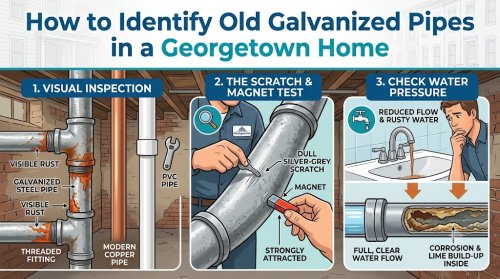
- Pipe Material and Condition: Working with fragile older materials—such as vintage cast iron or deteriorated galvanized steel common in historic urban housing stock—requires careful handling to avoid fracturing adjacent plumbing components.
- Extent of Modification: Simple debris removal is relatively straightforward, whereas cutting into walls to replace misaligned or corroded vent branches involves significantly more labor and subsequent surface restoration.
Frequently Asked Questions
Can a plumbing vent problem cause my toilet to bubble?
Yes. When a vent stack is blocked, flushing a toilet forces air down the drainage pipe ahead of the water. Because this air cannot escape upward through the roof vent, it pushes backward through the nearest available water trap, causing toilets, bathtubs, or floor drains to bubble.
Why do I only smell sewer gas when it rains?
Heavy rainfall can saturate organic debris resting inside an open roof vent, compressing the blockage tighter or temporarily sealing the pipe. Additionally, low barometric pressure associated with storms can draw sewer gases upward out of unvented or poorly trapped lines more easily.
Are plumbing vents required by building codes?
Yes. Every plumbing fixture connected to a drainage system must be properly vented under standard building codes. Vents protect trap seals from siphonage and ensure that sewer gases safely vent outdoors rather than accumulating inside living areas.
Can I use an air admittance valve instead of fixing a blocked roof vent?
Air admittance valves (AAVs) allow air to enter the plumbing system when negative pressure occurs, but they only open inward and cannot exhaust sewer gases. Furthermore, local building codes regulate where and when AAVs are permitted, meaning they cannot always replace a primary roof vent stack.
How often should plumbing vents be inspected?
There is no strict calendar schedule for vent inspections, but property owners should check roof terminations after major severe weather events, heavy autumn leaf fall, or if multiple fixtures begin draining sluggishly or gurgling.
Can frozen vent pipes burst like water supply lines?
No. Plumbing vent pipes carry air and sewer gases, not pressurized water. While ice can completely block the vent and cause temporary drainage issues, the ice inside a vent pipe generally does not exert the same destructive internal hydraulic pressure required to burst a pressurized supply pipe.