Water Heater Repair vs Replacement: Homeowner’s Guide
Wondering if your water heater needs repair or replacement? Discover warning signs, lifespan benchmarks, cost factors, and expert plumbing advice.
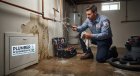
Waking up to an ice-cold shower or discovering a pool of water in your basement is one of the most frustrating experiences a homeowner or property manager can face. Hot water is an essential utility for modern living, vital for sanitizing dishes, washing laundry, bathing, and running daily commercial operations.
Water heaters operate continuously under high pressure, constant thermal expansion, and regular exposure to corrosive minerals. Over time, internal components wear down, sediment accumulates, and metal tanks weaken. Homeowners often find themselves at a critical crossroads: Should you invest in a repair, or is it time for a full water heater replacement? Making the wrong decision can result in recurring repair bills, spiked energy consumption, or catastrophic water damage that ruins flooring, drywall, and personal property.
What Is the Water Heater Repair vs. Replacement Dilemma?
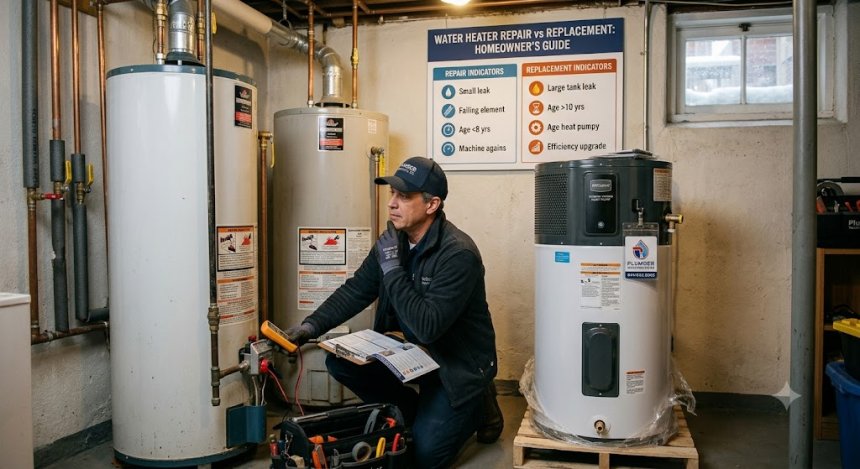
The repair versus replacement decision hinges on balancing the age of your unit, the cost of current repairs, and the remaining expected efficiency of the appliance.
-
Water Heater Repair: Involves replacing worn-out modular components—such as thermostats, heating elements, sacrificial anode rods, gas control valves, or temperature and pressure (T&P) relief valves—while keeping the main tank and plumbing structure intact.
-
Water Heater Replacement: Entails removing the old, compromised unit and installing a brand-new storage tank or tankless system that meets modern energy-efficiency and regional building code standards.
+------------------------+-------------------------------------------------------+
| Decision Factor        | Repair                                                | Replacement                                           |
+------------------------+-------------------------------------------------------+
| Unit Age               | Under 8–10 years old                                  | Over 10–12 years old (or 15+ for tankless)            |
| Cost Rule              | Repair cost is less than 50% of a new installation    | Repair exceeds 50% of replacement cost                |
| Primary Failure        | Electrical components, valves, or burner assemblies   | Fractured internal tank or persistent structural leak |
| Energy Performance     | Minimal change in baseline monthly bills              | Noticeable, compounding spike in utility costs        |
+------------------------+-------------------------------------------------------+
Why Do Water Heater Problems Happen?
Water heaters fail due to a mix of mechanical wear, chemical reactions, and environmental stresses:
-
Sediment and Scale Accumulation: Dissolved minerals (calcium and magnesium) settle at the bottom of the tank. In gas units, this creates an insulating barrier that overheats and weakens the steel bottom. In electric units, it encrusts and burns out lower heating elements.
-
Galvanic Corrosion: When different metals interact within the plumbing system, electrical micro-currents accelerate metal breakdown.
-
Sacrificial Anode Rod Depletion: The anode rod attracts corrosive elements away from the tank walls. Once this rod fully degrades, the tank itself begins rusting.
-
Thermal Expansion and High Water Pressure: Water expands as it heats. If your plumbing lacks an expansion tank or experiences pressure over 80 PSI, internal tank welds will fracture over time.
-
Improper Installation: Sizing errors, unvented exhaust gases, or mismatched pipe fittings introduce unnecessary mechanical stress.
Signs You Should Never Ignore
-
Water Pooling Around the Base: An active pool of water under a tank often indicates an internal structural fracture.
-
Popping, Rumbling, or Kettle-Like Noises: Hardened mineral sediment traps water pockets beneath it; boiling steam bubbles bursting through this layer create loud popping sounds.
-
Rusty or Discolored Hot Water: If rust flows exclusively from hot water taps, internal corrosion has begun inside the tank or its connecting nipples.
-
Inconsistent Water Temperatures: Failing thermostats or broken dip tubes (which route cold water to the bottom) cause hot water supplies to deplete rapidly.
-
Metallic Smells or Foul Odors: Decaying sacrificial anode rods reacting with sulfate-rich water cause a rotten-egg sulfur odor.
-
Leaking Temperature & Pressure (T&P) Relief Valve: A dripping relief valve signals dangerous internal over-pressurization or thermal overheating.
Common Plumbing Problems Related to Water Heater Failures
-
Structural Water Damage: A breached 50-gallon tank can flood basements, rot subflooring, and ruin drywalled utility closets within minutes.
-
Main Line Pressure Imbalances: Defective pressure-reducing valves cause pressure spikes that damage water heaters, faucets, and toilet fill valves alike.
-
Sediment Clogs in Fixture Aerators: Deteriorated plastic dip tubes or loose sediment flakes can migrate into sink aerators, shower cartridges, and washing machine supply lines.
-
Mold and Mildew Proliferation: Undetected pinhole leaks behind utility walls create hidden moisture reservoirs, fostering toxic mold blooms within 24 to 48 hours.
Step-by-Step Professional Diagnostic and Repair Process
[ Step 1: Safety Isolation ]
         │ (Shut off fuel source, electrical breaker, and cold-water inlet)
         ▼
[ Step 2: System Inspection ]
         │ (Check valves, venting, supply lines, electrical draws, gas manifolds)
         ▼
[ Step 3: Diagnostic Assessment ]
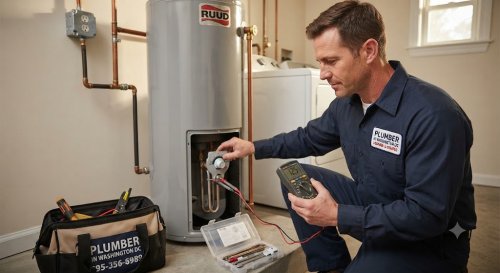
         │ (Pressure tests, multimeter resistance checks, sediment evaluation)
         ▼
[ Step 4: Transparent Estimate ]
         │ (Provide detailed upfront breakdown of repair vs. replacement paths)
         ▼
[ Step 5: Execution & Installation ]
         │ (Component rebuild or code-compliant unit installation)
         ▼
[ Step 6: Testing & Calibration ]
         │ (Combustion analysis, pressure testing, dial-in thermostat to 120°F)
         ▼
[ Step 7: Site Cleanup & Client Walkthrough ]
Can You Fix It Yourself?
Safe DIY Actions:
-
Resetting an Electric Water Heater: Pressing the high-limit safety reset button on the upper thermostat panel once after a temporary power surge.
-
Relighting the Pilot Light: Following the manufacturer-printed instructions located on the tank access cover (for older thermocouple-equipped units).
-
Visual Leak Inspection: Checking whether a leak is simply coming from an exposed, threaded plumbing union or supply hose rather than the tank itself.
When DIY Becomes Dangerous:
-
Gas Line Adjustments: Modifying gas flex lines, burners, or control valves without proper certifications risks catastrophic gas leaks or carbon monoxide poisoning.
-
High-Voltage Electrical Repairs: 240-volt electric water heaters present severe electrocution hazards if serviced without proper lock-out, tag-out, and testing procedures.
-
Sealed Tank Welding: Attempting to patch, weld, or epoxy a leaking storage tank will cause pressurized rupture failures.
Tools Professionals Use
-
Digital Multimeters: To measure voltage drops and test heating element resistance down to exact ohm thresholds.
-
Thermal Imaging Cameras: To locate internal sediment boundaries, hidden wall leaks, and exhaust flue heat blockages.
-
Digital Manometers: To verify incoming gas supply pressures and burner manifold calibration.
-
Combustion Gas Analyzers: To test venting integrity and ensure no carbon monoxide spills into living areas.
-
Calibrated Water Pressure Gauges: To detect municipal line surges and verify expansion tank bladder conditions.
How Long Does the Service Usually Take?
+------------------------------------+------------------+-------------------------------------------------------+
| Service Type                       | Typical Duration | Influencing Factors                                   |
+------------------------------------+------------------+-------------------------------------------------------+
| Minor Repair                       | 1–2 Hours        | Thermostat, heating element, or anode rod replacement |
| Complex Diagnostic / Re-piping     | 2–4 Hours        | Gas valve swaps, flue redesign, valve rebuilds        |
| Standard Tank Replacement          | 3–5 Hours        | Draining time, tight utility closets, permit updates  |
| Tankless Conversion                | 6–10 Hours       | Electrical upgrades, new gas lines, new vent routings |
+------------------------------------+------------------+-------------------------------------------------------+
Cost Factors
Plumbing repair and replacement costs vary depending on the severity of the problem, unit accessibility, materials required, emergency service timing, property type, and local labor rates.
Key cost variables include:
-
Diagnostic Fees: Professional on-site evaluation and equipment diagnostics.
-
Component Type: Standard thermostats are relatively inexpensive; complex electronic control boards or gas valves require higher material investments.
-
Storage Tank vs. Tankless: Tankless units require higher initial material and installation outlays due to venting and gas supply upgrades, but offer longer service lives.
-
Access Challenges: Units located in tight crawlspaces, historic row-house basements, or finished attics require additional labor time to extract and maneuver.
-
Permitting & Code Upgrades: Bringing expansion tanks, emergency drain pans, and gas shut-off valves up to regional building codes.
Hidden Truths Homeowners Should Know
-
Neglected Flushing Cuts Lifespan in Half: Skipping annual tank flushes allows sediment to bake into a solid layer, causing premature base metal failure.
-
Home Insurance May Deny Claims for Old Leaks: If a water heater older than 10 years fails and shows evidence of long-term rusting, insurance carriers may classify the damage as preventable neglect and refuse coverage.
-
Anode Rods Are Consumable Parts: Anode rods are designed to sacrifice themselves within 3 to 5 years. Replacing this inexpensive part on schedule can double the lifespan of the tank.
-
High Household Water Pressure Destroys Appliances: Unregulated street pressure above 80 PSI continuously strains internal tank seams and invalidates manufacturer warranties.
-
Pinhole Leaks Never Heal Themselves: A temporary reduction in visible dripping usually means mineral crust is temporarily blocking the hole—it will blow out under normal pressure cycles.
15 Common Mistakes Homeowners Make
-
Setting the Thermostat Above 125°F: Creates scalding risks and accelerates mineral scaling on internal surfaces.
-
Ignoring Minor Dripping from the T&P Valve: Masks underlying dangerous thermal expansion or over-pressurization.
-
Hiring Unlicensed Handymen: Leads to unpermitted, non-code-compliant venting and voided equipment warranties.
-
Never Replacing the Anode Rod: Guarantees premature corrosion of the primary tank lining.
-
Storing Flammable Materials Near Gas Heaters: Paint thinners, rags, or cardboard stored near the pilot assembly create severe fire hazards.
-
Crowding the Utility Space: Deprives gas water heaters of the combustion air required for clean, safe burning.
-
Over-tightening Dielectric Unions: Strips threading and causes structural pipe failure.
-
Using Rigid Connections in Seismic/Vibration Zones: Fails to absorb standard plumbing movements, prompting joint leaks.
-
Dry-Firing New Electric Units: Turning on circuit breakers before the tank is 100% full of water instantly destroys new upper elements.
-
Skipping the Thermal Expansion Tank: Traps expanding hot water, spiking pressure directly into the tank structure.
-
Disregarding Rust-Tinted Water: Assuming rusty water is a municipal issue until the tank bottom completely ruptures.
-
Pouring Drain Chemicals Near Relief Drains: Corrodes copper drain lines running from water heater discharge ports.
-
Failing to Test the T&P Relief Valve Manually: Leaves internal spring mechanisms stuck closed without the homeowner knowing.
-
Replacing Like-for-Like Without Reassessing Needs: Installing an undersized 40-gallon tank for a growing family instead of evaluating modern high-demand options.
-
Waiting for Total Flooding Before Calling for Help: Postponing service when early warning signs appear turns a routine repair into an emergency replacement.
Preventative Maintenance Tips
-
Test the T&P Valve Annually: Lift the lever slightly to ensure water discharges freely and snaps back sealed.
-
Perform a Full Tank Flush Every 12 Months: Drain sediment completely until the discharge water runs crystal clear.
-
Inspect the Anode Rod Every 3 Years: Replace it immediately when more than 6 inches of core wire is exposed.
-
Maintain 12 Inches of Clear Clearance: Keep boxes, laundry baskets, and cleaning solvents away from the heater perimeter.
-
Insulate Older Hot Water Pipes: Wrap exposed hot water lines in foam sleeves to reduce standby heat loss.
-
Install an Automatic Water Shut-Off Valve: Place a sensor-based shut-off valve under the unit to cut off water intake the instant a leak is detected.
-
Verify Combustion Air Openings: Ensure louvered utility doors are dust-free to provide adequate oxygen for combustion.
-
Check the Expansion Tank Pre-Charge: Use an air gauge to verify that the expansion tank's bladder matches incoming municipal pressure.
-
Lower Temperature to Vacation Mode When Traveling: Saves energy and reduces internal pressure while you are away.
-
Clear the Exterior Exhaust Flue: Ensure external intake and exhaust terminations are free from bird nests, snow, and debris.
-
Inspect Gas Flex Lines for Cracks: Periodically check stainless steel connectors for signs of stress or corrosion.
-
Monitor Main Water Pressure: Use a screw-on hose bib gauge to verify your home stays between 50 and 70 PSI.
-
Clean Tankless Air and Water Filters: Clean inlet screens every 6 months to maintain optimal water flow and combustion.
-
Run a Vinegar Flush on Tankless Units: Circulate food-grade white vinegar through tankless heat exchangers for 45 minutes once a year to dissolve scale.
-
Schedule a Professional Multi-Point Inspection: Have a licensed technician evaluate combustion safety, electrical draw, and tank structural integrity annually.
When Should You Call an Emergency Plumber?
+---------------------------------------------+-------------------------------------------------------+
| Emergency Condition                         | Immediate Action Required                             |
+---------------------------------------------+-------------------------------------------------------+
| Active Structural Tank Rupture              | Shut off cold-water main valve; turn off unit power   |
| Gas Odor or Hissing Sound                   | Evacuate building immediately; call gas utility & 911 |
| Scalding Water / Steam Blasting from Faucet | Turn off breaker/gas supply; open hot taps to vent    |
| Electrical Arcing or Burn Marks on Casing   | Trip breaker at panel; do not touch standing water    |
+---------------------------------------------+-------------------------------------------------------+
Frequently Asked Questions
How long do standard water heaters typically last? Traditional tank-style water heaters generally last between 8 and 12 years. Tankless units, when properly descaled and maintained, can perform reliably for 20 years or more.
Why is my hot water running out faster than it used to? This is usually caused by heavy sediment displacement reducing tank volume, a broken dip tube dumping cold water into the top of the tank, or a burned-out lower heating element in an electric unit.
Can a leaking water heater be repaired without replacing the tank? If the leak originates from an external fitting, drain valve, heating element gasket, or T&P valve, it can be repaired. If the leak originates from the steel tank itself, it cannot be safely repaired; the entire unit must be replaced.
What does it mean if my water heater is making popping sounds? Popping sounds indicate heavy sediment build-up at the bottom of the tank. Water gets trapped beneath this sediment layer, boils, and bubbles up noisily through the mineral scale.
Is it normal for the T&P relief valve to drip occasionally? Occasional small drips can occur during high thermal expansion cycles. However, continuous dripping means either the valve has failed, the home's water pressure is dangerously high, or the water temperature is overheating.
How does hard water affect my water heater? Hard water deposits calcium and magnesium along heating elements and base burners, drastically reducing energy efficiency, causing metal hot spots, and cutting operational life by up to 40%.
Will a new water heater lower my monthly utility bills? Yes. Modern water heaters carry higher Uniform Energy Factor (UEF) ratings, improved insulation, and optimized burner systems that significantly reduce standby heat loss and energy consumption.
What is the "50% rule" in water heater repair decisions? If the repair estimate approaches or exceeds 50% of the cost of a new installation—and the water heater is past half its expected lifespan—replacement is generally the more economical path.
Why does my hot water smell like rotten eggs? This smell is caused by sulfate-reducing bacteria reacting with the magnesium or aluminum in the sacrificial anode rod, generating hydrogen sulfide gas. Replacing the rod with a zinc-aluminum or powered titanium model resolves the issue.
Can high water pressure damage my water heater? Yes. Water pressure exceeding 80 PSI places continuous stress on the tank walls, internal bladders, and plumbing connections, leading to premature structural failure and voided warranties.
Why Choose Plumber Washington DC
When your hot water system fails, you need fast, honest, and technically sound solutions from certified local specialists. Plumber Washington DC provides comprehensive water heater diagnostic, repair, maintenance, and replacement services tailored to the unique architectural needs of our region.
-
Licensed & Experienced Technicians: Our plumbers undergo rigorous continuous training on both traditional atmospheric tank units and advanced condensing tankless systems.
-
Upfront, Transparent Pricing: We provide clear, itemized repair-versus-replacement options with no surprise diagnostic fees or hidden charges.
-
Rapid Emergency Response: We maintain fully equipped service vans across the District to address tank breaches and urgent hot water outages promptly.
-
Code-Compliant Craftsmanship: We pull all required municipal permits and adhere strictly to District plumbing codes, ensuring your home's safety and insurance compliance.
-
Serving All DC Neighborhoods & Surrounding Areas: From historic row homes in Capitol Hill, Georgetown, and Dupont Circle to properties across Northwest, Northeast, Southeast, Southwest DC, and neighboring Montgomery and Prince George's counties.
Call Plumber Washington DC today at 844-833-2093 for fast, reliable water heater services.