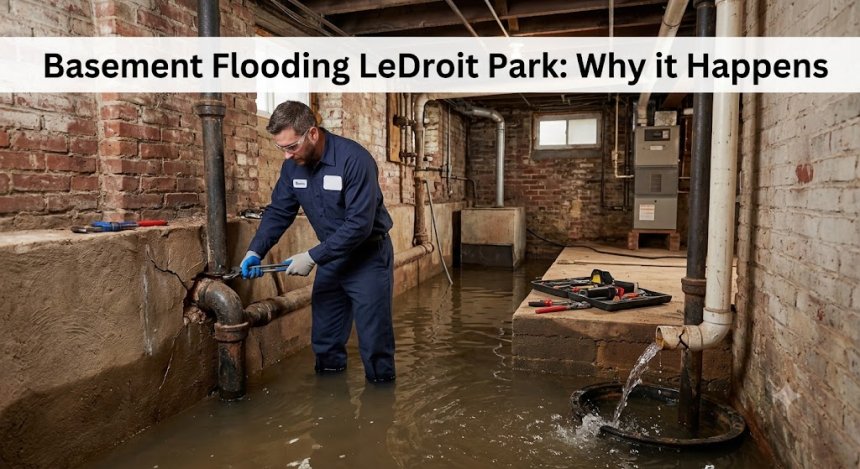
Basement Flooding LeDroit Park: Why it Happens
Worried about basement flooding during heavy rain in LeDroit Park? Learn the specific causes affecting Washington, DC historic homes, temporary fixes, costs, and professional solutions.
Why Does My Basement Flood During Heavy Rain in LeDroit Park?
You hear the deluge pounding against your roof in LeDroit Park. It’s a sound many people find relaxing, but for you, it triggers instant anxiety. You race down the basement stairs, flashlight in hand, praying you don’t find that familiar pool of water creeping across the floor. If you do find water, you are not alone; basement flooding during heavy rain in LeDroit Park is a chronic issue for many residents in this historic section of Washington, DC.
A flooded basement is more than a messy cleanup; it’s a threat to your home’s structural integrity and your family’s health. Immediate attention is crucial to prevent mold and significant damage. Residents often search for answers because they are tired of temporary solutions that fail when they are needed most. This isn't just about water; it's about combined sewer overflows, failing 100-year-old clay pipes, and the unique challenges of maintaining historic properties in the District.
We want you to understand exactly what is happening under your feet before you pick up the phone. This article is your guide to understanding the plumbing complexities of LeDroit Park, what you can do temporarily, and when it’s time to call in a professional plumber in Washington DC.
What Is Basement Flooding During Heavy Rain?
Simply put, basement flooding during heavy rain occurs when the volume of water outside your home exceeds your plumbing and drainage system's ability to keep it out. Water will always find the path of least resistance.
In LeDroit Park, this often manifests in two ways:
-
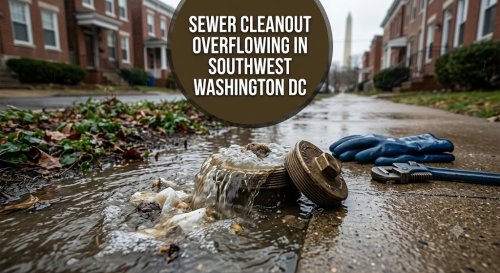
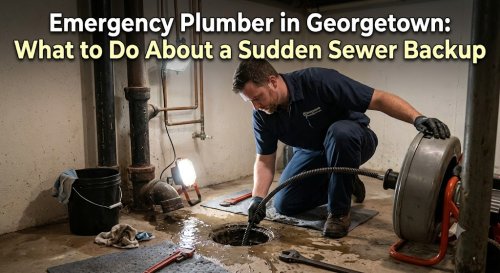
Sewer Backup: During intense storms, the municipal sewer system on streets like T Street or Florida Avenue NW becomes overloaded. If you do not have a backwater valve, the sewage and rainwater mixture has nowhere to go but back up your drain lines and into your basement through floor drains, toilets, or sinks.
-
Saturated Soil Pressure: The clay-rich soil common in many DC neighborhoods absorbs heavy rain until it cannot hold any more. The soil becomes saturated, and hydrostatic pressure pushes that ground water through tiny cracks in your foundation walls or up through the basement slab.
Hey Google, why is my basement gurgling during rain? Gurgling is often a sign that air is trapped in your line because the municipal sewer is backing up. It’s a precursor to a potential flooding event and requires immediate investigation.
Why Does My Basement Flood During Heavy Rain in LeDroit Park?
The reasons for basement flooding during heavy rain in LeDroit Park are deeply tied to the neighborhood's age and history. While every home is unique, several common causes stand out in this area:
1. The Combined Sewer System Challenge
Much of historic Washington, DC, including LeDroit Park, was built with a "combined sewer system." This means a single pipe carries both sanitary sewage from your home and stormwater runoff from the streets. During the massive rainfall events we increasingly see, this single pipe becomes completely overwhelmed. When it fills up, the mix of wastewater and stormwater can surcharge back into residential basements that are connected at a lower elevation.
2. Aging and Corroded Pipes
LeDroit Park was one of DC’s first planned subdivisions, with many Victorian homes dating back to the late 1800s. The plumbing under these beautiful homes is often original cast iron or vitrified clay. Clay is brittle and cracks easily; cast iron corrodes internally. Heavy rain places intense pressure on these weakened systems. A crack that might have caused a slow leak during dry weather becomes a major entry point for groundwater during a deluge.
3. Tree Roots seeking Moisture
LeDroit Park is known for its beautiful, mature tree canopy. Those deep root systems are constantly seeking water, especially nutrients. Micro-cracks in aging clay sewer pipes are perfect entry points. Roots infiltrate the pipe, create blockages, and expand, causing catastrophic structural failure. During heavy rain, these restricted lines cannot carry the surging flow, leading to a direct backup into the basement.
4. DC's Specific Soil Conditions and High Water Table
The soil structure in LeDroit Park often contains layers of heavy clay, which retains water exceptionally well. When the water table rises rapidly during a storm, this clay soil expands and puts immense "hydrostatic pressure" against your basement walls and floor. If your foundation has aging cracks, the soil pushes the water directly into your basement.
5. Impervious Surfaces and Runoff
LeDroit Park is a dense, urban environment. Roofs, driveways, patios, and sidewalks are "impervious surfaces" that water cannot penetrate. Instead of soaking into the ground, water sheets off these surfaces. If your gutters, downspouts, or the street drains are clogged or overwhelmed, this massive surge of runoff concentrates around your foundation, searching for a way into your basement.
Signs You Should Never Ignore
Your plumbing system often warns you before a full-scale flood occurs. If you notice these warning signs, particularly before or during a rainfall forecast, pay attention:
-
Water Stains on Walls or Floor: Yellowish or brownish outlines on foundation walls or bubbling paint indicate moisture is actively penetrating the concrete.
-
Gurgling Drains: As mentioned, gurgling sounds from floor drains, toilets, or laundry sinks when it’s raining outside are a classic sign of a municipal sewer backup attempt.
-
Slow Drains During Dry Weather: If your toilet has been sluggish, or your sink is slow to drain even when it isn't raining, there might be a blockage (like roots or grease) that will guarantee a backup during a storm.
-
Bad Smells: Persistent sewer gas or musty, earthy odors in your basement mean there’s a trap that has dried out, or more likely, there is a sewer line crack you can’t see.
-
Mold Growth: Any visible mold in your basement, especially in low corners or along the base of walls, is a sign of chronic moisture.
-
Condensation on Pipes: Sweat forming on cold water pipes in the basement indicates high humidity, which is often a sign of water seepage through the slab or walls.
Risks of Ignoring a Flooding Basement
Ignoring a flooding basement is dangerous. Chronic flooding can undermine your home’s Victorian foundation, requiring tens of thousands in structural repairs. Electrical systems can become compromised, posing a shock or fire risk. Perhaps the most significant risk is health: floodwater from a combined sewer is categorized as "black water" and is highly toxic, containing pathogens, bacteria, and viruses. Mold growth, which begins within 24–48 hours, is a serious respiratory threat.
Temporary Fixes While Waiting for a Plumber
People Also Ask: How can I stop my basement from flooding right now? If water is actively entering your basement during a storm, immediate damage control is necessary. Warning: If water has reached electrical outlets or your electrical panel, do not enter the basement and call DC Water (for street side issues) or Pepco immediately.
If it is safe to enter:
-
Identify the Source: Is water coming up through a floor drain (sewer backup) or through the walls/floor slab (seepage)?
-
Temporarily Plug Floor Drains: If water is coming from a sewer backup, you can try plugging the floor drain with a test plug (available at local hardware stores) if you have one. If water is coming up around the plug, hydrostatic pressure is a concurrent issue.
-
Use a Submersible Pump: If you have a plug-in utility pump, set it up at the lowest point of the flooding and run a discharge hose well away from the house (ideally into a street drain, but check DC regulations first).
-
Divert Gutter Runoff: If you can safely do so during the storm, check that downspouts are connected and discharging water at least 6 feet from the foundation. Clogged gutters can sometimes be temporarily cleared with a broom handle (only from the ground level).
-
Set up Fans and Dehumidifiers: Once the water stops actively entering, use high-powered fans and commercial-grade dehumidifiers to dry the area as quickly as possible. This is only damage control, not a fix.
Can You Fix a Flooding Basement Yourself?
This is a dangerous DIY project. While you can extend downspouts yourself, fixing the internal cause of the flood requires specialized training and heavy-grade equipment. We often see homeowners try to fix a slow sewer line by renting a large plumbing snake. If you don't know the exact location or cause of the blockage, you can easily break through a brittle clay pipe, collapse an aging cast iron line, or snap the rental snake inside the pipe. You must always use licensed professionals when dealing with Washington, DC’s historic sewer connections.
Professional Step-by-Step Repair Process
When you call a licensed plumber in Washington DC to handle recurring basement flooding during heavy rain in LeDroit Park, here is the professional, logic-driven approach you should expect:
Step 1: Emergency Assessment and Inspection: We arrive promptly and prioritize safety (checking electrical risks). We will identify where water is entering and begin an immediate damage control strategy.
Step 2: Diagnosis (Stopping the Guesswork): We use high-definition sewer camera inspection to travel down your mainline. This shows us the exact cause—roots, grease blockages, sagging lines, or a municipal main that is overloaded. Guessing with a snake is not an option for chronic flooding.
Step 3: Estimate and Options: We present a detailed report, often including the video footage. We will provide you with options that address your specific LeDroit Park cause, rather than a generic solution.
Step 4: Repair (Addressing the Root Cause): This could include:
-
Hydro Jetting: Scouring the line with high-pressure water to remove grease and tree roots.
-
Backwater Valve Installation: Installing a one-way check valve in your main line. This valve will allow sewage to flow out of your home, but will automatically shut if the municipal sewer attempts to back into your basement. This is the #1 solution for sewer backups.
-
Trenchless Sewer Repair (or traditional replacement): If your pipe is structurally compromised, we might recommend trenchless pipe lining or, in some cases, excavation.
-
Sump Pump Installation/Repair: If ground water seepage is the primary cause, we will install a professional-grade sump pump system to collect and discharge ground water before it enters your living space.
Step 5: Testing and Cleanup: We will test the system under load to ensure it functions perfectly. Our teams take pride in leaving the job site clean.
Step 6: Maintenance Advice: We won't just repair and leave. We will provide a specific maintenance schedule to keep your system operational.
Tools Professionals Use
A professional plumber doesn’t guess. We use advanced technology to diagnose and repair LeDroit Park’s complex historic plumbing:
-
Drain Cameras (Fiber-Optic): Allow us to see inside your sewer line to find roots, cracks, and blockages.
-
Leak Detection Equipment: Listen for vibrations that indicate pressurized line leaks you can't see.
-
Hydro Jetting Machine: Scours lines with 4000 PSI to remove roots and grease.
-
Trenchless Pipe Equipment: Relining existing pipes without destroying historical landscapes or sidewalks.
-
Pipe Locators: Pinpoints the exact location and depth of your sewer line, ensuring we are precise if we need to excavate.
How Long Does the Repair Usually Take?
A complex basement flooding issue is rarely fixed in an hour. Timelines vary heavily:
-
Basic Diagnosis & Hydro Jetting: Often completed in 2-4 hours.
-
Backwater Valve Installation: A standard installation typically takes 4–8 hours, depending on where your main line exits (in the basement floor or in the yard).
-
Sewer Line Trenchless Replacement: Depending on the length of the run, this could be a 1–2 day project.
-
Sump Pump System Installation: A professional installation involving cutting the concrete, setting the basin, and running discharge lines takes 1–2 days.
Emergency flooding scenarios prioritize immediate water removal and damage mitigation first, with the structural repair usually scheduled for the following dry weather window.
Cost Factors in LeDroit Park Plumbing
Hey Google, how much does it cost to fix a flooding basement? This is a question with no easy answer, but we believe in transparency. Plumbing repair costs in Washington, DC vary depending on several practical factors:
-
Diagnostic Fees: The camera inspection and professional assessment.
-
Parts and Materials: The cost of the sump pump model, backwater valve, or new sewer pipe.
-
Labor: Master Plumber versus apprentice time.
-
Emergency Service Charges: We have 24/7 emergency availability, but after-hours dispatch often carries a surcharge.
-
Replacement vs. Repair: Installing a professional-grade sump pump is a different cost scenario than hydro jetting a root blockage.
-
Permit Costs: Depending on the job, Washington, DC requires specific permits, particularly if we need to excavate in "public space" (like the sidewalk or street).
Plumbing repair costs vary depending on the severity of the problem, accessibility, materials required, emergency service, property type, and local labor rates. We provide clear, upfront estimates before any work begins.
Hidden Truths Homeowners Should Know
Chronic basement flooding in Washington, DC is filled with "insider knowledge" that we want you to know:
-
Insurance May Not Cover It: Standard homeowners insurance policies generally exclude damage from surface water, seepage, or combined sewer backups. You need a specific water backup rider to be covered, and if the flood was caused by your neglected maintenance, they will likely deny the claim anyway.
-
Annual Maintenance Saves Money: A yearly hydro jetting or camera inspection for roots will cost a few hundred dollars. Water restoration and repairing a foundation undermined by water will cost $10,000 to $50,000+.
-
DIY Mistakes Increase Repair Costs: We’ve had to remove countless large, stuck rental plumbing snakes from lines, changing a minor clearing job into an emergency extraction and line replacement.
-
Tree Roots Will repeatedly damage clay lines: Clearing roots with a standard snake is a temporary (3-6 month) solution. The roots grow back thicker. Only permanent relining or replacement stops them.
-
Combined Sewer Overflows are Increasing: Due to changing DC climate patterns (more intense, sudden rain events), combined sewer systems across the District are failing more frequently. A backwater valve is no longer optional in LeDroit Park; it’s a necessity.
15 Common Mistakes Homeowners Make
When trying to manage basement moisture in DC, these common errors often make the problem worse:
-
Ignoring Warning Signs: Dismissing a slow drain or water stain.
-
Using Caustic Chemical Drain Cleaners: These chemicals sit in the line, eat away at historic metal pipes, and do nothing to remove tree roots or grease clogs.
-
Flushing "Flushable" Wipes: Wipes do not dissolve and are the #1 cause of major blockages in DC sewers.
-
Pouring Grease into Drains: Grease solidifies in cold DC pipes, creating concrete-like blockages.
-
Letting Gutters Overflow: Chronic overspill saturates foundation soil right where you don't want it.
-
Discharging Gutters into the Sewer: In DC, it’s illegal to connect gutters directly to the combined sewer mainline, as it guarantees overload in heavy rain.
-
Ignoring Sump Pump Maintenance: Never testing the pump until the storm hits.
-
Choosing Contractors Solely on Price: Unlicensed contractors in DC might use improper techniques or materials not allowed by code.
-
Hiring Unlicensed Plumbers: LeDroit Park historic permits are complex; always use licensed plumbers in Washington, DC.
-
Delaying Repairs Until an Emergency: Waiting for a flood during a major DC hurricane event.
-
Improperly Grading Soil: Having the lawn slope towards the foundation walls.
-
Using the Wrong Sump Pump: Installing a low-end, big-box store pump rather than a commercial-grade system.
-
Plugging Floor Drains improperly: Using a simple rubber plug without realizing hydrostatic pressure can push water up around the outside of the sewer pipe itself.
-
Assuming All Flooding is a Sewer Backup: Hydrostatic ground water is a concurrent or separate issue.
-
Over-Tightening Plumbing Fittings: Causing hairline cracks in old metal pipes that blow out during a pressure surge.
LeDroit Park Maintenance Tips
Prevent chronic flooding in LeDroit Park with these seasonal tips:
Gutters and Runoff
-
Spring/Fall Gutter Cleaning: Ensure water flows freely away from the Victorian foundation.
-
Extend Downspouts: Verify water discharges at least 6 feet from foundation walls.
-
Street Drain Watch: If you see street drains in LeDroit Park completely covered in leaves before a forecasted storm, clear them if it is safe to do so.
Internal Maintenance
-
Annual Camera Inspection: For homes with mature DC street trees, a yearly video sewer check is essential.
-
Sump Pump Testing: Test your sump pump once a season by pouring a bucket of water into the basin until the float activates.
-
Sump Pump Backup: DC experiences power outages during storms. Install a battery or water-pressure-powered backup for your sump pump.
-
RootX Treatment: For chronic, but manageable root issues, consider annual professional chemical treatments like RootX that slow root growth without killing the tree.
-
Backwater Valve Check: If you have a backwater valve, it needs a professional inspection once a year to ensure the gate is clear of debris.
Seasonal Specific Advice (Washington, DC)
-
Before Hurricane Season (Late Summer): Test all backup pump systems. Ensure gutters are fully clear. Schedule any pending sewer maintenance before sudden, massive downpours are likely.
-
Late Fall: After the final leaves have fallen in LeDroit Park, schedule a final gutter cleaning to prevent ice damming and gutter overload during winter storms.
When Should You Call an Emergency Plumber?
Basement flooding during heavy rain is often an emergency. Call us immediately if you encounter any of the following:
-
Raw Sewage Backup: If black water is coming up through any floor drain, toilet, or sink, this is a toxic biohazard that requires emergency cleanup and mainline isolation.
-
Flooding Near Electrical systems: Water that has reached or is threatening electrical outlets, panels, or appliances like furnaces or water heaters.
-
Flooding that Angles stop valves won't shut off: If water is gushing from a ruptured internal pipe that has failed during a backup surge.
-
Sump Pump Failure during heavy rain: If you have seepage and your pump has completely died with rain still falling.
Frequently Asked Questions
Why is my basement flooding when all other drains seem fine?
Chronic flooding is often a main line combined sewer overflow. It manifests at the lowest point, which is typically your basement floor drain, while the upstairs fixtures may still be draining above the surcharge level.
Can a clogged street drain cause my basement to flood?
Yes, absolutely. Overwhelmed or clogged street drains concentrate massive runoff around your property. If your foundation has aging cracks, this hydrostatic groundwater will be pushed into your basement by saturated DC clay soil.
How do I know if my sump pump is broken?
We recommend a simple test: pour a 5-gallon bucket of water into your sump basin. The float switch should activate the pump, which should quickly discharge all the water. If it hums but doesn't pump, or if nothing happens, the pump or float has failed.
People Also Ask: What is a backwater valve and do I need one in LeDroit Park?
A backwater valve is a one-way valve in your main mainline that allows sewage to flow out of your home, but will automatically seal tight if the city sewer attempts to back into your basement. In LeDroit Park, because of the combined sewer system, it is highly recommended.
Voice Search: Hey Google, why is my Washington DC basement flooding?
Check your combined sewer mainline first, as intense rain events regularly overload DC's aging municipal infrastructure.
Is hydro jetting safe for old DC pipes?
Yes, absolutely, but only when performed by a professional after a camera inspection confirms the pipe's structural condition. We adjust the pressure to safe levels that scour grease and roots without damaging the line.
How much does leak detection cost in DC?
Plumbing repair costs vary depending on the severity of the problem, accessibility, materials required, emergency service, property type, and local labor rates. We provide clear, upfront estimates before any work begins.
How long does a sump pump last in DC?
A high-quality sump pump in a residential DC environment typically has a lifespan of 7–10 years. We recommend proactive replacement after a decade to prevent catastrophic failure during a critical storm.
Do I need a permit for a sump pump in Washington, DC?
Yes, the Department of Buildings (DOB) in Washington, DC, requires a permit for new sump pump installations, as it involves cutting the foundation and, often, installing new electrical circuits and discharge lines.
What is the Washington, DC code for gutter connections?
DC Code generally prohibits connecting new downspouts or sump pump discharge lines to the sanitary sewer or combined sewer system to prevent sewer main overload. Runoff must be managed on-site or diverted to street drains if permitted.
Why Choose our "plumber in Washington DC" Company
You have countless options for plumbing, but when dealing with recurring basement flooding in historic LeDroit Park, experience matters. At "plumber in Washington DC," we are committed to solving the root cause of your flooding issue, not just giving you a temporary fix.
-
Experienced Licensed Plumbers: Our master plumbers are thoroughly familiar with LeDroit Park's unique combined sewer connections and aging pipe materials.
-
Honest Recommendations: We won't try to upsell you on unnecessary excavations if hydro jetting can solve the issue.
-
Upfront Estimates: We provide clear estimates after diagnosis. We are upfront about Washington, DC permit requirements and costs.
-
Fast Response & Emergency Availability: We understand that a flooding basement cannot wait.
-
Modern Equipment: We utilize the latest high-definition sewer cameras and hydro jetting machines to stop the guesswork and repair systems precisely.
-
Warranty: We stand behind our quality workmanship and provide clear warranties for our sump pump installations and sewer line work.