Main Water Line Replacement Cost in Washington DC: What to Expect
Understand main water line replacement costs in Washington DC. Learn about influencing factors, pipe materials, excavation needs, and project scoping.
Understanding Main Water Line Replacement Costs in Washington DC
Replacing a main water line is one of the most significant plumbing projects a property owner can face. Because the main water service line connects your home or commercial building directly to the municipal water supply, any major failure requires careful planning, appropriate permits, and specialized labor. In Washington DC, project costs can vary widely depending on specific site conditions, length of the run, and the methods required to complete the installation safely.
This guide breaks down the financial and logistical factors that shape main water line replacement costs, helping property owners understand what influences pricing, how different repair methods compare, and what questions to ask before authorizing work.
What the Main Water Line Does and Why It Fails
The main water line is the pressurized pipe that brings fresh water from the municipal utility connection—typically located near the street or sidewalk—into your property. In older Washington DC properties, these lines may span substantial distances across yards, beneath concrete sidewalks, or under interior basement floors.
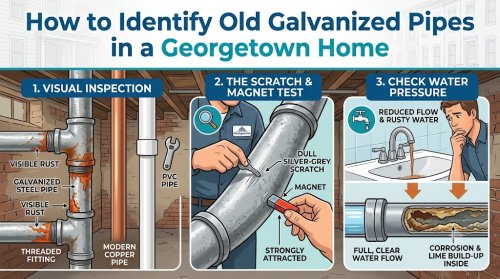
Over time, underground pipes experience immense soil pressure, ground shifting, temperature fluctuations, and chemical corrosion. Properties built decades ago often feature aging pipe materials such as galvanized steel or polybutylene, both of which are prone to internal mineral scaling, pitting, and sudden structural failure. When a main line develops multiple leaks, experiences a catastrophic rupture, or suffers from severe internal restriction, patching is often no longer viable, making a full replacement necessary.
Key Factors That Influence Replacement Costs
No two water line replacements are identical. Several distinct variables determine the total expense of the project:
- Distance and Length: The physical distance between the municipal connection point and your home's interior shutoff valve directly dictates material quantities and labor time. Longer runs require more excavation, trenching, or boring.
- Depth of the Pipe: In the Mid-Atlantic climate, water lines must be buried deep enough to prevent freezing during winter cold snaps. Deeper burial depths require more intensive earth-moving effort and shoring for worker safety.
- Surface Obstructions and Hardscaping: If your water line runs beneath a concrete driveway, stone walkway, brick patio, or mature landscaping, restoration costs can equal or exceed the plumbing labor itself. Breaking and repouring concrete or restoring historical brickwork adds specialized labor requirements.
- Pipe Material Selection: Modern replacements typically utilize durable, flexible materials like High-Density Polyethylene (HDPE) or Type K copper. Material choice affects both upfront costs and long-term longevity.
- Permitting and Municipal Requirements: Working within the public right-of-way, connecting to municipal infrastructure, or managing street traffic control often requires specific District of Columbia permits and inspections, which influence overall project administration.
Trenching Versus Trenchless Replacement Methods
The technique used to install the new pipe significantly impacts both labor costs and property disruption.
Traditional Open-Cut Trenching
Traditional replacement involves digging an open trench along the entire path of the existing water line. While this method allows direct visual access to the pipe and any obstacles in the ground, it causes major disruption to lawns, flowerbeds, hardscaping, and paved surfaces. Surface restoration after trenching can add considerable time and expense to the project.
Trenchless Pipe Replacement (Pipe Bursting)
Trenchless technology allows contractors to replace an underground pipe without digging a continuous trench. By digging two small access pits—one near the street connection and one near the foundation—a specialized tool is pulled through the old pipe, simultaneously breaking it apart while pulling a new seamless HDPE pipe into its place. While trenchless methods often preserve landscaping, driveways, and historical hardscaping, specialized equipment requirements and site geometry can influence whether a property is a candidate for this approach.
Hidden Costs and Project Complications
When budgeting for a main water line replacement, it is vital to account for conditions that may not be immediately visible before excavation begins:
- Utility Locating and Cross-Bores: Public utility marking services identify standard water, gas, and electric lines, but private utilities (such as irrigation systems, landscape lighting, or private sewer laterals) require careful independent identification to avoid costly strikes.
- Foundation Wall Penetrations: Where the water line enters the basement or crawlspace, core drilling through thick concrete or stone foundations may be necessary, particularly in older rowhouses and historic properties.
- Interior Shutoff and Pressure Regulation: A full replacement typically includes installing a modern main water shutoff valve and often a pressure reducing valve (PRV) if municipal pressure exceeds safe residential limits. Upgrading these interior components ensures the new line operates reliably.
- Restoration Requirements: Factoring in concrete patching, asphalt repair, sod replacement, or masonry work is essential. Contractors should clarify whether site restoration is included in their estimate or if it requires a separate subcontractor.
Diagnostic Steps and What a Proper Estimate Should Include
Before committing to a main water line replacement, a qualified professional should perform a thorough evaluation. Diagnostic clues—such as unexplained wet spots in the yard, a drop in water pressure, unexplained increases in water bills, or discolored water—help confirm whether the problem lies in the main service line rather than interior plumbing.
A transparent and comprehensive plumbing estimate should clearly outline:
- The exact scope of work, including pipe length, diameter, and material specifications.
- The installation method (trenching versus trenchless).
- Permit acquisition and coordination responsibilities with local utility authorities.
- Details regarding property restoration (landscaping, concrete, or paving repair).
- Warranty coverage on both materials and labor craftsmanship.
Frequently Asked Questions
How do I know if my main water line needs replacement instead of repair?
If a water line is made of aging materials like galvanized steel or polybutylene, recurring leaks, severe internal corrosion, or multiple pinhole failures indicate the pipe has reached the end of its functional lifespan. Spot repairs on brittle, degraded pipes often lead to new failures shortly afterward, making full replacement more cost-effective over time.
Does homeowners insurance cover main water line replacement?
Standard homeowners insurance policies typically do not cover wear-and-tear or gradual pipe degradation. However, coverage may sometimes apply if the line was damaged by a sudden, accidental event like a vehicle impact or specific external forces. Property owners should review their specific policy endorsements or optional utility line coverages.
How long does a main water line replacement take to complete?
Most standard residential main water line replacements take between one to three days from initial excavation to final backfilling and restoration. The exact timeline depends on soil conditions, pipe length, installation method, and whether municipal inspections require specific scheduling windows.
Will my water service be shut off during the project?
Yes. Water service to the property must be temporarily disconnected while technicians tie the new service line into the municipal main and connect it to your home's interior plumbing system. Contractors typically notify occupants beforehand so water can be stored for essential needs during the active work window.
Are permits required for water line replacement in Washington DC?
Yes. Replacing a main water line typically involves tapping into public infrastructure or working within public utility easements and street rights-of-way. Property owners or their contractors must secure the appropriate District of Columbia permits to ensure all work complies with local plumbing codes and municipal regulations.
Can landscaping or hardscaping survive a trenchless replacement?
Trenchless pipe bursting significantly minimizes surface disruption compared to traditional open-cut trenching because it only requires small entry and exit pits. However, staging equipment, soil compaction around the pit areas, and heavy machinery can still impact immediate ground areas, requiring minor post-project lawn or garden repair.