Signs of a Plumbing Vent Problem in a Washington DC Home
Learn how to spot plumbing vent problems in your Washington DC home, from gurgling drains to sewer smells, and understand what causes them.
Understanding Your Home's Plumbing Vent System
When homeowners think about their plumbing, they usually focus on what they can see: faucets, showerheads, and toilets. However, an entire network of hidden pipes works silently behind your walls and up through your roof to keep your drainage system flowing smoothly. This is the plumbing vent system. Without it, wastewater would struggle to exit your home, traps would run dry, and unpleasant sewer gases would flood your living spaces.
In a typical Washington DC home—whether it is a historic rowhouse in Capitol Hill, a mid-century detached house, or a modern condominium—plumbing vents connect to your main drain stack and extend upward through the roof. Their primary job is twofold: they equalize air pressure inside the drainage pipes every time a toilet flushes or a tub drains, and they provide a safe escape route for sewer gases venting safely into the atmosphere.
When a plumbing vent becomes partially or completely blocked, the entire drainage balance is disrupted. Recognizing the early signs of a vent failure can help you address the root cause before minor inconveniences turn into major household disruptions or unhygienic conditions.
Core Symptoms of a Plumbing Vent Problem
Plumbing vent issues rarely announce themselves with a single, obvious label. Instead, they mimic other common plumbing faults, which frequently leads to misdiagnosis. Here are the primary physical clues that point toward a compromised vent system rather than a simple localized clog.
1. Slow Draining Fixtures Across Multiple Locations
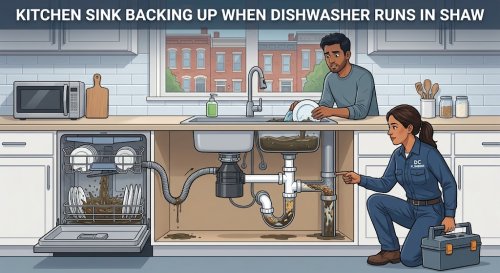
If a single sink drains slowly, the issue is almost always localized to that specific trap or branch line. However, if you notice that your kitchen sink, upstairs bathroom vanity, and basement floor drain all begin sluggishly draining at the exact same time, look upward rather than downward. A blocked main vent stack creates negative air pressure (a vacuum effect) when water tries to rush down the pipes, physically holding the water back and slowing its descent.
2. Gurgling Sounds When Water Drains
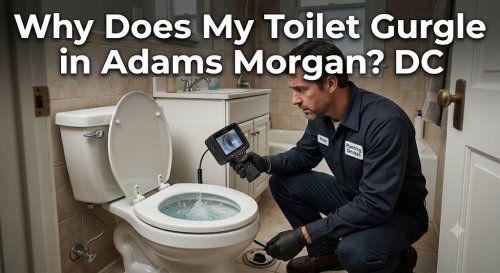
Gurgling is one of the most reliable diagnostic indicators of a venting deficiency. When a toilet gurgles after you empty the bathtub, or a sink makes a bubbling sound when another fixture runs, it means the drainage water is desperately searching for air. Because the roof vent is blocked, the rushing water pulls air backward through the water traps of nearby plumbing fixtures, creating that characteristic burping or gurgling sound.
3. Persistent Sewer Odors Indoors
Your plumbing system relies on P-traps—the curved sections of pipe beneath every sink and fixture—to hold a small standing pool of water that blocks sewer gas from entering the home. If a plumbing vent is completely blocked, the suction created by flushing toilets or draining tubs can siphon the water right out of these traps. Once a trap goes dry, sewer gases have a direct, unobstructed pathway into your bathrooms, kitchen, or basement.
4. Toilet Water Level Fluctuations
Have you ever noticed the water level in your toilet bowl rising and falling randomly, or dropping completely dry without anyone using it? While a damaged flapper can cause a slow leak, a fluctuating bowl water level is frequently caused by a struggling vent system. The vacuum created by negative pressure in the vent lines can literally pull water out of the toilet bowl or push it around.
Common Causes of Plumbing Vent Failures
Understanding why a vent fails helps clarify why simple chemical drain cleaners or basic plunging will never solve a venting problem. Vent blockages typically occur from the outside elements or structural shifts.
Exterior Debris and Nesting: Because vent pipes terminate on the roof, they are completely exposed to the elements. Leaves, twigs, wind-blown debris, and animal nests (particularly from squirrels or birds seeking warm cavities) can completely seal off the top opening of a vent stack.
Ice and Frost Accumulation: During freezing winter cold snaps in the Mid-Atlantic region, moisture rising from the warm interior of the house can condense and freeze inside the cold upper portion of the vent pipe protruding through the roof. Over several days of sub-freezing temperatures, layers of frost can accumulate until they completely ice over the vent opening, halting all airflow.
Structural Damage or Pipe Collapse: In older properties, vent stacks made of cast iron or clay can corrode, crack, or collapse over decades. Sagging horizontal vent runs in tight crawlspaces or attics can also trap standing water, creating an internal blockage that prevents air circulation.
Improper Initial Installation or Remodeling: DIY plumbing modifications or improper past remodeling can result in undersized vent pipes, missing roof penetrations, or improper grading that compromises the system's ability to vent properly.
Safe Homeowner Checks vs. Professional Intervention
When dealing with suspected vent issues, knowing what you can safely inspect can save time and prevent unnecessary stress, while understanding your limits keeps you safe.
What You Can Safely Check
Observe Fixture Behavior: Note whether the problem affects only one fixture or multiple fixtures simultaneously. Multiple slow or gurgling fixtures strongly point toward a shared vent or main stack issue.
Check P-Traps: Ensure that infrequently used guest bathroom sinks or basement floor drains have water in their traps. Pouring a cup of water down a dry floor drain can instantly resolve an odor caused by evaporation.
Visual Roof Inspection from the Ground: Using binoculars from ground level, safely check if you can see obvious debris, bird nests, or heavy ice accumulation around the roof vent terminations.
What You Should NOT Attempt
Never climb onto a wet, icy, or steeply pitched roof to inspect or clear a plumbing vent stack yourself. Falls from roofs result in severe injuries every year. Additionally, avoid dropping heavy weights down vent stacks to clear blockages, as this can easily shatter older cast iron or brittle PVC pipes inside your walls.
Diagnostic Methods and Professional Repairs
When a plumbing professional investigates a suspected vent issue, they look beyond simple guesswork. Technicians utilize specialized diagnostic tools to pinpoint the exact location and nature of the restriction.
Professional diagnostics often include rooftop inspections to check for physical obstructions, specialized plumbing camera inspections run down the vent stack to identify internal breaks, offsets, or heavy scaling, and smoke testing in complex commercial or multi-story buildings to locate hidden vent leaks or improper connections that allow sewer gas to escape.
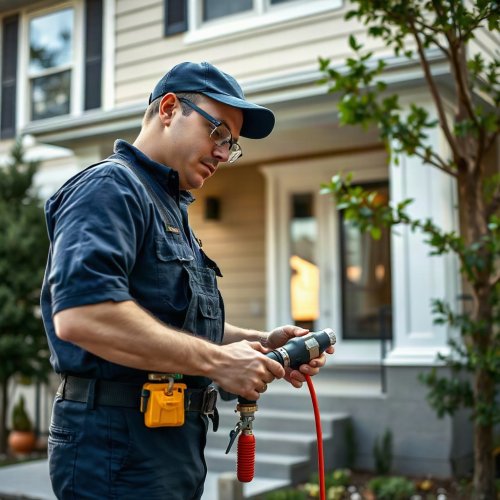
Repair options depend entirely on the diagnosis. If the issue is external debris or an animal nest, a professional can safely clear the obstruction from the roof using specialized augers or high-pressure flushing. If an older pipe has collapsed, rusted through, or suffered structural damage behind a wall or inside an attic, sections of the damaged vent piping must be cut out and replaced with modern, durable materials.
Factors Influencing Repair and Diagnostic Costs
Plumbing vent repairs vary in scope, which means costs are never one-size-fits-all. When evaluating an estimate for vent work, several practical factors determine the total labor and material requirements:
Accessibility: A vent pipe located in an easily accessible attic or a straight-shot roof penetration is straightforward to service. Conversely, complex configurations in historic homes with tight framing, or vents buried behind finished walls and ceilings, require more labor to access safely.
Extent of Damage: Clearing a surface-level bird's nest requires minimal hardware. Repairing a long section of collapsed or heavily corroded cast iron vent stack demands cutting, structural support, and replacement materials.
Pipe Material: Older properties featuring aging cast iron or galvanized steel piping often require specialized fittings and transition bands to connect modern replacement materials securely.
Frequently Asked Questions
Can I use chemical drain cleaners to fix a plumbing vent problem?
No. Chemical drain cleaners are designed to dissolve organic clogs inside localized drain pipes, such as hair or soap scum in a sink trap. They cannot reach or clear a blockage located in a roof vent stack. Pouring chemicals down a drain when the real issue is negative air pressure will waste money and can create a dangerous splash hazard if liquid backs up.
Why does my house smell like sewage only when it rains?
Low-pressure weather systems associated with rainstorms can push sewer gases downward rather than letting them disperse upward. If your plumbing vents are partially restricted or if a nearby drain trap is running low, this atmospheric pressure drop can allow noticeable sewer odors to drift inside your home during wet weather.
Are plumbing vent problems more common in older homes?
Yes. Older residential buildings often feature smaller vent pipe diameters that meet older building codes, making them more susceptible to partial blockage from scale buildup, rust, or modern fixture loads. Older cast iron vent pipes are also prone to internal corrosion that narrows the airway over decades.
How do I know if the problem is a clogged drain or a blocked vent?
A single clogged drain affects only one fixture, and water typically backs up immediately without gurgling other unrelated fixtures in the house. A blocked vent affects multiple fixtures, causes distinct gurgling sounds as air struggles to escape, and is frequently accompanied by intermittent sewer odors or fluctuating toilet water levels.
Can a blocked plumbing vent cause water to stop draining entirely?
While a blocked vent usually results in slow drainage and gurgling, a severe enough vacuum lock can eventually stall wastewater movement almost entirely, making it look and act like a severe main line clog even when the drain pipes themselves are physically clear of debris.
Who is responsible for plumbing vent repairs in a condominium?
In multifamily buildings, condominiums, and shared apartment properties, individual homeowners are typically responsible for branch lines directly serving their specific fixtures, while building management, the HOA, or the condo association oversees shared vertical stacks and main roof vents. Always review your condo bylaws or building management guidelines before scheduling invasive repairs.