Water Heater Repair Plumber in Washington, DC: A Homeowner’s Guide
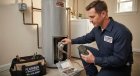
A water heater can fail gradually or stop working with little warning. You might notice lukewarm water during a shower, water collecting around the tank, unusual popping sounds, or a sudden increase in your utility bill. For homeowners, landlords, restaurants, offices, and other businesses in Washington, DC, a water heater problem can quickly become more than an inconvenience.
The cause may be relatively simple, such as a worn heating component or thermostat. It can also involve sediment buildup, corrosion, a failing pressure-relief valve, a leaking tank, or a gas-related problem.
Knowing what the symptoms mean can help you decide whether the problem can wait or requires prompt professional attention.
What Is Water Heater Repair?
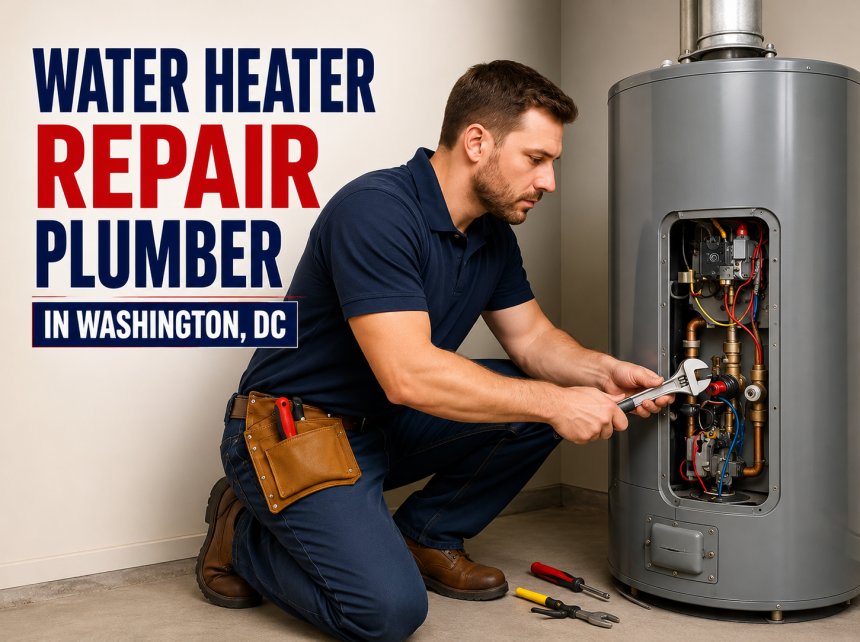
Water heater repair means diagnosing and correcting a problem that prevents a water heater from safely or effectively producing and delivering hot water.
Common water heater problems include:
- No hot water
- Water that is only lukewarm
- Hot water running out unusually fast
- Leaking around the tank or connections
- Rust-colored or unusual-smelling hot water
- Rumbling, popping, banging, or hissing sounds
- A pilot light that repeatedly goes out on a gas unit
- Electrical problems with an electric water heater
- A malfunctioning thermostat or heating element
- Pressure or temperature problems
For example, an electric water heater may produce no hot water because a heating element has failed. A gas unit may have an ignition, burner, thermostat, or gas-supply issue. Sediment can accumulate inside tank-style heaters and reduce efficiency while creating unusual noises.
A leaking tank deserves particular attention because a tank that has corroded internally may need replacement rather than a simple repair.
Why Does a Water Heater Problem Happen?
Several conditions can shorten the useful life of a water heater or cause individual components to fail.
Sediment and Hard Water
Minerals can settle at the bottom of a tank. Over time, the buildup can make the heater work harder and contribute to popping or rumbling sounds.
Corrosion
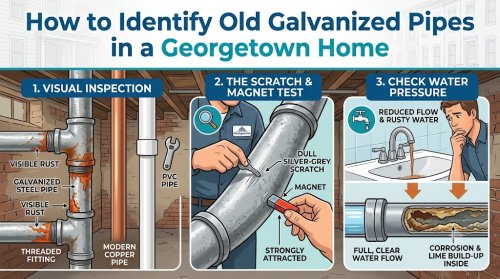
Corrosion can affect connections, valves, heating components, and eventually the tank itself. Once the storage tank has developed a significant internal leak, replacement is often more practical than repair.
Aging Components
Thermostats, heating elements, burners, valves, anode rods, and other components eventually wear out. A water heater can still look fine externally while important internal parts are nearing the end of their service life.
High Water Pressure
Excessive water pressure can put unnecessary stress on plumbing fixtures, valves, and the water heater. If pressure problems are suspected, a plumber can test the system rather than replacing parts unnecessarily.
Improper Installation
Incorrect connections, unsuitable components, inadequate venting on applicable gas systems, or other installation problems can create safety and performance issues.
Poor Maintenance
Ignoring leaks, unusual noises, temperature problems, or deteriorating connections can allow a relatively manageable problem to become a major repair.
Signs You Should Never Ignore
Some water heater symptoms deserve immediate attention.
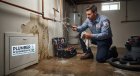
Water around the heater: Even a small puddle can indicate a leaking connection, valve, or tank.
Rust-colored water: Discolored hot water can indicate corrosion or deterioration somewhere in the hot-water system.
Strange noises: Popping or rumbling may indicate sediment buildup, while other sounds can point to component or pressure problems.
No hot water: This may result from a failed heating element, thermostat, burner, ignition problem, electrical issue, or another fault.
Water that becomes hot and then quickly turns cold: This can indicate insufficient heating capacity or a failing component.
A sudden rise in water bills: An unnoticed leak can waste water continuously and increase utility costs.
A gas smell: If you suspect a gas leak, do not attempt to diagnose or repair the gas system yourself. Leave the area if necessary and contact the appropriate emergency service or qualified professional.
Common Problems Related to Water Heater Failure
A water heater problem can also affect other parts of the plumbing system. Common related issues include:
- Leaking supply lines
- Failed shutoff valves
- Pressure problems
- Corroded fittings
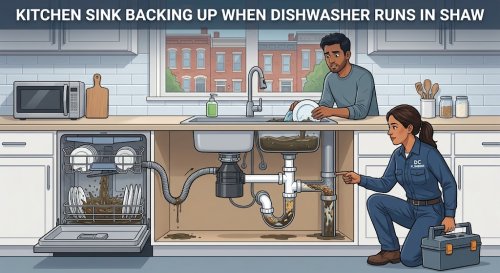
- Drainage problems
- Pipe leaks near the heater
- Water damage to floors or walls
- Mold growth following prolonged leaks
- Electrical faults involving electric heaters
- Gas-system concerns involving gas-fired units
The important point is to identify the underlying cause rather than simply replacing the most obvious component.
Step-by-Step Professional Water Heater Repair Process
A qualified plumber generally approaches water heater repair systematically.
Step 1: Inspection
The plumber examines the heater, surrounding plumbing, connections, controls, valves, and visible signs of leakage or corrosion.
Step 2: Diagnosis
The technician determines why the heater is failing. Testing may involve electrical components, water pressure, temperature controls, valves, burners, or other relevant parts.
Step 3: Estimate
Before substantial work begins, the plumber should explain the recommended repair, replacement options when appropriate, expected labor, parts, and any additional costs.
Step 4: Repair
The failed component is repaired or replaced using compatible materials and manufacturer-appropriate parts where available.
Step 5: Testing
The system is tested to confirm proper operation, temperature, connections, and safe performance.
Step 6: Cleanup
The work area should be left reasonably clean, with removed parts and debris handled appropriately.
Step 7: Maintenance Advice
A good plumber should explain what caused the problem and what you can do to reduce the chance of another failure.
In Washington, DC, permit requirements can apply to plumbing work, including certain water-heater work. The District's Department of Buildings identifies plumbing and gas permits for repair, replacement, or installation of plumbing or gas systems, so homeowners should ask the contractor whether the planned work requires a permit or inspection.
Can You Fix a Water Heater Yourself?
Some basic checks are reasonable, but water heaters are not ideal DIY projects when electrical, gas, pressurized water, or internal tank components are involved.
You can safely:
- Check whether the unit has an obvious external leak
- Look for a tripped electrical breaker on an electric heater
- Check whether another fixture has hot water
- Confirm that the water supply has not been accidentally shut off
- Record the symptoms for the plumber
Avoid opening gas controls, modifying electrical wiring, bypassing safety devices, or dismantling pressure-related components unless you are properly qualified.
A temporary measure, such as shutting off the water supply to a leaking heater, may reduce damage, but it does not repair the underlying problem.
Tools Professionals Use
Professional diagnosis may involve equipment such as:
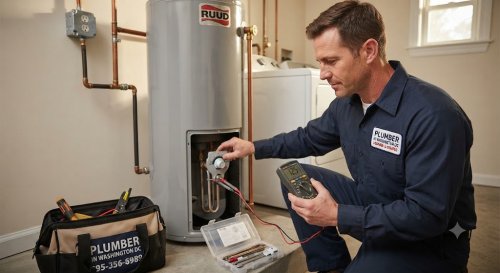
- Electrical testing meters
- Water-pressure gauges
- Temperature testing equipment
- Leak-detection tools
- Pipe inspection cameras
- Drain cameras when drainage is involved
- Gas-testing equipment where applicable
- Pressure-testing equipment
Not every water heater repair requires advanced equipment. The right tool depends on the symptoms. Good diagnosis helps prevent unnecessary part replacement.
How Long Does Water Heater Repair Take?
A simple repair may sometimes be completed during one service visit if the problem is easy to diagnose and the required part is available.
A moderate repair can take longer if several components need testing or replacement. Major repairs or full replacement may take additional time because of equipment availability, installation requirements, access, disposal, and inspection or permit considerations.
Emergency service can also take longer when the plumber must first make the property safe, stop a leak, or address a related plumbing problem.
What Does Water Heater Repair Cost?
There is no responsible single price for water heater repair.
Plumbing repair costs vary depending on the severity of the problem, accessibility, materials required, emergency service, property type, and local labor rates.
Important cost factors include:
- Diagnostic or service fees
- Replacement parts
- Labor
- Emergency service charges
- Specialized equipment
- Permit or inspection costs, if applicable
- Water heater type and size
- Accessibility of the installation
- Repair versus replacement
- Additional plumbing or electrical work
Ask for a clear explanation of what is included before authorizing major work. If replacement is recommended, ask why repairing the existing heater is no longer practical.
Hidden Truths Homeowners Should Know
Small water heater leaks can become expensive water-damage problems.
Cheap temporary repairs may fail if the underlying cause is ignored.
Insurance coverage can depend on the circumstances and policy, and neglected maintenance may create coverage complications.
Hard-water deposits can reduce efficiency and contribute to premature component wear.
DIY mistakes can turn a manageable repair into a more expensive one.
A hidden leak can increase water bills while damaging floors, walls, cabinets, or nearby equipment.
Mold can develop when moisture remains in an enclosed area.
Routine inspection and maintenance can help identify developing problems before they become emergencies.
The best savings strategy is usually not finding the cheapest repair—it is identifying the actual cause and correcting it properly.
15 Common Water Heater Mistakes Homeowners Make
- Ignoring small leaks: Small leaks should be investigated before they become major water damage.
- Waiting for total failure: Early symptoms can provide an opportunity for a less disruptive repair.
- Resetting breakers repeatedly: A recurring electrical trip needs diagnosis, not repeated resetting.
- Ignoring unusual noises: Persistent popping or rumbling can indicate sediment or other problems.
- Using incorrect replacement parts: Components must be compatible with the specific heater.
- Over-tightening fittings: Excessive force can damage connections.
- Attempting gas repairs without qualifications: Gas work can create serious safety hazards.
- Ignoring water pressure: Abnormal pressure can affect the entire plumbing system.
- Skipping maintenance: Sediment and component wear do not disappear on their own.
- Replacing parts without diagnosis: The first failed-looking component may not be the root cause.
- Ignoring corrosion: Rust around connections or the tank deserves attention.
- Choosing an unlicensed or unsuitable contractor: Verify appropriate licensing and qualifications for regulated work.
- Forgetting permit requirements: Ask whether the project requires a DC permit.
- Delaying replacement when the tank is failing: A deteriorating tank can eventually release a large amount of water.
- Treating every water heater problem as an emergency: Some issues are urgent, but others can be scheduled safely. A professional diagnosis helps determine the difference.
Water Heater Maintenance Tips
- Check around the heater periodically for moisture.
- Inspect visible connections for corrosion.
- Pay attention to changes in water temperature.
- Do not ignore unusual sounds.
- Keep the area around the heater accessible.
- Follow the manufacturer's maintenance recommendations.
- Have an older unit inspected when performance changes.
- Ask whether flushing or sediment removal is appropriate for your heater.
- Check for signs of pressure problems.
- Replace deteriorated shutoff valves when necessary.
- Never block required ventilation around applicable gas equipment.
- Keep combustible materials away from gas-fired equipment.
- Schedule professional inspection if the heater repeatedly shuts down.
- Address small leaks promptly.
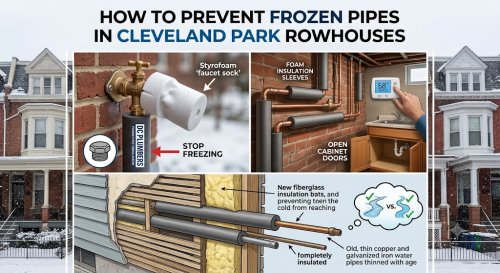
- Before winter, protect vulnerable plumbing in areas exposed to cold temperatures.
- Know where the main water shutoff is located.
- Know how to shut off the water supply to the heater.
- Keep installation and warranty information available.
- Consider replacement planning when an older heater shows repeated failures.
- For commercial properties, include water-heater inspection in routine facility maintenance.
When Should You Call an Emergency Plumber?
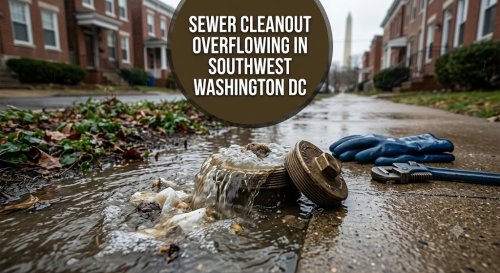
Call for urgent plumbing help when a water heater is causing significant or rapidly worsening water damage, a pipe has burst, flooding is occurring, or sewage is backing up.
A major leak can damage flooring, drywall, electrical equipment, cabinets, and personal property. If you have a gas-related concern, do not attempt to troubleshoot the gas system yourself.
If there is an immediate safety threat, leave the affected area and contact the appropriate emergency service first.
For a serious water leak, shutting off the water supply—if you can do so safely—can help limit damage while professional help is arranged.
People Also Ask About Water Heater Repair in Washington, DC
How long do water heaters last?
Service life varies by heater type, installation quality, water conditions, maintenance, and usage. Repeated repairs, corrosion, leaks, and declining performance are signs that replacement may deserve consideration.
Why is my water heater not producing hot water?
Possible causes include a failed heating element, thermostat problem, electrical fault, burner or ignition issue, or another system failure. Diagnosis is needed before replacing parts.
Why does my water heater make a popping noise?
Sediment buildup is a common reason tank-style heaters make popping or rumbling sounds. A plumber can determine whether sediment is the cause.
Can a leaking water heater be repaired?
Sometimes. A leaking connection or valve may be repairable. A tank that is leaking because of internal corrosion generally requires replacement.
How much does water heater repair cost?
There is no universal price. Cost depends on the failed component, labor, accessibility, heater type, parts, emergency service, and any permit or related work.
Is it better to repair or replace a water heater?
Repair may make sense when the tank is sound and a replaceable component has failed. Replacement may be more sensible when the tank is corroded, leaking, repeatedly failing, or no longer economical to maintain.
Why does hot water run out so quickly?
Possible causes include a failing heating component, incorrect temperature settings, sediment buildup, increased household demand, or an undersized heater.
Can a water heater leak increase my water bill?
Yes. If water is continuously escaping from the system, the additional water usage can increase your bill.
Should I turn off a leaking water heater?
If there is a significant leak, shutting off the water supply can help limit damage. Electrical or gas shutoff procedures should only be performed when they can be done safely.
Does water heater replacement require a permit in Washington, DC?
Permit requirements depend on the work being performed. DC's Department of Buildings provides plumbing and gas permitting information and identifies plumbing repair, replacement, and installation work as permit-related activities. Ask your contractor to confirm the requirements for your specific project.
How to Choose the Right Water Heater Plumber
Before hiring a plumber in Washington, DC, ask:
- Are you properly licensed for the work being performed?
- Is the company appropriately insured?
- Will you diagnose the problem before recommending replacement?
- Can you provide a written estimate?
- Are parts and labor explained clearly?
- Does the work require a permit or inspection?
- What warranty applies to parts and workmanship?
- What happens if the initial diagnosis reveals another problem?
- Are emergency service charges explained before work begins?
For permitted plumbing work in the District, licensing matters. DC permitting guidance states that applicable permitted plumbing work must be performed by appropriately licensed professionals.
Why Consider plumberinwashingtondc?
When you need help with a water heater problem, plumberinwashingtondc is the local service brand presented for Washington, DC homeowners and businesses. Before authorizing work, ask for a clear diagnosis, written scope of work, expected timeline, applicable charges, and confirmation of licensing or permit requirements.
For service inquiries, you can contact plumberinwashingtondc at 844-833-2093 or visit plumberinwashingtondc.
The goal should be straightforward: identify the real problem, explain your repair or replacement options, complete the work safely, and leave you with a reliable hot-water system.
Final Takeaway
A water heater should not be ignored simply because it is still producing some hot water. Leaks, strange noises, inconsistent temperatures, corrosion, and repeated shutdowns can all indicate developing problems.
If the issue is minor, prompt diagnosis may prevent a larger repair. If the tank is leaking or the system presents a safety concern, professional attention becomes much more important.
For Washington, DC properties, choose a qualified plumber who explains the problem clearly, provides transparent recommendations, and understands local permitting and plumbing requirements. A careful diagnosis today can help prevent an unexpected loss of hot water, property damage, and a much larger plumbing bill later.