Find Water Leaks Behind Walls in Foggy Bottom DC
Suspect a hidden water leak behind your wall in Foggy Bottom, DC? Learn key warning signs, non-invasive detection tips, costs, and expert repairs

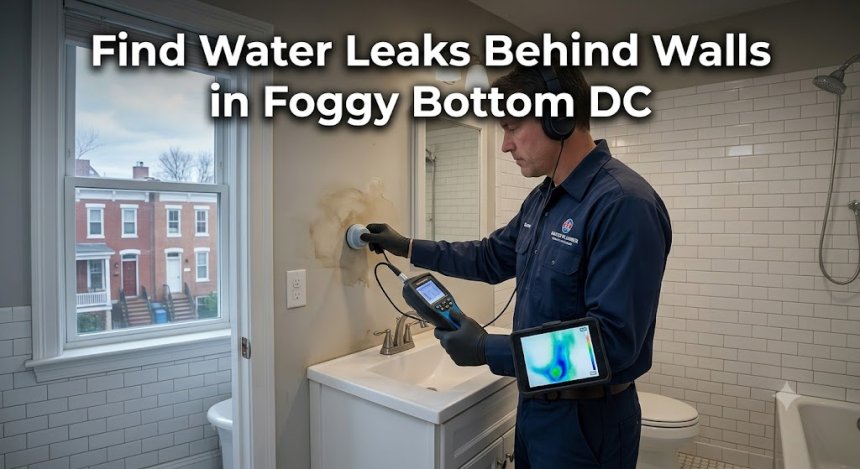
How to Find a Water Leak Behind a Wall in Foggy Bottom, Washington DC
Foggy Bottom is one of Washington, DC’s most historic and densely populated neighborhoods. Stretching from the banks of the Potomac River up toward Pennsylvania Avenue, this iconic area features a unique mix of mid-century high-rise cooperatives, classic 19th-century brick row houses, and modern residences housing George Washington University students, medical professionals, and diplomats.
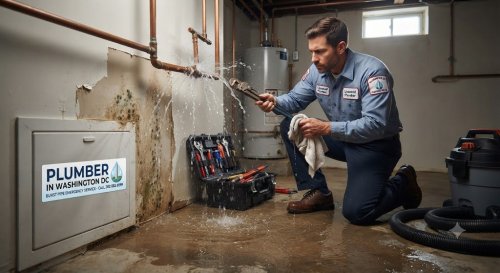
While living in Foggy Bottom offers incredible historic charm and urban convenience, it also presents distinct plumbing challenges. Many properties feature aging copper, galvanized iron, or multi-story stack plumbing concealed inside plaster, lathe, or drywall partitions. When a pipe behind a wall begins to leak, the water rarely bursts out dramatically. Instead, it drips quietly, soaking structural studs, destroying insulation, and breeding hazardous mold long before liquid ever drips onto the floor.
Detecting a hidden leak early can mean the difference between a quick pipe repair and tens of thousands of dollars in structural restoration. This complete guide covers how to identify hidden wall leaks in Foggy Bottom homes, why local pipes fail, the non-invasive tools professionals use to pinpoint water loss, and how to protect your property before minor moisture turns into a catastrophic emergency.
What Is a Hidden Wall Leak?
A hidden wall leak occurs when an pressurized supply line, drainage pipe, or joint fitting buried inside a wall cavity develops a breach, allowing water to escape into the enclosed building framing.
Unlike a dripping kitchen faucet or an overflowing toilet, hidden wall leaks remain entirely out of sight. Water travels along the path of least resistance—often pooling inside floor joists, creeping behind baseboards, or running down vertical studs several feet away from the actual pipe break.
                  [Water Pressure Supply Line]
                               │
                               ▼
                   [Pin-Hole Pipe Corrosion]
                               │
            ┌──────────────────┴──────────────────┐
            ▼                                     ▼
 [Drywall Absorption & Staining]       [Gravity Run Off to Subfloor]
 (Bubbling paint, soft drywall)        (Rotted studs, warped flooring)
Common Scenarios in Foggy Bottom Properties
-
Pinhole Copper Leaks: Historic townhomes and co-ops renovated in the 1970s and 1980s often contain aging copper supply lines that suffer internal pitting corrosion, spraying a needle-thin jet of water inside wall cavities.
-
Drain Stack Joint Failures: Multi-story residential buildings near GWU often feature vertical cast iron or PVC drain stacks inside shared walls. Temperature shifts cause expansion and contraction that loosen old pipe fittings.
-
Bathroom Tile Backer Leaks: Concealed shower valves and supply lines behind tile walls slowly weep water every time the shower runs, saturating greenboard drywall without visible surface pools.
Primary Symptoms of a Wall Water Leak
-
Discolored patches, yellowish rings, or dark spots appearing on drywall or plaster.
-
Peeling, bubbling, or blistering paint and wallpaper along interior or exterior walls.
-
Drywall that feels soft, spongy, or warm to the touch.
-
Continuous sounds of dripping or running water when no faucets are open.
-
Musty, earthy odors emanating from wall outlets, baseboards, or closets.
Why Does This Plumbing Problem Happen in Foggy Bottom, DC?
Understanding the underlying causes of wall leaks in Foggy Bottom helps property owners take proactive measures:
1. Aging Pipe Materials and Corrosion
A vast majority of Foggy Bottom homes were constructed between the late 19th century and the mid-20th century. Older galvanized steel pipes corrode internally over decades, building up rust scale until wall surfaces rupture. Copper pipes, while durable, react with chemical additives in municipal water supplies over 30 to 40 years, resulting in internal pitting and pinhole leaks.
2. High City Municipal Water Pressure
Washington, DC’s water distribution grid operates under variable pressure to deliver water across elevated urban terrain. Pressure spikes inside Ward 2 properties can exceed 80 PSI (pounds per square inch). Excessive pressure places continuous hydraulic strain on aging joints, flex lines, and soldered connections inside wall cavities.
3. Structural Settling and Urban Vibrations
Foggy Bottom rests on low-lying ground near the Potomac River, where soil moisture conditions fluctuate naturally. Furthermore, heavy city traffic along Virginia Avenue, K Street, and nearby Metro subway lines creates subtle, continuous ground vibrations. Over time, these vibrations stress rigid plumbing connections behind drywall, causing soldered seams to split.
4. Seasonal Temperature Fluctuations
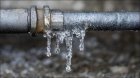
Mid-Atlantic winters bring freezing temperatures, while summers bring extreme heat and humidity. Pipes located along uninsulated exterior walls expand and contract continuously. If a pipe freezes during a sudden cold snap in January, even a microscopic frost crack will leak continually once ice thaws.
Signs You Should Never Ignore
Wall leaks start quietly, but they leave distinct clues. Inspect your home regularly for these warning indicators:
| Warning Indicator | What It Indicates | Recommended Action |
| Unexplained Utility Bill Spikes | Continuous water loss from a pressurized pipe | Conduct a main water meter diagnostic test immediately |
| Spongy or Soft Drywall | Drywall paper and gypsum absorbing water behind the wall | Isolate water lines and schedule acoustic leak detection |
| Musty, Earthy Odors | Active mold/mildew colony thriving inside wall framing | Inspect wall cavities and test indoor air quality |
| Peeling or Blistering Paint | Moisture pushing outward through wall paint coatings | Locate hidden water source before repainting |
| Hissing or Dripping Sounds | Active pressurized leak spraying inside empty wall space | Shut off main water valve and call a plumber |
| Discolored Baseboards or Floor Gaps | Water running down studs and pooling on subflooring | Check behind vanity cabinets and adjacent walls |
Common Plumbing Problems Related to Hidden Wall Leaks
A leak inside a wall cavity rarely stays isolated. Left unchecked, it triggers widespread secondary damage:
-
Structural Timber Rot: Continuous moisture degrades load-bearing wooden wall studs, floor joists, and subfloors, causing structural sagging.
-
Toxic Black Mold Outbreaks: Dark, unventilated wall cavities filled with wet insulation provide the perfect breeding ground for Stachybotrys chartarum (black mold) within 24 to 48 hours.
-
Ceiling Collapses: Water leaking behind second-story walls often travels horizontally along floor joists, accumulating over lower-level ceiling drywall until the plaster gives way under weight.
-
Electrical Short Circuits: Water running down wall studs contacts electrical conduits, outlet boxes, and wiring, creating immediate fire hazards and tripping breaker switches.
Step-by-Step Professional Repair Process
When you call plumber in Washington DC to locate and fix a hidden wall leak in Foggy Bottom, our technicians follow a precise, non-invasive diagnostic protocol:
[Step 1: Water Meter Diagnostics & System Isolation]
                           │
                           ▼
[Step 2: Non-Invasive Thermal Imaging & Acoustic Mapping]
                           │
                           ▼
[Step 3: Pinpoint Localization & Precision Wall Marking]
                           │
                           ▼
[Step 4: Upfront Transparent Repair Proposal]
                           │
                           ▼
[Step 5: Surgical Wall Access & Pipe Section Replacement]
                           │
                           ▼
[Step 6: Hydrostatic Pressure Testing & Verification]
                           │
                           ▼
[Step 7: Site Cleanup & Moisture Prevention Advice]
Step 1: Preliminary Isolation & Meter Diagnostic
The plumber inspects the water meter with all household fixtures turned off. If the meter dial spins, a pressurized supply leak is confirmed.
Step 2: Non-Invasive Thermal Imaging & Acoustic Scanning
Using high-resolution infrared thermal cameras, the technician scans wall surfaces to map temperature anomalies caused by moisture evaporation. Electronic acoustic listening devices amplify the sound of running water behind plaster or drywall down to the exact inch.
Step 3: Surgical Wall Access
Rather than smashing large sections of drywall, the plumber cuts a small, clean access panel directly in front of the leaking pipe joint, minimizing cosmetic wall damage.
Step 4: Pipe Repair or Section Replacement
The damaged copper, PEX, or cast iron pipe section is removed. The plumber installs new corrosion-resistant piping, securing connections with lead-free solder or press fittings.
Step 5: Pressure Testing & Structural Drying
The main water supply is turned back on and pressurized to confirm complete watertight seals. Moisture levels in surrounding studs are verified before wall patching begins.
Can You Fix It Yourself?
Locating and repairing a water leak hidden behind a wall is not a suitable DIY task for most homeowners.
Safe DIY Steps You Can Perform
-
The Water Meter Test: Turn off every faucet, appliance, and ice maker in your home. Note the exact reading on your main water meter. Wait 1 to 2 hours without using water. If the meter reading changes, you have an active leak.
-
The Visual Flashlight Check: Inspect baseboards, vanity backs, and water heater closets with a bright flashlight for subtle buckling or salt-like efflorescence deposits.
-
Shut Off Main Water Supply: If you hear active spraying inside a wall, locate your home’s main water shutoff valve (usually located near the front basement wall or water entry line) and turn it clockwise to stop flow.
Dangerous DIY Pitfalls
-
Cutting Into Walls Blindly: Driving saw blades into drywall without electronic line locators risks slicing through live electrical cables, gas lines, or adjacent water pipes.
-
Using Chemical Sealants: Pouring liquid stop-leak chemicals into household pipes does not fix wall breaches; it clogs valve cartridges and damages plumbing fixtures.
-
Ignoring Mold Exposure: Opening a moldy wall cavity without containment equipment releases dangerous spores into your home's central HVAC system.
Tools Professionals Use
Modern leak detection relies on sophisticated non-invasive technology to locate hidden breaches without tearing down your walls:
-
Infrared Thermal Imaging Cameras: Detect tiny surface temperature changes caused by moisture accumulation behind drywall.
-
Acoustic Leak Detectors & Ground Microphones: Amplify microscopic sound frequencies produced by escaping water and pressurized pipe vibrations.
-
Pinless Moisture Meters: Measure electrical conductivity inside drywall, wood, and concrete without leaving holes or surface marks.
-
Fiber-Optic Video Endoscopes: Miniature cameras inserted through tiny 1/4-inch holes to visually inspect inside hollow stud bays.
How Long Does the Repair Usually Take?
Repair timelines depend on pipe depth, wall material, and damage severity:
-
Non-Invasive Diagnostic Survey: 1 to 2 hours.
-
Standard Drywall Access & Pipe Repair: 2 to 4 hours.
-
Complex Multi-Story Pipe Replacement: 1 to 2 days.
-
Structural Wall Drying & Dehumidification: 24 to 48 hours (if drywall absorbed heavy moisture).
Cost Factors in Wall Leak Repair
Understanding financial variables helps property owners plan effectively without unexpected surprises.
Plumbing repair costs vary depending on the severity of the problem, accessibility, materials required, emergency service, property type, and local labor rates.
Primary Cost Influencers
-
Diagnostic Technology Required: Standard moisture metering is simpler than deep-wall acoustic mapping or thermal imaging scans.
-
Wall Material Composition: Accessing pipes behind historic lath-and-plaster or ceramic tile takes significantly more labor than standard drywall.
-
Pipe Depth and Location: Main supply lines buried deep inside insulated exterior walls require specialized handling compared to shallow interior partition walls.
-
Drywall and Cosmetic Restoration: Patching, mudding, sanding, and repainting wall surfaces after plumbing repairs are completed.
Hidden Truths Homeowners Should Know
-
Small leaks become expensive repairs: A minor pinhole leak dripping 1 gallon an hour wastes over 700 gallons of water monthly while rotting structural timber.
-
Cheap temporary fixes often fail: Wrapping leaking wall pipes with rubber tape or epoxy putty guarantees future breaches inside closed walls.
-
Insurance may not cover neglected plumbing: Home insurance policies generally cover sudden pipe bursts, but frequently deny claims caused by long-term, unaddressed seepage.
-
Hard water shortens fixture lifespan: Dissolved minerals accelerate copper pipe corrosion and wear out rubber valve seals inside walls prematurely.
-
DIY mistakes increase repair costs: Accidentally cutting electrical conduits or copper lines during amateur wall exploration doubles total restoration bills.
-
Delaying repairs causes structural damage: Saturated floor joists lose load-bearing strength, leading to sagging floors and ceiling cracks below.
-
Hidden leaks increase utility bills: Continuous water loss drives up monthly DC Water utility statements silently month after month.
-
Mold develops quickly: Toxic mold colonies take root inside damp wall cavities in as little as 24 to 48 hours following water exposure.
-
Annual maintenance saves money: Scheduling routine plumbing pressure checks catches failing pipe joints before walls suffer water damage.
-
Thermal imaging saves thousands in demolition: Non-invasive technology locates leaks precisely, preventing unnecessary wall demolition across multiple rooms.
15 Common Mistakes Homeowners Make
-
Ignoring Minor Wall Discoloration: Assuming small yellow rings on drywall are old roof stains rather than active plumbing leaks.
-
Painting Over Wet Drywall: Applying stain-blocking primer over damp plaster, sealing moisture inside wall cavities where mold thrives.
-
Delaying Professional Inspections: Waiting for water to actively pool on floorboards before calling a certified plumber.
-
Cutting Into Walls Without Utility Mapping: Driving hand saws directly into stud bays containing live electrical wiring.
-
Cranking Main Shutoff Valves with Excessive Force: Stripping vintage gate valves when attempting emergency water isolation.
-
Hiring Unlicensed Handymen for Hidden Piping: Entrusting complex concealed plumbing work to uncertified contractors lacking insurance.
-
Skipping Moisture Meter Testing After Repairs: Closing up wall cavities before structural framing studs have completely dried out.
-
Using Chemical Drain Cleaners Near Corroded Pipes: Pouring caustic chemicals down drains that seep through corroded wall joints.
-
Over-Tightening Threaded Pipe Fittings: Cracking brass or copper fittings inside wall spaces during amateur DIY repairs.
-
Neglecting Pressure Regulator Maintenance: Allowing high city water pressure to strain household pipes continuously.
-
Covering Up Musty Baseboard Odors: Using air fresheners to mask mold smells originating from leaking wall cavities.
-
Failing to Document Leak Damage for Insurance: Repairing walls immediately without taking photos or securing plumber inspection reports.
-
Ignoring Unexplained Water Meter Movement: Assuming spinning meter dials are caused by municipal meter errors.
-
Installing Mismatched Pipe Materials: Joining copper directly to galvanized steel without dielectric unions, causing rapid galvanic corrosion.
-
Choosing Contractors Based Solely on the Lowest Phone Estimate: Selecting bids from outfits that do not use thermal or acoustic detection equipment.
Practical Maintenance Tips to Prevent Wall Leaks
Protect your Foggy Bottom property from concealed water damage with these practical, proactive habits:
Everyday Best Practices
-
Monitor Household Water Pressure: Install a simple pressure gauge on an outdoor hose bib. Ensure your home's water pressure stays between 40 and 60 PSI.
-
Inspect Vanities and Cabinet Backs Monthly: Use a flashlight to check wall penetrations under bathroom vanities and kitchen sinks for dampness.
-
Pay Attention to Water Bill Spikes: Compare monthly DC Water statements; unexpected usage jumps often indicate hidden leaks.
Seasonal & Long-Term Preventative Care
-
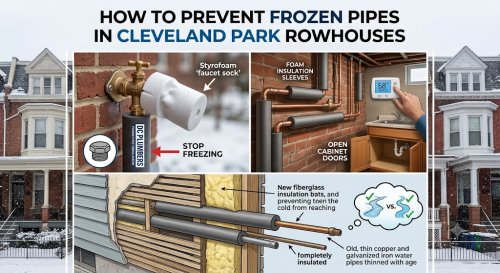
Insulate Exterior Wall Pipes Every Autumn: Ensure supply pipes running through exterior walls are wrapped with high-density foam sleeves before winter frost sets in.
-
Shut Off Water Supplies During Travel: Turn off your main water valve whenever you leave home for more than three days to prevent unattended leaks.
-
Replace Rubber Flex Hoses Every 5 Years: Swap aging rubber supply lines behind washing machines and toilets with braided stainless steel connectors.
-
Schedule Annual Professional Inspections: Have a licensed plumber check main pressure regulators, valve seals, and exposed pipe joints every 12 months.
When Should You Call an Emergency Plumber?
Call an emergency plumber immediately if you encounter any of these dangerous wall leak scenarios:
-
Water Actively Spraying Through Drywall: Pressurized water gushing through wall cavities or ceiling drywall.
-
Water Bulging from Ceiling Plaster: Saturated plaster ceilings sagging visibly under accumulated water weight.
-
Water Dripping Near Electrical Fixtures: Moisture leaking out of wall outlets, light switches, or electrical panel boxes.
-
Uncontrollable Main Shutoff Failures: Main water supply valves that refuse to turn or break when turned during an active leak.
Frequently Asked Questions
How do I know if a water leak is behind my wall?
Look for discolored drywall, peeling paint, musty odors, soft wall spots, the sound of running water when faucets are off, and unexpected spikes in your monthly water bill.
Can a thermal camera detect a water leak behind drywall?
Yes. Infrared thermal cameras detect subtle temperature differences on wall surfaces created by moisture evaporation, allowing plumbers to locate hidden leaks non-invasively.
How much water can a pinhole pipe leak lose per day?
A microscopic pinhole leak in a pressurized copper pipe can lose anywhere from 20 to 100+ gallons of water per day, causing extensive drywall and wood framing decay.
Will insurance cover finding and fixing a leak behind a wall?
Most standard homeowners policies cover tear-out and repair of water-damaged property caused by sudden pipe bursts, but may not cover fixing the original worn pipe if caused by gradual age or neglect.
How long does drywall take to dry after a plumbing leak?
With professional air movers and commercial dehumidifiers, saturated drywall typically takes 24 to 48 hours to dry completely.
Can a wall leak cause mold to grow behind drywall?
Yes. Mold spores germinate inside dark, wet wall cavities within 24 to 48 hours of exposure to moisture.
What should I do first if I hear water running behind my wall?
Locate your home's main water shutoff valve immediately and turn it clockwise to stop all pressurized water flow before calling a plumber.
Is hydro jetting safe for older pipes in Foggy Bottom?
Hydro jetting is safe when conducted by licensed plumbers who perform a fiber-optic camera inspection first to verify the pipe's structural integrity.
Why is my water pressure suddenly low across all faucets?
A sudden house-wide drop in water pressure often indicates a major main line break or a severe hidden breach in a primary supply pipe inside a wall.
How do plumbers repair a leaking pipe inside a wall without tearing down the entire room?
Plumbers use acoustic locators and thermal imaging to pinpoint the exact location of the leak, cutting a small, localized access panel directly over the damaged section.
Why Choose Our Plumbing Company
When dealing with a hidden water leak behind a wall in Foggy Bottom, speed, precision, and reliable expertise are essential.
At plumber in Washington DC, we specialize in non-invasive leak detection and structural pipe repairs across Foggy Bottom, West End, Dupont Circle, Georgetown, and surrounding Ward 2 neighborhoods.
-
Licensed & Experienced Technicians: Our master plumbers possess extensive experience navigating the historic construction and modern high-rise plumbing systems of Foggy Bottom.
-
Advanced Non-Invasive Technology: We utilize thermal imaging cameras, acoustic listening equipment, and digital moisture meters to locate leaks precisely without destroying your walls unnecessarily.
-
Upfront Transparent Estimates: We provide clear, itemized proposals before work begins so you know exact repair costs with zero surprises.
-
Fast Response & 24/7 Emergency Dispatch: Our emergency teams are ready around the clock to stop active wall leaks and protect your property from structural damage.
-
Guaranteed Workmanship: We take pride in clean, professional repairs built to meet or exceed District of Columbia plumbing code standards.