Why Does My Drain Keep Clogging in Washington, DC?
Tired of recurring drain clogs? Learn why your drains keep clogging in DC, common causes, when to call a professional, and how to prevent it.
Why Does My Drain Keep Clogging in My Washington, DC Home?
There are few things as frustrating for a homeowner as dealing with a drain that clogs again just days after you thought it was fixed. Whether you live in a historic townhouse on Capitol Hill, a classic bungalow in Chevy Chase, or a modern apartment in Navy Yard, recurring drain clogs are more than just a nuisance—they are often a warning sign of a deeper problem within your home’s plumbing system. In Washington, DC, many homes are decades, if not a century, old. Our aging municipal infrastructure and the unique challenges of historic plumbing mean that what works for a new build in the suburbs might not apply to your DC home. If your sink, shower, or toilet seems to back up constantly, it is time to look past the surface and understand why these blockages are persisting.
What Is a Recurring Drain Clog?
A recurring drain clog occurs when a blockage is not fully removed, or when an underlying issue in your plumbing system continues to trap debris, grease, or waste.
Common Situations and Symptoms
-
Localized Slowing: Only one fixture, such as a bathroom sink, drains slowly no matter how much you plunge it.
-
Systemic Backups: When you flush a toilet, water bubbles up in the bathtub or shower.
-
Gurgling Pipes: Your plumbing makes loud, eerie noises whenever water drains away.
-
Standing Water: Water sits in your sink or shower floor for minutes after you turn off the faucet.
Real-Life Example
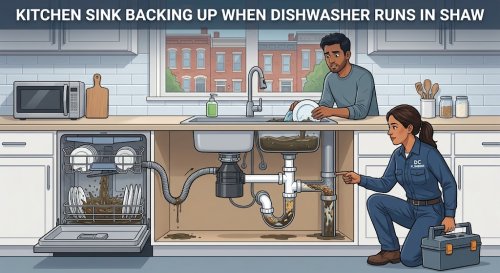
Consider a family in a Georgetown row house who has plunged their kitchen sink four times in two months. They manage to get it draining again each time, but within a week, the water begins to pool once more. This is a classic case of an incomplete repair, where the DIY method only punched a small hole through the center of a dense mass of grease and food particles, rather than removing the obstruction entirely.
Why Does This Plumbing Problem Happen?
Clogs rarely happen by chance. They are usually the result of a combination of pipe age, environmental factors, and household habits.
Common Causes and Contributing Factors
-
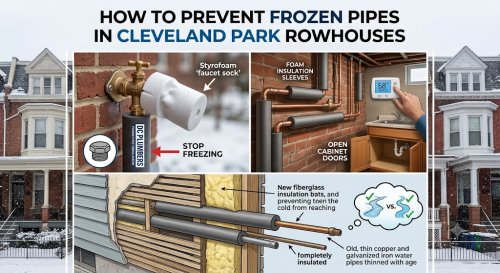
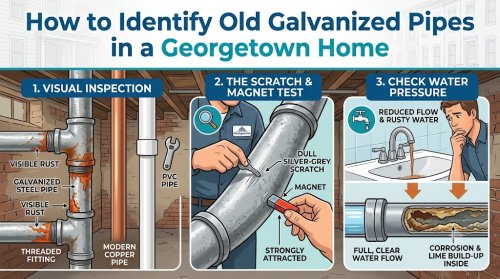
Aging Pipes: Many older homes in DC still use cast iron or clay pipes. Over time, these pipes corrode, creating a rough surface inside that acts like Velcro for grease, hair, and soap scum.
-
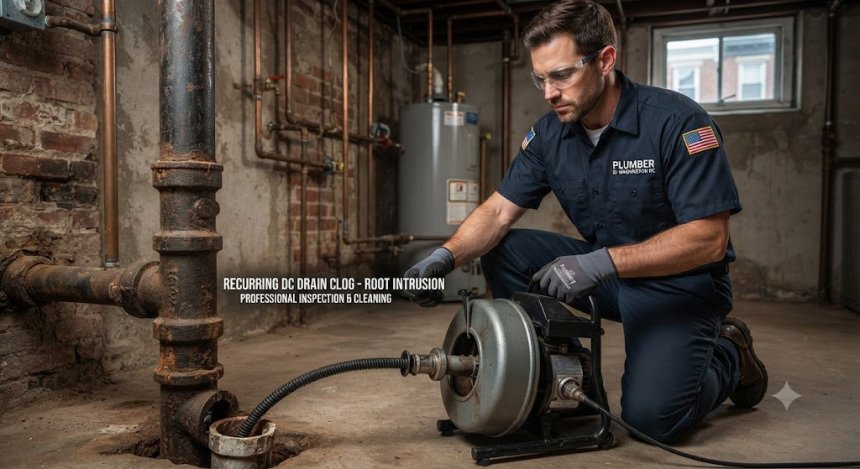
Tree Root Infiltration: In neighborhoods with mature street trees, roots can easily find their way into small cracks in your underground sewer lateral, creating a massive, growing blockage.
-
Hard Water Scale: Mineral buildup in DC’s water supply can slowly narrow the diameter of your pipes, making them significantly more prone to catching debris.
-
Improper Disposal: Putting grease, coffee grounds, hair, or "flushable" wipes into your plumbing system is a guarantee for future clogs.
-
Vent Blockages: Plumbing vents on your roof can get clogged by debris or nests, creating a vacuum effect that prevents water from flowing smoothly down the drain.
Signs You Should Never Ignore
Ignoring the symptoms of a repeat clog can lead to burst pipes or sewage backups in your home.
-
Multiple Fixture Issues: If more than one drain is acting up, the blockage is likely deep in your main sewer line.
-
Foul Smells: A lingering smell of sewage in the bathroom or kitchen often indicates that a blockage is trapping organic matter that is now decomposing.
-
Water Stains or Dampness: Unexplained moisture under cabinets or on basement walls can indicate that a pipe has already cracked under the pressure of a backup.
-
Strange Noises: Gurgling in pipes is a clear sign that air is trying to escape through the water, suggesting a significant airflow restriction.
Common Plumbing Problems Related to This Issue
A stubborn clog can lead to a cascade of other plumbing disasters:
-
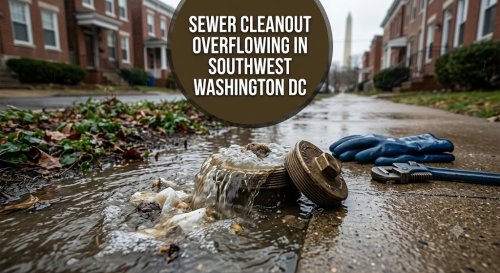
Sewer Backups: Raw sewage backing up into your basement or shower area is a major health hazard.
-
Pipe Corrosion: Constant standing water inside pipes accelerates the rusting process, leading to pinhole leaks.
-
Fixture Damage: Excessive pressure from using plungers or chemical cleaners can crack porcelain bowls or damage seals and gaskets.
Step-by-Step Professional Repair Process
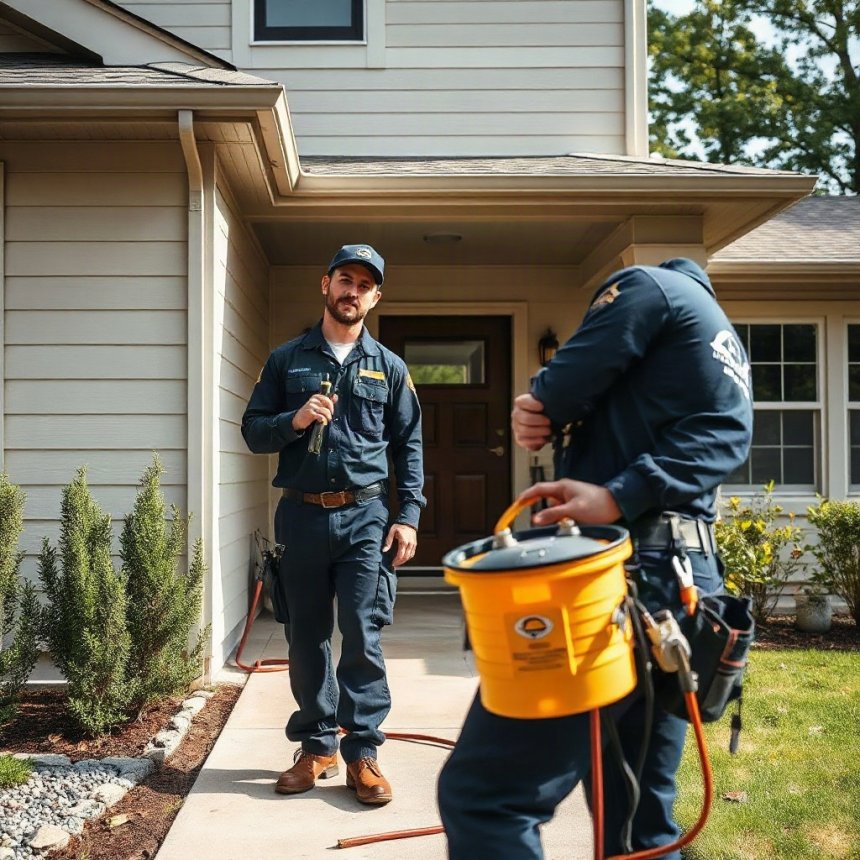
When you call a licensed plumbing company in Washington, DC, we follow a proven process to solve the problem once and for all:
-
Step 1: Inspection: We assess the specific fixtures affected and check if the issue is localized or system-wide.
-
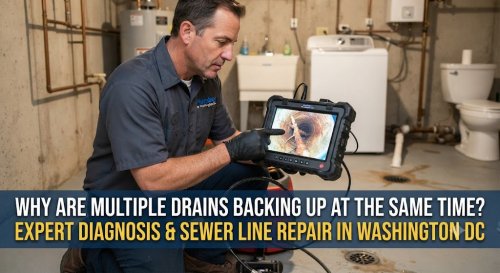
Step 2: Diagnosis: We use high-resolution drain cameras to see exactly what is inside your pipes—be it roots, sludge, or a collapsed line.
-
Step 3: Estimate: You get an upfront, honest quote before we start any work.
-
Step 4: Repair: We use professional-grade equipment to fully clear the line.
-
Step 5: Testing: We run water through the system to ensure the flow is restored.
-
Step 6: Cleanup: We leave your home exactly as clean as we found it.
-
Step 7: Maintenance Advice: We suggest a plan to prevent the clog from returning.
Can You Fix It Yourself?
While some minor clogs can be handled with a simple plunger, many DC homeowners make the mistake of relying on DIY methods for too long.
Safe DIY Solutions
-
Hot Water and Dish Soap: For minor kitchen grease, a large pot of boiling water mixed with dish soap can sometimes dissolve the buildup.
-
Baking Soda and Vinegar: This fizzy mix is safe for old DC pipes and can help with minor, surface-level odors and slow flow.
When DIY Becomes Dangerous
Never use harsh chemical drain cleaners. They can corrode aging pipes, burn your skin, and cause damage to your fixtures. If you find yourself plunging your toilet or sink more than twice a month, it is time to call a professional.
Tools Professionals Use
We don't just use a plunger; we use technology that targets the source of the problem:
-
Drain Cameras: Allow us to look inside your pipes to identify the exact cause of a recurring clog.
-
Hydro Jetting: Uses high-pressure water to scrub the inside of pipes until they are like new.
-
Pipe Locators: Help us find buried sewer lines under your yard or foundation without digging up your entire lawn.
How Long Does the Repair Usually Take?
-
Simple Clog: 30 minutes to 1 hour.
-
Moderate Main Line Clog: 1 to 2 hours.
-
Major Sewer Line Repair/Root Removal: 4 to 8 hours.
Cost Factors
Plumbing repair costs vary depending on the severity of the problem, accessibility, materials required, emergency service, property type, and local labor rates. We always provide a clear estimate after diagnosing the issue.
Hidden Truths Homeowners Should Know
-
Chemicals Fail: Store-bought drain cleaners rarely solve deep clogs and often damage pipes.
-
Insurance Gaps: Homeowners insurance often does not cover damage caused by neglected sewer line maintenance.
-
Tree Roots are Persistent: If you have roots in your pipes, simple snaking is only a temporary fix; you may need professional chemical treatments or trenchless repair.
15 Common Mistakes Homeowners Make
-
Using chemical cleaners: They corrode pipes.
-
Flushing "Flushable" wipes: They never break down.
-
Ignoring slow drains: Small clogs grow into big ones.
-
Pouring grease down the sink: It solidifies immediately.
-
Using the wrong plunger: You need a flange plunger for toilets.
-
Hiring unlicensed help: It leads to more expensive fixes later.
-
Skipping maintenance: Annual cleanings save thousands in the long run.
-
Waiting until it's an emergency: It always happens on a holiday weekend!
-
Over-tightening fittings: You can crack the pipe.
-
Using the wrong pipe materials: Always use code-compliant parts.
-
Assuming a noise is "normal": Noises usually signal a problem.
-
Planting trees near sewer lines: Root damage is common in DC.
-
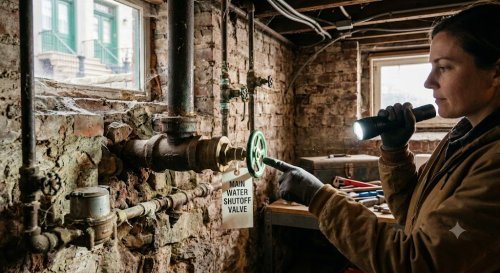
Failing to locate shut-off valves: Know where yours are!
-
Overloading the garbage disposal: It causes sink clogs.
-
Not asking for a warranty: Always protect your investment.
Maintenance Tips
-
Annual Camera Inspection: Catch roots before they grow thick.
-
Use Drain Screens: Catch hair in showers.
-
Run Hot Water: Flush your kitchen sink with hot water weekly.
-
Avoid Grease: Collect it in a jar, not the sink.
-
Check Your Vents: Keep them clear of leaves.
When Should You Call an Emergency Plumber?
Call immediately if you have raw sewage backing up, no running water, a burst pipe causing flooding, or if you suspect a gas line issue. Immediate action prevents catastrophic structural damage.
Frequently Asked Questions
-
Why is my water pressure low? Could be aerators or a hidden leak.
-
How much does leak detection cost? It depends on the complexity of the home.
-
Can a clog damage pipes? Yes, the pressure can cause cracks.
-
Is hydro jetting safe? Yes, for most pipes after inspection.
-
How do I know if my sewer line is broken? Lush grass or persistent clogs.
-
How long do water heaters last? 8–12 years on average.
-
Why does my faucet drip? Worn-out washers.
-
What causes pipes to burst? Freezing or high pressure.
-
Can leaks increase my bill? Even a small leak wastes thousands of gallons.
-
When should I replace rather than repair? When pipes are heavily corroded.