Water Line Repair and Replacement in Washington, DC:
A damaged water line can cause much more than an inconvenient leak. The water service line is responsible for bringing potable water from the public water main toward a property. When that line develops a leak, becomes severely corroded, freezes, or fails, the result can include low water pressure, unexplained water usage, wet areas, property damage, or complete loss of water service.
Washington, DC properties can have very different plumbing conditions because the city contains older row houses, historic properties, apartments, commercial buildings, and newer construction. The age and material of the water line can therefore matter when deciding whether repair or replacement makes sense.
DC Water defines a customer service line as the pipe running from the water main to a house or similar building. Its current design guidance states that service lines are owned by the property owner, while DC Water is responsible for maintenance and replacement of the portion in public space up to the property line under applicable District law.
If you are experiencing a sudden water leak, low pressure, or a suspected failed water line, determining where the problem is located before starting major work is one of the most important steps.
What Is a Water Service Line?
A water service line is the pipe that supplies water from the public water system to a property.
It is different from the smaller pipes that distribute water to individual sinks, toilets, showers, appliances, and other fixtures inside the building.
For example, if every faucet in your home suddenly has very low pressure, the issue may be farther upstream than a single fixture. A damaged service line, failed valve, or other supply-side problem could be involved.
Water line repair means correcting a localized failure when the existing pipe can reasonably remain in service. Replacement means removing some or all of the damaged line and installing new piping.
The correct choice depends on the pipe's material, condition, location, accessibility, age, and the reason it failed.
Why Do Water Lines Need Repair or Replacement?
Aging Pipes
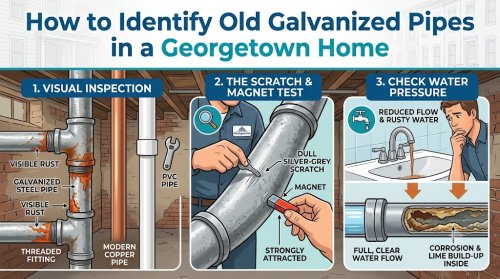
Older water lines can deteriorate gradually. Corrosion, mineral buildup, weakened joints, and years of ground movement can eventually cause leaks or reduced performance.
Age alone does not automatically mean a pipe needs replacement. A professional should evaluate its actual condition.
Corrosion
Metal piping can corrode over time. A small pinhole leak may be an early warning that a larger section of the line has deteriorated.
Tree Roots and Ground Movement
Underground service lines can be affected by surrounding soil and vegetation. Root growth, settlement, shifting soil, and external pressure can place stress on buried piping.
Freezing Temperatures
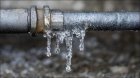
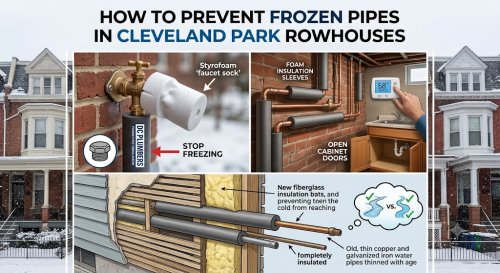
Cold weather can freeze exposed or poorly protected sections of plumbing. Frozen water can expand and create pressure capable of damaging a pipe.
High Water Pressure
Excessive or fluctuating pressure can put additional stress on pipes, valves, and fittings.
Poor Installation
Improper pipe sizing, unsuitable materials, poor connections, or inadequate installation practices can contribute to premature failures.
Physical Damage
Construction work, excavation, landscaping, or accidental damage can affect underground water lines.
Leaking Connections or Valves
Sometimes the main pipe is not the problem. A failed valve, coupling, meter connection, or fitting can produce symptoms that look like a larger water-line failure.
Signs Your Water Line May Need Repair
Sudden Low Water Pressure
If pressure drops throughout the property rather than at one faucet, investigate the supply system.
No Water
A complete loss of water may result from a utility interruption, shutoff, failed valve, or damaged service line.
Unexplained Increase in Water Usage
A hidden water leak can cause water consumption to rise even when your daily habits have not changed.
Wet Spots in the Yard
An unusually wet area, pooling water, or an unexpectedly lush patch of grass can sometimes indicate an underground leak.
Water Stains
Stains on walls, ceilings, floors, or around utility areas may indicate a hidden leak.
Hissing or Running-Water Sounds
Hearing water when fixtures are off can be a warning sign of a concealed leak.
Damp Foundation or Basement Areas
Water appearing around the foundation or basement may require investigation to determine whether it originates from plumbing, groundwater, drainage, or another source.
Discolored Water
Brown, yellow, or otherwise unusual water can have several causes, including disturbance of sediment, corrosion, utility work, or problems within the property's plumbing. Persistent discoloration should be investigated.
Common Plumbing Problems Related to Water Line Damage
A failing water line can occur alongside other plumbing issues, including:
- Pipe leaks
- Corroded fittings
- Broken shutoff valves
- Low water pressure
- Water meter problems
- Frozen pipes
- Burst pipes
- Slab or foundation-area leaks
- Water heater supply problems
- Fixture damage
- Hidden plumbing leaks
- Water damage to walls or flooring
A water-line symptom does not automatically prove that the underground service line needs replacement. Diagnosis should come first.
Water Line Repair vs. Replacement: Which Is Better?
Repair may be appropriate when the problem is localized and the surrounding pipe remains in good condition.
Replacement may make more sense when the line has widespread corrosion, repeated failures, severe deterioration, unsuitable material, or another condition that makes continued repairs impractical.
For example, replacing one failed connection on an otherwise sound water line can be reasonable. Replacing the same deteriorated section every few years may not be.
A professional should explain why a particular option is being recommended rather than automatically choosing the most extensive repair.
Step-by-Step Professional Water Line Repair Process
Step 1: Inspection
The plumber reviews the symptoms, checks accessible plumbing, and determines whether the problem appears to be inside the property or along the service line.
Step 2: Diagnosis
The goal is to locate the leak or failure and determine its likely cause.
Depending on the situation, this can involve pressure testing, leak detection, inspection of valves and meters, or examination of accessible piping.
Step 3: Estimate
Once the problem is understood, the plumber should explain the recommended repair, materials, access requirements, and expected cost factors.
Step 4: Repair or Replacement
A localized defect may be repaired. If the line is badly deteriorated, replacement or another rehabilitation method may be considered.
Step 5: Testing
The water supply is restored carefully and the repaired line is checked for leaks and appropriate pressure.
Step 6: Cleanup
If excavation was necessary, the affected area may require restoration. The scope depends on whether work involved landscaping, pavement, sidewalks, or other surfaces.
Step 7: Maintenance Advice
The plumber should explain what caused the failure and what you can do to reduce the likelihood of another problem.
Can You Repair a Water Line Yourself?
There are a few things a homeowner can safely do before a professional arrives.
You can:
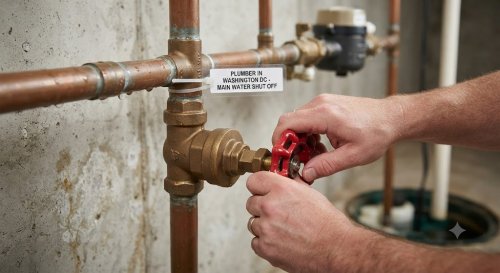
- Locate the main water shutoff.
- Shut off the water if there is an active leak.
- Keep people away from standing water near electrical equipment.
- Move valuables away from leaking areas.
- Document visible damage with photographs.
- Check whether nearby fixtures are affected.
- Contact a qualified plumbing professional.
Underground water-line replacement is not a sensible DIY project for most homeowners.
Digging without identifying underground utilities can create additional hazards. Cutting into a pressurized water line without appropriate tools and experience can also cause significant flooding.
If the leak appears to be near the public water main, property line, sidewalk, or street, determine whether DC Water or a private plumber is responsible before arranging major excavation. District law and DC Water guidance distinguish responsibilities between public-space and private-property portions of service lines.
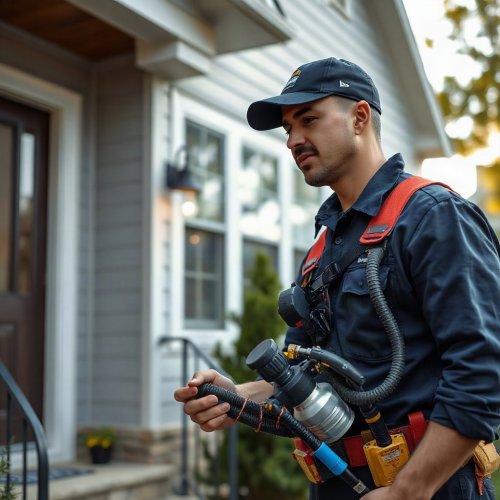
Tools Professionals Use for Water Line Problems
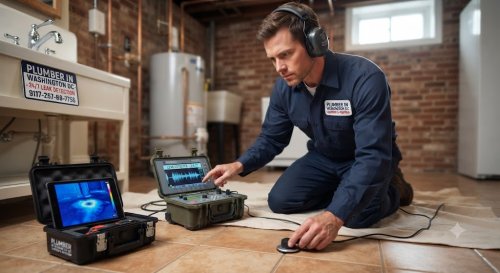
Electronic Leak Detection
Specialized equipment can help identify concealed leaks without immediately opening large sections of walls or flooring.
Pressure Testing
Pressure testing can help determine whether a plumbing system is maintaining pressure or losing water through a leak.
Moisture Meters
These can help identify areas affected by hidden moisture.
Thermal Imaging
Thermal imaging can sometimes help identify temperature differences associated with concealed water or certain pipe conditions.
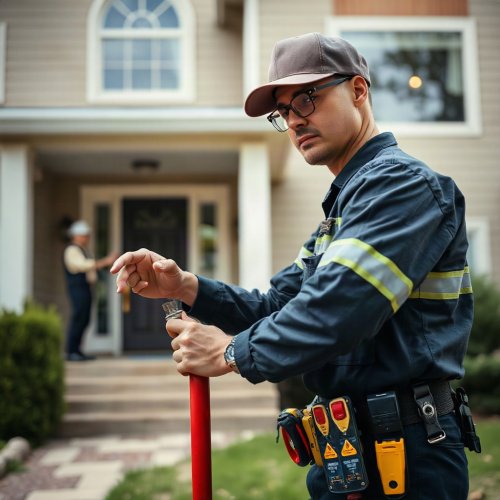
Pipe Locators
Underground locating equipment can help identify the path and approximate location of buried piping before excavation.
Excavation Equipment
When conventional replacement is necessary, appropriate excavation equipment allows the damaged section to be accessed.
Trenchless Methods
Some underground water-line projects may be candidates for less-invasive rehabilitation or replacement methods, depending on pipe condition, location, access, and local requirements.
The important point is that equipment should support a diagnosis. A professional should not recommend expensive excavation simply because a leak exists somewhere underground.
How Long Does Water Line Repair Take?
Repair time varies significantly from one property to another.
Simple Repairs
An accessible valve, fitting, or short exposed pipe section may be repaired relatively quickly.
Moderate Repairs
A concealed leak or difficult-to-access pipe can take longer because additional inspection and access may be necessary.
Major Replacement
Replacing a buried service line can involve excavation, pipe installation, inspection, connection work, and surface restoration.
Emergency Repairs
An emergency leak may require immediate water shutoff and temporary stabilization before permanent repairs are completed.
Factors affecting the timeline include:
- Location of the damaged pipe
- Pipe depth
- Pipe material
- Accessibility
- Extent of deterioration
- Weather
- Underground utilities
- Required permits
- Public-space requirements
- Restoration work
- Availability of replacement materials
What Does Water Line Repair Cost in Washington, DC?
There is no responsible fixed price for water-line repair or replacement.
Plumbing repair costs vary depending on the severity of the problem, accessibility, materials required, emergency service, property type, and local labor rates.
Other factors include:
- Diagnostic fees
- Leak detection
- Labor
- Replacement pipe
- Valves and fittings
- Excavation
- Specialized equipment
- Emergency service charges
- Permits and inspections, when applicable
- Sidewalk or pavement restoration
- Landscaping restoration
- Repair versus full replacement
A short repair near an accessible basement wall is obviously different from replacing a buried service line beneath a sidewalk or driveway.
Ask for a clear estimate and find out whether excavation, restoration, permits, and additional discoveries are included.
Lead Water Service Lines: An Important DC Consideration
Lead service lines deserve special attention because of the potential health implications of lead exposure.
Washington, DC has specific laws and programs concerning lead water service line replacement. District law addresses replacement of lead service lines on both public and private property under certain circumstances, including provisions concerning consent and funding.
The District also has a lead service line replacement assistance framework that requires eligible residential property owners to use approved contractors, or obtain written approval when using a contractor outside the approved list, in order for certain work to remain eligible for financial assistance.
If you suspect your property has a lead service line, do not assume that a standard plumbing replacement process applies. Check the current DC Water program requirements and determine whether your property qualifies for assistance before selecting a contractor.
Hidden Truths Homeowners Should Know
Small Leaks Can Become Expensive Problems
A slow underground leak can continue for a long time before anyone notices it.
A High Water Bill Is Not Always a Fixture Problem
If toilets, faucets, and appliances appear normal but water usage increases, a concealed leak should be considered.
Repairing the Leak May Not Solve the Underlying Problem
If corrosion or widespread deterioration caused the failure, repairing one section may only postpone another leak.
Public and Private Responsibilities Can Differ
In Washington, DC, the portion of the service line located in public space and the portion on private property may have different responsibilities.
Insurance Does Not Automatically Cover Every Water-Line Problem
Coverage depends on the policy, cause of loss, maintenance conditions, and circumstances. Speak with your insurer rather than assuming a repair will be covered.
Excavation Is Not Always the First Answer
A proper diagnosis may reveal that a localized repair is sufficient.
Cheap Repairs Can Become Expensive Repairs
Repeated temporary fixes may cost more over time than addressing a deteriorated section properly.
Old Plumbing Should Be Evaluated as a System
If one section of an aging water line has failed, it is worth asking whether other sections show similar deterioration.
Lead-Line Replacement Has Special Considerations
Eligible lead service-line work may be subject to District program requirements and contractor rules.
Water Damage Continues After the Leak Stops
Drying walls, flooring, insulation, and other affected materials may be necessary after a significant leak.
15 Common Mistakes Homeowners Make
1. Ignoring a Small Leak
Small leaks can indicate a deteriorating pipe. Have recurring or unexplained leaks investigated.
2. Waiting for a Complete Pipe Failure
An emergency replacement is usually more disruptive than planned repair.
3. Ignoring Low Water Pressure
A sudden property-wide pressure change deserves investigation.
4. Assuming the Faucet Is the Problem
When every fixture is affected, look beyond individual fixtures.
5. Digging Without Utility Planning
Underground utility locations must be considered before excavation.
6. Hiring an Unqualified Contractor
Use a properly licensed and qualified professional for regulated plumbing work.
7. Choosing the Lowest Quote Automatically
Compare the diagnosis, materials, scope, and restoration requirements rather than price alone.
8. Repeatedly Patching an Aging Line
Multiple failures may indicate that replacement deserves consideration.
9. Ignoring Water-Usage Changes
An unexplained increase can be an early warning of a hidden leak.
10. Overlooking Corrosion
Visible corrosion around fittings should not automatically be dismissed as cosmetic.
11. Failing to Locate the Main Shutoff
Knowing how to stop the water can reduce damage during an emergency.
12. Using Improper Pipe Materials
Replacement materials should be compatible with the existing system and applicable plumbing requirements.
13. Ignoring Frozen-Pipe Risk
Protect vulnerable pipes before severe cold arrives.
14. Assuming All Water-Line Work Is the Same
A private service-line repair and public water-main issue can involve different parties and requirements.
15. Skipping Inspection
A professional diagnosis can help prevent unnecessary replacement.
Water Line Maintenance Tips
- Know where your main water shutoff is located.
- Test accessible shutoff valves periodically.
- Check exposed pipes for corrosion.
- Watch for unexplained moisture.
- Monitor your water bill for unusual increases.
- Investigate sudden changes in water pressure.
- Repair small leaks promptly.
- Insulate vulnerable pipes before freezing weather.
- Disconnect exterior hoses before winter.
- Protect pipes in unheated areas.
- Keep indoor temperatures above dangerous levels during cold weather.
- Have vacant properties checked during severe cold.
- Avoid attaching heavy objects to plumbing pipes.
- Keep records of previous water-line repairs.
- Ask about the pipe material when buying an older property.
- Consider inspection when recurring leaks occur.
- Determine whether your property has a lead service line if applicable.
- Check current DC Water assistance requirements before lead-line replacement.
- Confirm who is responsible for the affected section before excavation.
- Have emergency plumbing contact information readily available.
When Should You Call an Emergency Plumber?
A water-line problem becomes an emergency when water is escaping rapidly, the property has lost water unexpectedly, or continued leakage could cause substantial damage.
Call for urgent plumbing assistance when you have:
- A burst water line
- A major underground leak
- Water rapidly entering a basement
- A ceiling or wall saturated with water
- Sudden loss of water throughout the property
- Water near electrical equipment
- A failed main shutoff
- A frozen pipe that has burst
- Uncontrolled water entering the building
- A major leak that cannot be isolated
If you suspect the problem is in the public water system, contact DC Water rather than assuming a private plumber is responsible. DC Water provides emergency assistance for water-system emergencies, while responsibility for private service-line portions can differ.
People Also Ask About Water Line Repair
How do I know if my main water line is leaking?
Common clues include unexplained water usage, low water pressure, wet areas in the yard, persistent sounds of running water, damp foundation areas, or a sudden drop in pressure.
How much does water line replacement cost in Washington, DC?
There is no standard price. Cost depends on pipe location, depth, material, accessibility, labor, excavation, equipment, permits, emergency service, and restoration.
Should I repair or replace my water line?
A localized defect in an otherwise sound line may be repairable. Widespread corrosion, repeated failures, or severe deterioration may make replacement more practical.
How long does a water line last?
There is no single lifespan for every service line. Material, installation, soil conditions, water chemistry, maintenance, and environmental factors all affect service life.
Can a water line leak underground without flooding my yard?
Yes. A leak can be relatively small or occur deep underground, allowing water to disperse through surrounding soil.
Why is my water pressure suddenly low?
Possible causes include a utility issue, valve problem, leak, damaged service line, pressure-regulating equipment, or an issue inside the property.
Does a water line replacement require excavation?
Traditional replacement usually involves excavation, but some properties may qualify for less-invasive methods depending on the pipe and site conditions.
Are lead water lines still a concern in Washington, DC?
Yes. DC has specific laws and programs addressing lead water service lines. Property owners should check current DC Water guidance to determine whether their property is affected and whether assistance may be available.
Who is responsible for a water service line in Washington, DC?
Responsibility depends on where the line is located. DC Water's current design guidance states that customer service lines are owned by property owners, while DC Water is responsible for maintenance and replacement of service-line portions in public space up to the property line under applicable law.
Can tree roots damage a water service line?
They can affect underground infrastructure, although the actual cause of a water leak should be confirmed rather than assumed from nearby trees.
Can a hidden water leak increase my water bill?
Yes. A continuous leak can increase water consumption even when no fixture is visibly running.
Is water line replacement an emergency?
It can be. A major active leak, burst service line, severe pressure loss, or water entering the building warrants prompt attention.
Voice Search Questions About Water Lines
“Who do I call if my water line breaks in Washington, DC?”
If the failure is on private property, contact a qualified plumber. If you suspect a public water-main or public-space problem, contact DC Water to determine whether the utility is responsible.
“How can I tell if my underground water line is leaking?”
Look for unexplained water usage, wet soil, persistent running-water sounds, pressure loss, or damp areas near the foundation.
“Is it better to repair or replace an old water line?”
It depends on the condition of the entire line. A professional inspection should determine whether the failure is isolated or evidence of broader deterioration.
“How long does it take to replace a main water line?”
The actual timeline varies based on depth, access, pipe material, utility locations, permits, excavation, and restoration requirements.
How to Choose the Right Water Line Plumber
Before hiring a plumber for a major water-line project, ask:
- Is the plumber properly licensed for the work?
- Will the source of the leak be confirmed before excavation?
- What pipe material will be used?
- Why is replacement recommended instead of repair?
- Does the estimate include excavation?
- Is surface restoration included?
- Are permits or inspections required?
- Are emergency charges disclosed?
- Will the repaired line be pressure-tested?
- If a lead service line is involved, is the contractor eligible for the applicable DC Water program?
A trustworthy contractor should be comfortable explaining the problem and the recommended solution in plain language.
Do not accept a recommendation for complete replacement simply because a leak exists. Ask what the inspection found and whether a localized repair is technically reasonable.
Why Choose Plumber in Washington DC?
When a water-line problem affects your home or business, you want the issue evaluated by a plumbing company familiar with the needs of local properties.
Plumber in Washington DC provides plumbing assistance for residential and commercial customers in Washington, DC.
For service inquiries, contact (844) 833-2093.
You can also visit Plumber in Washington DC to learn more about the company and its plumbing services.
Washington, DC properties vary significantly across neighborhoods such as Capitol Hill, Georgetown, Petworth, Shaw, Columbia Heights, Brookland, Anacostia, and Dupont Circle. Older homes can have different pipe materials and access challenges from newer apartments or commercial buildings.
If you are comparing plumbing providers in nearby communities such as Arlington, Alexandria, Silver Spring, Bethesda, or other parts of the DC metropolitan area, confirm that the contractor serves your property and has the appropriate credentials.
Final Thoughts
A damaged water line is not something to ignore simply because the leak is underground.
Low water pressure, unexplained water usage, wet soil, damp walls, or sudden loss of water can all justify further investigation. The sooner the source is identified, the easier it may be to determine whether a localized repair, partial replacement, or complete service-line replacement is appropriate.
Washington, DC property owners should also pay attention to the distinction between private-property and public-space portions of a service line. DC law and DC Water guidance assign responsibilities differently depending on where the affected section is located.
If lead service-line replacement is involved, check the current District requirements and available assistance before selecting a contractor.
For professional assistance with a suspected water-line problem, contact Plumber in Washington DC at (844) 833-2093 or visit plumberinwashingtondc.com.