Introduction
There is nothing quite as disruptive to your morning routine as stepping into the shower only to be met with a freezing blast of water. For homeowners and business operators across the District, dealing with a failing unit is a stressful ordeal. Gas water heater repair in Washington, DC is one of the most critical plumbing services property owners seek, especially as seasonal shifts strain aging residential infrastructure.
From historic row houses on Capitol Hill to modern developments in Navy Yard, DC properties face a unique mix of rigid municipal building codes, aging regional water lines, and hard water mineral loads. When your system starts popping, leaking, or failing to heat, immediate action prevents minor thermostat failures from escalating into major structural water damage or hazardous gas leaks.
What Is Gas Water Heater Repair? Decoding the Mechanism
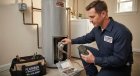
At its core, a gas water heater is a thermal storage or tankless system that uses natural gas combustion to heat domestic water for taps, showers, and appliances.
-
The Ideal Working Cycle: Cold water enters the tank through a dip tube, settling at the bottom where a gas burner heats it. As hot water rises, it is drawn out through the hot outlet pipe at the top. The gas valve and thermostat regulate the temperature, while the flue vents exhaust combustion gases safely out through your roof.
-
When It Fails: Sediment build-up insulates the water from the burner, overheating the tank floor. Alternatively, thermocouple failures cut off gas supply, or burner assemblies choke on debris, leaving you with lukewarm or freezing water.
Consider a typical scenario in a historic row house near Dupont Circle: a homeowner hears a loud rumbling noise (known as "kettling") coming from the basement closet. That sound is trapped steam bubbles bursting through thick layers of mineral scale—a direct warning sign that components are overheating and failing.
Comprehensive Home Plumbing Maintenance Framework
Proactive care keeps your water heater and plumbing system running efficiently year-round. Use this seasonal framework to protect your investment:
Spring and Summer Checks
-
Test the Pressure Relief Valve: Lift and snap the T&P relief valve lever periodically to ensure it discharges water freely through the drain pipe.
-
Inspect Outdoor Spigots: Check exterior hose bibs for frost cracks or leaks after winter thawing.
-
Clear Space Around Equipment: Keep the area surrounding your gas water heater clear of boxes, paint cans, and dust-collecting debris.
Fall and Winter Preparation
-
Flush the Tank: Drain several gallons from the bottom tank valve before winter to purge corrosive sediment layers.
-
Check Venting Lines: Ensure metal flue pipes are secure, tightly sealed, and free of bird nests or rust corrosion.
-
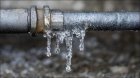
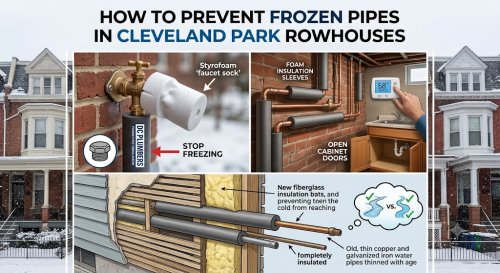
Insulate Exposed Pipes: Wrap hot and cold supply lines passing through unconditioned crawlspaces or basements in foam insulation.
Year-Round Habits
-
Monitor Water Pressure: Keep an eye on your thermal expansion tank and pressure reducing valve (PRV) to prevent sudden spikes.
-
Avoid Harsh Chemicals: Skip corrosive liquid drain openers that degrade internal tank seals and metal piping threads.
-
Listen to Your System: Pay attention to unusual humming, clicking, or banging noises during heating cycles.
Root Causes: Why This Problem Occurs in DC Homes
DC’s distinct urban architecture and regional water profile create specific stressors for gas water heaters:
-
Aggressive Mineral Content: The local municipal water supply carries dissolved calcium and magnesium. Over time, this hard water settles as sediment, causing localized overheating and premature tank bottom fatigue.
-
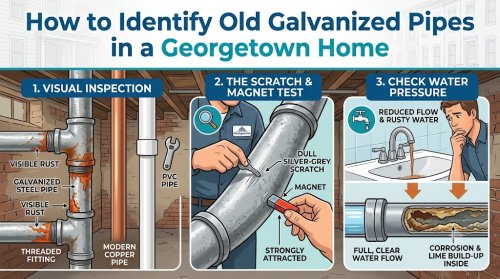
Aging Infrastructure & Historic Piping: Many properties feature older galvanized steel or mixed-metal unions that accelerate galvanic corrosion when tied to modern copper or brass fittings.
-
Thermal Expansion & Pressure Surges: Closed-loop municipal supply lines often lack proper thermal expansion tanks, creating extreme pressure fluctuations that strain water heater tank walls and welded seams.
-
Combustion Air Restrictions: Older basements converted into finished living spaces frequently lack adequate ventilation, starving the gas burner of fresh combustion air and triggering safety switch lockouts.
Financial Breakdown: Cost Factors & Investment Realities
Understanding the financial layout of gas water heater repair helps you budget effectively. Pricing varies based on component complexity, accessibility, and local code mandates.
-
Diagnostic & Dispatch Fees: Standard diagnostic fees cover the technician’s travel, safety testing, and problem isolation.
-
Component-Level Part Replacement: Swapping out localized parts like thermocouples, gas control valves, anode rods, or T&P relief valves involves moderate labor and part costs.
-
Tank Flush & Descaling Services: Professional sediment extraction requires specialized flushing pumps and disposal equipment.
-
Permitting & Code Upgrades: Major replacements in Washington, DC often require municipal permits, gas line sediment traps, and seismic straps to comply strictly with the District's plumbing codes.
-
Repair vs. Replacement Economics: If a tank is over 10 to 12 years old and leaking from the outer steel shell, investing in total fixture replacement is far more cost-effective than patching a failing vessel.
Unique Expert Insights: Hard Truths Homeowners Learn Too Late
Over decades of crawling through utility closets and answering midnight dispatch calls, master plumbers see the same costly mistakes repeated. Keep these truths in mind:
-
Temporary Patch Kits Are Dangerous: Epoxy putty or rubber wrap patches on pressurized water heater tanks or gas lines fail under thermal stress, risking catastrophic flooding or gas leaks.
-
Anode Rods Are Expendable Shields: Homeowners rarely replace their sacrificial magnesium or aluminum anode rods every 3 to 5 years, leaving the steel tank walls completely unprotected against rust.
-
Unlicensed Handyman Risks: Hiring unlicensed handymen to save money often results in improper gas line sizing, unvented carbon monoxide hazards, and immediate failure during municipal home resale inspections.
-
Ignored Pilot Light Resets: Repeatedly relighting a pilot light without finding the root cause (such as a failing thermocouple or gas valve) exposes your home to sudden gas accumulation.
-
Maintenance Plans Pay for Themselves: Regular professional tune-ups extend appliance lifespans by up to 50 percent, avoiding emergency weekend replacement fees.
Critical Warning Signs: When Your Home is Sounding the Alarm
Ignoring the subtle cues your water heater gives you can lead to sudden property damage. Watch out for these indicators:
-
Auditory Clues: Loud popping, rumbling, or screeching sounds indicate heavy sediment boiling inside the tank or severe scale accumulation.
-
Visual & Structural Signs: Pooling water around the base, rust streaks along the outer jacket, or sagging flooring near the utility closet point to slow internal tank leaks.
-
Olfactory Indicators: A rotten egg smell signals a potential natural gas leak or a failing anode rod reacting with sulfur bacteria inside the tank.
-
Performance Drops: Water that turns lukewarm halfway through a shower or takes too long to reheat points to a failing dip tube or burner malfunction.
Professional Diagnostic & Repair Workflow
When you partner with a licensed plumbing team, troubleshooting is systematic, transparent, and safe:
-
Non-Invasive Triage & Safety Isolation: The technician shuts off the gas supply and electrical/water connections immediately upon arrival to ensure absolute site safety.
-
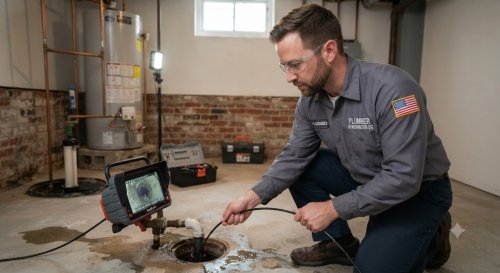
Precision Diagnostic & Digital Testing: Using multimeters and manometers, the plumber checks gas pressure, electrical continuity, thermocouple output, and burner efficiency.
-
Transparent Options & Written Estimates: You receive clear, upfront flat-rate repair options or a breakdown for a new installation before any work begins.
-
Code-Compliant Remediation: The technician installs OEM-certified parts, flushes the system, tests the gas combustion venting, and verifies proper draft.
-
Pressure Testing & Final Cleanup: The system is repressurized, checked for leaks, and the work area is left spotless.
Advanced Diagnostics: The Professional Tool Arsenal
Modern plumbing relies on precision diagnostic gear rather than guesswork:
-
Digital Manometers: Measure precise gas pressure delivery rates to ensure the burner receives the correct volume of fuel for optimal combustion.
-
Electronic Gas Leak Detectors: Sniff out microscopic natural gas or propane leaks around valve fittings and supply lines instantly.
-
Thermal Imaging Cameras: Scan tank exteriors to detect internal insulation breakdown, hidden hot spots, and damp structural framing.
-
Multimeters: Test electrical resistance and voltage drops across electronic ignition modules, gas control valves, and thermal switches.
DIY Reality Check: What You Can Safely Fix vs. When to Step Back
-
Safe Homeowner Actions: You can safely monitor the digital thermostat display, check the circuit breaker (for hybrid or electric-assisted units), clear dust away from the lower air intake screen, or relight a standing pilot light only if the manufacturer's instructions are clearly followed and no gas odor is present.
-
The Danger Zone: Never attempt to adjust gas manifold pressures, solder copper lines near gas valves, alter venting flues, or ignore water leaking directly from the metal tank body. Gas line modifications and electrical wiring modifications carry severe risks of explosion, carbon monoxide poisoning, or electrocution.
-
When to Drop the Wrench: If your diagnostic attempts fail, or if you smell gas or notice active tank corrosion, step back immediately and call a licensed professional.
Emergency Protocol: When Immediate Dispatch is Non-Negotiable
Certain scenarios require calling an emergency 24/7 service crew right away:
-
Active Natural Gas Leaks: If you smell gas, evacuate the building immediately, avoid turning light switches on or off, and call your gas utility provider and emergency plumbers from a safe distance.
-
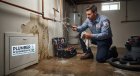
Catastrophic Tank Rupture: If the tank bottom gives out and water is flooding your basement or utility room at a rapid rate, locate and shut off the main water supply valve immediately.
-
Electrical Hazards: If water is spraying or pooling near electrical outlets, junction boxes, or an electronic control panel, shut off the breaker to prevent severe shock.
Frequently Asked Questions (FAQs)
Why does my gas water heater pilot light keep going out?
A pilot light that repeatedly extinguishes is usually caused by a faulty thermocouple, a drafty utility room, a dirty pilot orifice, or a failing gas control valve. If replacing the thermocouple does not solve the issue, have a licensed plumber test the gas supply pressure.
How often should I flush my gas water heater?
You should flush your gas water heater tank at least once a year to remove hard water sediment and mineral scale. If you live in an area with particularly hard water, semi-annual flushing is recommended to extend the life of the tank.
What is that rumbling noise coming from my water heater?
Rumbling or popping noises happen when sediment settles at the bottom of the tank. Water gets trapped beneath this mineral layer, boils, and creates steam bubbles that burst upward. Flushing the tank or descaling the heat exchanger typically resolves this issue.
Is a leaking water heater repairable, or do I need a replacement?
If the leak originates from a loose pipe fitting, valve, or gasket, it can usually be repaired. However, if water is leaking directly from the steel tank body or seams due to internal rust-through, the unit must be replaced entirely.
What is the average lifespan of a gas water heater?
Standard tank-style gas water heaters typically last between 8 to 12 years, while tankless gas water heaters can last 15 to 20 years with proper annual maintenance and descaling.
Can I repair a gas water heater myself?
While homeowners can safely relight standard pilot lights or clear exterior dust, any work involving gas supply lines, internal gas valves, or burner assemblies must be performed by a licensed professional to ensure safety and code compliance.
Why does my hot water smell like rotten eggs?
This odor is usually caused by sulfur bacteria reacting with the magnesium or aluminum sacrificial anode rod inside the tank. Replacing the anode rod with a zinc-aluminum alloy version and sanitizing the tank with a chlorine bleach solution generally eliminates the smell.
What are the Washington, DC code requirements for water heaters?
DC regulations require proper seismic strapping, adequate combustion air ventilation, thermal expansion tanks on closed-loop systems, and specific clearance distances from flammable materials. Professional installation ensures your setup passes local municipal inspections.
Why Washington, DC Homeowners Trust Expert Plumbing Services
Choosing the right partner for your home’s critical infrastructure ensures peace of mind:
-
Fully Licensed & Insured: Our technicians hold valid master plumbing licenses, ensuring every repair complies strictly with Washington, DC codes.
-
Upfront, Flat-Rate Pricing: You receive exact quotes before any work begins, eliminating hidden overtime fees or surprise charges.
-
Advanced Diagnostic Technology: We utilize state-of-the-art diagnostic equipment to pinpoint problems accurately on the first visit.
-
Local Expertise: Serving neighborhoods across the District, we understand the specific plumbing challenges of historic and modern DC properties.
-
Customer Satisfaction Commitment: We stand behind our workmanship with robust warranties and reliable customer care.