Why Does My Washington, DC Home Smell Like Sewer Gas?
Discover why your Washington, DC home smells like sewer gas. Learn common causes like dry P-traps, venting issues, and cracked pipes, and how local plumbers can fix it
Why Does My Washington, DC Home Smell Like Sewer Gas?
Few household odors are as alarming or immediately repulsive as the smell of sewer gas. It is an unwelcome guest that can ruin the comfort of your home in Washington, DC, Capitol Hill, Georgetown, or Adams Morgan. More importantly, the presence of sewer gas is not just a foul nuisance; it can indicate serious plumbing failures that pose potential health risks.
Sewer gas is a complex mixture of toxic and non-toxic gases, primarily hydrogen sulfide (which gives it the characteristic "rotten egg" smell), along with methane, ammonia, and carbon dioxide. While the smell itself is nauseating, the primary concern is usually the hydrogen sulfide, which can cause headaches, dizziness, and irritation at low levels.
At Plumber in Washington DC, our team of licensed, experienced plumbers understands the unique challenges of the District’s older infrastructure and historic row houses. We are here to help you understand why this problem happens, what you can safely check, and when you need professional intervention.
What Is Sewer Gas?
Sewer gas is the byproduct of decaying organic matter (sewage) in your plumbing system and the municipal sewer lines. A properly functioning plumbing system is designed to keep these gases safely contained and vented away from your living spaces.
When you smell sewer gas inside your home, it means this containment system has been compromised somewhere. This can happen in a variety of ways, from a simple, dried-out drain trap to a cracked pipe hidden within your walls. The odor can manifest subtly, perhaps only noticeable when the air conditioning is running, or it can be an overpowering stench that permeates the entire house.
For example, if you notice a faint rotten egg smell near the rarely used guest bathroom shower in your Bloomingdale row home, it is highly likely that the water in the drain’s trap has evaporated, allowing gas to escape freely.
Why Does This Plumbing Problem Happen?
The causes of sewer gas odors are varied, but they almost always relate to a failure in the plumbing system’s design to create a proper seal against the sewer system. Common culprits include:
-
Dry P-Traps: This is the most common cause. Every drain in your home (sinks, showers, toilets, floor drains) has a curved section of pipe called a P-trap. This trap is designed to hold a small amount of water, which creates a natural barrier that prevents sewer gas from backing up into your home. If a fixture is not used for a long time, the water evaporates, breaking the seal.
-
Clogged or Improper Plumbing Vents: Your plumbing system has a network of vent pipes that run up through the roof, allowing sewer gases to escape outside and equalizing pressure to ensure drains flow smoothly. If these vents become blocked (by leaves, bird nests, or even snow and ice in rare DC winters), the gas has nowhere to go but back down into your home through the drains.
-
Cracked Drain or Vent Pipes: In older homes, particularly the historic properties common in Capitol Hill and Dupont Circle, cast iron or clay sewer pipes can crack or deteriorate over time. These cracks can allow gas to seep into wall cavities or crawlspaces before it ever reaches the roof vent.
-
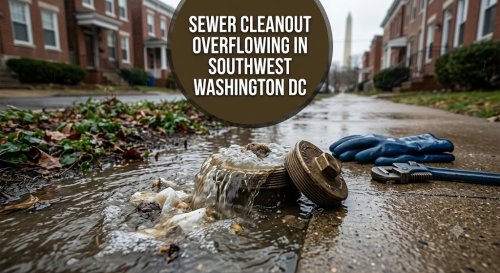
Loose or Missing Cleanout Plugs: Sewer cleanout pipes (access points for clearing major clogs) are usually located in basements, garages, or outside. If the plug is loose, damaged, or missing, sewer gas can escape directly into that area.
-
Damaged Wax Ring Under Toilet: A toilet forms a seal with the drainpipe using a wax ring. If this ring fails or the toilet becomes loose, sewer gas can leak out around the base of the toilet every time you flush.
Signs You Should Never Ignore
While the smell itself is the primary warning sign, there are other indicators that you have a sewer gas issue that requires attention:
-
Gurgling Drains: If your sinks, toilets, or tubs make a gurgling sound when water drains or when another fixture is used nearby, it suggests a venting problem. The system is struggling to equalize pressure, often pulling water out of traps (a process called "trap siphonage"), which allows gas to enter.
-
Slow-Draining Fixtures: A persistent clog can sometimes create a vacuum that pulls the water seal out of a P-trap, leading to odors.
-
Evidence of Pests or Flies: Sewer flies (drain flies) are attracted to the organic matter in sewage. If you notice small, moth-like flies around drains, it’s a strong indicator of a breach in the pipe system where sewage is leaking or accumulating.
-
Damp Spots or Mold Growth: Unexplained dampness on floors, walls near plumbing, or in the basement, combined with a sewer odor, suggests a leaking pipe that is releasing both water and gas.
Common Plumbing Problems Related to This Issue
Sewer gas odors frequently coexist with or are symptomatic of other significant plumbing failures:
-
Sewer Line Blockages: A full or partial blockage in your main sewer line can force gas back through the system and out of the lowest available drain.
-
Slab Leaks: If your home is built on a concrete slab (common in some parts of DC), a cracked sewer line underneath the foundation can release gas that eventually permeates up through the floor.
-
Foundation Issues: Persistent sewage leaks under or near a foundation can undermine the soil, leading to structural problems.
Step-by-Step Professional Repair Process
When you call Plumber in Washington DC to investigate a sewer gas smell, our licensed technicians follow a systematic process to identify and resolve the issue safely and effectively:
-
Step 1: Initial Consultation and Assessment: We discuss the nature of the smell with you—Is it constant? Worse when it rains? Stronger in certain weather conditions? This helps narrow down the potential source.
-
Step 2: Visual Inspection: We inspect all accessible plumbing fixtures, drains, cleanouts, and visible vent pipes for obvious issues like dry traps or loose connections.
-
Step 3: Advanced Diagnostic Testing: If the source isn't immediately obvious, we use specialized equipment. This includes:
-
Smoke Testing: We introduce a safe, non-toxic smoke into the plumbing system. If there is a crack, break, or unsealed connection anywhere in the pipes (even within walls), the smoke will escape, pinpointing the exact location of the breach.
-
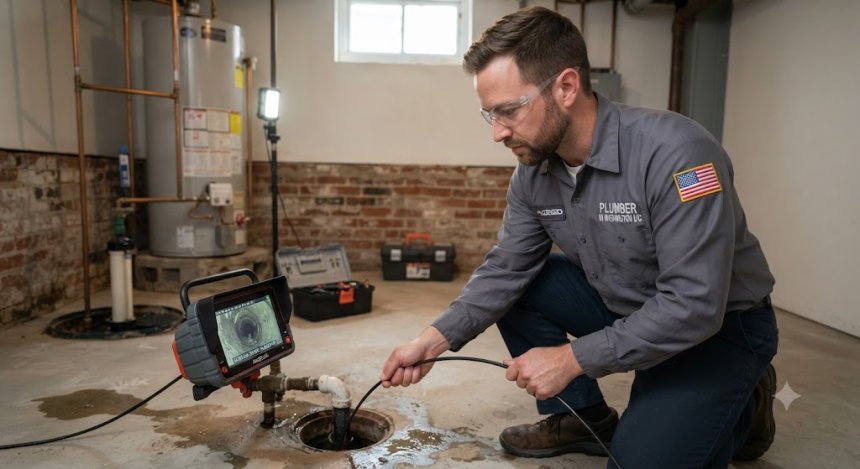
Sewer Camera Inspection: We feed a waterproof fiber-optic camera into your sewer lines to visually inspect the interior condition of the pipes for cracks, roots, or collapses.
-
-
Step 4: Honest Estimate: Once the problem is diagnosed, we provide a transparent, upfront estimate for the necessary repairs. We will explain the options and recommend the most cost-effective and lasting solution.
-
Step 5: Execution: We perform the repair, which may involve refilling P-traps, clearing vent blockages, replacing a cracked section of cast iron pipe, resetting a toilet with a new wax ring, or repairing the main sewer line.
-
Step 6: Testing and Verification: After the repair, we re-test the system to ensure the seal is restored and the sewer gas odor is completely eliminated.
Can You Fix It Yourself?
There are limited safe DIY options for addressing sewer gas smells, primarily focused on the most common cause:
-
Safe DIY Solutions: If the smell is coming from a rarely used guest bathroom or floor drain, simply pour a gallon of water down the drain. This refills the P-trap and re-establishes the water seal. You can also check that cleanout plugs are tightly secured and that toilet bases are stable.
-
When DIY Becomes Dangerous: Attempting to access, repair, or replace sewer lines, vent pipes inside walls, or main cleanouts is not a DIY job. Inhaling concentrated sewer gas is dangerous. Furthermore, improper repairs can lead to larger leaks, property damage, and code violations.
-
When Professional Plumbing Is Necessary: If pouring water down the drain does not resolve the odor, or if the smell is pervasive, you must call a licensed professional. The presence of sewer gas can indicate a serious health hazard that requires immediate expert attention.
Tools Professionals Use
Licensed plumbers rely on specialized equipment to detect and fix sewer gas issues accurately, without resorting to destructive guesswork:
-
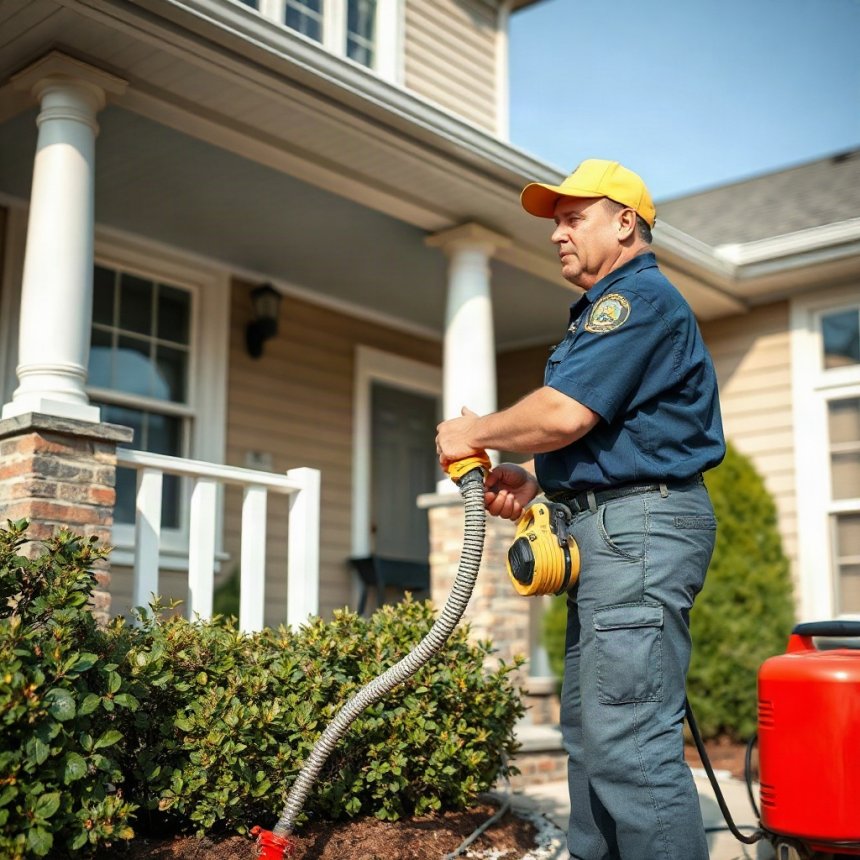
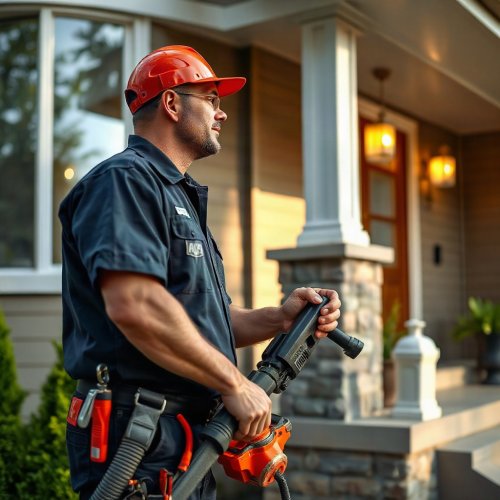
Smoke Generators and Blowers: Used for smoke testing to reveal hidden leaks in vent and drain lines.
-
Video Inspection Cameras: High-definition cameras that navigate the sewer system to identify structural damage or blockages.
-
Manometers: Tools used to measure pressure within the plumbing system to check for proper venting and airtight seals.
-
Electronic Gas Sniffers: Handheld devices that can detect the presence of combustible gases (like methane) and hydrogen sulfide, helping to locate the source of the leak.
How Long Does the Repair Usually Take?
Repair timelines depend entirely on the source of the problem:
-
Simple Trap Refill or Tightening a Cleanout Plug: Can be resolved during the initial service call, typically within an hour.
-
Clearing a Roof Vent Blockage: Usually takes 1–2 hours, depending on roof accessibility.
-
Replacing a Toilet Wax Ring: Typically takes 1–2 hours.
-
Locating and Repairing a Hidden Cracked Vent Pipe within a Wall: This is more complex and can take several hours to a full day, requiring careful access to the wall cavity.
-
Main Sewer Line Repair or Replacement: This is a major repair that can take 2–4 days, depending on the depth of the line, the extent of the damage, and the need for DC permits and street excavation.
Cost Factors
The cost of eliminating sewer gas odors varies depending on the complexity of the problem, accessibility, materials required, and emergency service needs. Key factors include:
-
Diagnostic Fees: The cost for the initial inspection and advanced diagnostic testing (like smoke testing or camera inspection).
-
Accessibility: Pipes located in finished basements, crawlspaces, or inside walls are more difficult and expensive to access than exposed pipes.
-
Repair Method: Simple repairs like replacing a wax ring are inexpensive compared to structural repairs involving wall demolition or main sewer line replacement.
-
Emergency Service Charges: Calls outside of regular business hours will incur higher fees.
Hidden Truths Homeowners Should Know
Expert Insight: A persistent sewer gas smell is never "just something that happens with old houses." It is a symptom of a breach in your home’s safety barrier. While it might seem like a minor annoyance, ignoring it allows potential health hazards to persist and small plumbing issues to worsen into major, expensive structural failures.
-
The danger is not just the smell; long-term exposure to low levels of hydrogen sulfide can cause chronic health issues.
-
In rare, extreme cases, methane gas buildup from a significant sewer leak can pose a fire or explosion hazard, especially in enclosed spaces like crawlspaces.
-
Older homes (pre-1950s) in DC often have clay or Orangeburg pipe lateral lines that are nearing the end of their lifespan and are prone to collapse and root intrusion, which can cause severe backups and gas leaks.
15 Common Mistakes Homeowners Make
-
Ignoring the smell: Assuming it's temporary or normal for the neighborhood.
-
Using chemical drain cleaners: These do not fix dry traps or cracked pipes and can damage older plumbing materials.
-
Taping or patching a leaking pipe: This is a temporary, ineffective fix that hides a growing problem.
-
Over-tightening cleanout plugs: This can crack the fitting, creating a larger leak.
-
Failing to check all seldom-used drains: Forgetting about a basement floor drain or utility sink.
-
Hiring unlicensed handymen for plumbing repairs: Risking improper repairs that violate DC plumbing codes and fail inspection.
-
Planting trees near sewer lines: Aggressive root systems will inevitably infiltrate and crack older pipe materials.
-
Flushing "flushable" wipes: Even those labeled as flushable do not break down easily and are a leading cause of main line blockages.
-
Pouring grease down drains: Grease cools and solidifies, creating stubborn blockages that force gas back up the system.
-
Ignoring gurgling sounds: Dismissing this critical early warning sign of a venting problem.
-
Delaying repairs: Allowing sewage leaks to cause extensive damage to flooring, drywall, and subfloor.
-
Attempting major sewer repairs without permits: All significant plumbing work in DC requires permits and inspections to ensure safety and legality.
-
Assuming all plumbers are equally qualified: Always verify licensure, insurance, and local experience, especially in a market with historic homes.
-
Neglecting to check the roof vent: Assuming it's clear without visual inspection.
-
Using plungers aggressively on already slow drains: Excessive pressure can sometimes force water out of traps.
Maintenance Tips
Prevent sewer gas odors from returning to your DC home with these proactive maintenance tips:
-
Run water in all drains: Make it a habit to run water briefly in guest bathrooms, utility sinks, and floor drains at least once a month to keep P-traps full.
-
Use drain covers: For floor drains in basements, use a cover or stopper when not in use to slow evaporation.
-
Schedule annual plumbing inspections: Have a professional inspect your plumbing system, including venting and sewer lines, especially in older homes.
-
Install a trap primer: For infrequently used floor drains, consider having a plumber install a trap primer, which automatically adds a small amount of water to the trap periodically.
-
Maintain your roof vents: Keep an eye on your roofline and ensure vents are not blocked by debris. Have them professionally cleared if you suspect a blockage.
-
Watch what you flush: Educate household members to flush only human waste and toilet paper.
-
Dispose of grease properly: Never pour fats, oils, or grease down any drain. Collect them in a container and dispose of them in the trash.
-
Address clogs promptly: Don't let slow drains linger; clear them before they lead to more serious issues.
-
Check toilet stability: Periodically give your toilets a gentle rock to ensure they are still securely sealed to the floor flange.
When Should You Call an Emergency Plumber?
While many sewer odor issues can wait for a standard appointment, certain situations require immediate attention:
-
Overpowering odor: If the smell is so strong it causes headaches, nausea, or eye irritation, leave the home immediately and call an emergency plumber from a safe location.
-
Evidence of sewage backup: If you see raw sewage backing up into any drain in your home, this is a public health emergency.
-
Sign of a gas leak near a gas appliance: If the sewer odor is accompanied by the distinct smell of natural gas (rotten eggs, but specifically associated with a stove or furnace), evacuate and call your gas utility company and an emergency plumber.
Frequently Asked Questions
Why does my house smell like sewer gas when it rains?
Rain can sometimes increase pressure in the municipal sewer system, pushing gas into your home if you have a venting issue or a faulty connection. Heavy rain can also cause groundwater to rise, which may put pressure on a cracked sewer line under your foundation.
Can sewer gas make you sick?
Yes. The primary component of sewer gas, hydrogen sulfide, can cause symptoms like headaches, dizziness, nausea, and respiratory irritation at low levels. Prolonged exposure is unhealthy, and high concentrations can be dangerous.
Why does my basement smell like sewer gas?
Basements often have floor drains, cleanouts, and seldom-used plumbing fixtures. A dry floor drain trap or a loose cleanout plug is the most common source. However, it can also indicate a cracked main sewer line under the basement floor.
Why does my bathroom smell like sewer gas after I flush the toilet?
This usually indicates a failed wax ring seal underneath the toilet or a loose toilet that has broken the seal. Every time you flush, gas escapes from the drainpipe through the broken seal.
How do plumbers find hidden sewer gas leaks?
Plumbers use advanced diagnostic tools like smoke testing (introducing safe smoke into the pipes to see where it escapes) and video camera inspections to navigate and visually inspect the inside of the sewer lines.
Are sewer odors covered by home insurance?
It depends on the cause. Sudden, accidental damage (like a pipe bursting within a wall) is often covered, while damage resulting from long-term neglect, wear and tear, or tree root intrusion is typically not. Review your specific policy and consult your insurer.
Can I use bleach to get rid of sewer smell in drains?
Bleach might temporarily mask the smell, but it does not address the root cause (usually a dry trap or a vent issue). Pouring water is safer and more effective for dry traps. For persistent odors, you need a professional diagnosis.
How often should sewer lines be cleaned?
It depends on the age of your home and the presence of large trees. As a general guideline, having your main sewer line inspected and cleaned every 1–2 years can prevent major blockages and associated gas issues, especially in historic DC neighborhoods.
Do I need a DCRA permit for sewer line repair?
Yes. In the District of Columbia, any significant plumbing repair, including replacing sections of sewer or vent pipe, requires permits and inspections through the Department of Buildings (DOB), formerly part of DCRA. A reputable local plumber will handle this process for you.
What causes gurgling drains and sewer smells?
This combination strongly indicates a venting problem. When a drain gurgles, it's struggling to vent properly, which can create a vacuum effect that pulls the water out of P-traps in the vicinity, allowing sewer gas to enter the home.