
Drain Cleaning Plumber in Washington, DC: What Homeowners Should Know
A slow or clogged drain may seem like a minor inconvenience, but recurring drainage problems can point to something deeper inside your plumbing system. Kitchen sinks, bathroom drains, tubs, showers, floor drains, and sewer lines can all develop blockages for different reasons.
Homeowners and businesses in Washington, DC commonly deal with drain problems caused by grease, hair, soap buildup, foreign objects, tree roots, aging sewer lines, and poor drainage habits. In older properties, repeated clogs can also be related to deteriorated or misaligned piping.
The important question is not simply, “How do I unclog my drain?” It is why the drain keeps clogging in the first place.
If plunging no longer works, several fixtures are draining slowly, sewage is backing up, or you notice foul odors, professional diagnosis may prevent a much larger repair.
Plumber in Washington DC can be contacted at (844) 833-2093 when you need help evaluating a drain problem.
What Is Professional Drain Cleaning?
Drain cleaning is the process of removing an obstruction or buildup from a plumbing drain so wastewater can flow properly again.
A basic clog may involve hair, food particles, soap scum, grease, or paper products. A more serious blockage can involve tree roots, damaged pipes, mineral deposits, or a collapsed section of sewer line.
For example, a bathroom sink that drains slowly may simply have hair and soap buildup near the stopper. However, if several drains throughout the house begin backing up at the same time, the problem could be farther downstream in the main drain or sewer lateral.
A professional drain cleaning plumber looks beyond the visible symptom and determines where the blockage is located and what caused it.
Why Does a Drain Keep Clogging?
Several conditions can contribute to repeated drain problems.
Grease and Food Buildup
Kitchen grease can stick to the inside of drainpipes. Over time, food particles attach to the greasy surface and gradually restrict water flow.
Pouring cooking oil or grease down a kitchen sink is one of the easiest ways to create a recurring clog.
Hair and Soap Scum
Bathroom drains commonly collect hair, shampoo residue, soap, and skin oils. The material can form a dense obstruction that gradually slows drainage.
Tree Roots
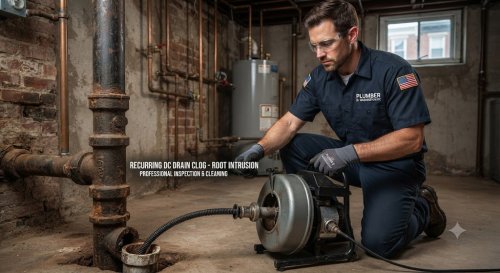
Tree roots can enter underground sewer pipes through small cracks or joints. Once inside, they can trap waste and restrict flow. DC Water identifies tree roots, grease buildup, soil settlement, misaligned joints, and pipe collapse among causes of sewer blockages.
Aging or Damaged Pipes
Older plumbing may have corrosion, cracks, separated joints, or sections that have shifted over time. Cleaning the blockage may restore flow temporarily, but a damaged pipe can cause the problem to return.
Improper Items Entering Drains
Wipes, paper towels, feminine hygiene products, excessive toilet paper, and other non-flushable materials can create serious blockages.
Mineral and Hard-Water Deposits
Mineral deposits can narrow the internal diameter of pipes. This is more noticeable when fixtures gradually become slower rather than suddenly stopping.
Signs You Should Never Ignore
Watch for these warning signs:
- Slow drains: Usually an early indication of buildup or partial blockage.
- Recurring clogs: A drain that repeatedly blocks may have a deeper problem.
- Multiple slow fixtures: Several affected fixtures can indicate a main drain or sewer issue.
- Bad odors: Persistent sewage or rotten odors may indicate trapped waste or sewer-gas problems.
- Standing water: Water remaining in a sink, shower, or floor drain suggests restricted flow.
- Gurgling sounds: Air trapped around a blockage can cause unusual bubbling or gurgling.
- Sewage backup: This requires prompt attention because contaminated wastewater can damage property and create sanitation concerns.
- Water stains or damp walls: These may indicate a separate leak associated with plumbing damage.
- Unexpectedly high water bills: A hidden leak, rather than a drain clog, may be responsible.
Don't assume every plumbing symptom has the same cause. Accurate diagnosis matters.
Common Plumbing Problems Related to Drain Clogs
A clogged drain can sometimes be an isolated issue, but it can also occur alongside other plumbing problems.
Common related issues include:
- Pipe leaks
- Sewer backups
- Broken or collapsed sewer lines
- Damaged drain connections
- Tree-root intrusion
- Fixture damage
- Overflowing toilets
- Water damage around plumbing fixtures
- Basement or floor-drain backups
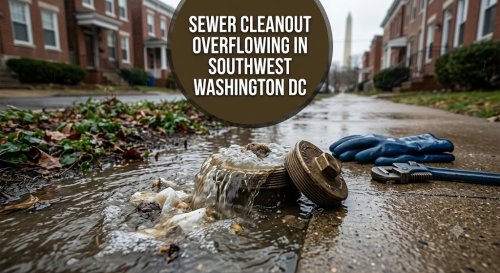
If wastewater is backing up through a basement floor drain or other low-level fixture, do not keep running water through the plumbing. DC Water advises contacting its emergency line for sewer-backup situations and determining whether the problem involves the public sewer or the property's sewer lateral.
Step-by-Step Professional Drain Cleaning Process
A reputable plumber generally follows a process rather than immediately forcing equipment into the pipe.
Step 1: Inspection
The plumber asks about the symptoms, affected fixtures, previous repairs, and how often the clog occurs.
Step 2: Diagnosis
The plumber determines whether the problem is local to one fixture or farther into the drainage system.
Step 3: Estimate
Before significant work begins, the homeowner should understand what service is recommended and what factors could affect the final cost.
Step 4: Drain Cleaning
Depending on the blockage, the plumber may use mechanical cable equipment, specialized augers, hydro jetting, or another appropriate method.
Step 5: Testing
Water is run through the affected fixture or drainage system to confirm that flow has improved.
Step 6: Cleanup
Work areas should be left reasonably clean, with wastewater and debris handled appropriately.
Step 7: Maintenance Advice
If the clog was caused by a preventable habit, the plumber should explain how to reduce the chance of another blockage.
Can You Fix a Clogged Drain Yourself?
For a simple, isolated sink or shower clog, homeowners can try a few relatively low-risk steps.
Use a plunger correctly, remove visible hair from the drain opening, clean the stopper, and check whether a nearby trap is accessible and safe to service.
Avoid repeatedly pouring harsh chemical drain cleaners into a blocked drain. They may not solve a deep obstruction and can leave hazardous chemicals inside the plumbing system.
Stop DIY attempts when the clog returns quickly, multiple fixtures are affected, sewage is backing up, water is leaking around the pipe, or you suspect a damaged sewer line.
A professional is particularly important when the blockage involves a main drain or sewer lateral.
Tools Professional Plumbers Use
Professional drain cleaning may involve equipment designed to locate and remove blockages more accurately.
Drain Inspection Cameras
A camera can help identify roots, buildup, cracks, separated joints, or other conditions inside accessible drain and sewer piping.
Drain Snakes and Cables
Mechanical drain-cleaning equipment can break through or retrieve many types of blockages.
Hydro Jetting
Hydro jetting uses high-pressure water to clean suitable pipes and remove stubborn buildup. It should be selected based on the pipe's condition and material rather than used automatically for every clog.
Pipe Locators
Locating equipment can help identify underground piping and problem areas before excavation or more invasive work is considered.
The right equipment depends on the plumbing system, blockage, pipe condition, and location.
How Long Does Drain Cleaning Take?
A simple fixture clog may be addressed relatively quickly, while a difficult sewer blockage can require substantially more time.
Typical factors include:
- Location of the blockage
- Severity of buildup
- Pipe size and material
- Accessibility
- Tree-root intrusion
- Whether inspection is required
- Whether the pipe itself is damaged
- Need for specialized equipment
An emergency blockage may receive faster attention, but the actual repair time still depends on what the plumber discovers.
What Does Drain Cleaning Cost in Washington, DC?
There is no responsible single price for every drain-cleaning job.
Plumbing repair costs vary depending on the severity of the problem, accessibility, materials required, emergency service, property type, and local labor rates.
Other cost factors can include:
- Diagnostic or inspection fees
- Labor
- Replacement parts
- Drain-cleaning equipment
- Hydro jetting or camera inspection
- Emergency service charges
- Permits, when applicable
- Pipe repair or replacement
- Difficult access to underground plumbing
A straightforward sink clog and a root-filled sewer lateral are very different jobs. Ask what is included in the estimate and whether additional work requires your approval.
Hidden Truths Homeowners Should Know
Some plumbing realities are easy to overlook.
- Small leaks can become expensive repairs. Water can damage drywall, flooring, cabinets, and framing.
- Temporary fixes often fail. Clearing a symptom without correcting the cause may lead to another clog.
- Insurance coverage varies. Neglected maintenance and sudden plumbing damage may be treated differently by an insurance policy. Review your coverage rather than assuming a backup is covered. DC Water recommends considering sewer-backup coverage or a rider.
- Tree roots can return. Removing roots does not necessarily eliminate the underlying pipe problem.
- Mineral buildup reduces flow. Deposits can gradually restrict plumbing.
- DIY mistakes can increase costs. Incorrect tools or excessive force can damage pipes.
- Delays can cause structural damage. Persistent water exposure creates additional repair concerns.
- Hidden leaks can increase utility bills. Unexplained usage deserves investigation.
- Mold can develop where moisture remains. Water damage should be addressed promptly.
- Preventive maintenance can cost less than emergency repairs. Regular inspections are especially useful in older properties.
15 Common Drain and Plumbing Mistakes to Avoid
1. Ignoring Slow Drains
Treat slow drainage as an early warning instead of waiting for a complete blockage.
2. Relying on Chemical Drain Cleaners
Repeated chemical use can create safety concerns and may not resolve the underlying problem.
3. Flushing Wipes
Even products marketed as flushable can contribute to blockages. Dispose of wipes in the trash unless your local utility specifically advises otherwise.
4. Pouring Grease Down the Sink
Let grease cool and dispose of it properly instead.
5. Ignoring Water Pressure Changes
Sudden pressure changes can indicate a plumbing or supply problem unrelated to the drain itself.
6. Hiring an Unqualified Plumber
Ask about appropriate licensing and qualifications for the work being performed.
7. Skipping Maintenance
Older plumbing benefits from periodic inspection and prompt attention to recurring symptoms.
8. Waiting for an Emergency
A recurring clog is often easier to investigate before sewage starts backing up.
9. Using the Wrong Pipe Materials
Mixing incompatible materials or using improper fittings can create future problems.
10. Over-Tightening Fittings
Too much force can damage threads, seals, or fixtures.