Introduction
Nothing disrupts a smooth kitchen routine quite like unpacking a mountain of post-dinner dishes only to realize your new appliance is sitting unhooked, or worse, leaking water all over your kitchen floor. Proper dishwasher plumbing installation is a vital home upgrade that requires meticulous attention to detail, adherence to local building codes, and precise mechanical alignment. Homeowners across the District of Columbia frequently encounter unexpected hurdles during kitchen remodels or appliance replacements—ranging from tight cabinetry clearances and outdated copper water supply valves to complex under-sink drainage configurations.
Ignoring proper connection protocols or rushing through a DIY setup can lead to slow cabinet leaks, warped subfloors, and costly property damage. For historic row houses and modern condos alike throughout Washington, DC, getting this installation right the first time protects your home investment and ensures your kitchen operates smoothly for years to come.
Professional Diagnostic & Repair Workflow
When you partner with a licensed professional for your kitchen appliance upgrade, the execution follows a rigorous, systematic workflow to guarantee long-term safety and peak performance:
-
Step 1: Non-Invasive Triage & Safety Isolation
The technician shuts off the local water supply and evaluates the designated electrical outlet to ensure it meets ground-fault circuit interrupter (GFCI) safety requirements before any physical work begins.
-
Step 2: Precision Diagnostic & Site Assessment
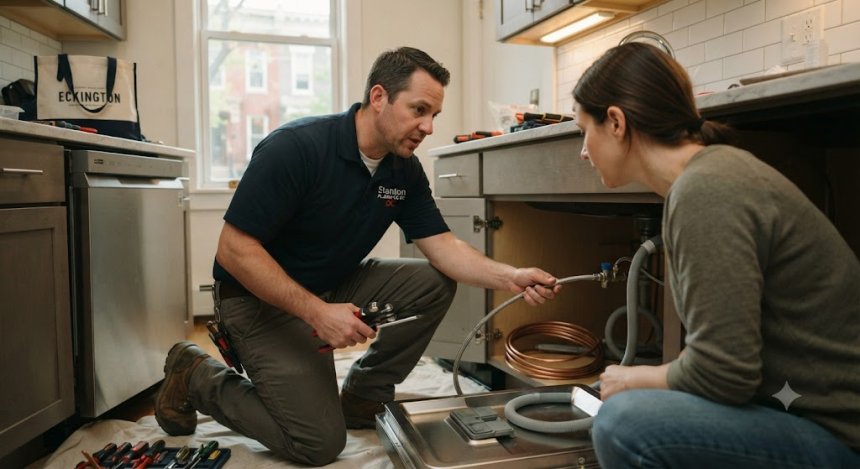
Measuring cabinet dimensions, checking existing drainage slopes, and assessing the condition of existing shut-off valves and waste tees.
-
Step 3: Transparent, Upfront Options & Written Estimating
Presenting clear, flat-rate pricing options for standard installations versus scenarios requiring custom line extensions or electrical modifications.
-
Step 4: Code-Compliant Remediation & Hookup
Securing braided stainless steel supply lines, routing high loops or installing air gaps to prevent backflow, and connecting secure tailpiece drain fittings.
-
Step 5: Pressure Testing, Flow Verification, & Clean-Up
Running a complete test cycle to monitor for micro-leaks under pressure, testing the drain pump, and leaving your workspace spotless.
What Is Dishwasher Plumbing Installation? Decoding the Mechanism
At its core, dishwasher plumbing installation involves three primary mechanical connections: a pressurized hot water supply line, a dedicated drainage pathway, and a secure electrical source. The system is designed to draw hot water from your home supply, heat it further internally, spray it at high pressure across dish racks, and then evacuate the soapy wastewater through a dedicated drain hose into your home’s main sanitary sewer system.
When properly configured, water flows effortlessly through a quarter-turn shut-off valve, travels up a reinforced hose, and enters the appliance inlet valve controlled by an electronic solenoid. Conversely, problems arise when homeowners attempt to force old, brittle rubber hoses onto new fittings, or fail to establish a proper "high loop" or air gap in the drain line. Without this elevated loop, dirty sink wastewater can siphon back into the dishwasher tub, leaving your clean dishes coated in unsanitary residue. Imagine a typical DC historic kitchen renovation where tight spaces force awkward hose bends; without professional alignment, kinks restrict water flow, burning out intake pumps prematurely.
Unique Expert Insights: Hard Truths Homeowners Learn Too Late
Over decades of field experience, master plumbers witness recurring mistakes that turn simple appliance setups into expensive headaches. Keep these raw industry truths in mind:
-
Flexible Hose Lifespans: Standard rubber supply hoses degrade and bulge after five to seven years; upgrading to braided stainless steel prevents catastrophic midnight bursts.
-
The High Loop Requirement: Omitting the high loop or air gap violates plumbing codes and invites contaminated sink water to backflow directly into your dishwasher basin.
-
Worn Shut-off Valves: Forcing an old, seized multi-turn gate valve under the sink often cracks the packing nut, turning a quick hookup into an emergency main-line shutoff scenario.
-
Warranty Voidance: Manufacturers routinely deny warranty claims for water damage if the installation fails to meet certified local plumbing code standards.
-
DIY Electrical Pitfalls: Tying heavy appliance loads into improper under-counter circuits risks tripping breakers or creating severe fire hazards.
Critical Warning Signs: When Your Kitchen is Sounding the Alarm
Even after an installation is complete, minor shifts or aging components can cause subtle warning signs. Paying attention to sensory clues prevents minor drips from escalating into major structural damage:
-
Subtle Structural Shifts: Unexplained damp patches inside the base cabinet or warping wood along the toe-kick panel.
-
Auditory Clues: Unusual humming or buzzing from the water inlet valve, or gurgling sounds from the sink drain during a wash cycle.
-
Olfactory Indicators: Musty, stagnant odors emanating from the base of the unit or foul sewer smells drifting up through the air gap.
Failing to address these early signs allows moisture to seep into subflooring and drywall, accelerating black mold growth and rotting structural framing.
Comprehensive Home Plumbing Maintenance Framework
Maintaining your dishwasher plumbing ecosystem requires seasonal awareness and disciplined daily habits. Use this structured framework to protect your kitchen:
-
Spring and Summer Habits
-
Inspect under-sink cabinet spaces during heavy seasonal humidity for condensation or micro-drips.
-
Check the garbage disposal flange and sink drain tailpiece connections for vibration-induced loosening.
-
-
Fall and Winter Preparation
-
Run a cleaning cycle with a specialized descaler to clear out mineral scale before heavy holiday hosting duties begin.
-
Verify that supply valves turn smoothly and are easily accessible in case of an emergency.
-
-
Year-Round Best Practices
-
Always scrape excess food scraps off dishes rather than relying on the appliance grinder to handle heavy solid waste.
-
Clean the dishwasher filter mesh monthly to prevent drainage clogs and backpressure on pump motors.
-
Avoid harsh chemical drain openers if a backup occurs, as they pit metal components and degrade rubber seals.
-
Root Causes: Why This Problem Occurs in Washington, DC Homes
Plumbing installations in the District of Columbia present unique challenges shaped by local infrastructure and housing stock:
-
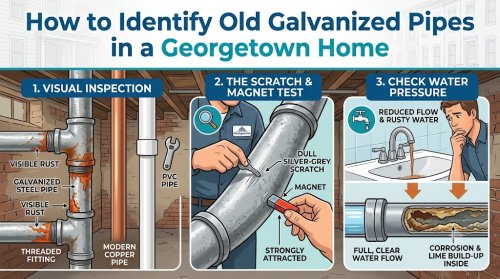
Historic Home Piping Materials: Many homes in Capitol Hill, Dupont Circle, and Georgetown feature aging galvanized steel or fragile cast iron waste stacks that complicate modern appliance tie-ins.
-
Municipal Water Hardness: Mineral content in the regional water supply accelerates calcification inside water inlet valves and solenoid screens.
-
Pressure Fluctuations: Municipal pressure swings throughout different DC neighborhoods can strain supply lines and fittings if pressure-reducing valves (PRVs) are poorly tuned.
-
Urban Settlement & Framing Shifts: Older row houses experience natural foundation settling, which can alter under-sink drainage slopes and cause slow pooling in flexible drain lines.
DIY Reality Check: What You Can Safely Fix vs. When to Step Back
While swapping out a refrigerator water filter is a straightforward DIY task, dishwasher plumbing installation walks a fine line between a simple weekend project and a major liability.
-
Safe Homeowner Actions: Clearing debris from the fine mesh filter basket, wiping down door seals, or tightening an easily accessible slip-nut on the P-trap (provided it isn't corroded).
-
The Danger Zone: Cutting into rigid supply pipes, modifying electrical wiring under tight counters, or forcing mismatched threading onto water inlet valves.
-
When to Call a Pro: If your home features outdated galvanized piping, if the shut-off valve leaks when touched, or if you need to drill through custom granite or quartz countertops for an air gap, drop the wrench and bring in a licensed professional to protect your property.
Advanced Diagnostics: The Professional Tool Arsenal
Professional plumbing execution relies on precision technology rather than guesswork. Technicians utilize specialized tools to ensure flawless installations:
-
Electronic Acoustic Leak Detectors: Pinpoint hidden moisture behind walls or beneath tiled kitchen floors before cabinet installation.
-
High-Definition Push-Rod Cameras: Inspect ancient under-slab or behind-wall drain branches to verify proper flow capacity.
-
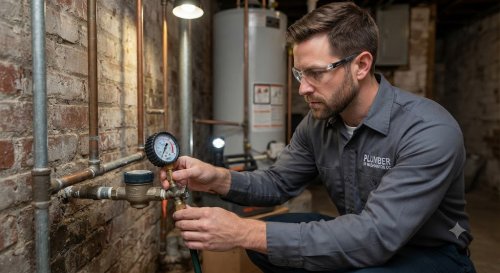
Digital Manometers: Measure static and dynamic water pressure to ensure your home's PSI falls safely within manufacturer guidelines (typically between 20 and 120 PSI).
-
Professional Tubing Cutters & PEX Crimping Tools: Ensure burr-free copper and secure PEX connections that eliminate leak risks at the source.
Financial Breakdown: Cost Factors & Investment Realities
Understanding the financial investment behind a professional dishwasher installation helps you budget accurately. Pricing varies based on the complexity of the workspace and required preparatory work:
-
Service Call & Dispatch Fees: Covers travel, expert diagnostic evaluation, and site measurement.
-
Accessory Materials: Premium braided stainless steel supply lines, extension drain hoses, and code-compliant electrical cords.
-
Modification Labor: Additional charges if cabinetry modifications, electrical outlet installations, or old valve replacements are required.
-
Permitting & Code Compliance: Ensuring local District building codes are strictly met during extensive kitchen remodels.
Investing in professional installation upfront eliminates costly emergency water damage remediation down the road.
Emergency Protocol: When Immediate Dispatch is Non-Negotiable
Some plumbing situations cannot wait for normal business hours. You need immediate emergency dispatch if you encounter:
-
Catastrophic water supply line rupture causing active flooding across kitchen hardwood floors.
-
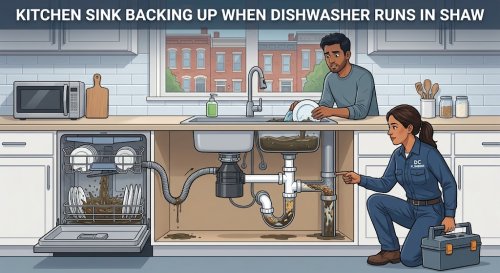
Main kitchen sink stack backup overflowing wastewater directly into the dishwasher basin.
-
Electrical sparking or smoking originating from the appliance connection outlet due to water intrusion.
Frequently Asked Questions (FAQs)
Do I need an air gap for my dishwasher in Washington, DC?
Yes, many local municipal plumbing codes in the District require either an approved air gap mounted on the sink deck or a correctly configured high loop to prevent backflow contamination.
Can I connect a new dishwasher to old copper supply valves?
It is strongly recommended to replace old multi-turn valves with modern quarter-turn ball valves to ensure a reliable, leak-free seal under pressure.
Why does my dishwasher smell like mildew?
Mildew odors usually stem from trapped food debris in the filter or a sluggish drain line where standing water fails to evacuate completely.
How long does a professional dishwasher installation take?
A standard swap-out where existing hookups are up to code typically takes between one to two hours. Custom retrofits may take longer.
Should I run hot water at the kitchen sink before starting a cycle?
Purging the line ensures the dishwasher immediately receives hot water, boosting detergent activation and cleaning efficiency from the start.
What is the primary cause of dishwasher leaks?
Worn-out rubber door gaskets, loose hose clamps, or improperly seated drain connections are the most frequent culprits behind kitchen leaks.
Are braided stainless steel lines better than rubber hoses?
Absolutely. Braided lines resist bursting, kinking, and structural degradation far better than standard rubber tubing over years of use.
Do plumbers haul away old appliances?
Many professional plumbing and appliance installation services offer haul-away and eco-friendly disposal options as part of their comprehensive packages.
Why Washington, DC Homeowners Trust Expert Plumbing Services
Navigating kitchen upgrades in the nation's capital requires a deep understanding of local architectural nuances, strict adherence to municipal codes, and unwavering craftsmanship. Homeowners rely on experienced, licensed professionals who deliver transparent, flat-rate pricing, state-of-the-art diagnostic equipment, and dependable warranties. Whether you are updating a historic row house in Capitol Hill or renovating a modern apartment downtown, expert installation ensures your kitchen remains safe, dry, and fully operational.