How Much Does a Plumber Cost in Washington, DC?
Understand plumbing costs in Washington, DC. Explore pricing factors, hourly vs flat rates, historic home challenges, and repair breakdowns.

How Much Does a Plumber Cost in Washington, DC?
Navigating Plumbing Rates and Project Costs in the District
When a plumbing issue arises in Washington, DC—whether a sudden water line leak in a Dupont Circle rowhouse or an aging water heater failure in Petworth—the first question most property owners ask is: "How much is this going to cost?"
Plumbing costs in the District reflect the area’s unique combination of dense urban infrastructure, century-old historic housing stock, and strict local municipal codes. Understanding what drives these costs helps homeowners budget accurately, compare estimates fairly, and avoid the pitfalls of low-quality work.
+-----------------------------------------------------------------------+
|                    WHAT DETERMINES PLUMBING PRICING?                  |
|                                                                       |
|   +-------------------+    +--------------------+    +------------+   |
|   | Labor & Expertise | +  | Materials & Parts  | +  | Complexity |   |
|   | (Licensing, Skill)|    | (Copper, PEX, Cast)|    | & Access   |   |
|   +-------------------+    +--------------------+    +------------+   |
|             │                        │                     │          |
|             └────────────────────────┼─────────────────────┘          |
|                                      ▼                                |
|                         [ Total Project Investment ]                  |
+-----------------------------------------------------------------------+
What Determines the Cost of Plumbing Services?
Plumbing pricing is not a single flat number across the board. Professional plumbers evaluate jobs through a clear set of operational parameters:
-
Type of Pricing Structure (Flat Rate vs. Hourly): Many modern service companies use flat-rate pricing based on national standards and task difficulty, while others bill an hourly rate plus the cost of materials.
-
Severity and Urgency: A standard mid-week fixture replacement carries a different service charge than an emergency main line backup on a Sunday evening.
-
Diagnostic & Trip Fees: Most reputable companies apply a standard dispatch/diagnostic fee to inspect the issue, evaluate the pipe network, and formulate an accurate written proposal.
Key Factors That Influence Plumbing Rates in Washington, DC
Plumbing repair costs vary depending on the severity of the problem, accessibility, materials required, emergency service, property type, and local labor rates.
1. Historic Architecture and Hidden Infrastructure
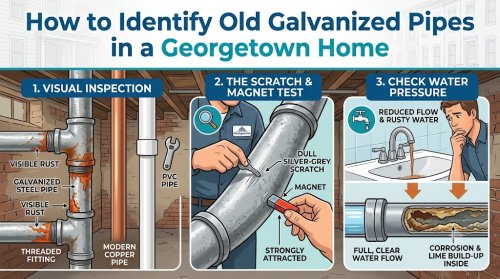
Older DC rowhouses in areas like Capitol Hill, Georgetown, and Adams Morgan often feature original cast iron, galvanized steel, or even lead piping. Working around plaster walls, tight crawl spaces, and retrofitted utility chases requires extra care and specialized techniques to prevent peripheral structural damage.
2. Materials and Pipe Specifications
The cost of fittings, replacement pipes, and valves directly affects your final estimate:
-
PEX vs. Copper: PEX tubing provides flexibility and lower material costs, while rigid copper offers long-term durability at a higher material price point.
-
Valves & Fixtures: Commercial-grade brass quarter-turn ball valves and heavy-duty fittings cost more up front than entry-level plastic or light alloy parts, but provide significantly longer lifespans.
3. Equipment and Diagnostics
Jobs requiring advanced diagnostic equipment—such as sewer inspection cameras, acoustic leak detectors, hydro-jetters, or trenchless pipe pullers—involve specialized machinery that ensures non-invasive, precise repairs.
4. Permitting and Local District Regulations
Certain major plumbing jobs, such as water service line replacements, sewer connections, and water heater installations, require formal permitting and inspections through DC government agencies (such as DOB and DC Water) to guarantee code compliance and property safety.
+-----------------------------------------------------------------------+
|                  SERVICE COMPLEXITY & ESTIMATED TIMELINES             |
+----------------------+-----------------------+------------------------+
| Repair Complexity    | Typical Work Involved | Average Time Required  |
+----------------------+-----------------------+------------------------+
| Simple Repairs       | Faucet rebuilds, trap | 1 to 2 Hours           |
|                      | replacements, toilet  |                        |
|                      | flapper adjustments   |                        |
+----------------------+-----------------------+------------------------+
| Moderate Repairs     | Main shutoff valve    | 2 to 5 Hours           |
|                      | upgrades, PRV replace-|                        |
|                      | ment, small leak cuts |                        |
+----------------------+-----------------------+------------------------+
| Major Projects       | Water heater installs,| 1 to 3 Days            |
|                      | sewer line excavation,|                        |
|                      | whole-home repiping   |                        |
+----------------------+-----------------------+------------------------+
| Emergency Repairs    | Active line ruptures, | Fast isolation; total  |
|                      | main stack backups    | repair time varies     |
+----------------------+-----------------------+------------------------+
Signs of Plumbing Issues You Should Never Ignore
Plumbing problems rarely start as catastrophic floods; they usually provide subtle early warning signs. Addressing them early keeps repair costs manageable:
-
Water Stains on Ceilings or Baseboards: Persistent discoloration points to slow supply or waste pipe leaks hidden inside wall cavities.
-
Sudden Drops in Water Pressure: Low flow across multiple fixtures often indicates a deteriorating gate valve, internal pipe scale buildup, or a main supply leak.
-
Unexplained Spikes in Utility Bills: High water bills without a change in household usage often signal hidden slab leaks, running toilet flappers, or underground service line fractures.
-
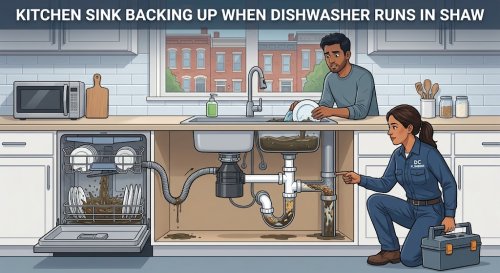
Slow Draining Across Multiple Fixtures: When several sinks or tubs drain sluggishly, the restriction usually sits in the primary sewer lateral rather than a single branch line.
-
Rumbling or Whistling Pipe Noises: Knocking sounds (water hammer) or whistling indicate high pressure, unsecured pipe brackets, or worn internal valve washers.
-
Musty Smells and Mold Patches: Lingering dampness in utility closets or basements creates ideal conditions for mold growth, indicating persistent micro-leaks.
Common Plumbing Problems in Older DC Homes
Properties throughout the District frequently encounter specific plumbing issues tied to local construction eras:
-
Corroded Galvanized Lines: Over decades, galvanized steel pipes corrode internally, choking water volume and producing discolored, rusty water.
-
Tree Root Infiltration in Clay Sewer Lines: Mature District street trees can send root hair roots into clay sewer pipe joints, causing recurring waste line backups.
-
Failed Water Shutoff Valves: Original multi-turn gate valves often seize open or snap at the stem, preventing emergency water isolation.
-
Aging Water Heaters: Mineral-heavy municipal water accelerates tank sediment accumulation, reducing heating efficiency and triggering premature tank corrosion.
-
Underground Service Line Deterioration: Historic service lines running beneath sidewalks and front yards eventually succumb to soil shifting, freeze-thaw cycles, and age.
Step-by-Step: The Professional Plumbing Repair Process
A professional plumbing contractor follows an organized, step-by-step methodology to diagnose and resolve issues efficiently:
[1. Detailed On-Site Inspection]
               │
               ▼
[2. Diagnostic Testing & Cause Identification]
               │
               ▼
[3. Clear Written Estimate & Scope Review]
               │
               ▼
[4. Precision Code-Compliant Repair / Install]
               │
               ▼
[5. Pressure & Operational Flow Testing]
               │
               ▼
[6. Workspace Cleanup & Debris Removal]
               │
               ▼
[7. Preventive Maintenance & Longevity Guidance]
-
Inspection: The technician examines the fixture, supply line, or drainage system, checking related connections and shutoffs.
-
Diagnosis: Specialized testing (such as pressure gauges or sewer cameras) identifies the exact root cause rather than treating just the surface symptom.
-
Estimate: The customer receives a clear scope of work explaining required materials, estimated labor, and repair options.
-
Repair: Using professional-grade tools and code-compliant parts, the technician completes the repair or replacement.
-
Testing: The system is repressurized, monitored under working load, and checked for pressure stability and joint tightness.
-
Cleanup: The work area is sanitized, and old pipe sections or worn equipment are hauled away.
-
Maintenance Advice: The plumber shares actionable guidance on preserving the new parts and preventing future system stress.
DIY vs. Professional Plumbing: Where Homeowners Can Save Safely
Understanding what you can handle yourself—and when to call a professional—protects both your property and your wallet.
Safe DIY Tasks for Homeowners:
-
Replacing a worn toilet flapper, fill valve, or handle mechanism.
-
Installing a new showerhead or aerator with Teflon thread seal tape.
-
Clearing minor sink clogs using a manual hand plunger or zip-it hair tool.
-
Insulating accessible water pipes in unheated basements before freezing weather.
When DIY Becomes Risky and Expensive:
-
Main Water Line or Shutoff Repairs: Cutting into pressurized incoming lines risks immediate basement flooding if isolation fails.
-
Gas Water Heater Work: Fuel connections and venting require certified technicians to avoid gas leaks or carbon monoxide hazards.
-
Concealed Wall Leaks: Tearing open plaster or tile without pinpoint acoustic or thermal imaging tools causes unnecessary structural damage.
-
Chemical Drain Cleaners: Caustic store-bought chemicals chew through aging cast iron and trap assemblies, causing premature pipe collapse.
Specialized Tools Used by Professional Plumbers
Modern diagnostic and repair equipment improves accuracy, reduces invasive wall cutting, and lowers total project time:
-
Fiber-Optic Sewer Cameras: High-resolution cameras travel through drain lines to show root intrusions, pipe offsets, and cracks in real time.
-
Acoustic & Thermal Leak Detectors: Electronic listening discs and thermal imaging cameras find hidden hot-water leaks behind walls and under floors.
-
Sectional Drain Cables & Hydro-Jetters: Heavy-duty machines and high-pressure water streams remove grease, scale, and root intrusions without damaging pipe walls.
-
ProPress Pipe Joiners: Flameless hydraulic pressing tools create secure, leak-free copper joints without requiring open torches in historic wooden structures.
10 Hidden Plumbing Truths Every Property Owner Should Know
-
Small leaks compound into major expenses: A pinhole leak losing just a quarter-gallon per minute wastes over 10,000 gallons of water in a single month.
-
Low-bid shortcuts lead to second repairs: Unlicensed work done without code-compliant fittings frequently fails within 6 to 12 months.
-
Insurance policies exclude deferred maintenance: Homeowners insurance often rejects water damage claims if the leak is proven to be an unaddressed long-term issue.
-
Tree roots return unless lines are sealed: Mechanical snaking clears an opening, but permanent prevention requires pipe relining or replacement.
-
Hard water wears down valves: Dissolved minerals shorten the operational life of water heaters, shutoff valves, and internal cartridge seals.
-
Overtightening causes sudden bursts: Cranking down fittings too hard strips threads and micro-fractures brass components, leading to sudden failures.
-
Concealed leaks raise energy and water bills: Leaking hot water lines force water heaters to run continuously, driving up gas or electric bills.
-
Mold takes root in 24 to 48 hours: Lingering dampness in unventilated rowhouse basements quickly turns minor pipe drips into mold remediation projects.
-
Lead lines require certified handling: Replacing valves on older lead services demands strict compliance with DC Water safety protocols.
-
Routine maintenance saves money: Proactive valve tests, water heater flushes, and pressure checks save thousands of dollars in emergency restoration bills.
15 Common Mistakes Homeowners Make That Drive Up Costs
-
Ignoring minor drips: Letting a slow faucet or valve leak run until the internal brass seat is permanently ruined.
-
Using chemical drain openers: Pouring harsh caustic chemicals into aging metal pipes that eat through traps and gaskets.
-
Flushing "flushable" wipes: Wipes do not dissolve like toilet paper; they snag on rough cast iron pipes and form dense clogs.
-
Pouring cooking grease down the kitchen sink: Warm grease congeals along cold underground pipes, trapping food debris and blocking lines.
-
Overlooking high water pressure: Operating plumbing above 80 PSI strains supply lines, toilet valves, and appliance hoses.
-
Hiring unlicensed contractors: Choosing unvetted labor without liability insurance or municipal licensing to save a few dollars upfront.
-
Skipping seasonal winterization: Forgetting to detach garden hoses and drain exterior spigots before the first freezing night.
-
Waiting for complete system failure: Delaying necessary valve or water heater replacements until an active emergency occurs at midnight.
-
Mixing incompatible metals: Connecting copper directly to galvanized pipe without a dielectric union, causing rapid galvanic corrosion.
-
Hanging heavy items on exposed pipes: Using basement ceiling pipes as drying racks or storage hooks, stressing soldered joints.
-
Covering shutoff access points: Drywalling or tiling over main valves during remodels without installing service access doors.
-
Using excessive force on stuck valves: Torquing seized gate valves with cheater bars, snapping stems, and causing high-pressure leaks.
-
Misdiagnosing sewer smells: Ignoring dry P-traps or broken vent stacks that let sewer gas leak into living areas.
-
Setting water heaters too high: Running temperatures above 120°F (49°C) increases scalding risks and speeds up mineral scaling inside the tank.
-
Neglecting regular system flushes: Allowing sediment to build up in water heater tanks until heating elements burn out or tanks fail.
15 Practical Plumbing Maintenance Tips for Long-Term Savings
-
Test your main shutoff valve yearly: Turn your primary ball valve off and on once every twelve months to keep it operating smoothly.
-
Flush your water heater annually: Drain a few gallons from the bottom drain valve to remove sediment and improve heating efficiency.
-
Install braided stainless-steel supply lines: Replace rubber washing machine and toilet hoses with burst-resistant braided steel lines.
-
Maintain water pressure between 50 and 70 PSI: Use an inexpensive hose bib gauge to verify that your pressure regulator is functioning correctly.
-
Use sink strainers in kitchens and baths: Catch food scraps and hair before they enter drain lines.
-
Disconnect hoses in late autumn: Shut off and drain interior isolation valves for outdoor spigots before freezing weather hits.
-
Know your valve layout: Clearly label the main shutoff, water heater valves, and exterior isolation stops.
-
Place smart leak detectors under high-risk fixtures: Put small battery-powered moisture sensors under water heaters, sinks, and laundry machines.
-
Exercise sink and toilet shutoffs: Turn angle stop valves under sinks and behind toilets once every six months to prevent mineral seizing.
-
Clean faucet aerators periodically: Unscrew and soak aerator screens in vinegar to clear mineral buildup and restore proper flow.
-
Keep grease out of your drainage system: Pour cooking fats and oils into glass jars or tin cans for regular trash disposal.
-
Check your toilet for silent leaks: Place a few drops of food coloring in the upper tank; if color appears in the bowl without flushing, replace the flapper.
-
Keep basement floor drains clear: Pour a bucket of water down floor drains periodically to ensure the trap seal stays full and blocks sewer gas.
-
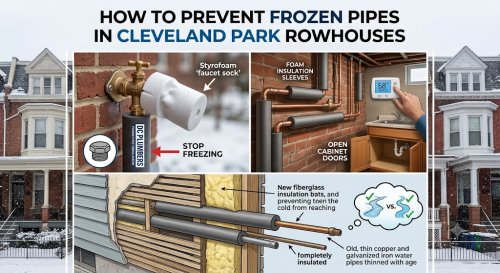
Insulate exposed supply lines: Wrap cold and hot water pipes running along exterior brick foundation walls.
-
Schedule a professional system evaluation: Have a licensed plumber perform a full visual and pressure inspection every 12 to 24 months.
When Should You Call an Emergency Plumber?
Certain situations require immediate professional intervention to protect your home from extensive water damage and safety hazards:
-
Active Water Service Line Ruptures: Water spraying or flooding into basements from incoming supply lines.
-
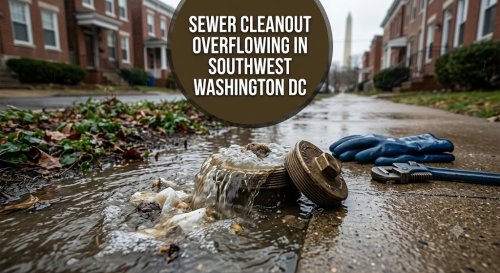
Complete Main Sewer Backups: Waste backing up into basement floor drains, bathtubs, or lower-level toilets.
-
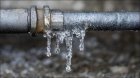
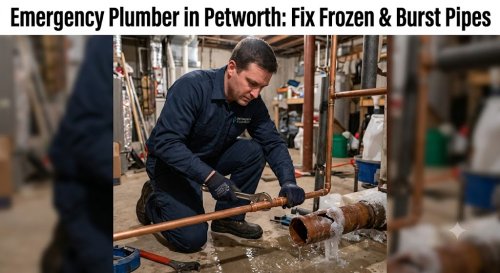
Frozen or Split Supply Lines: Pipes that have frozen, expanded, and cracked during winter cold snaps.
-
Gas Odors Near Water Heaters: The smell of sulfur or rotten eggs near gas appliances (evacuate immediately and contact your utility provider and plumber).
-
Sudden Complete Loss of Water Pressure: An abrupt loss of water supply across the entire house, indicating a broken main line.
Frequently Asked Questions
Why does a plumber charge a diagnostic or trip fee?
A diagnostic fee covers the operational expense of dispatching a fully equipped service vehicle, carrying insurance, and having a licensed master or journeyman plumber perform an on-site evaluation of the issue.
Is it cheaper to repair or replace an old plumbing fixture?
If a fixture is relatively new and the issue is a worn cartridge or washer, repair is the cost-effective choice. If the fixture is corroded, over 15–20 years old, or facing major component failure, replacement is the more reliable investment.
How do I know if my water line problem is on my property or the city's side?
In Washington, DC, property owners are generally responsible for the private water service line extending from the exterior property line/curb stop into the home. DC Water maintains the public main and the connection up to the property boundary.
Why is plumbing more expensive in older historic rowhouses?
Historic DC properties often have thick brick walls, narrow crawl spaces, plaster finishes, and legacy piping materials (like lead or galvanized iron). Navigating these structures requires extra labor, specialized tools, and careful work to avoid damaging historic finishes.
Can high water pressure damage my home's plumbing system?
Yes. Municipal pressure often reaches 80 to 100+ PSI. Pressure above 80 PSI stresses pipe joints, accelerates fixture wear, causes water hammer, and can void appliance warranties. Installing a pressure reducing valve (PRV) stabilizes flow.
How can I verify that a plumbing company is properly licensed in Washington, DC?
Reputable plumbing contractors will readily provide their DC Department of Licensing and Consumer Protection (DLCP) license numbers, carry active general liability insurance, and maintain worker's compensation coverage.
What is the advantage of flat-rate pricing over hourly billing?
Flat-rate pricing provides a clear, upfront quote for the entire task regardless of how long the work takes, protecting homeowners from unexpected charges if a difficult job runs longer than planned.
What causes water pipes to make banging noises when faucets close?
Banging sounds (known as water hammer) occur when fast-moving water stops abruptly, sending shockwaves through unsecured pipes. Installing water hammer arrestors or securing loose pipe hangers resolves this issue.
How often should a traditional tank water heater be replaced?
Most residential tank water heaters have an expected operational lifespan of 8 to 12 years. Regular annual tank flushing and anode rod inspections help maximize longevity.
Can a hidden leak cause high water bills without visible water damage?
Yes. A silent leak inside a toilet tank, an underground supply pipe fracture in the front yard, or a slow slab leak can waste hundreds of gallons per week without showing water stains on interior walls.
Why Choose Plumber Washington DC
When you need clear, honest plumbing evaluations and high-quality workmanship in the District, Plumber Washington DC provides trusted, licensed service tailored to your home's needs.
-
Experienced, Licensed Professionals: Our technicians are fully licensed, insured, and experienced with both historic DC architecture and modern plumbing systems.
-
Upfront, Clear Estimates: We explain the exact scope of work and pricing breakdown before any work begins—no surprises or hidden fees.
-
Fast, Dependable Response: We offer responsive service to address active leaks, broken valves, and fixture failures promptly.
-
Comprehensive Local Coverage: Proudly serving residential and commercial properties throughout Washington DC, including Capitol Hill, Georgetown, Dupont Circle, Petworth, Adams Morgan, Columbia Heights, Cleveland Park, Navy Yard, Foggy Bottom, and surrounding neighborhoods.