Emergency Burst Pipe Repair in Washington, DC: What to Do First
A burst pipe is one of the plumbing problems that should never be put off until morning.
When a pressurized water pipe breaks, water can spread through walls, ceilings, floors, cabinets, and electrical areas surprisingly quickly. The visible leak may be only the beginning. Water trapped behind drywall or underneath flooring can continue causing damage even after the obvious flow has stopped.
Washington, DC homeowners and businesses can experience burst pipes for several reasons, including freezing temperatures, aging plumbing, corrosion, excessive pressure, damaged fittings, and physical deterioration. DC Water specifically warns that cold weather can cause frozen pipes to burst and recommends knowing where the property's emergency shutoff valve is located.
If a pipe has already burst, the first priority is stopping the water safely. The second is getting the damaged pipe professionally evaluated and repaired.
What Is a Burst Pipe?
A burst pipe is a plumbing pipe that has cracked, split, ruptured, or otherwise failed, allowing water to escape from the pressurized plumbing system.
The failure can happen suddenly or develop from a small crack that eventually gives way.
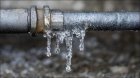
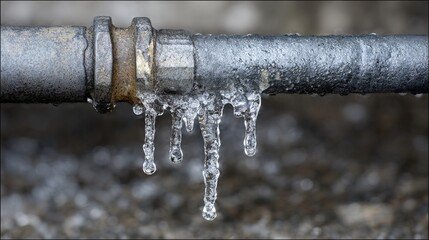
For example, a pipe inside an exterior wall may freeze during an unusually cold night. The expanding ice can increase pressure inside the plumbing system, and the pipe may split. Sometimes the water does not become obvious until the ice begins to thaw.
Other burst pipes happen without freezing. An old corroded pipe, damaged fitting, excessive water pressure, or weakened connection can fail at any time.
A burst pipe is different from a small faucet leak. A faucet may drip for weeks. A ruptured supply pipe can release a substantial amount of water in a short period.
What Should You Do When a Pipe Bursts?
Step 1: Shut Off the Main Water Supply
If you can safely reach the main shutoff valve, turn off the property's water supply immediately.
DC Water recommends knowing where your emergency shutoff valve is located so you can quickly stop water in a burst-pipe emergency.
If you cannot locate the valve or it is inaccessible, contact a licensed plumber.
Step 2: Open a Faucet if Appropriate
Once the main supply is shut off, opening a faucet can help relieve remaining pressure in the plumbing system.
Do not continue using fixtures if doing so causes more water to enter the damaged system.
Step 3: Protect People and Property
Keep people away from standing water, particularly if water has reached electrical outlets, appliances, or wiring.
Move furniture, electronics, documents, and other valuables away from the affected area if it is safe to do so.
Step 4: Call an Emergency Plumber
A burst pipe needs more than simply drying up the visible water. The failed section needs to be identified and repaired or replaced.
Step 5: Document the Damage
If safe, take photographs or video of the affected areas for your records and potential insurance claim.
Do not delay emergency mitigation simply because you are waiting for an insurance response.
Why Do Pipes Burst in Washington, DC?
Frozen Pipes
Freezing is one of the best-known causes of burst pipes during severe cold.
Water expands as it freezes. If ice blocks a section of pipe, pressure can build between the ice and a closed valve or another blockage. The pipe can eventually split.
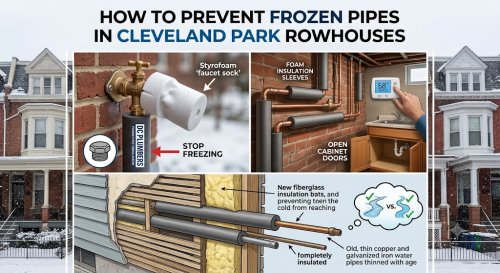
DC Water's winter guidance recommends insulating exposed pipes, keeping indoor temperatures at least 55°F when away, removing outdoor hoses, and using gentle heat if a pipe freezes.
Aging Plumbing
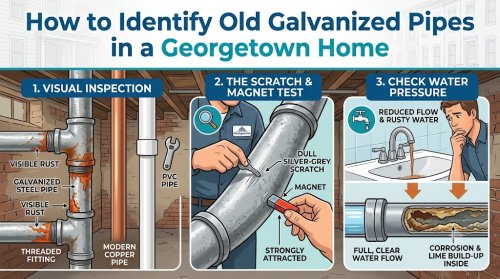
Older pipes can become weakened through years of corrosion, mineral buildup, repeated temperature changes, and general deterioration.
An older pipe may not fail simply because of its age, but age can be an important factor when combined with visible corrosion or recurring leaks.
Corrosion
Corrosion can gradually thin or weaken metal piping. A small pinhole leak can eventually become a larger failure.
High Water Pressure
Excessive or fluctuating pressure can place additional stress on plumbing components, especially older pipes and connections.
Failed Fittings
Sometimes the pipe itself is fine but a coupling, valve, connector, or fitting fails.
Physical Damage
Construction, remodeling, accidental impact, shifting materials, or improper installation can damage plumbing.
Poor Previous Repairs
An incorrectly installed fitting or incompatible repair material can become a weak point in the system.
Lack of Winter Preparation
Uninsulated plumbing in garages, crawl spaces, exterior walls, basements, and other cold areas can be more vulnerable during freezing weather.
Signs a Pipe May Be About to Burst
Not every burst happens without warning.
Watch for:
- Damp spots on walls or ceilings
- Peeling paint
- Bubbling drywall
- Unexplained water stains
- Sudden drops in water pressure
- Whistling or hissing sounds
- Pipes that visibly bulge or corrode
- Repeated small leaks
- Unexplained increases in water usage
- Frozen sections of exposed piping
- Damp cabinets
- Musty odors
- Water pooling near plumbing fixtures
A small leak should not automatically be treated as harmless. A plumber can determine whether the visible leak is simply a failed fitting or evidence of broader pipe deterioration.
Common Problems Related to Burst Pipes
A burst pipe can create several secondary problems.
Water Damage
Water can soak drywall, insulation, flooring, cabinets, and personal belongings.
Mold Growth
Persistent moisture creates conditions that can support mold growth. EPA guidance emphasizes controlling moisture and drying water-damaged areas promptly.
Electrical Hazards
Water near electrical components creates a potentially dangerous situation. Do not enter standing water where electrical hazards may exist.
Structural Damage
Prolonged moisture can affect wood framing, flooring, ceilings, and other building components.
Low Water Pressure
A significant leak can reduce pressure at fixtures because water is escaping before reaching them.
Higher Water Bills
A leak that continues for hours or days can waste substantial amounts of water.
Step-by-Step Professional Burst Pipe Repair
Step 1: Emergency Assessment
The plumber determines where water is coming from and whether the main supply has been shut off.
Step 2: Locate the Failed Pipe
The visible water is not necessarily coming from the exact location of the pipe failure. Water can travel through walls, ceilings, insulation, and flooring.
Step 3: Identify the Cause
The plumber evaluates whether freezing, corrosion, pressure, a failed fitting, physical damage, or another condition caused the failure.
Step 4: Explain the Repair
A professional should explain whether a localized repair or larger pipe replacement is appropriate.
Step 5: Remove or Replace Damaged Material
The failed section may be cut out and replaced with compatible plumbing material and properly installed connections.
Step 6: Test the System
The water supply is restored carefully and the repaired section is checked for leaks and proper operation.
Step 7: Check for Additional Damage
If freezing caused one pipe to fail, other exposed plumbing should also be checked for signs of freezing or damage. DC Water specifically recommends checking other vulnerable pipes after a freezing incident.
Step 8: Cleanup and Prevention Advice
The plumber should explain what caused the failure and what steps can reduce the chance of another emergency.
Can You Fix a Burst Pipe Yourself?
A burst pipe is generally not a good DIY repair.
A homeowner can safely perform limited emergency steps:
- Shut off the main water supply.
- Open an appropriate faucet to relieve pressure.
- Remove standing water only when electrical hazards are absent.
- Move belongings away from the affected area.
- Photograph the damage.
- Contact a licensed plumber.
Avoid cutting into walls, soldering pressurized pipes, or attempting complicated repairs if you are not trained to perform them.
If a pipe has frozen but has not yet burst, DC Water recommends gentle thawing with a hair dryer and specifically warns against open flames.
Never use a torch or open flame to thaw a frozen plumbing pipe.
If the pipe is inaccessible, you cannot locate the frozen section, or you are uncomfortable performing the thawing procedure safely, contact a licensed plumber.
Tools Professionals Use
Leak Detection Equipment
Specialized equipment can help locate concealed leaks without unnecessarily opening large sections of a wall or floor.
Moisture Meters
Moisture detection can help identify areas affected by hidden water intrusion.
Thermal Imaging
In appropriate situations, thermal imaging can help identify temperature differences associated with water or frozen sections.
Pipe Inspection Equipment
Inspection tools may help evaluate accessible piping and determine whether additional deterioration is present.
Pressure Testing
A plumber may use pressure testing where appropriate to assess whether a plumbing system or repaired section is holding pressure properly.
Pipe Cutting and Repair Equipment
Professional pipe repair requires tools suitable for the particular pipe material and connection method.
The equipment used should match the actual problem. A sophisticated tool is not a substitute for proper diagnosis.
How Long Does Burst Pipe Repair Take?
The time required depends heavily on where the pipe failed and how accessible it is.
Simple Repair
A readily accessible failed fitting or short section of exposed pipe may be repaired relatively quickly.
Moderate Repair
A pipe located inside a wall, ceiling, cabinet, or difficult-to-access area may require additional work.
Major Repair
Extensive pipe damage, multiple failures, concealed leaks, or significant water damage can turn a plumbing repair into a larger restoration project.
Emergency Repair
An emergency plumber may first stop the water and make the plumbing safe. Complete restoration can take longer if drywall, flooring, cabinets, insulation, or other materials have been affected.
Factors include:
- Pipe location
- Pipe material
- Extent of damage
- Accessibility
- Cause of failure
- Number of damaged sections
- Required replacement materials
- Water damage
- Permit requirements, where applicable
- Availability of restoration services
What Does Emergency Burst Pipe Repair Cost in Washington, DC?
There is no honest fixed price for every burst pipe emergency.
Plumbing repair costs vary depending on the severity of the problem, accessibility, materials required, emergency service, property type, and local labor rates.
Additional factors may include:
- Diagnostic fees
- Emergency or after-hours service
- Labor
- Replacement pipe
- Fittings and valves
- Specialized leak detection
- Wall or ceiling access
- Water extraction
- Drying equipment
- Mold remediation
- Permit costs, when applicable
- Pipe replacement versus localized repair
- Restoration of damaged surfaces
A burst pipe underneath an accessible sink is a very different job from a ruptured pipe behind a finished wall on an upper floor.
Ask the plumber to explain what is included in the estimate and which costs may be separate.
Hidden Truths Homeowners Should Know
A Small Leak Can Become a Major Water Problem
A tiny leak may eventually become a larger rupture, especially if the pipe is corroded or otherwise deteriorated.
Stopping the Water Does Not Stop All Damage
Water already inside walls, ceilings, flooring, or insulation can continue causing problems.
The Visible Leak May Not Be the Source
Water can travel along framing or building materials before appearing at a ceiling or wall.
One Frozen Pipe Can Mean Others Are at Risk
After a freeze-related failure, other vulnerable plumbing should be inspected.
Insurance Coverage Depends on the Policy
The District of Columbia Department of Insurance, Securities and Banking says many homeowners and commercial policies generally cover damage from a frozen pipe that bursts when the loss results from a sudden and accidental discharge, but coverage can depend on policy conditions and whether the property owner took reasonable precautions.
Do not assume your policy covers every repair or water-damage expense. Review the actual policy and contact your insurer.
Emergency Repairs May Be More Expensive
After-hours service, difficult access, specialized equipment, and urgent restoration can affect costs.
Replacing Only the Failed Section May Not Always Be Enough
If several sections of an old plumbing system are deteriorated, the plumber may recommend evaluating the broader system rather than repeatedly replacing individual failures.
15 Common Mistakes Homeowners Make
1. Waiting to Shut Off the Water
Every minute of uncontrolled water can increase damage.
2. Ignoring a Small Leak
A small leak deserves investigation, especially when it occurs on an old or visibly corroded pipe.
3. Using an Open Flame on Frozen Pipes
Never use a torch or other open flame to thaw plumbing. DC Water recommends gentle heat instead.
4. Continuing to Use Fixtures
If a major supply pipe has failed, using sinks, toilets, or appliances can add more water to the affected system.
5. Ignoring Water Near Electrical Components
Do not take electrical risks while attempting to reach a leak.
6. Repairing Pressurized Pipes Without Proper Knowledge
Improper repairs can fail again and cause additional damage.
7. Hiring an Unqualified Contractor
Use an appropriately licensed professional for regulated plumbing work.
8. Choosing a Plumber Only by Price
The lowest initial quote may not include necessary diagnosis or restoration considerations.
9. Failing to Ask What Caused the Failure
Replacing a pipe without understanding why it failed can leave another weak point untreated.
10. Ignoring Other Frozen Pipes
After a freeze, check other vulnerable areas.
11. Leaving Exterior Hoses Connected in Freezing Weather
DC Water recommends removing outdoor hoses as part of winter preparation.
12. Letting the Property Get Too Cold
DC Water recommends maintaining at least 55°F when away during winter conditions.
13. Forgetting About Vacant Properties
Unoccupied buildings still need winter protection.
14. Failing to Document Damage
Photographs and notes can be useful when discussing repairs with your insurer.
15. Delaying Drying and Restoration
Water damage should be addressed promptly after the plumbing source is controlled.
Preventing Burst Pipes in Washington, DC
Use these practical steps before the next cold-weather event:
- Learn where the main water shutoff is.
- Test the shutoff periodically if accessible.
- Insulate exposed plumbing.
- Protect pipes in unheated spaces.
- Remove outdoor hoses before freezing weather.
- Drain outdoor faucets when appropriate.
- Keep interior temperatures at least 55°F when away during cold weather.
- Open cabinet doors under sinks when temperatures become unusually cold.
- Allow vulnerable faucets to drip during extreme cold when appropriate.
- Repair small leaks promptly.
- Watch for corrosion.
- Monitor unusual water-pressure changes.
- Keep garage doors closed during freezing weather.
- Check exposed basement plumbing.
- Know which pipes run along exterior walls.
- Have older plumbing evaluated if leaks are recurring.
- Do not use open flames to thaw frozen pipes.
- Have someone check an unoccupied property during severe weather.
- Know which water emergency situations should be reported to DC Water.
- Keep your plumber's contact information readily available.
DC Water's current winter guidance also recommends maintaining heat, insulating exposed pipes, removing hoses, and using gentle heat rather than open flames for frozen pipes.
When Should You Call an Emergency Plumber?
Call an emergency plumber when:
- A pipe has burst.
- Water is rapidly flooding a room.
- A ceiling is leaking heavily.
- Water is coming through a wall.
- A major supply line is leaking.
- You cannot shut off the water.
- Water is near electrical equipment.
- Multiple plumbing fixtures suddenly lose pressure.
- A frozen pipe has cracked.
- A major leak is threatening structural materials.
If the emergency involves water on public property, a suspected water-main break, or water running from a street or sidewalk, DC Water advises contacting its 24-hour emergency line at (202) 612-3400.
For a plumbing failure inside your home or business, DC Water advises contacting a licensed plumber.
People Also Ask About Burst Pipe Repair
What should I do first if a pipe bursts?
Turn off the main water supply if you can do so safely, stay away from electrical hazards, protect belongings, and contact a licensed emergency plumber.
How quickly should a burst pipe be repaired?
Immediately. The priority is stopping uncontrolled water and preventing additional property damage. The permanent repair time depends on the location and severity of the failure.
Can a frozen pipe burst after it starts thawing?
Yes. The damage may become apparent as frozen water thaws and pressure conditions change. Inspect the pipe carefully and contact a professional if damage is suspected.
How do I know if a pipe is frozen?
Reduced or no water flow from a fixture, frost on exposed pipes, unusual pressure changes, and extremely cold plumbing areas can be warning signs.
Can I thaw a frozen pipe with a hair dryer?
DC Water recommends gently applying heat with a hair dryer around a frozen pipe and warns against open flames.
How much does emergency burst pipe repair cost?
There is no reliable universal price. Labor, access, pipe material, emergency timing, replacement parts, water damage, and the extent of the failure all affect the cost.
Should I repair or replace a burst pipe?
A localized failure may only require repair. If the plumbing is extensively deteriorated, replacement of a larger section may make more practical sense. Inspection should guide that decision.
Will homeowners insurance cover a burst pipe?
Coverage depends on the policy and circumstances. DISB states that many policies generally cover sudden and accidental damage from frozen burst pipes, but policy conditions and maintenance responsibilities can affect coverage.
Can a burst pipe cause mold?
Yes. Persistent moisture can contribute to mold growth, particularly when water remains trapped in porous materials.
Why did my pipe burst even though the weather was not freezing?
Freezing is only one cause. Corrosion, excessive pressure, damaged fittings, aging materials, physical damage, and other plumbing failures can also rupture pipes.
How do I prevent pipes from bursting in winter?
Insulate vulnerable pipes, maintain indoor heat, disconnect outdoor hoses, protect exposed plumbing, and know where your main shutoff is located.
Voice Search Questions About Burst Pipes
“Who do I call for a burst pipe in Washington, DC?”
For a burst pipe inside your property, contact a licensed emergency plumber. If the issue appears to involve public property or a water main, contact DC Water at (844)-833-2093
“What should I do if water is pouring from my ceiling?”
If safe, shut off the property's main water supply immediately and stay clear of electrical hazards. Then contact an emergency plumber and arrange appropriate water-damage mitigation.
“Can I fix a burst pipe myself?”
You can shut off the water and take immediate protective measures, but permanent pipe repair is best handled by an appropriately qualified plumber.
“How do I stop a burst pipe from flooding my house?”
The first step is to shut off the main water supply if it is safe to do so. Then address electrical hazards and call for professional emergency plumbing assistance.
How to Choose the Right Emergency Plumber
When your property is flooding, it can be tempting to hire the first person who answers the phone. Take a moment to verify the basics if circumstances allow.
Ask:
- Is the plumber appropriately licensed?
- Do they handle burst pipe emergencies?
- Can they explain the likely cause?
- Will they inspect for additional damage?
- Do they provide an estimate before non-emergency work begins?
- Are after-hours charges explained?
- Do they repair and replace different types of plumbing?
- Will they test the repair afterward?
- Can they explain whether additional sections of pipe should be evaluated?
A professional emergency plumber should focus first on containing the damage, then diagnosing the failure and recommending the appropriate repair.
Why Choose Plumber in Washington DC?
When a burst pipe happens, you need a plumbing company you can contact without having to explain the basics repeatedly.
Plumber in Washington DC provides plumbing services for homeowners and businesses in Washington, DC. For emergency plumbing assistance, the company can be reached at (844) 833-2093.
Visit Plumber in Washington DC to learn more about available plumbing services.
Washington, DC includes a wide range of property types, from older row homes in neighborhoods such as Capitol Hill, Georgetown, Petworth, Shaw, Columbia Heights, and Brookland to apartments, commercial buildings, and newer developments.
Older plumbing systems may require a different approach from newer construction, so the right repair should be based on the actual pipe condition rather than assumptions about the property.
If you are comparing plumbers in nearby areas such as Arlington, Alexandria, Silver Spring, Bethesda, or other parts of the DC metropolitan area, verify that the plumber serves your property and holds the appropriate credentials for the work.
Final Thoughts
A burst pipe is not a plumbing problem to watch and wait.
The safest first response is to stop the water if you can do so safely, protect people and property from electrical and water hazards, and contact an appropriately qualified plumber.
Freezing temperatures are an important risk in Washington, DC, but they are not the only cause. Aging pipes, corrosion, excessive pressure, failed fittings, and physical damage can all lead to a sudden plumbing failure.
The right repair depends on what caused the pipe to fail, where it failed, the condition of surrounding plumbing, and the amount of water damage already present.
If you are dealing with a burst pipe inside your Washington, DC home or business, contact Plumber in Washington DC at (844) 833-2093 for professional assistance. For water emergencies involving public property or suspected water-main problems, DC Water's 24-hour emergency line is (844)833-2093