Introduction
Few household discoveries strike instant panic quite like walking down to the basement or lower level and spotting a damp pool spreading across the concrete floor. Foundation plumbing leak repair in Washington, DC is a critical service for property owners dealing with hidden breaches beneath concrete slabs or framing. Because local houses feature a unique mix of historic row houses with aging utility infrastructure and newer developments subject to shifting mid-Atlantic clay soils, underground and sub-slab piping systems face immense physical stress.
Ignoring a damp patch or a sudden unexplained jump in your municipal utility bill can compromise the structural integrity of your entire property. When water escapes beneath a foundation, it washes away supporting soil, causes concrete to crack, and invites aggressive mold growth. Understanding how these leaks happen, how professionals diagnose them without destroying your floors, and knowing when to bring in an expert can save you thousands in structural remediation.
What Is Foundation Plumbing Leak Repair? Decoding the Mechanism
At its core, foundation plumbing leak repair involves locating and correcting pressurized water supply lines or gravity-fed drain lines that run underneath or directly through a home's concrete foundation slab or structural footings.
Ideally, a home's plumbing network remains completely sealed, maintaining consistent internal pressure or smooth gravity drainage. When a pipe fails—often due to a pinhole corrosion site, a cracked joint, or ground settling—water continuously escapes under pressure. This water has nowhere to go but up through the porous concrete or out into the surrounding sub-grade soil.
Imagine a historic row house in Capitol Hill: supply lines cast decades ago sit snug against abrasive gravel or sub-slab fill. As the pipe expands and contracts with seasonal temperature shifts, the friction creates a microscopic fissure. Over weeks or months, that tiny drip erodes the sub-slab base, creating a void. The concrete above unsupported space eventually sags and cracks, manifesting as wet flooring, warped hardwood, or damp drywall upstairs.
Root Causes: Why This Problem Occurs in Washington, DC
Sub-slab and foundation piping failures are rarely random. They are usually the result of specific environmental and structural pressures native to the region:
-
Aging Infrastructure & Historic Piping: Many homes across the District feature older metallic piping materials like cast iron, galvanized steel, or early-generation copper that thin out after decades of service.
-
Aggressive Water Chemistry: Municipal water treatment leaves varying mineral content and disinfectant residuals that can slowly pit metal pipe interiors, creating internal pinholes that eventually rupture under pressure.
-
Wide Water Pressure Fluctuations: High municipal supply pressures can stress aging residential lines, especially during off-peak night hours when pressure surges push tired pipe walls to their breaking point.
-
Seasonal Ground Shifting: The regional clay-heavy soil expands significantly when saturated with heavy spring rains and shrinks during dry summer droughts, placing immense shear stress on rigid sub-slab plumbing lines.
-
Electrolysis: When dissimilar metals touch beneath a concrete slab—such as copper water lines tied directly to older steel structural sleeves—electrochemical reactions accelerate metal degradation.
Critical Warning Signs: When Your Home is Sounding the Alarm
Sub-slab leaks are notoriously sneaky because the damage occurs completely out of sight. However, your home will invariably drop subtle hints long before catastrophic failure occurs:
-
Sensory Indicators: Unexplained warm spots on a concrete basement floor, persistent damp patches on carpets, baseboard water staining, or sudden spikes on your monthly water bill despite unchanged usage habits.
-
Auditory Clues: Hearing the faint sound of running water when all taps, toilets, and appliances are completely turned off, or hearing water hammering and whistling inside walls.
-
Olfactory Indicators: Musty, earthy, or mildew-heavy odors rising from lower levels, signaling trapped moisture and hidden mold colonies proliferating beneath floor coverings.
-
Structural Warning Signs: Cracks appearing in interior drywall, doors suddenly sticking in their frames, or lifting and buckling vinyl, tile, or hardwood flooring.
Delaying intervention accelerates cascading risks. Trapped moisture rots wooden floor framing, rusts structural metal supports, and creates a breeding ground for toxic mold spores that compromise indoor air quality.
Professional Diagnostic & Repair Workflow
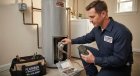
A licensed, insured master plumber approaches foundation leak challenges with a methodical, non-destructive game plan:
-
Non-Invasive Triage & Safety Isolation: The technician shuts down specific zones of the plumbing system to isolate whether the leak originates from a cold supply, hot supply, or drain line.
-
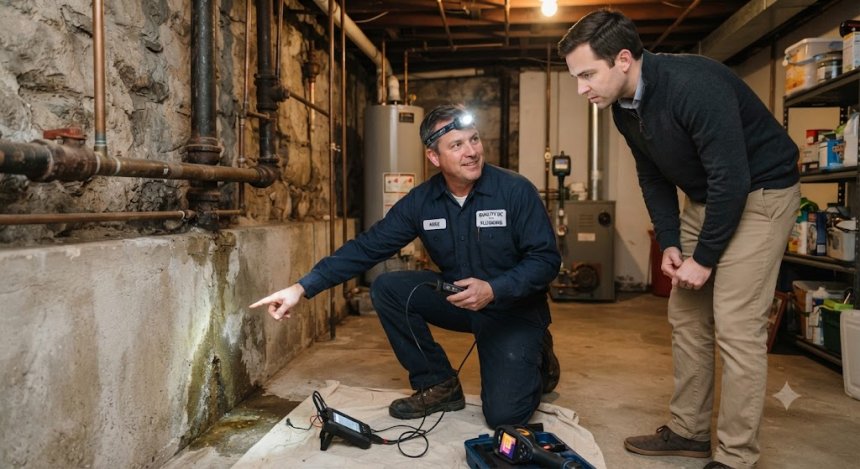
Precision Diagnostic & Digital Video Inspection: Using specialized electronic gear, the team pinpoints the exact coordinates of the leak, minimizing the need for exploratory concrete demolition.
-
Transparent, Upfront Options & Written Estimating: You receive clear, flat-rate pricing options detailing whether a localized repair, pipe rerouting, or full-line replacement is the safest long-term choice.
-
Code-Compliant Remediation & Part Replacement: The plumber cuts out the damaged section using clean cuts, replacing it with durable, modern materials like cross-linked polyethylene (PEX) or heavy-duty copper.
-
Pressure Testing, Flow Verification, & Clean: The repaired system undergoes rigorous hydrostatic pressure testing to guarantee absolute integrity before the workspace is meticulously cleaned and sanitized.
Advanced Diagnostics: The Professional Tool Arsenal
Modern plumbing relies heavily on advanced diagnostic technology to eliminate guesswork, protect your property, and save you money on unnecessary excavation:
-
Electronic Acoustic & Thermal Leak Detectors: Highly sensitive listening discs and thermal imaging cameras detect the faint hiss of pressurized water escaping beneath concrete or temperature anomalies caused by hot water leaks.
-
Push-Rod High-Definition Drain Cameras: Waterproof fiber-optic cameras travel through waste and sewer lines to visually inspect interior pipe walls for cracks, root intrusion, or joint separations.
-
Hydro-Jetting High-Pressure Units: Specialized multi-piston pumps scour heavy scale, grease, and debris from pipe interiors, restoring full internal diameter flow prior to lining or repair.
-
Electronic Pipe Locators & Digital Manometers: Used to trace the exact underground path of buried lines and measure micro-drops in system pressure to confirm active leaks.
DIY Reality Check: What You Can Safely Fix vs. When to Step Back
It is vital to know your boundaries when dealing with plumbing systems integrated into a home's foundation:
-
Safe Homeowner Actions: Monitoring your water meter during periods of zero usage, clearing debris away from exterior foundation drainage paths, and operating main water shut-off valves in an emergency.
-
The Danger Zone: Attempting to jackhammer concrete floors without knowing where electrical lines or post-tension cables run, applying temporary rubber patch clamps to high-pressure sub-slab lines, or using caustic chemical drain openers on blocked sub-grade pipes.
-
When to Drop the Wrench: Any time a leak involves pressurized lines beneath a concrete slab, sewage backups into living areas, or suspected structural damage, stop immediately and call a licensed professional.
Financial Breakdown: Cost Factors & Investment Realities
Foundation leak repair is an investment in structural preservation. Because every home layout is unique, flat-rate pricing varies based on specific job parameters:
-
Diagnostic & Dispatch Fees: Professional service calls covering specialized acoustic testing and site evaluation.
-
Accessibility & Depth: Whether the leak is easily accessible in a shallow crawlspace or buried deep beneath 6 inches of reinforced concrete slab.
-
Material Selection: Upgrading aged infrastructure to modern, flexible, corrosion-resistant materials like PEX-a piping.
-
Permitting & Compliance: Ensuring major line replacements meet local municipal building codes and inspection standards.
-
Repair vs. Total Replacement: Weighing the cost of a localized repair against rerouting an entire compromised supply line through ceilings and walls to bypass the slab entirely.
Unique Expert Insights: Hard Truths Homeowners Learn Too Late
Over decades of fieldwork, master plumbers frequently witness recurring mistakes that turn minor issues into major financial burdens:
-
Temporary epoxy patch kits and rubber tape wrappers applied to high-pressure lines almost always fail under sustained hydraulic loads, frequently voiding home insurance coverage clauses for negligence.
-
Pouring chemical drain cleaners down slow basement floor drains corrodes aging metal pipe walls from the inside out, turning a minor clog into a catastrophic collapse.
-
Unlicensed handymen often bypass municipal permit requirements and code standards, creating hidden installation flaws that instantly fail during future real estate home sales inspections.
-
Enrolling in proactive preventive maintenance programs costs a fraction of a single emergency midnight water extraction and floor remediation project.
Comprehensive Home Plumbing Maintenance Framework
Keep your home's infrastructure resilient across every season with this structured maintenance schedule:
Spring & Summer Checks
-
Outdoor Spigots: Inspect exterior hose bibs for frost cracks or leaking seals after winter storage.
-
Sump Pump Testing: Pour several gallons of water into the sump pit to ensure the pump activates, clears quickly, and discharges safely away from the foundation.
-
Exterior Grading: Verify that soil and mulch slope away from your foundation walls to prevent pooling water.
Fall & Winter Preparation
-
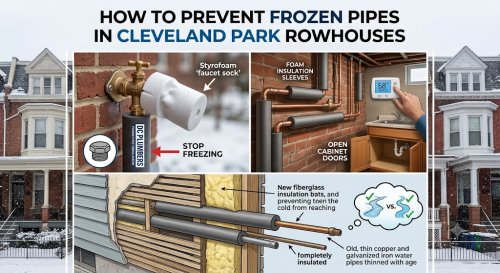
Pipe Insulation: Wrap exposed water lines in unheated basement zones or crawlspaces with foam insulation sleeves.
-
Hose Bib Draining: Shut off interior isolation valves for outdoor faucets and drain exterior lines before freezing temperatures hit.
-
Water Heater Flushing: Flush sediment buildup from your tank to maintain thermal efficiency and extend vessel life.
Year-Round Habits
-
Strainer Usage: Keep hair, grease, and debris out of all sink and shower drains using physical mesh strainers.
-
PRV Monitoring: Check your pressure-reducing valve periodically to ensure household water pressure stays safely below 80 PSI.
-
Chemical Avoidance: Rely on mechanical plunging or professional hydro-clearing instead of harsh chemical liquid drain openers.
Emergency Protocol: When Immediate Dispatch is Non-Negotiable
Certain plumbing scenarios demand an immediate emergency response from a 24/7 professional team:
-
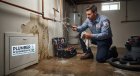
Catastrophic pipe bursts or active, high-volume structural flooding in living areas.
-
Complete main sewer line blockages causing raw sewage to back up into bathtubs, showers, and basement floor drains.
-
Total loss of potable water supply to the home.
-
Major leaks spraying near electrical breaker panels, water heater controls, or active wiring.
Frequently Asked Questions (FAQs)
How do plumbers find a leak under a concrete slab without destroying my floor?
Licensed professionals use non-invasive electronic acoustic listening devices, thermal imaging cameras, and helium gas tracing equipment to pinpoint leaks within inches. This allows them to make a single, small access hole rather than tearing up your entire floor.
Will my homeowners insurance cover foundation plumbing leak repair?
Insurance policies typically cover the resulting water damage to your home (like ruined drywall or flooring), but they rarely cover the cost of repairing the actual worn-out pipe itself. Check your specific policy rider for underground utility coverage.
Can I just reroute the pipe instead of breaking through the concrete slab?
Yes. In many cases, rerouting a leaking water supply line overhead through the ceiling or walls is more cost-effective, less disruptive, and permanently bypasses the vulnerable sub-slab environment.
How much does foundation leak detection typically cost?
Diagnostic and electronic leak detection fees vary based on the complexity of the property layout, but investing in precise detection always saves money compared to exploratory concrete demolition.
Are high water bills always a sign of a hidden plumbing leak?
While a sudden spike in your municipal water bill is a primary indicator of a hidden leak, it can also be caused by a running toilet, a stuck irrigation valve, or a malfunctioning water softener.
Why do historic Washington, DC homes experience more foundation leaks?
Older properties often feature aging cast iron or galvanized steel lines that have reached the end of their operational lifespan, compounded by decades of urban vibration and shifting sub-grade soils.
Should I use chemical drain cleaners to fix a slow basement drain?
Never use harsh chemical drain cleaners, especially on older plumbing systems. They generate intense heat that can warp PVC or corrode aging metal pipes, worsening the underlying damage.
How can I tell if a damp spot on my basement floor is a plumbing leak?
If the damp spot persists even during dry weather and does not dry out with fans, or if it feels warm (in the case of a hot water line leak), it is almost certainly a pressurized plumbing failure requiring professional evaluation.
Why Washington, DC Homeowners Trust Expert Plumbing Professionals
Navigating a complex sub-slab or foundation plumbing issue requires more than just basic tools—it demands deep local expertise, technical precision, and absolute transparency. Choosing a trusted, licensed team ensures:
-
Fully licensed, insured, and background-checked master plumbers on every job.
-
Upfront, flat-rate pricing with zero hidden overtime surprises or ambiguous estimates.
-
State-of-the-art diagnostic equipment that protects your floors and minimizes structural disruption.
-
Deep regional experience serving historic neighborhoods and modern developments alike across the Washington, DC metropolitan area.
-
Robust customer-first workmanship warranties and satisfaction commitments that give you total peace of mind.