Frozen Pipe in Petworth? DC Plumber’s Guide to Thawing & Repair
Dealing with a frozen pipe in Petworth? Learn immediate steps to take, how to thaw pipes safely, when to call a professional DC plumber, and prevent bursts.
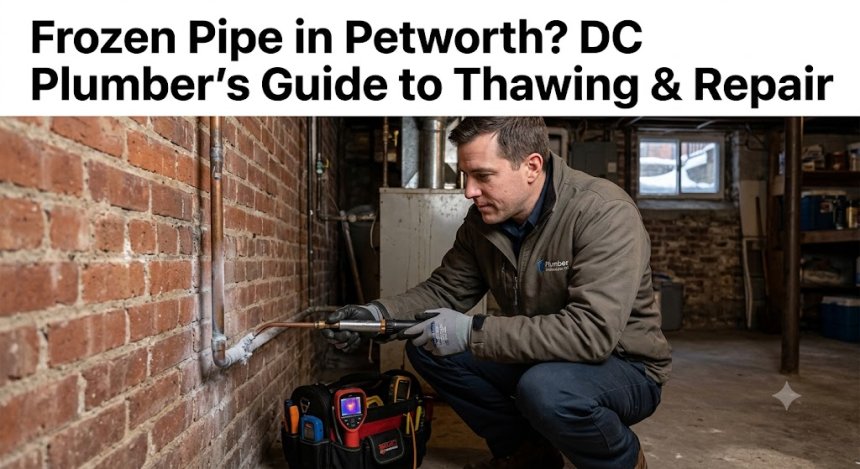
How to Deal With a Frozen Pipe in Petworth During Winter
Winter in the District of Columbia is unpredictable. While we enjoy mild days, the sudden, bone-chilling cold snaps that define DC winters place massive stress on residential and commercial plumbing systems. For residents living in the historic rowhouses, Victorians, and modern conversions across the Petworth neighborhood, few plumbing emergencies create immediate panic quite like a frozen pipe.
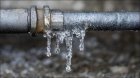
This is a scenario we encounter frequently at Plumber in Washington DC. You wake up on a freezing January morning, turn the faucet knob for your morning coffee, and… nothing. Or, perhaps worse, you hear the ominous sound of rushing water behind a wall. When water inside a pipe freezes, it doesn't just create an inconvenient ice blockage; it expands, putting immense pressure on the pipe material (copper, galvanized steel, or even plastic PEX). This pressure leads directly to cracks, splits, or complete pipe bursts. Immediate attention is non-negotiable, as an ignored frozen pipe in Petworth is simply water damage waiting to happen.
We understand that homeowners and business owners search for this topic because they are worried, possibly standing in a drafty basement, and need reliable, practical advice before things get catastrophic. This guide is your resource, designed by local DC experts to help you understand the problem, identify the signs, safely navigate DIY thawing, and recognize when you must call a licensed plumber in Washington DC.
What Is a Frozen Pipe?
At its simplest, a frozen pipe is exactly what it sounds like: water inside a plumbing supply or drain line has solidified into ice because the surrounding temperature has dropped below freezing (32°F or 0°C). However, the ice blockade itself is rarely the part that causes the pipe to burst. The real danger lies in the hydraulic pressure that builds up between the ice blockage and the closed faucet, or sometimes between two ice blockages. As water attempts to flow, this compressed pressure has nowhere to go but out through the weakest point of the pipe wall.
Common Frozen Pipe Situations in Petworth
-
Outdoor Hose Bibbs/Spigots: These are almost always the first pipes to freeze because they are exposed directly to the elements. If you left a garden hose attached, water is trapped, ensuring a freeze.
-
Unheated Crawlspaces and Basements: Many historic Petworth homes have unconditioned basements or crawlspaces where supply lines are exposed to drafty, frigid air.
-
Pipes Running Through Exterior Walls: Supply lines routed through uninsulated or poorly insulated exterior walls (common in older rowhouses) are highly susceptible.
-
Pipes Inside "Cold Spots" in Attic/Garage: Plumbing routed through areas without consistent heating.
Why Does This Plumbing Problem Happen in Petworth During Winter?
Petworth plumbing faces unique challenges that increase the risk of frozen pipes:
1. Aging and Historic Infrastructure
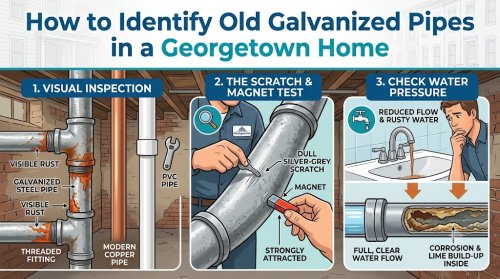
LeDroit Park, Bloomingdale, and Petworth contain hundreds of Victorian and early 20th-century rowhouses. These beautiful homes often feature original or aging plumbing (like galvanized steel) that is less resilient to pressure changes and more prone to internal corrosion, creating weak points where freezes can easily split the material.
2. Lack of Modern Insulation
When many of Petworth’s iconic homes were built, insulation standards were drastically lower. Pipes were often routed through exterior walls with little to no thermal barrier, or left exposed in drafty basements and crawlspaces. Even in renovated properties, modern insulation may not reach every plumbing run.
3. Improper or Outdated Installation
Older renovations might have placed pipes too close to drafty areas or failed to use proper pipe sleeves when routing through foundation walls.
4. Poor Maintenance
Failing to disconnect outdoor hoses, ignoring drafty windows near basements, or not maintaining a consistent interior temperature are critical contributing factors. DC residents sometimes try to save money on heating by letting the temperature drop too low at night.
5. DCs Erratic Weather
We experience rapid temperature drops. A mild afternoon can turn into a 15°F night in Ward 4, catching homeowners off guard.
Signs You Should Never Ignore
Your plumbing system often provides early warning signs that a pipe is frozen or actively freezing. Spotting these cues and acting quickly can save you thousands in water restoration costs.
| Warning Sign | What It Indicates | Why It Matters |
| No Water or Only a Trickle from Faucet | Ice is blocking the flow of water in the line. | This is the most definite sign of a freeze and requires immediate action to thaw safely before pressure builds. |
| Frost or Ice Build-Up Directly on Pipes | The environment is cold enough to freeze water, and a blockage has likely already formed. | Visually confirms the location of the freeze and indicates an urgent need to increase temperature. |
| Strange Noises (Gurgling or Clanking) | Water is trying to bypass an ice blockage, creating air pockets and unusual flow dynamics. | Indicates a partial freeze or imminent total blockage; requires investigation. |
| Musty, Earthy Odors | A pipe has already cracked and is slowly leaking behind a wall or in a crawlspace. | Suggests mold growth is starting; immediate leak detection is necessary. |
| Puddles or Active Leaks | A pipe has likely already burst. | This is a major water emergency. Locate the main shut-off valve immediately. |
Common Plumbing Problems Related to Frozen Pipes
A frozen pipe rarely remains an isolated issue. Left unmanaged, it can trigger a cascade of related plumbing and structural failures:
-
Burst Pipes: The most severe outcome. The pipe ruptures, leading to immediate, high-volume water loss. A burst pipe in a crawlspace can go unnoticed for hours, causing immense structural rot and mold.
-
Drain Line Failures: While supply lines freeze most easily (because they are smaller diameter and under pressure), drain lines in unheated areas can also freeze, causing backups.
-
Leaking Faucets: Backpressure can damage internal components of faucets, causing them to drip or leak once the system thaws.
-
Water Heater Failures: In extreme cases, a frozen inlet supply pipe can starve a water heater of water, potentially causing the heating elements to burn out (if electric) or damaging the tank.
Step-by-Step Professional Thawing Process
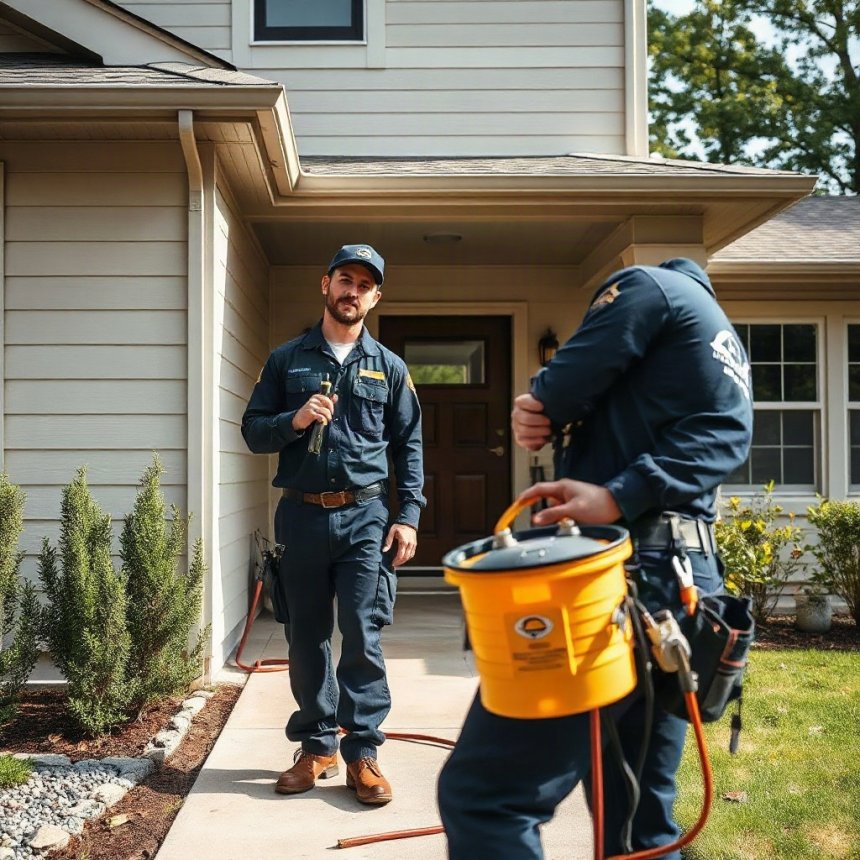
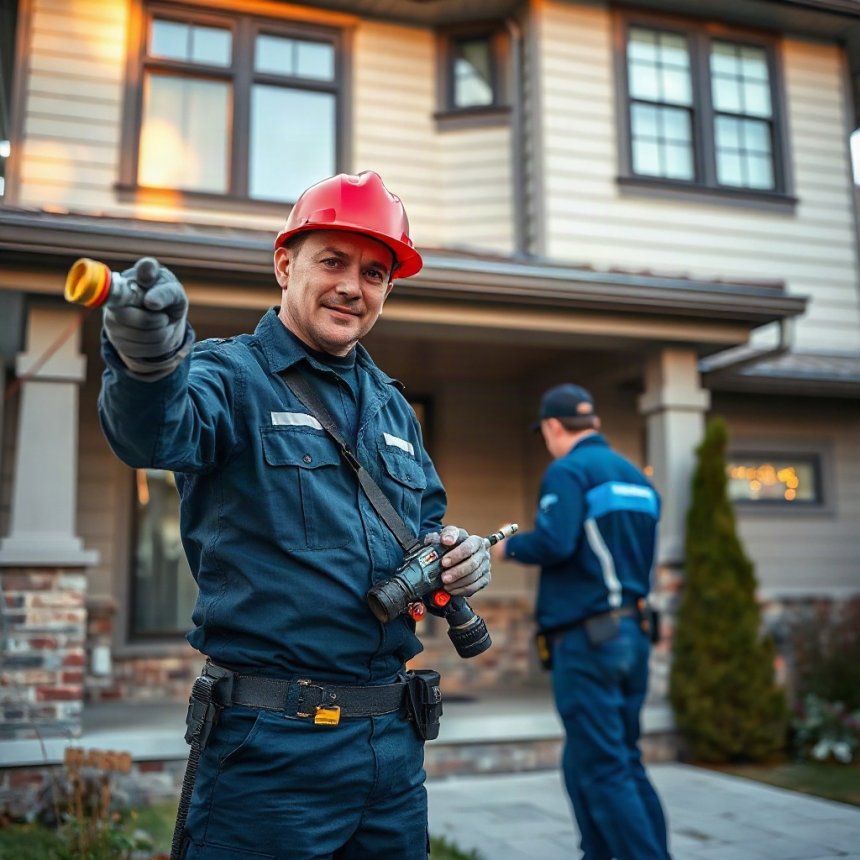
When you call Plumber in Washington DC to handle a frozen pipe in Petworth, we arrive equipped with specialized tools and follow a safe, logic-driven approach to restore your water service without causing damage.
[Step 1: Emergency Inspection & Hazard Check]
                         │
                         ▼
[Step 2: Diagnosis & Pinpoint Location (Camera/Thermal)]
                         │
                         ▼
[Step 3: Honest Estimate & Safety Review]
                         │
                         ▼
[Step 4: Controlled Thawing (Controlled Heat - NEVER TORCHES)]
                         │
                         ▼
[Step 5: Inspection for Splits or Bursts after Thawing]
                         │
                         ▼
[Step 6: System Testing & Flow Verification]
                         │
                         ▼
[Step 7: Maintenance Advice for Future Prevention]
Step 1: Preliminary Inspection and Water Control
The first step is always safety. We verify the location of your main water shut-off valve. If we suspect the pipe has already burst, we isolate the water immediately to prevent flooding during the thawing process.
Step 2: Accurate Diagnosis
Guesswork is risky when thawing pipes. We use advanced technology—including thermal imaging cameras and acoustic leak detectors—to pinpoint the exact section of the pipe that is blocked by ice, especially when the line is hidden behind historic plaster walls.
Step 3: Estimate and Safety Review
We provide a transparent estimate and discuss the thawing strategy, ensuring you understand the risks and our plan to mitigate them.
Step 4: Controlled Thawing
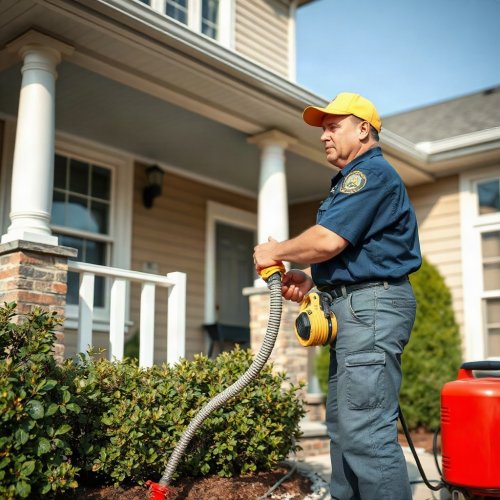
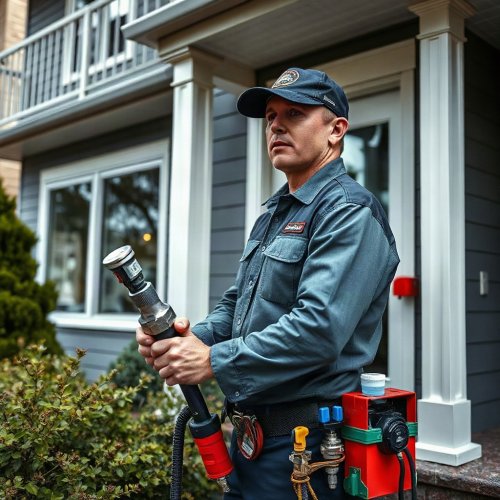
We use specialized, safe heat sources. For exposed pipes, we utilize professional-grade electric pipe thawing machines that pass a low-voltage, high-amperage current through the pipe wall, heating the metal internally to melt the ice safely. We also use commercial-grade heat guns or controlled heat tape. We will NEVER use an open flame torch, which creates immense fire risk.
Step 5: Post-Thawing Inspection and Flow Testing
Once the line thaws, we immediately inspect the area for cracks or leaks. Ice expansion can damage joints and pipe walls even if it doesn't cause a spectacular burst. We then test the water pressure and verify proper flow at all affected faucets.
Can You Fix It Yourself?
Understanding the difference between a safe DIY thawing attempt and a dangerous one is crucial for Petworth residents.
Safe DIY Solutions and Temporary Fixes Every Homeowner Should Know
-
Locate Your Main Water Shut-Off Valve: This is the absolute most critical piece of plumbing knowledge you must have. If a pipe burst occurs, knowing how to turn off the entire house’s water in seconds can save thousands of dollars.
-
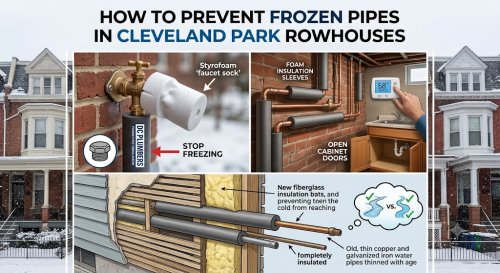
Open Cabinet Doors: For faucets located on exterior walls (common in kitchens), open the cabinet doors to allow warm interior air to circulate around the pipes.
-
Run a Trickle of Water: If you know a hard freeze is coming, letting the faucet served by the vulnerable pipe run a steady trickle of water (hot and cold) can sometimes prevent a total freeze-up by keeping water moving.
-
Disconnect Outdoor Hoses: Do this every autumn. A connected hose will trap water in the outdoor spigot, ensuring it freezes and bursts.
-
Safely Use Controlled Heat (Exposed Pipes Only): If you can visibly access the frozen pipe in your basement or crawlspace, you can attempt to thaw it using a hairdryer on the lowest setting or by wrapping the pipe in thick, dry towels and pouring hot (but not boiling) water over the towels. NEVER leave these heat sources unattended.
When DIY Becomes Dangerous and Counterproductive
-
Torches and Open Flames: NEVER attempt to thaw a pipe using a propane torch, welding torch, or any open flame. This is an incredible fire hazard, particularly in historic wood-framed DC rowhouses. We have unfortunately seen major structure fires started by desperate homeowners with torches.
-
Ignoring the Main Shut-Off: Trying to thaw a pipe without knowing how to turn off the water guarantees catastrophic flooding if the thawing process reveals a burst.
-
Caustic Chemical Thawers: Do not pour chemicals down the line; they will not thaw ice blockages and will only damage the pipe material and create environmental hazards.
-
Leaving Heat Sources Unattended: Portable space heaters placed too close to combustible materials are a common cause of home fires.
Tools Professionals Use
A professional plumber doesn’t guess or take unnecessary risks. Our technicians arrive with specialized equipment to ensure safe and efficient pipe thawing and repair:
-
Sewer and Drain Inspection Cameras: Waterproof fiber-optic cameras inserted into drain lines or exterior cleanouts can sometimes help visually confirm the location of heavy ice blockages in drain pipes.
-
Thermal Imaging Cameras (FLIR): Visualizes temperature differences through walls, allowing us to accurately locate the cold zone where the frozen pipe is located without demolishing historic plaster.
-
Acoustic Leak Detection: Amplifies sound frequencies produced by leaks or water moving past partial ice clogs.
-
Electric Pipe Thawing Machines: High-capacity electric machines that safely heat metal pipe walls from the inside.
-
Pipe Locators and Pressure Testing Equipment: Used to map plumbing infrastructure and verify system integrity after thawing.
How Long Does the Repair Usually Take?
Timelines for dealing with frozen pipes depend heavily on the severity of the freeze and the accessibility of the pipe:
-
Basic Diagnosis & Thawing (Exposed Pipe): Often completed in 1 to 3 hours, depending on the length of the frozen section and pipe material.
-
Thawing & Repair (In-Wall Pipe): May take 2 to 6 hours or longer, depending on whether the plumber needs to cut into plaster or drywall to access the split and perform a repair (like a PEX reroute or a copper splice).
-
Dealing with an Active Burst: The immediate priority is water isolation (minutes), followed by cleanup and repair, which could be a 1–2 day project depending on the damage and required restoration.
Cost Factors in Frozen Pipe Repair
Voice Search: Hey Google, how much does it cost to fix a frozen pipe? We believe in transparency. Plumbing repair costs in Washington, DC vary depending on several practical factors:
-
Diagnostic Fees: The cost to inspect the system, locate the main shut-off, and identify the freeze location (especially if in-wall).
-
Accessibility: Exposed pipes in basements are significantly cheaper to access and thaw than pipes hidden behind historic rowhouse plaster.
-
Pipe Material: Repairing old galvanized steel often requires more labor (threading/cutting) than splicing modern copper or PEX.
-
Emergency Charges: We offer emergency plumbing availability 24/7, but late-night or holiday dispatch may carry a surcharge.
-
Extent of Damage: Thawing an intact pipe is far less expensive than repairing a pipe that has already burst and caused water damage.
-
Restoration Costs: If structural water damage occurred, you will need to account for drywall repair, mold remediation, and drying equipment.
Plumbing repair costs vary depending on the severity of the problem, accessibility, materials required, emergency service, property type, and local labor rates. We provide clear, upfront estimates before any work begins.
Hidden Truths Homeowners Should Know
Understanding the deeper realities of DCs historic plumbing infrastructure can prevent major winter disasters:
-
Small Drips Prevent Big Bursts: When a faucet serving an exterior wall pipe trickles water, it relieves the immense hydraulic pressure that builds up behind an ice clog. It is the pressure, not the ice alone, that causes the pipe wall to fail.
-
Cheap Temporary Fixes Often Fail: Wrapping a known "cold spot" pipe in blankets without adding active insulation or heat tape provides only a couple of degrees of protection—hardly enough for a deep DC freeze.
-
Insurance May Not Cover Neglected Plumbing: While sudden bursts are generally covered, insurance adjusters routinely deny water damage claims if evidence shows the homeowner neglected proper winterization (like leaving hoses connected).
-
Tree Roots Can repeated damage sewer lines: If you have chronic roots that you ignore, that tree will seek the moisture of a slight pipe crack, guaranteeing a mainline backup when a drain line freezes or thaws.
-
Hard Water Shortens Fixture Lifespan: Dissolved minerals scale internal faucet components, making them more rigid and prone to failure when backpressure mounts from a freeze.
-
DIY mistakes increase repair costs: Attempting a clumsy solder repair or splitting a pipe with an improper thawing technique often doubles the total repair bill.
-
Delaying Repairs Causes Structural Damage: Water leaking quietly in a crawlspace from a slow thaw leads directly to expensive structural rot and subfloor decay.
-
Hidden leaks increase utility bills: A subtle pinhole leak behind a wall in an unheated basement can waste hundreds of gallons a day.
-
Mold develops quickly: Toxic mold colonies can take root behind damp drywall or in wet insulation within 24 to 48 hours of a pipe burst.
-
Annual maintenance saves money: Scheduling routine maintenance—checking crawlspace insulation, exercising shut-off valves, and disconnecting outdoor hoses—is far cheaper than a winter emergency call-out.
15 Common Mistakes Homeowners Make
When dealing with frozen pipes in Petworth, these common errors often make the situation worse:
-
Using Torches or Open Flames: The number one fire hazard; we have unfortunately seen major structure fires started this way.
-
Ignoring Warning signs: Dismissing a slow trickle as "just low water pressure."
-
Flushing "Flushable" Wipes: Wipes clog sewer lines; if a drain line freezes and then thaws, the clog is waiting to cause a massive backup.
-
Pouring Grease into Drains: Grease solidifies in cold DC pipes, creating concrete-like blockages.
-
Ignoring Water Pressure problems: Allowing excessive municipal pressure to continuously strain pipes.
-
Hiring Unlicensed Plumbers: DC permits and codes are complex; Ward 4 historic homes require licensed expertise.
-
Skipping Maintenance: Failing toDisconnecting outdoor hoses.
-
Waiting Until Emergencies: Postponing winterization until the first hard freeze hits.
-
Using the Wrong Pipe materials: Mixing mismatched materials without proper adapters during DIY repairs.
-
Over-tightening plumbing fittings: Stripping threads or cracking aging metal pipes.
-
Closing off cabinet doors: Trapping cold air around vulnerable pipes.
-
Leaving the property unmonitored during travel: Failing to shut off water supplies before leaving for winter vacations.
-
Ignoring a slow main line: If your sewer gurgles, don't wait for a freeze/thaw to cause a whole-house backup.
-
Pouring boiling water down a frozen drain: Thermal shock can shatter cast iron pipes and crack porcelain toilets.
-
Thawing the pipe too quickly: Applying intense, localized heat can cause a sudden pressure spike that bursts the pipe.
Maintenance Tips to Prevent Frozen Pipes in Petworth
Preventative maintenance is DCs best defense against winter plumbing emergencies:
Routine Care Tips
-
Disconnect All Outdoor Hoses: Do this every single autumn. Drain the spigot completely.
-
Verify Main Water Shut-Off: Ensure every family member or property manager knows its exact location and confirms it is functional.
-
Keep Interior Temperature Consistent: DC codes generally require properties to maintain a minimum of 55°F (13°C), even when unoccupied.
-
Open Cabinet Doors: Ensure interior heat reaches pipes in exterior kitchen and bathroom vanities during hard freezes.
-
Run a Trickle of Water: During severe cold snaps, let theFaucet trickling can prevent a total freeze-up in known cold-spot lines.
Seasonal & Long-Term Preventative Care
-
Insulate Vulvernable Pipes: Use high-quality foam pipe sleeves to wrap all supply lines in crawlspaces, basements, and attics.
-
Seal Drafts: Check for drafty basement windows, foundation cracks, or gaps where utilities enter your Petworth rowhouse foundation.
-
Schedule Scheduled System Inspections: Have a licensed plumber evaluate your home’s winterization plan, check insulation integrity, and inspect exposed pipe runs.
-
Replace Aging Galvanized Steel: For homes with original plumbing, scheduling proactive replacement with copper or freeze-resistant PEX is DCs safest long-term solution.
When Should You Call an Emergency Plumber?
Call an emergency plumbing service immediately if you encounter any of these dangerous winter plumbing situations:
-
Burst Pipe with Active Flooding: If water is gushing from a ruptured line, isolate the main supply immediately and call us.
-
Whole-House No Water: When multiple faucets across the property are frozen, suggesting a mainline freeze or a systematic problem.
-
Thawing a Pipe hidden in a wall: When the frozen section is in-wall, do not attempt DIY thawing; call a pro with thermal imaging.
-
Active Seweage Backup: If a drain line thaws and wastewater begins backing up through lowest drains.
-
Electrical Danger near plumbing: Water in proximity to electrical panels, outlets, or water heaters.
Frequently Asked Questions
Why is my water pressure suddenly low across all faucets?
System-wide low pressure when it’s freezing outside often indicates that a primary water supply mainline has frozen or partially frozen. This is DCs most frequent sign that you must act immediately before a total freeze.
How do I know if my sewer line is broken?
Persistent sewer gas odors (hydrogen sulfide) in your yard or basement, slow drainage affecting multiple fixtures, or soft spots in your Petworth yard during thaws can indicate root intrusion or a broken line.
Can a clogged drain damage pipes?
Yes. Clogs cause water pressure to build up behind the blockage. If that clog freezes, the ice expansion can cause aging cast iron or clay pipes to fracture or collapse inward.
People Also Ask: Is hydro jetting safe for old Petworth cast iron pipes?
Yes, hydro jetting is safe when conducted by licensed DC experts who first perform a video camera inspection. Hydro jetting uses pressurized water (not abrasive chemical cleaners) to safely scour grease and tree roots without damaging sound pipe material.
Voice Search: Hey Google, why is my Washington DC faucet dripping?
If it’s freezing outside, a sudden drip after no water might indicate a partial thaw has revealed a pinhole leak or crack caused by pressure from a previous freeze. Turn off the main water and call a plumber.
How much does leak detection cost in DC?
Plumbing repair costs vary depending on the severity of the problem, accessibility, materials required, emergency service, property type, and local labor rates. We provide clear, upfront estimates before any work begins.
Why do pipes burst?
Pipes don’t typically burst from the ice expanding itself; they burst from the immense, compressed hydraulic pressure that builds up between the ice blockage and the closed faucet.
How long do water heaters last in DC?
In Washington, DC’s varying elevations, water heaters typically have a lifespan of 8–12 years. If yours is uninsulated and in an unheated basement, it is more susceptible to winter strain.
Can plumbing leaks increase my water bill?
Yes, dramatically. Even a subtle, unseen supply line leak in DCs aging historic infrastructure can waste thousands of gallons a month, leading to astronomical water utility bills.
When should I replace plumbing instead of repairing it?
If your pipes are over 50 years old (common in Petworth), show extensive external corrosion, have required multiple spot repairs, or are original galvanized steel, complete replacement is DCs most cost-effective long-term solution.
Why Choose Our Plumbing Company
When facing a frozen pipe emergency or developing a winter maintenance plan in Petworth or Ward 4, you need a plumbing company that understands DCs unique infrastructure, historic home construction, and municipal codes.
At Plumber in Washington DC, we deliver prompt, honest, and high-quality plumbing services tailored to the Ward 4 neighborhoods including Petworth, Columbia Heights, Mount Pleasant, Ward 1, Shaw, Ward 2, and Ward 6.
-
Experienced Licensed Plumbers: Our technicians possess deep experience navigating the complexities of Victorian rowhouses and historic Cast Iron plumbing.
-
Upfront Transparent Estimates: We diagnose the source of the freeze with advanced technology and provide clear estimates before beginning any thawing or repair.
-
Fast Response & Emergency Availability: We offer rapid scheduling and round-the-clock emergency dispatch to protect your property from catastrophic pipe bursts.
-
Modern Equipment: We utilize thermal imaging, acoustic leak detection, and commercial-grade electric thawing machines to solve problems right the first time.
-
Customer Satisfaction Guaranteed: We take pride in clean, professional workmanship, respecting your Petworth home and ensuring total system reliability.