Signs of a Plumbing Vent Problem in Your Washington DC Home
Learn the hidden signs of plumbing vent problems in Washington DC homes, from slow drains and gurgling toilets to sewer odors, and how to troubleshoot them.

Understanding Your Home's Plumbing Vent System
When homeowners think about their plumbing, they usually focus on what they can see: faucets, sinks, toilets, and visible supply lines. However, an entire network of hidden piping operates behind your walls and up through your roof. This is the plumbing vent system. Without it, your drainage system simply cannot function properly.
Many property owners in Washington, DC notice a slow drain, an odd gurgling noise, or an unexplained odor and immediately assume they have a main sewer blockage. In many cases, the physical drainpipes are clear, but the plumbing vent system is compromised. Understanding how these vents work helps you diagnose problems accurately, prevent unnecessary plumbing repairs, and protect your home.
How Plumbing Vents Work in Residential Systems
Every time you flush a toilet or empty a bathtub, a large volume of water rushes down your drainpipes. As this water travels downward, it pushes air ahead of it and pulls a vacuum behind it. If that vacuum is not relieved, the rushing water will suck the water right out of your plumbing traps—those curved sections of pipe beneath every sink and floor drain.
The plumbing vent system is a network of vertical pipes connected to your drains that extends upward, typically terminating out through the roof. These pipes allow fresh air to enter the drainage system, neutralizing air pressure and allowing wastewater to flow smoothly by gravity. They also provide a safe escape route for sewer gases, venting them high above your roofline rather than inside your living space.
Common Signs of a Plumbing Vent Problem
Because vent lines are hidden inside walls, attics, and ceilings, you cannot inspect them visually along their entire length. Instead, you have to recognize the operational symptoms they produce:
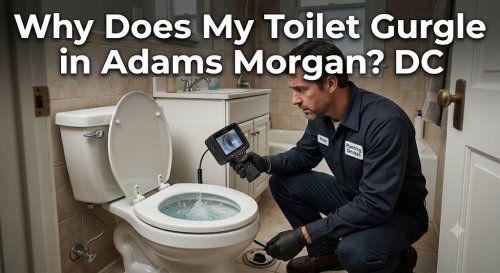
- Gurgling Fixtures: If a toilet gurgles when you empty the bathtub, or a sink bubbles when the washing machine drains, the system is starving for air. The rushing water is forcing air backward through trap water because the roof vent cannot supply enough air.
- Slow Draining Despite Clear Pipes: If you snake a bathroom sink and remove no hair or debris, but the water still drains sluggishly, restricted airflow may be creating back-pressure that slows down the discharge rate.
- Rotten Egg or Sewer Odors: When vent pipes crack, clog, or dry out, sewer gases can enter the home. If your P-traps dry out due to negative pressure, or if a vent stack is disconnected in an attic or crawlspace, you will notice persistent foul odors.
- Fluctuating Toilet Water Levels: If water levels in your toilet bowls rise and fall unpredictably without anyone using them, it often points to pressure imbalances caused by a blocked vent.
- Failing Trap Seals: If you frequently smell sewer gas near a rarely used basement floor drain or guest bathroom, the trap seal may have been siphoned dry by a venting failure.
Washington, DC Factors That Affect Plumbing Vents
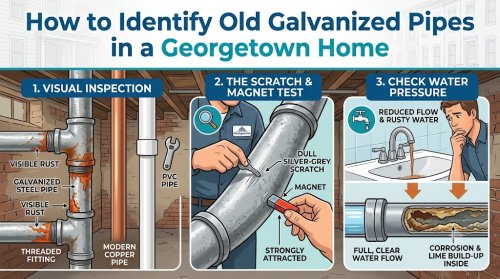
Properties in Washington, DC experience specific environmental and structural conditions that can impact plumbing ventilation. Historic homes and older rowhouses throughout the District often feature aging cast-iron or galvanized steel vent stacks that have corroded internally over decades, narrowing the interior pipe diameter until airflow is severely restricted.
Additionally, Washington, DC experiences distinct seasonal changes. During freezing winter conditions, moisture rising through roof vent pipes can freeze around the top opening, creating an ice cap that completely seals the vent shut. Fall foliage, squirrels, birds, and windblown debris can also drop into open roof stacks, forming stubborn blockages that require professional clearing.
What a Homeowner Can Safely Check
Before calling a professional, there are several safe, non-invasive checks you can perform to gather diagnostic clues:
- Inspect the Roof Vent Stacks: If safe to do so from ground level using binoculars, look at the plumbing vent pipes protruding from your roof. Check for obvious blockages such as bird nests, tennis balls, leaves, or heavy ice accumulation during freezing weather. Never climb onto a wet, icy, or steep roof.
- Test Multiple Fixtures: Run water in an upstairs bathroom while flushing a downstairs toilet. Note whether fixtures influence one another. If flushing one toilet causes air bubbles in a nearby sink, you have a pressure-related venting issue.
- Check Rarely Used Drains: Pour a cup of water down basement floor drains, utility sinks, and guest bathrooms. If an odor disappears after water replenishes the trap, it may simply have been an evaporated trap seal rather than a broken vent line.
What You Should NOT Attempt
Plumbing ventilation troubleshooting has clear safety boundaries. Homeowners should avoid:
- Climbing onto roofs without proper fall protection, especially during winter storms or heavy rain.
- Dropping heavy objects or sharp tools down roof vents to clear obstructions, as this can crack older brittle pipes inside your walls.
- Attempting to cut into walls or ceilings to locate hidden vent stacks without knowing the framing and utility layouts.
- Ignoring persistent sewer odors, as prolonged exposure to sewer gas can cause headaches, nausea, and indoor air quality concerns.
Professional Diagnostic Methods
When vent problems are hidden inside walls or underground, professional plumbers utilize specialized equipment to pinpoint the exact failure:
- Sewer Camera Inspection: While cameras are commonly used for drain lines, specialized mini-cameras or roof-inserted camera reels can inspect vertical vent stacks to identify interior corrosion, cracks, or offsets.
- Smoke Testing: For elusive sewer gas odors, a professional can blow non-toxic, odorless smoke into the plumbing vent system. If smoke escapes from a hidden crack behind a wall or under a floor, the leak point is instantly revealed.
- Air Pressure Testing: Plumbers can cap specific sections of the plumbing system and introduce controlled air pressure to determine if the vent network is maintaining structural integrity.
Repair Options and Cost Factors
Repairing a plumbing vent problem depends entirely on the location and nature of the obstruction or damage. Solutions range from simple rooftop clearing to structural pipe replacement.
Cost factors influencing vent repairs include labor time, accessibility of the pipe, whether drywall or ceiling repair is required, and the age of your plumbing materials. Older rowhouses with tight wall cavities or finished basements often require careful access work to reach damaged or corroded vent stacks without destroying historic interior finishes. A minor roof-level blockage clearance is straightforward, whereas replacing a collapsed cast-iron vent stack behind finished walls involves more extensive labor and restoration.
Frequently Asked Questions
Can a plumbing vent problem cause my toilet to overflow?
While a vent problem usually causes gurgling and slow drainage rather than a direct clog, severe negative pressure can disrupt the normal flushing siphon. If waste cannot move freely because air cannot enter the system, a backup can occur during a flush.
How do I know if my roof vent is frozen shut?
During prolonged freezing weather in Washington, DC, moisture from household plumbing can freeze at the top of the roof stack. If you notice multiple drains gurgling and sewer odors inside the house simultaneously during a cold snap, a frozen vent cap is a likely culprit.
Are air admittance valves (AAVs) a legal fix for vent problems?
Air admittance valves allow air to enter the plumbing system when negative pressure occurs, but they do not allow air to escape, meaning they cannot vent sewer gases outdoors. Local District of Columbia plumbing codes regulate where and when AAVs are permitted. Always verify current local code requirements before altering vent configurations.
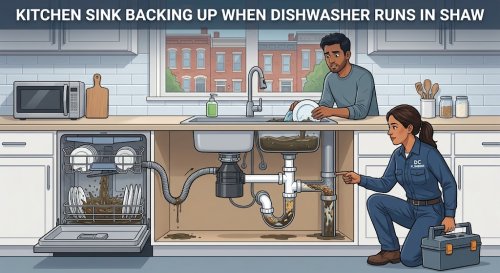
Why does my kitchen sink gurgle only when the dishwasher runs?
Dishwashers pump a high volume of water rapidly down the drain branch. If the local branch vent or sanitary tee is partially restricted by grease or scale, the sudden water surge traps air, forcing it to bubble up through the kitchen sink basket.
Can tree roots get inside a plumbing vent?
Tree roots typically target underground sewer and water lines where moisture and nutrients are abundant. However, overhanging tree branches can drop debris into open roof stacks, and roots have occasionally been known to infiltrate damaged underground vent-relief lines near foundation walls.
How often should plumbing vents be inspected?
Plumbing vent systems do not require routine mechanical maintenance unless you experience symptoms. However, having your roof vents visually checked after major seasonal storms or when purchasing an older home in Washington, DC is a smart preventive measure.