Emergency Plumber in Capitol Hill: Fix Major Leaks
Major water leak in Capitol Hill? Learn immediate containment steps, root causes, repair processes, costs, and when to call an emergency plumber

How to Stop a Major Water Leak in Capitol Hill
When water starts spraying uncontrollably from a ruptured pipe or pooling rapidly across your basement floor, panic is a natural reaction. In a historic neighborhood like Capitol Hill, where classic brick row houses, exposed plaster, and century-old plumbing systems are common, an uncontained water leak can cause thousands of dollars in structural damage within minutes.
Whether you own a victorian row home near Eastern Market, manage a commercial space near Pennsylvania Avenue, or live in a restored condo near Lincoln Park, knowing how to react during a major water emergency is critical. Quick isolation of the water supply buys you precious time while an emergency plumber travels to your property.
This guide walks you through immediate emergency containment steps, the real causes behind sudden pipe failures in Capitol Hill, professional diagnostic methods, and what to expect during the repair process.
What Is a Major Water Leak?
A major water leak is an uncontrolled discharge of clean, gray, or black water from pressurized supply lines, main drain stacks, or heavy-duty appliances. Unlike a minor faucet drip or a slow under-sink seep, a major leak releases dozens of gallons of water per minute under high static pressure.
Common Situations
-
Ruptured Main Supply Lines: A high-pressure copper or lead service line ruptures where it enters the foundation wall.
-
Corroded Vertical Drain Stacks: Aging cast iron stacks in multi-story row houses split open, sending graywater down interior wall cavities.
-
Water Heater Tank Blowouts: Aging water storage tanks corrosion-burst at the base, dumping 40 to 80 gallons of scalding water into utility rooms.
Symptoms of an Active Major Leak
-
The distinct sound of continuous rushing or spraying water behind drywall or beneath floorboards.
-
Ceilings sagging, discoloration, or water actively dripping through overhead light fixtures.
-
Unexplained drops in house-wide water pressure while water meters run at full speed.
-
Standing water accumulating along foundation walls, baseboards, or subflooring.
Why Does This Plumbing Problem Happen in Capitol Hill?
Major plumbing leaks are rarely random accidents. In Washington, DC, specific historical and environmental factors contribute to sudden pipe failures.
1. Aging Historic Plumbing Infrastructure
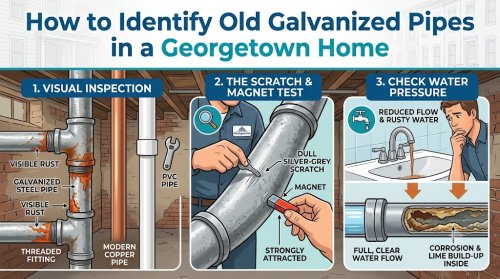
Many Capitol Hill residences were constructed in the late 19th and early 20th centuries. While many homes have undergone renovations, legacy sections of galvanized iron, lead, or thin-walled copper supply pipes remain hidden behind original lathe and plaster walls. Galvanized pipes rust internally until the metal wall gives out completely under normal operating pressure.
2. High Municipal Water Pressure
Domestic water pressure should ideally stay between 40 and 60 PSI. Due to municipal pumping requirements across DC, main supply pressure can spike above 80 to 100 PSI. Without a functioning Pressure Reducing Valve (PRV) installed on your main supply, this excessive force wears out pipe joints, water heater tanks, and appliance supply hoses prematurely.
3. Freeze-Thaw Winter Cycles
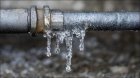
Mid-Atlantic winters bring sharp temperature swings. Uninsulated water supply lines running through exterior walls, unheated crawl spaces, or drafty basements freeze solid. As ice expands inside the closed line, hydraulic pressure builds between the ice plug and closed fixtures until the pipe wall splits wide open.
4. Soil Settling and Tree Root Pressure
Ground shifting around historic brick foundations puts mechanical strain on underground water lines entering the property. Furthermore, mature oak and maple trees lining Capitol Hill streets send aggressive roots into microscopic pipe joints, cracking underground supply and drain lines.
5. Water Quality and Mineral Scale
Hard water minerals gradually form scale inside metal pipes. Chemical reactions between aggressive municipal water treatments and aging copper or brass fittings cause pinhole corrosion that eventually turns into full pipe blowouts.
Signs You Should Never Ignore
Plumbing systems often exhibit warning signs before a catastrophic rupture occurs. Recognizing these indicators early allows you to address the problem before facing an after-hours emergency:
| Warning Sign | What It Indicates | Immediate Danger Level |
| Water Stains on Ceilings/Walls | Active hidden supply or waste line leak | High – Threatens drywall integrity |
| Banging Pipes (Water Hammer) | Hydraulic shock waves from high water pressure | Medium – Strains soldered joints |
| Sudden Unexplained Spike in Water Bills | Continuous hidden leak on main supply line | High – Causes erosion under floors |
| Musty Odors or Mold Along Baseboards | Trapped moisture inside wall cavities | High – Health risk & framing rot |
| Discolored or Rusty Tap Water | Severe internal pipe oxidation and corrosion | Medium – Pipe wall thinning |
Common Plumbing Problems Related to Major Water Leaks
A major leak rarely stays contained to a single pipe. The sudden release of water creates cascading failures throughout your plumbing and structural systems:
-
Slab Leaks: Leaks beneath concrete slab basements erode supporting soil, leading to floor cracking and foundation settling.
-
Electrical System Short Circuits: Water traveling down interior wall studs enters outlet boxes, switch panels, and ceiling fixtures, creating immediate fire and shock risks.
-
Subfloor and Hardwood Buckling: Historic heart-pine and oak flooring quickly absorbs water, causing floorboards to cup, warp, and detach from joists.
-
Ceiling Drywall Collapses: Water pooling above ceiling drywall adds immense weight until whole ceiling sections fall without warning.
Step-by-Step Professional Repair Process
When an emergency plumber arrives at your Capitol Hill property, they follow a systematic protocol to contain the damage and perform permanent repairs:
[Step 1: Emergency System Isolation]
                  │
                  ▼
[Step 2: Non-Invasive Leak Detection & Mapping]
                  │
                  ▼
[Step 3: Upfront Diagnostic Review & Quote]
                  │
                  ▼
[Step 4: Precision Pipe Repair or Section Replacement]
                  │
                  ▼
[Step 5: Hydrostatic Pressure & Seal Verification]
                  │
                  ▼
[Step 6: Site Cleanup & Structural Moisture Check]
                  │
                  ▼
[Step 7: Long-Term Preventative Advice]
Step 1: Emergency System Isolation
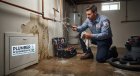
The plumber immediately verifies that the main water shutoff valve is fully closed and shuts down electrical power to flooded zones to secure the site.
Step 2: Non-Invasive Leak Location
Using acoustic listening equipment and thermal cameras, the plumber pinpoints the exact rupture site behind plaster, drywall, or tile without unnecessary demolition.
Step 3: Upfront Repair Plan and Estimate
The technician explains the failure cause and outlines repair options—such as localized pipe section replacement, press-fit copper assembly, or PEX conversion—providing transparent pricing before starting work.
Step 4: Precision Repair Execution
The damaged pipe section is removed cleanly. The plumber installs commercial-grade copper, brass, or PEX tubing using high-pressure press fittings or precision soldering equipped with flame shields.
Step 5: System Pressure Testing
The main water line is reopened slowly to purge air. Diagnostic gauges monitor static pressure to guarantee zero remaining leaks.
Step 6: Moisture Evaluation & Sanitization
The technician checks surrounding wall studs and flooring for trapped water and applies surface sanitizers to prevent immediate mold germination.
Step 7: Documentation for Insurance
The plumber provides detailed invoices, camera photos, and damage reports to assist with your homeowners insurance claim.
Can You Fix a Major Water Leak Yourself?
A major pressurized water leak requires immediate professional intervention. However, property owners can perform critical containment steps while waiting for an emergency plumber to arrive:
Safe Emergency Steps Homeowners CAN Take
-
Shut Off the Main Water Valve: Locate your main shutoff valve immediately. In Capitol Hill row homes, this is typically a lever or wheel valve on the front basement wall where the main service pipe enters, or inside an exterior curb box near the sidewalk. Turn it clockwise until tight.
-
Open Low-Level Faucets: Open laundry tub faucets or outdoor hose bibbs at the lowest level of the property to relieve remaining trapped line pressure.
-
Shut Off Your Water Heater: Turn off the power breaker (electric) or turn the gas control valve to "PILOT" or "OFF" (gas) to prevent dry firing damage to the tank.
-
Use Emergency Pipe Clamps or Rubber Wraps: If the leak is an accessible pinhole on a exposed pipe, apply an emergency rubber clamp or heavy silicone tape to reduce spraying while waiting for the plumber. Do not reopen the main valve.
When DIY Attempts Become Hazardous
-
Do NOT attempt to solder wet pipes near wood studs without professional torch shields and fire safety equipment.
-
Do NOT touch electrical panels or appliances while standing in flooded basements or damp crawl spaces.
-
Do NOT open major wall sections without verifying the location of hidden gas lines and electrical wiring.
Advanced Tools Professional Plumbers Use
Modern emergency leak repair relies on advanced diagnostic tools to limit structural damage during repairs:
-
Acoustic Leak Detectors: Amplifies sound frequencies made by escaping water behind solid concrete or brick walls.
-
Thermal Imaging Cameras: Maps temperature differences across surfaces, revealing hidden moisture tracks behind plaster and tile.
-
Press-Fit Pipe Joining Tools: Secures copper and PEX fittings using mechanical pressure, eliminating open flames in tight historic spaces.
-
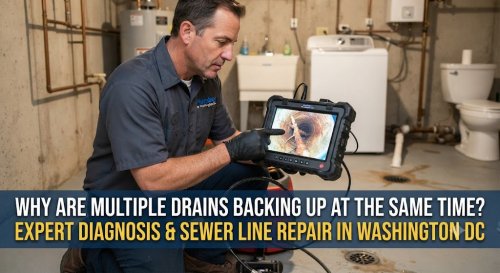
Inline Sewer & Drain Cameras: High-definition waterproof cameras pushed through waste lines to inspect main stack condition.
-
Electronic Pipe & Cable Locators: Traces underground metallic utility lines before digging.
How Long Does the Repair Usually Take?
Repair times depend on pipe accessibility, location, and structural complexity:
-
Exposed Basement Pipe Section Replacement: 1 to 2 hours.
-
In-Wall or Under-Floor Leak Repair: 3 to 5 hours (includes precise access cutting and framing isolation).
-
Main Water Service Line Replacement: 1 to 2 days (includes utility markings and DC municipal permits).
-
Emergency Plumber Dispatch Response: Typically within 30 to 60 minutes for urgent local Capitol Hill calls.
Cost Factors in Emergency Water Leak Repairs
Understanding repair costs helps property owners make practical choices during an active emergency.
Plumbing repair costs vary depending on the severity of the problem, accessibility, materials required, emergency service, property type, and local labor rates.
Primary Cost Factors
-
After-Hours Emergency Rates: Dispatch during nights, weekends, or holidays carries higher labor charges to support immediate mobilization.
-
Accessibility and Wall Cutting: Leaks hidden behind historic plaster, original tile, or beneath concrete slabs require more labor to access than exposed basement lines.
-
Piping Materials: Commercial-grade L-type copper and high-spec brass press fittings carry higher material costs than standard schedule PVC.
-
Permits and City Inspections: Replacing main water service lines entering street corridors requires local District utility permits and city inspections.
Hidden Truths Homeowners Should Know
-
Pinhole Leaks Are Warning Signs of Systemic Failure: A single pinhole leak in a copper line often indicates widespread internal wall thinning throughout the entire piping run.
-
Temporary Epoxy Clamps Always Fail Eventually: Emergency wraps and putties are strictly temporary measures—they cannot withstand continuous static water pressure over time.
-
Insurance Requires Proof of Maintenance: Insurance adjusters frequently deny water damage claims if they determine the leak resulted from long-term unaddressed corrosion or neglected freezing protection.
-
Tree Roots Re-Enter Clay Pipes Repeatedly: Clearing roots with a snake provides brief relief; roots will grow back into joints unless the line is lined or replaced.
-
High Water Pressure Silently Destroys Appliances: Unregulated pressure over 75 PSI shortens the lifespan of washing machines, dishwashers, and water heaters by half.
-
DIY Fitting Over-Tightening Causes Future Blowouts: Over-torquing threaded fittings cracks plastic valve bodies and stresses metal threads, leading to sudden ruptures months later.
-
Delayed Action Multiplies Remediation Costs: Standing water creates ideal conditions for mold spores to colonize drywall and wood framing within 24 to 48 hours.
-
Hidden Leaks Waste Thousands of Gallons: A 1/8-inch crack in a supply line can waste up to 250 gallons of water per day, causing dramatic utility bill spikes.
-
Hard Water Accelerates Metal Degradation: High mineral content creates scale deposits that restrict flow and cause localized pressure corrosion points.
-
Annual Preventative Inspections Save Money: Routine plumber inspections identify worn shutoff valves and aging supply lines long before they burst.
15 Common Mistakes Homeowners Make
-
Not Knowing Where the Main Water Shutoff Valve Is Located: Searching for the main valve during an active flood wastes valuable time.
-
Leaving Garden Hoses Connected During Winter: Trapped water inside connected hoses freezes back into outdoor spigots, splitting interior supply lines.
-
Using Chemical Drain Cleaners on Corroded Drain Lines: Caustic chemicals heat up inside pipes, accelerating corrosion in old cast iron stacks.
-
Replacing Rubber Washing Machine Hoses Too Late: Standard rubber hoses weaken over time; they should be upgraded to braided stainless steel hoses every 5 years.
-
Ignoring Banging Pipes (Water Hammer): Failing to install water hammer arrestors allows pressure shocks to weaken soldered joints repeatedly.
-
Hiring Unlicensed Handymen for Complex Plumbing: Unlicensed workers lack proper liability insurance, backflow certifications, and code knowledge.
-
Operating Electrical Switches in Standing Water: Entering flooded rooms with active electrical power creates extreme safety hazards.
-
Setting Thermostats Too Low During Winter Vacations: Lowering indoor heat below 55°F allows air inside exterior wall cavities to freeze pipes.
-
Using Excessive Force on Old Shutoff Valves: Forcing a rusted gate valve shut can break the internal stem, leaving the valve stuck open.
-
Ignoring Minor Green or White Powder on Copper Pipes: External oxidation indicates active micro-leaks eating through metal walls.
-
Flushing "Flushable" Wipes Down Toilets: Wipes snag on rough pipe scale inside old lateral drains, causing major waste line backups.
-
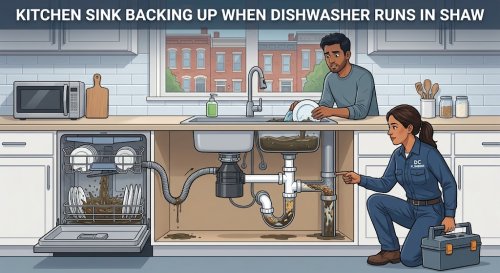
Pouring Grease down Kitchen Sinks: Grease cools inside cold waste lines, forming dense blockages that build back-pressure on supply connections.
-
Skipping Pressure Reducing Valve (PRV) Installation: Operating homes without a PRV subjects every fixture to municipal pressure spikes.
-
Waiting Until Morning to Call for Emergency Leak Repairs: Allowing water to run overnight multiplies structural restoration costs exponentially.
-
Using Incompatible Pipe Materials Without Transition Couplings: Joining copper directly to galvanized steel creates galvanic corrosion that quickly destroys the joint.
Practical Maintenance Tips to Prevent Water Leaks
Preventative maintenance protects your home from sudden pipe failures and extends system lifespan:
Seasonal Winterizing Rules
-
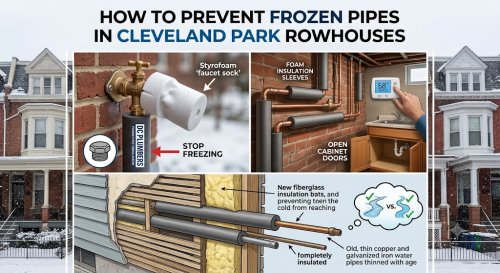
Insulate Exposed Plumbing: Wrap high-grade foam insulation around all water lines running through basements, garages, and crawl spaces.
-
Disconnect Outdoor Hoses: Remove, drain, and store garden hoses before the first fall freeze; shut off interior supply valves leading to outdoor spigots.
-
Keep Cabinet Doors Open: During severe cold snaps, open sink cabinet doors along exterior walls to allow ambient house heat to warm hidden supply lines.
-
Maintain Minimum Heat: Keep house thermostats set to at least 55°F when traveling during winter months.
Year-Round System Maintenance
-
Test Your Main Shutoff Valve: Turn your main water shutoff valve twice a year to ensure the handle turns freely without sticking or leaking.
-
Check System Pressure Regularly: Screw a low-cost pressure gauge onto an outdoor hose bibb to ensure static house pressure remains below 60 PSI.
-
Upgrade Appliance Lines: Replace rubber dishwasher and washing machine hoses with braided stainless steel supply lines.
-
Flush Your Water Heater Tank Annually: Drain accumulated sediment out of your water heater to prevent lower tank corrosion and heating element failure.
-
Install Smart Water Leak Sensors: Place wireless water detectors near water heaters, washing machines, sump pumps, and under kitchen sinks for real-time smartphone alerts.
When Should You Call an Emergency Plumber?
Call an emergency plumber immediately if you encounter any of the following critical situations:
-
Active, Uncontrollable Leaks: Water gushing from walls, ceilings, or supply connections that cannot be isolated with localized shutoff valves.
-
Complete Loss of Main Water Pressure: Sudden pressure drops across all household fixtures indicating a service line rupture.
-
Water Near Electrical Panels or Outlets: Water dripping into breaker boxes, light fixtures, or wall receptacles.
-
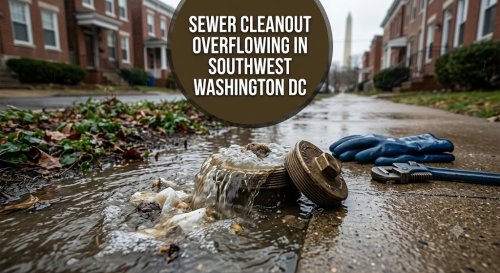
Sewer Line Backups into Living Areas: Raw sewage rising through basement floor drains, bathtubs, or toilets.
Frequently Asked Questions
What is the very first thing I should do if a pipe bursts in my Capitol Hill home?
Locate and turn off your main water shutoff valve immediately to stop incoming water pressure. Then open lower-level faucets to drain remaining water out of the lines and contact an emergency plumber.
Where is the main water shutoff valve usually located in a Capitol Hill row house?
In most historic DC row homes, the main valve is located inside the basement near the front wall where the main service pipe enters from the street. It can also be found inside an exterior meter box set into the sidewalk near your front property line.
How much water can leak from a burst pipe per hour?
A ruptured 3/4-inch supply pipe under normal 60 PSI pressure can discharge between 500 and 1,000 gallons of water per hour, leading to rapid flooding and severe structural damage.
Will standard homeowners insurance cover emergency water leak repairs?
Homeowners insurance typically covers secondary water damage restoration and structural repairs caused by sudden and accidental pipe bursts. However, repairing the specific section of plumbing that failed or damage caused by long-term neglected leaks is often excluded.
Why do my pipes make a loud banging noise when I turn off a faucet?
This sound is known as "water hammer." It occurs when fast-moving water stops abruptly when a valve closes quickly, sending shock waves back through the plumbing. Installing water hammer arrestors or adjusting your pressure reducing valve resolves the issue.
Can high water pressure really break copper pipes?
Yes. Water pressure exceeding 80 PSI puts constant stress on soldered joints, valve seals, and thin copper walls, eventually leading to joint separation or pinhole ruptures.
What is the difference between a gate valve and a ball valve for my main water shutoff?
Gate valves use an internal wheel handle that lowers a metal gate to stop water. They are prone to rusting stuck over time. Ball valves use a straight quarter-turn lever that provides reliable, instant water shutoff.
How do plumbers locate hidden leaks inside walls without tearing down drywall?
Plumbers use non-invasive acoustic listening devices and thermal imaging cameras to track the sound of escaping water and detect subtle surface temperature drops caused by moisture behind walls.
Is PEX piping safe and reliable for replacing old metal pipes?
Yes. Modern PEX (cross-linked polyethylene) is durable, highly resistant to scale and corrosion, expands slightly to resist freezing, and can be installed with fewer joints than rigid metal pipes.
How long does a standard water heater last before it risks leaking?
Most residential tank-style water heaters have a service lifespan of 8 to 12 years. If your water heater is over 10 years old or showing rust around the base, proactive replacement is recommended.
Why Choose plumber in Washington DC?
When a major water leak threatens your property, you need a local plumbing team that responds rapidly with the right skills and equipment.
At plumber in Washington DC, we deliver fast, trustworthy emergency plumbing services tailored to homes and businesses across Washington, DC, including Capitol Hill, Georgetown, Dupont Circle, Adams Morgan, Navy Yard, and surrounding areas.
-
Local Capitol Hill Expertise: We have extensive experience navigating the unique structural and plumbing challenges of historic row houses, plaster walls, and legacy piping systems.
-
24/7 Rapid Emergency Response: Our emergency response technicians are on call around the clock to stop leaks and protect your property from escalating damage.
-
Upfront Transparent Pricing: We provide clear diagnostic evaluations and itemized quotes before any repair work begins—no surprise fees.
-
Licensed & Insured Plumbing Professionals: Our team is fully certified, bonded, and equipped with non-invasive leak detection technology and modern press-fit tools.
-
Customer Satisfaction Guarantee: We stand behind our workmanship, using high-quality materials installed to strict district codes.