Introduction
Nothing disrupts the peace of urban living quite like a sudden leak behind a shared drywall or a backed-up main stack in a multi-story building. When you own or manage an urban high-rise home, plumbing is never an isolated issue—what happens in your kitchen or bathroom can quickly impact your neighbors above and below. Apartment and condo plumbing services in Washington, DC require specialized knowledge of vertical stack systems, stringent association bylaws, and historic multi-family architecture.
Property owners in the District face unique challenges, from aging infrastructure in converted row houses to complex pressure-regulating requirements in modern high-rises. Recognizing early warning signs and understanding how shared building systems operate can mean the difference between a quick fixture adjustment and an expensive, multi-unit water damage claim.
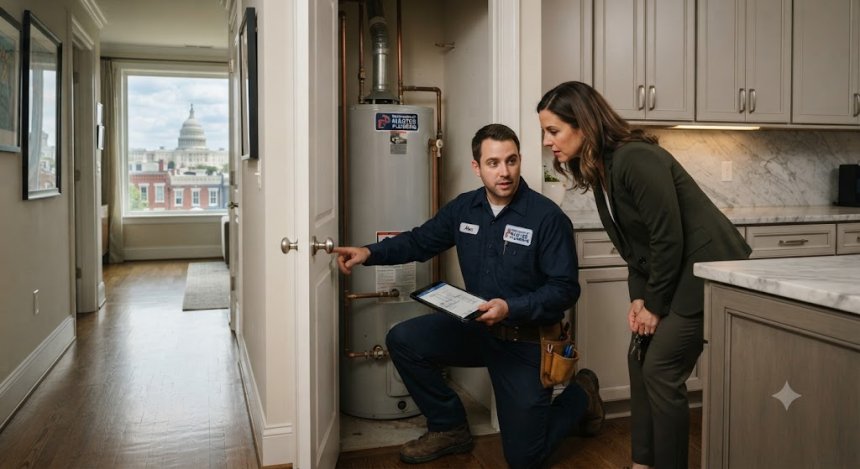
Decoding the Mechanism: How Multi-Family Plumbing Works
To understand urban residential plumbing, it helps to look past the visible chrome fixtures and examine the building's skeletal framework. In a single-family home, supply and drainage lines run directly to a private municipal connection. In contrast, apartment and condo buildings rely on a centralized network of vertical wet stacks, shared supply lines, and building-wide drainage manifolds.
-
The Supply Side: High-rise structures utilize booster pumps and pressure-reducing valves (PRVs) to ensure water reaches upper floors safely without blowing out lower-floor connections.
-
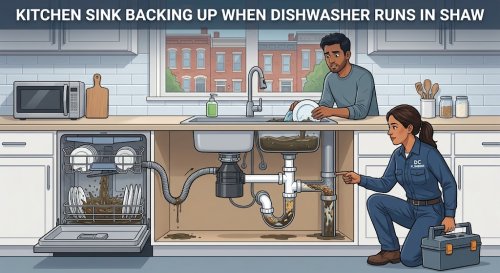
The Drainage Side: Gravity handles waste removal through large vertical vent and waste stacks. If a blockage occurs in a shared main stack, waste can force its way backward into lower-level units.
Imagine a classic DuPont Circle condominium built in the 1930s. A resident on the third floor experiences a slow kitchen sink drain. Because the building uses a tied-in vintage cast iron stack, grease buildup from decades past has narrowed the pipe diameter, eventually causing backups on lower floors. Knowing where your private property line ends and the Homeowners Association (HOA) or condo board responsibility begins is the first step toward effective resolution.
Professional Diagnostic & Repair Workflow
When a complex multi-family plumbing failure occurs, guesswork is not an option. Licensed master plumbers follow a strict, systematic workflow to protect property integrity:
-
Non-Invasive Triage & Safety Isolation: The technician immediately locates regional or unit-specific shut-off valves to stop active water flow without shutting down the entire vertical stack unnecessarily.
-
Precision Diagnostic & Digital Video Inspection: High-definition push-rod cameras enter the line to visually assess blockages, root intrusion, or structural pipe collapse.
-
Transparent, Upfront Options & Written Estimating: Before turning a wrench, the plumber provides clear, flat-rate pricing options detailing code-compliant solutions that satisfy building management requirements.
-
Code-Compliant Remediation & Part Replacement: Repairs are executed using approved materials (such as resilient PEX or heavy-duty copper) while adhering strictly to District building codes.
-
Pressure Testing, Flow Verification, & Clean-Up: The system is pressure-tested for leaks, flow rates are verified, and the workspace is left spotless.
Root Causes: Why Condo Plumbing Fails in the District
Washington, DC presents a unique mix of historical preservation mandates, dense urban construction, and fluctuating municipal water chemistry. These environmental factors take a heavy toll on building pipes:
-
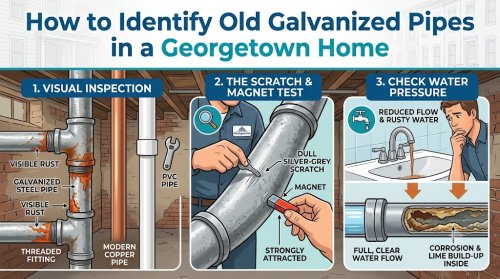
Aging Infrastructure & Historic Piping: Many buildings in neighborhoods like Capitol Hill and Dupont Circle still feature aging galvanized steel or brittle cast iron pipes that are well past their expected lifespan.
-
Hard Water Mineral Scaling: The District's water supply carries mineral content that gradually coats the interior of supply lines and water heater elements, narrowing flow capacity.
-
Municipal Pressure Fluctuations: High municipal water pressure entering older high-rises can stress joints and valves if building-wide pressure-reducing valves fail.
-
Shared Stack Overload: High-density occupancy puts heavy daily demands on shared drainage stacks, accelerating wear from grease, wipes, and waste accumulation.
-
Thermal Expansion & Vibration: Constant hot-water cycling in commercial-grade water heaters creates continuous pipe movement, loosening mechanical joints over time.
Unique Expert Insights: Hard Truths Homeowners Learn Too Late
Navigating multi-family plumbing can be tricky. Here are five practical industry truths that protect property owners from costly mistakes:
-
Chemical Drain Cleaners Cause Hidden Damage: Pouring caustic liquids down a shared stack rarely solves deep clogs; instead, it eats away at aging metal pipe walls and creates hazardous conditions for technicians.
-
Temporary Patch Kits Void Coverage: Rubber tape and slip-on clamps are emergency band-aids. Leaving them in place violates most master insurance policies and HOA bylaws.
-
Unlicensed Handywork Creates Liability: Unauthorized repairs performed without proper permits can fail building inspections and leave you personally liable for multi-unit water damage.
-
Preventive Maintenance Saves Thousands: Annual pressure testing and camera inspections cost a fraction of what you would spend on emergency midnight mitigation.
-
HOA Boundaries Matter: Knowing your condo bylaws prevents disputes over whether a leak originated from a private fixture or a common building element.
Critical Warning Signs: When Your System Is Sounding the Alarm
Catching a plumbing failure early prevents catastrophic water damage across multiple floors. Watch out for these sensory indicators:
-
Auditory Clues: Water hammering (loud banging when valves close), whistling supply lines, or gurgling sounds coming from shower drains when a toilet flushes.
-
Visual Red Flags: Unexplained water meter spikes, peeling paint on shared hallway walls, warped flooring near baseboards, or damp patches on ceilings.
-
Olfactory Indicators: Persistent mildew smells or faint sewer gas odors around bathroom vanities and utility closets.
Delaying intervention allows moisture to penetrate structural framing, accelerating mold growth and compromising drywall integrity across neighboring units.
Advanced Diagnostics: The Professional Tool Arsenal
Modern multi-family plumbing relies on high-tech diagnostic gear to locate issues behind finished walls without destructive exploratory demolition:
-
Push-Rod HD Drain Cameras: Allow technicians to navigate tight bends in condo stacks and record exact problem locations.
-
Acoustic & Thermal Leak Detectors: Pinpoint hidden pinhole leaks behind concrete or drywall by listening for pressurized water frequencies.
-
Hydro-Jetting Units: Deliver high-pressure water streams to scour grease, scale, and root blockages completely from pipe walls.
-
Digital Manometers: Accurately measure dynamic water pressure to evaluate PRV performance and protect delicate fixtures.
Financial Breakdown: Cost Factors & Investment Realities
Understanding the financial aspects of apartment and condo plumbing helps property owners plan effectively. Pricing varies based on accessibility, severity, and material requirements:
-
Diagnostic Dispatch Fees: Initial service calls cover expert travel, safety evaluation, and scoping.
-
Accessibility Challenges: Working inside confined utility chases, high-rise drop ceilings, or behind tiled bathroom surrounds requires specialized labor.
-
Material Selection: Upgrading from legacy galvanized pipes to modern copper or cross-linked polyethylene (PEX) impacts material costs.
-
Permitting & Compliance: Major stack replacements in the District often require formal permits and coordinated water shut-offs with building management.
-
Repair vs. Replacement: While spot repairs save money short-term, total fixture or stack replacement prevents recurring failures in aging buildings.
DIY Reality Check: What You Can Safely Fix vs. When to Call a Pro
While DIY spirit is commendable, multi-family living places strict limits on what you should touch.
-
Safe Homeowner Actions: Clearing surface hair traps in shower drains, resetting a loose toilet seat, turning off individual fixture supply valves, and plunging standard sink clogs gently.
-
The Danger Zone: Never attempt DIY work on main supply lines, shared waste stacks, gas-connected water heaters, or high-pressure valves. Doing so risks major structural flooding or building-wide service shut-offs.
-
When to Drop the Wrench: If a leak persists after closing a fixture valve, or if water begins backing up from a floor drain, step back immediately and call a licensed professional.
Comprehensive Home Plumbing Maintenance Framework
Proactive maintenance prevents unexpected emergencies. Use this seasonal framework tailored for urban properties:
Spring & Summer Checks
-
Test Isolation Valves: Exercise fixture shut-off valves under sinks and behind toilets to ensure they turn freely.
-
Inspect Washing Machine Hoses: Check braided steel supply lines for bulging, cracking, or mineral buildup.
-
Monitor Balcony Drains: Ensure outdoor condo or apartment balcony drains remain clear of leaves and debris.
Fall & Winter Preparation
-
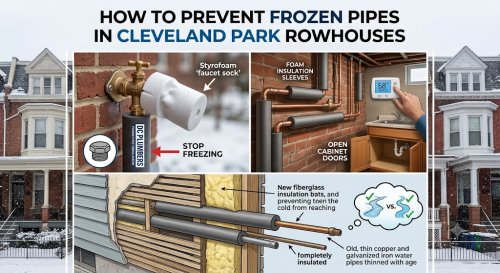
Insulate Exposed Pipes: Protect utility closet pipes or exterior wall plumbing from sudden temperature drops.
-
Water Heater Flush: Remove sediment buildup from tank water heaters to maintain efficiency during peak heating months.
-
Check Sump/Ejection Pumps: Test basement or sub-level sewage ejection pumps before heavy winter rainstorms.
Year-Round Habits
-
Use Strainers: Keep hair and food scraps out of drains using mesh strainers.
-
Avoid Chemical Cleaners: Opt for mechanical snakes or professional hydro-clearing instead of corrosive chemicals.
-
Monitor Water Bills: Keep an eye out for sudden consumption increases that could signal a silent flapper or pinhole leak.
Emergency Protocol: When Immediate Dispatch is Non-Negotiable
Certain plumbing scenarios demand immediate, 24/7 professional intervention:
-
Catastrophic Pipe Bursts: Uncontrolled water gushing from supply lines or overhead ceiling cavities.
-
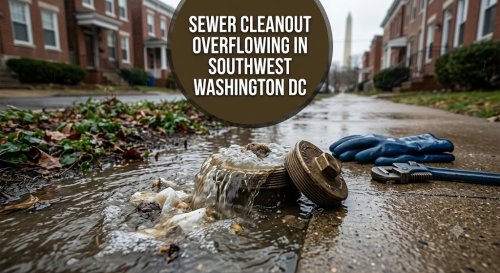
Main Stack Backups: Raw sewage backing up into bathtubs, showers, or lower-level living spaces.
-
Total Potable Water Loss: Complete interruption of water supply to your unit or floor.
-
Electrical Proximity Risks: Active water leaks dripping directly onto electrical panels, outlets, or light fixtures.
Frequently Asked Questions (FAQs)
Who is responsible for a leak between two condo units?
Responsibility typically depends on the source. If the leak originates from a private fixture (like a supply hose), the unit owner is usually liable. If it stems from a shared vertical stack or common building element, the HOA or condo association generally covers the repair.
Why does my condo shower make a loud whistling noise?
This is often caused by a worn pressure-balancing valve cartridge inside the shower wall or high water pressure pushing through a failing pressure-reducing valve (PRV).
Can I use liquid drain cleaners in an apartment building?
It is strongly advised against. Chemical drain cleaners can damage shared cast iron pipes and pose safety hazards for maintenance technicians working downstream.
How often should condo water heaters be inspected?
Tank water heaters should be flushed annually, and tankless units should be descaled every 12 to 24 months to prevent mineral scaling and premature failure.
What causes low water pressure on upper floors?
Upper-floor pressure issues are frequently caused by failing booster pumps, worn building PRVs, or heavy mineral scale accumulation inside aging supply risers.
Are permits required for plumbing repairs in Washington, DC?
Yes, major plumbing modifications, water heater replacements, and stack repairs in the District require licensed contractors to pull appropriate municipal permits.
How do I stop a leaking toilet before the plumber arrives?
Locate the small oval-shaped supply valve on the wall behind or beneath the toilet and turn it clockwise until fully closed to stop incoming water.
What should I do if my ceiling starts sagging from a leak?
Immediately place buckets underneath, puncture a small hole at the lowest point of the sag to relieve trapped water weight, protect your belongings, and call an emergency plumber.
Why DC Homeowners Trust Expert Plumbing Professionals
Navigating urban multi-family plumbing demands precision, accountability, and deep familiarity with local building standards.
-
Fully Licensed & Insured: Technicians carry rigorous state licensing and comprehensive insurance coverage designed to satisfy strict HOA and building management requirements.
-
Upfront, Flat-Rate Pricing: Transparent estimates ensure you know the exact cost before work begins with zero hidden overtime surprises.
-
Advanced Technology: State-of-the-art camera and acoustic diagnostic gear pinpoints problems accurately without unnecessary wall destruction.
-
Local Expertise: Extensive experience servicing historic row houses, modern high-rises, and condominium complexes across Washington, DC neighborhoods.
-
Customer-First Warranties: Backed by ironclad satisfaction guarantees on all workmanship and part replacements.