Why Is My Water Heater Leaking From the Bottom?
Discover why your water heater is leaking from the bottom. Learn causes, emergency steps, and when to call Plumber in Washington DC for help.
Why Is My Water Heater Leaking From the Bottom?
Finding a puddle of water around the base of your water heater is a homeowner’s worst nightmare. Whether you live in a historic row house in Capitol Hill or a modern condo in the Navy Yard, a leaking water heater is not just a nuisance—it is a signal that your primary hot water source is compromised. Water damage can ruin flooring, subflooring, and finished basement walls in a matter of hours. Understanding why this happens and knowing the immediate steps to take can prevent a manageable repair from turning into a costly flood emergency.
What Is a Water Heater Leak?
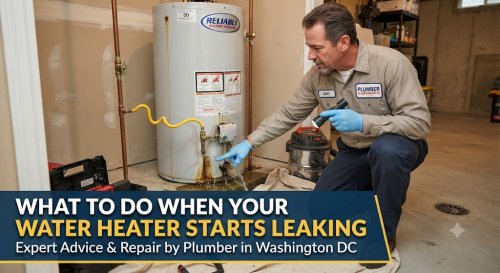
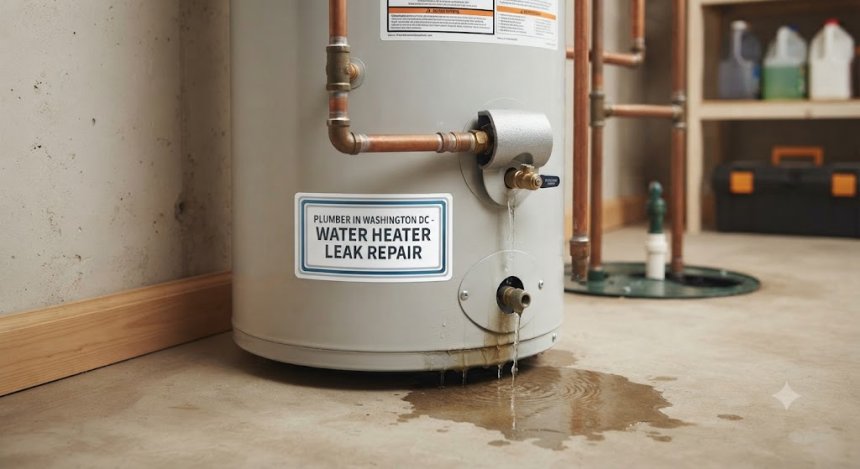
A water heater leak is an unintended release of water from the storage tank or its associated plumbing connections. While sometimes a leak originates from valves or supply lines at the top, a leak appearing specifically at the bottom of the tank is almost always a more serious concern. It usually indicates that the integrity of the tank itself or its internal components has been breached.
Common situations include:
-
Puddling at the base: Water slowly accumulating on the floor.
-
Corrosion around the bottom rim: Rust streaks running down the exterior metal shell.
-
Dripping from the drain valve: A leak originating from the spigot at the bottom used to flush the tank.
Why Does This Plumbing Problem Happen?
A bottom leak is rarely the result of a single isolated event; it is usually the culmination of long-term environmental stress on the appliance.
-
Tank Corrosion: Over time, sediment buildup and minerals in hard water (common in many parts of the DC area) cause the inner lining of the tank to rust. Once the metal thins, it eventually punctures, creating a leak.
-
Excessive Sediment Buildup: If the tank is never flushed, mineral deposits settle at the bottom, creating a barrier between the heating element and the water. This causes the metal to overheat and crack.
-
High Water Pressure: If your home's water pressure is not regulated, the constant stress on the tank walls can cause seams to burst or seals to fail.
-
Failure of the Drain Valve: The drain valve at the bottom of the tank is often made of plastic or lower-grade metal. Over years of use, the internal seals can degrade, causing a slow drip.
-
Condensation: Sometimes, what looks like a leak is actually condensation, especially if the heater is new or the cold water supply is very chilled, though this is less common than actual leaks.
Signs You Should Never Ignore
-
Discolored or Rusty Water: If your hot water starts appearing brownish or metallic, the inside of your tank is likely already corroded.
-
Popping or Rumbling Noises: This is the sound of steam bubbles trapped under a thick layer of sediment at the bottom of the tank—a precursor to structural failure.
-
Higher Energy Bills: If the heater is struggling against sediment, it works harder and longer, leading to noticeable spikes in your utility costs.
-
Dampness or Mold: Any moisture around the base of the heater can quickly lead to mold growth in the surrounding drywall or flooring.
Common Plumbing Problems Related to This Issue
A leaking water heater often coexists with other plumbing vulnerabilities:
-
Pipe Leaks: Vibrations from a failing heater can stress old, rigid pipe connections.
-
Fixture Damage: If the leak stems from high pressure, your faucets, toilets, and dishwasher seals may be suffering from the same systemic issue.
-
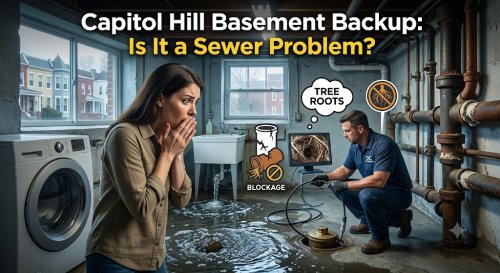
Sewer Backups: Sometimes, what appears to be a heater leak is actually water backing up from a nearby floor drain.
Step-by-Step Professional Repair Process
When you contact Plumber in Washington DC, our team follows a rigorous diagnostic process:
-
Step 1: Inspection: We verify the source of the water. Is it coming from a valve, a pipe, or the tank itself?
-
Step 2: Diagnosis: We determine if the leak is "repairable" (like a simple valve or fitting) or if the tank has reached its end of life.
-
Step 3: Estimate: We provide a transparent, upfront quote for the repair or the full replacement.
-
Step 4: Repair/Replacement: We safely drain the tank, shut off gas or electric lines, and install a new, code-compliant unit if necessary.
-
Step 5: Testing: We ensure the new setup is leak-free and heating properly.
-
Step 6: Cleanup: We remove the old, heavy unit and all debris from your home.
-
Step 7: Maintenance Advice: We explain how to maintain your new unit to maximize its lifespan.
Can You Fix It Yourself?
-
Safe DIY Solutions: You can check if the drain valve is loose and tighten it with a wrench. You can also inspect the supply pipes at the top.
-
What you should NOT do: Do not attempt to weld or seal a crack in the metal shell of a water heater. This is dangerous and ineffective.
-
When professional help is necessary: If the water is leaking from the actual metal bottom of the tank, the unit is failing. It cannot be "patched." It must be replaced.
Tools Professionals Use
-
Leak Detection Equipment: To ensure no other hidden leaks exist in the home's plumbing.
-
Pressure Testing Gauges: Used to check if your home’s main water pressure is too high, which may have caused the tank failure in the first place.
-
Pipe Locators: To trace the supply lines and ensure connections are secure.
How Long Does the Repair Usually Take?
-
Valve Replacement: 1–2 hours.
-
Full Tank Replacement: Generally 3–6 hours, depending on accessibility and the need to upgrade plumbing connections to meet current DC code.
Cost Factors
Plumbing repair costs vary depending on the severity of the problem, accessibility, materials required, emergency service, property type, and local labor rates. We provide clear, itemized estimates covering the unit, labor, permit fees, and disposal of your old tank.
Hidden Truths Homeowners Should Know
-
The 10-Year Rule: Most water heaters in the DC area last 8–12 years. If yours is older, a leak usually signals the end of its life.
-
Cheap Fixes Fail: Epoxy or "leak stop" products on a tank shell will fail within days, often causing more water damage.
-
Insurance Gaps: Many homeowners' insurance policies cover the damage caused by the water, but not the cost of replacing the water heater itself.
15 Common Mistakes Homeowners Make
-
Ignoring small puddles.
-
Assuming "rust-colored" water is normal.
-
Using chemical cleaners in pipes near the heater.
-
Hiring unlicensed handymen for gas-fired units.
-
Skipping annual flushes.
-
Leaving the temperature set too high.
-
Over-tightening fittings.
-
Ignoring high water pressure warnings.
-
Waiting for a complete flood before acting.
-
Using mismatched pipe materials.
-
DIY gas line modifications.
-
Forgetting the water heater maintenance date.
-
Failing to insulate pipes.
-
Installing a unit that is too small for the home.
-
Not having an emergency shut-off valve labeled.
Maintenance Tips
-
Flush your tank every 6–12 months to remove sediment.
-
Test the Temperature and Pressure (T&P) relief valve once a year.
-
Check the anode rod every 3 years; it is the "sacrificial" part that prevents tank rust.
-
Keep the area around the heater clean and accessible.
-
Install a drain pan under the unit to catch future slow leaks.
When Should You Call an Emergency Plumber?
Call immediately if:
-
The water is flooding your basement or utility room.
-
You smell gas (for gas heaters).
-
The floor around the heater is buckling.
-
You have no hot water combined with a visible leak.
Frequently Asked Questions
-
Why is my water pressure suddenly low? Could be a main line issue or sediment in your aerators.
-
How much does leak detection cost? It depends on the complexity of the home's system.
-
Can a clogged drain damage pipes? Yes, pressure buildup stresses joints.
-
Is hydro jetting safe for old pipes? It depends on the pipe condition; we assess first.
-
How do I know if my sewer line is broken? Foul odors and multiple backups are clear signs.
-
How long do water heaters last? 8–12 years on average.
-
Why does my faucet drip? Usually a worn-out washer or cartridge.
-
What causes pipes to burst? Freezing and high pressure.
-
Can plumbing leaks increase my water bill? Yes, even a slow leak adds up quickly.
-
When should I replace instead of repair? When the cost of repair approaches 50% of the replacement cost, or when the tank is at the end of its life.