Introduction
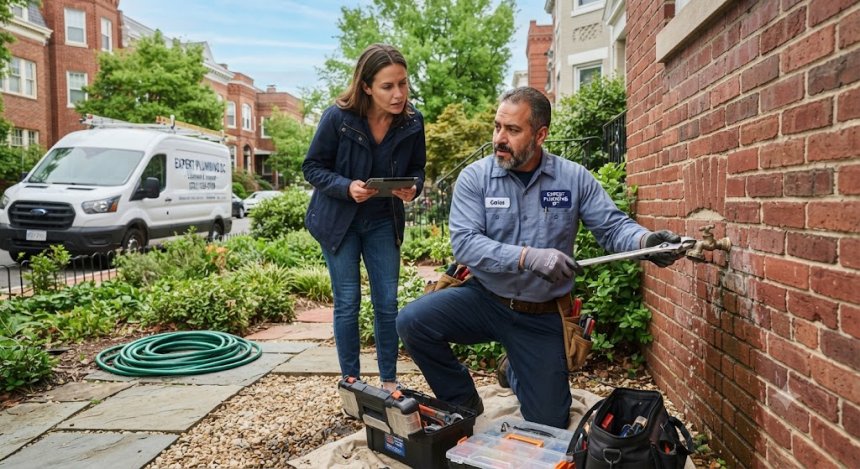
Nothing ruins a pristine weekend gardening plan quite like turning on your backyard spigot only to be greeted by a chaotic, uncontrolled spray or, worse, a completely silent, bone-dry pipe. When an exterior water source fails, it throws a wrench into your outdoor chores and quietly threatens your home’s structural integrity. outdoor faucet repair is a critical service for property owners navigating Washington, DC’s distinct seasonal shifts—from sweltering, humid summers to deep-freeze winter nights.
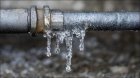
Local homeowners commonly experience cracked valve stems, stripped packing nuts, and ruptured frost-free hydrants because freezing temperatures expand trapped water inside the pipe line. When ignored, a seemingly minor drip can lead to hidden foundation saturation, skyrocketing water bills, and catastrophic indoor flooding when the main valve is eventually opened. Understanding how these systems fail, recognizing early warning signs, and knowing when to call a licensed professional will save you from costly structural headaches down the line.
Comprehensive Home Plumbing Maintenance Framework
Keeping your exterior and interior water systems running smoothly requires a consistent, proactive maintenance cadence. Breaking your responsibilities into seasonal checklists ensures nothing slips through the cracks.
Spring and Summer Maintenance Checks
-
Inspect Outdoor Spigots: Test each hose bib for smooth operation, steady water pressure, and proper shut-off sealing.
-
Check Ground Grading: Ensure soil and mulch slope away from your home’s foundation to prevent pooling water near exterior wall penetrations.
-
Test Sump Pumps: Pour a bucket of water into the sump pit to verify the pump activates, clears the basin, and discharges safely away from the house.
-
Examine Garden Hoses: Check connected hoses for dry rot, cracked rubber washers, and leaks at the coupling joints.
Fall and Winter Preparation Steps
-
Disconnect All Hoses: Remove, drain, and store garden hoses before the first hard freeze to prevent back-pressure into the spigot.
-
Shut Off Interior Isolation Valves: Locate and close the interior shut-off valves feeding your outdoor hose bibs if your home is equipped with them.
-
Drain Frost-Free Hydrants: Open the exterior spigot completely after closing the interior valve to drain residual moisture trapped in the intermediate pipe slope.
-
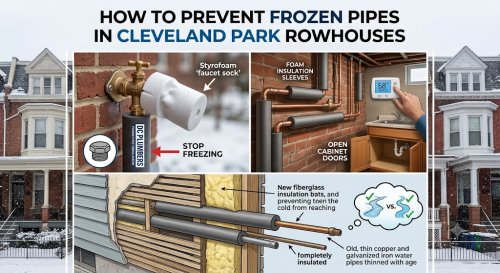
Install Insulated Covers: Slip rigid foam or insulated fabric dome covers over exterior faucets to shield them from biting wind chills.
Year-Round Habit Integration
-
Monitor the Water Meter: Perform a periodic "meter watch" by checking dials while all taps are off to catch silent, hidden leaks early.
-
Protect Your Drains: Use mesh strainers in all sinks and tubs to catch hair, grease, and debris before they create stubborn clogs.
-
Test the PRV: Verify your Pressure Reducing Valve is keeping municipal water spikes below 80 PSI to protect delicate fixture seals.
-
Avoid Chemical Cleaners: Ditch caustic liquid drain cleaners that slowly eat through metallic pipe walls and weaken joint bonds.
What Is Outdoor Faucet & Hose Bib Repair? Decoding the Mechanism
At its core, an outdoor faucet—often called a hose bib, wall hydrant, or sillcock—is a specialized valve designed to bridge an indoor pressurized water supply line with the outside environment. A standard frost-free hose bib features a long stem extending several inches (or feet) through your exterior wall. When you turn the handle outside, a threaded rod rotates a rubber washer or plunger located deep inside the warm interior envelope of your home. This clever engineering keeps the standing water shut-off point far away from freezing exterior air.
When these components fail, the internal washer wears out, the anti-siphon vacuum breaker cracks, or the internal brass stem strips out. Consider a classic rowhouse scenario in Capitol Hill: a homeowner leaves a standard non-frost-free garden hose attached over a sudden December cold snap. Ice expands inside the brass body, splitting the casing silently. When spring arrives and the hose is turned on, water blasts backward through the interior drywall, soaking hardwood floors before anyone notices.
Root Causes: Why This Problem Occurs in DC Homes
Exterior plumbing failures in the District of Columbia are driven by a unique mix of historical architecture, local water chemistry, and volatile weather patterns.
-
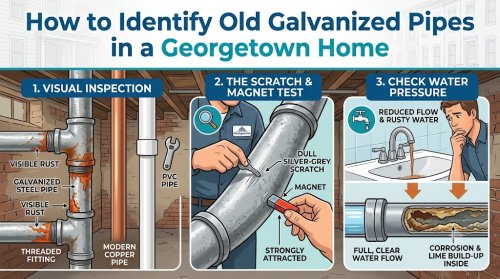
Historic Infrastructure & Piping Materials: Many homes in neighborhoods like Georgetown, Dupont Circle, and Anacostia feature aging galvanized steel or brittle cast iron supply branches that are inherently prone to interior rust buildup and sudden structural fatigue.
-
Hard Water Mineral Scaling: The municipal water supply carries dissolved minerals like calcium and magnesium that precipitate out over time, leaving abrasive scale deposits inside valve seats and ruining rubber washers.
-
Municipal Water Pressure Fluctuations: DC Water systems frequently experience high baseline pressure zones. Unregulated pressure surges put chronic, destructive stress on exterior faucet seals and anti-siphon components.
-
Seasonal Freeze-Thaw Cycles: Rapid temperature drops catch homeowners off guard. When residual water freezes inside a hose bib, it expands with immense force, fracturing copper pipes and brass valve bodies instantly.
-
Material Degradation and Wear: Constant torque from turning handles, UV exposure, and the physical weight of heavy garden hoses pulling downward gradually warp and fatigue exterior mounting joints.
Critical Warning Signs: When Your Home is Sounding the Alarm
Your plumbing system rarely fails without warning. Tuning into sensory clues can prevent a minor component malfunction from turning into a major disaster.
-
Subtle Structural Shifts & Damp Patches: Noticeable moisture rings on drywall directly opposite an exterior spigot, peeling exterior paint, or unexplained spikes on your monthly municipal water bill.
-
Auditory Clues: Loud banging noises (water hammer) when shutting off the hose, high-pitched whistling from partially closed valves, or the sound of running water when all fixtures are closed.
-
Olfactory Indicators: Musty, damp earth smells near baseboards, or faint mildew aromas originating from exterior wall cavities where hidden leaks feed mold growth.
-
Cascading Structural Risks: Ignoring a leaking hose bib invites wood rot in rim joists, subfloor warping, structural framing damage, and rapid black mold acceleration inside insulated wall assemblies.
Professional Diagnostic & Repair Workflow
When you call a licensed professional to resolve an exterior plumbing failure, they do not rely on guesswork. They execute a methodical, step-by-step resolution process.
[Step 1: Triage & Isolation] ---> [Step 2: Digital Video Inspection]
                                           │
                                           ▼
[Step 5: Testing & Clean-up] <--- [Step 3: Upfront Estimate]
                                           │
                                           ▼
                            [Step 4: Code-Compliant Repair]
-
Non-Invasive Triage & Safety Isolation: The technician immediately locates and shuts off localized or main water supply lines to stop active leaking without damaging surrounding finishes.
-
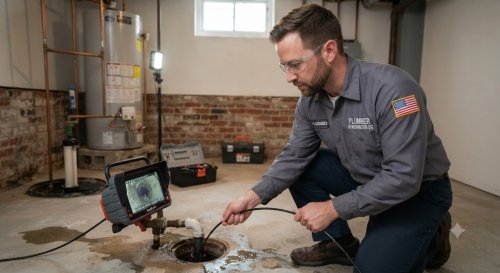
Precision Diagnostic & Digital Video Inspection: Using specialized snake cameras and acoustic listening equipment, the plumber inspects the interior path of the water line to confirm whether damage is localized to the spigot or extends deep into the wall cavity.
-
Transparent, Upfront Options & Written Estimating: Before turning a single wrench, the technician presents clear, flat-rate repair or replacement options, explaining the pros and cons of each path in plain English.
-
Code-Compliant Remediation & Part Replacement: The expert cuts out damaged brass, installs modern frost-free hydrants equipped with mandatory anti-siphon vacuum breakers, and secures proper anchoring to exterior masonry or siding.
-
Pressure Testing, Flow Verification, & Clean-Up: The system is repressurized, checked for leaks under working load, and the workspace is meticulously cleaned, leaving your property spotless.
Advanced Diagnostics: The Professional Tool Arsenal
Professional plumbers rely on heavy-duty, calibration-grade equipment to diagnose complex water line and exterior fixture issues accurately:
-
Electronic Acoustic and Thermal Leak Detectors: Pinpoint hidden water paths behind thick brick or concrete walls by listening for the subtle frequency of escaping pressurized water.
-
Push-Rod High-Definition Drain & Sewer Cameras: Allow technicians to visually inspect the interior condition of supply and waste branches from the inside out.
-
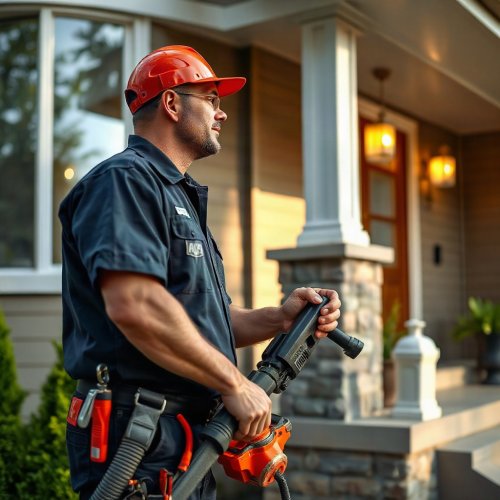
Hydro-Jetting High-Pressure Cleaning Units: Clear stubborn mineral scale and debris blockages from supply lines and drainage channels with precision water pressure.
-
Electronic Pipe Locators & Digital Manometers: Map out underground or in-wall pipe routes precisely while measuring exact static and dynamic water pressure tolerances.
Financial Breakdown: Cost Factors & Investment Realities
Understanding how plumbing services are priced helps you evaluate estimates objectively. Professional plumbing services operate on transparent, flat-rate models based on the complexity of the job rather than open-ended hourly billing.
-
Diagnostic & Service Call Dispatch Fees: Covers the travel, expert assessment, and initial triage conducted by a licensed master plumber.
-
Specialty Equipment Deployment: Required when accessing hard-to-reach underground lines, concrete-encased pipes, or second-story wall cavities.
-
Material Quality Selection: Premium frost-free copper-bodied hydrants with integrated vacuum breakers cost more upfront than cheap big-box store alternatives, but offer decades of durability.
-
Permitting Requirements: Major water line modifications or full main replacements may require municipal permits to ensure absolute compliance with local DC plumbing codes.
-
Repair vs. Total Fixture Replacement: Minor washer replacements are budget-friendly, whereas cutting into finished interior drywall to replace a severely cracked supply stem requires a higher investment.
DIY Reality Check: What You Can Safely Fix vs. When to Step Back
Tackling home maintenance yourself is empowering, but knowing your limits prevents dangerous and expensive mistakes.
-
Safe Homeowner Actions: Replacing a worn-out hose washer, wrapping exposed foam pipe insulation around accessible basement pipes, clearing debris from around an exterior spigot, or attaching a temporary insulated dome cover.
-
The Danger Zone: Attempting to solder copper pipes inside finished walls without a fire blanket, cranking down rusted threaded fittings until the internal supply line snaps, or working near electrical panels and damp flooring.
-
When to Call a Pro: If your interior isolation valve is seized and won't turn off, if the leak is originating from inside a closed drywall cavity, or if you notice structural wood rot around the spigot penetration, drop the wrench immediately and call a licensed specialist.
Unique Expert Insights: Hard Truths Homeowners Learn Too Late
Over 15 years in the field across the Mid-Atlantic, master plumbers see the same preventable mistakes repeated over and over. Here are five hard truths:
-
Temporary patch kits (like epoxy putty or rubber tape wraps) mask deeper system failures, fail under winter freeze pressures, and can void home insurance coverage clauses for water damage.
-
Chemical liquid drain cleaners generate extreme heat that corrodes metallic pipe walls from the inside out, turning a slow drain into a ruptured pipe disaster.
-
Unlicensed handymen often bypass local building codes—such as failing to install proper anti-siphon vacuum breakers—creating hidden compliance violations that tank real estate home sales inspections.
-
Preventive maintenance plans cost a fraction of a single emergency midnight water extraction and drywall repair bill.
-
Leaving hoses attached is the single leading cause of avoidable winter plumbing damage in the United States; always detach them by October.
Emergency Protocol: When Immediate Dispatch is Non-Negotiable
Some plumbing situations cannot wait for normal business hours. Recognizing a true emergency protects your home from catastrophic destruction:
-
Catastrophic Pipe Bursts: Uncontrolled water spraying inside a wall cavity or basement from a sheared-off outdoor supply line.
-
Main Sewer Line Backups: Wastewater flooding living areas through floor drains and lower-level fixtures.
-
Total Loss of Potable Water Supply: Complete disruption of water service to the property due to a main line collapse or major valve failure.
-
Overflowing Fixtures: Rapidly rising water threatening nearby electrical outlets, appliances, and finished living spaces.
Frequently Asked Questions (FAQs)
Why is my outdoor faucet leaking from the handle when I turn it on?
This is typically caused by a worn-out packing nut or a degraded packing washer inside the handle assembly. Tightening the packing nut slightly with a wrench often stops the leak; if it persists, the internal washer needs replacement.
What is a frost-free hose bib and how does it work?
A frost-free hose bib features a long internal valve stem that places the actual water shut-off seat several inches inside your warm home. This design prevents standing water from freezing against the outer wall during winter.
Can I leave my garden hose attached over the winter in Washington, DC?
No. Leaving a hose attached traps water inside the spigot barrel. When freezing temperatures arrive, that trapped water expands and cracks the copper or brass pipe, causing an indoor flood when the weather warms up.
How do I know if my outdoor spigot has backflow protection?
Modern building codes require an anti-siphon vacuum breaker on all exterior faucets. If you see a small, bell-shaped brass or plastic cap attached to the top of your spigot body, that is your backflow preventer.
Why does my outdoor faucet make a loud banging sound when I shut it off?
This phenomenon is known as water hammer. It occurs when fast-moving water is abruptly halted, sending a shockwave through your pipes. Installing a water hammer arrestor resolves this issue.
Is a leaking hose bib covered by homeowners insurance?
Gradual damage caused by deferred maintenance is generally not covered. However, sudden and accidental damage from a catastrophic pipe burst often qualifies, subject to your policy deductible.
How much does professional hose bib replacement cost in Washington, DC?
Costs vary depending on accessibility, whether the water line is exposed in an unfinished basement or hidden behind finished drywall, and whether a new frost-free hydrant must be installed.
What should I do immediately if my outdoor pipe freezes and bursts?
Locate your home's main water shut-off valve immediately and turn it clockwise to stop the water flow. Open the affected outdoor faucet to relieve pressure, and call an emergency licensed plumber.
Why Washington, DC Homeowners Trust Expert Local Plumbers
Navigating plumbing repairs in the nation's capital requires a deep understanding of local architecture, municipal water standards, and regional weather extremes. Working with a dedicated local team guarantees reliable results:
-
Fully Licensed & Insured Technicians: Every expert arriving at your door is background-checked, highly trained, and certified to meet all DC building codes.
-
Transparent, Upfront Pricing: Enjoy honest, flat-rate pricing with zero hidden overtime surprises before any work begins.
-
State-of-the-Art Equipment: Utilizing advanced diagnostic tools to resolve issues accurately on the very first visit.
-
Deep Local Neighborhood Expertise: Proudly serving Washington, DC, and surrounding communities with prompt, dependable response times.
-
Ironclad Customer Warranties: Backed by robust satisfaction commitments and workmanship guarantees to give you total peace of mind.