Frozen Pipe Emergency in Washington, DC: What to Do
Learn what to do during a frozen pipe emergency in Washington, DC, including warning signs, safe thawing methods, burst pipe risks, repair steps, and prevention tips.

Frozen Pipe Emergency in Washington, DC: What Homeowners Should Do
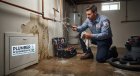
A frozen pipe can go from a minor winter plumbing problem to a major water-damage emergency surprisingly quickly. When water freezes inside a pipe, it expands and creates pressure against the pipe walls. That pressure can eventually cause the pipe to crack or burst.
For homeowners in Washington, DC, freezing conditions can put plumbing in basements, crawl spaces, garages, exterior walls, cabinets, and other poorly insulated areas at risk. DC Water specifically warns homeowners that frozen pipes can burst and cause expensive damage inside a property.
Knowing what to do before the pipe bursts can make a significant difference. The first priorities are to protect people, locate the water shutoff, reduce the chance of flooding, and safely thaw or repair the affected pipe.
What Is a Frozen Pipe Emergency?
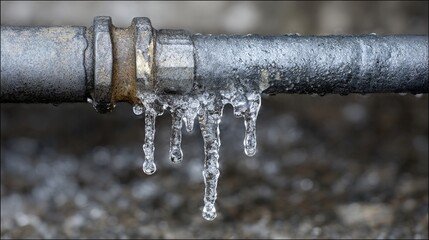
A frozen pipe emergency occurs when water inside a plumbing pipe freezes and restricts or completely stops water flow.
Common symptoms include:
- Little or no water from a faucet
- A sudden drop in water pressure
- Only a small trickle coming from one fixture
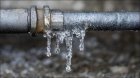
- Frost or ice visible on an exposed pipe
- Bulging or cracked sections of pipe
- Unusual noises when opening a faucet
- Water appearing after the pipe begins to thaw
- Damp walls, ceilings, floors, or cabinets
The most dangerous stage can actually occur after the ice begins melting. A frozen pipe may have already cracked, but the ice temporarily blocks the water. Once it thaws, pressurized water can escape through the damaged section.
DC Water recommends knowing where the main water shutoff is and being prepared to shut it off immediately if leakage appears.
Why Do Pipes Freeze in Washington, DC?
Freezing usually occurs when plumbing is exposed to sufficiently cold conditions for long enough that the water inside reaches freezing temperatures.
Pipes are especially vulnerable when they are located:
- Along exterior walls
- In unheated basements
- In crawl spaces
- In attics
- In garages
- Under kitchen cabinets
- Under bathroom vanities
- Near drafty openings
- Near exterior hose connections
- Where insulation is inadequate
DC Water identifies exposed and unheated areas such as garages, basements, crawl spaces, attics, and cabinets as common locations for frozen pipes.
What Should You Do First If a Pipe Is Frozen?
1. Keep the Faucet Open
If a faucet produces only a trickle, leave it open.
As the ice begins to melt, water can move through the pipe. Keeping the faucet open can also help relieve pressure created by the ice. DC Water and the American Red Cross both recommend opening the faucet while safely thawing a frozen pipe.
2. Locate the Main Water Shutoff
Know where the home's main shutoff valve is before you need it.
If the pipe bursts or you see water leaking, shut off the main water supply immediately if you can do so safely.
The shutoff is often near where the water service enters the property, although its exact location varies.
3. Look for Signs of a Burst
Inspect accessible areas for:
- Water dripping from pipes
- Wet insulation
- Damp drywall
- Water stains
- Pooling water
- Hissing or spraying sounds
- Water running beneath cabinets
- Moisture around ceilings or walls
If you suspect a concealed pipe has burst, don't wait for the water damage to become obvious.
4. Apply Gentle Heat
If the frozen section is safely accessible, gradual heat can be used.
Options include:
- A hair dryer
- An electric heating pad
- Towels soaked in warm water
- A properly positioned portable heater, where safe
The American Red Cross recommends gentle heat and specifically warns against open flames.
5. Never Use an Open Flame
Do not use:
- Blowtorches
- Propane torches
- Kerosene heaters
- Charcoal stoves
- Other open-flame devices
An open flame can create a serious fire hazard and can cause water inside the pipe to heat rapidly enough to damage or rupture the pipe. DC Water specifically warns against using open flames to thaw frozen plumbing.
When Is a Frozen Pipe an Emergency?
Call a plumber immediately if:
- The pipe has burst.
- Water is actively leaking.
- You cannot locate the frozen section.
- The frozen pipe is inside a wall or ceiling.
- You cannot safely reach the pipe.
- You cannot thaw it using safe methods.
- Water is accumulating inside the home.
- You hear water running behind a wall.
- Several pipes have frozen.
- Your main water shutoff does not work.
A frozen pipe inside an accessible basement may be manageable with professional assistance, but a burst pipe inside a finished wall can quickly create extensive damage.
DC Water advises customers to contact a licensed plumber for emergencies inside the home.
What Causes Frozen Pipes to Burst?
It is common to hear that freezing water simply "expands and bursts the pipe." The actual situation is more complicated.
As water freezes, it expands. If the pipe contains trapped water between ice and a closed section, pressure can build significantly. The resulting pressure can damage weaker portions of the plumbing.
The American Red Cross explains that the expansion of freezing water can create tremendous pressure inside pipes.
The pipe may crack at a vulnerable point such as:
- A threaded connection
- An elbow
- A fitting
- A corroded section
- A weakened joint
- An older section of pipe
Warning Signs You Should Never Ignore
Sudden Low Water Pressure
If a normally strong faucet suddenly produces only a trickle during freezing weather, investigate promptly.
No Water From One Fixture
If other fixtures work normally but one faucet does not, the supply pipe serving that fixture may be frozen.
Frost on Exposed Plumbing
Visible frost or ice is a strong indication that a pipe is being exposed to freezing conditions.
Unusual Pipe Noises
Popping, cracking, or unusual sounds can occur as temperatures change and water or ice moves within plumbing.
Water After Thawing
If water appears when a frozen section begins thawing, the pipe may have cracked.
Damp Walls or Ceilings
Moisture near plumbing during or after freezing weather can indicate a concealed leak.
Where Are Frozen Pipes Most Common?
Exterior Walls
Pipes installed against poorly insulated exterior walls are vulnerable because cold outdoor temperatures can transfer through the wall.
Basements
Unheated basement areas can become cold enough for exposed plumbing to freeze.
Crawl Spaces
Crawl spaces can expose plumbing to cold air, particularly when insulation or air sealing is inadequate.
Garages
Garages can become extremely cold because they are not maintained at normal indoor temperatures.
Kitchen Cabinets
Pipes inside cabinets against exterior walls can be exposed to cold temperatures.
Opening cabinet doors during extreme cold can allow warmer indoor air to circulate around plumbing.
Can You Thaw a Frozen Pipe Yourself?
Sometimes, but only if the frozen section is accessible and there is no active leak.
A homeowner may safely attempt gentle thawing by:
- Opening the affected faucet.
- Locating the frozen section.
- Applying gentle heat.
- Moving the heat gradually along the pipe.
- Watching closely for leaks as the ice melts.
- Checking other fixtures for additional frozen pipes.
If you cannot safely access the pipe, stop and call a qualified plumber.
Do not cut into walls, use open flames, or aggressively heat a frozen pipe.
What Happens During Professional Frozen Pipe Repair?
Step 1: Emergency Inspection
The plumber determines whether the pipe is frozen, cracked, or already leaking.
Step 2: Water Shutoff
If there is a leak, the water supply is shut off to limit damage.
Step 3: Locate the Frozen or Damaged Section
The plumber traces the affected plumbing and determines where freezing or pipe failure occurred.
Step 4: Safe Thawing
If the pipe is intact, controlled thawing may be performed.
Step 5: Pipe Repair or Replacement
If the pipe has split, the damaged section may need to be removed and replaced.
Step 6: Pressure and Leak Testing
The repaired plumbing is checked before the system is returned to normal operation.
Step 7: Freeze Protection Advice
The plumber can identify insulation, exposure, or other conditions that contributed to freezing.
What Tools Do Plumbers Use?
Depending on the situation, professionals may use:
- Plumbing inspection cameras
- Moisture meters
- Thermal imaging
- Pipe locators
- Pressure gauges
- Leak-detection equipment
- Specialized thawing equipment
- Cutting and joining tools
The equipment required depends on whether the pipe is merely frozen, concealed, cracked, or completely ruptured.
How Long Does Frozen Pipe Repair Take?
There is no universal repair time.
Simple Frozen Pipe
An accessible pipe that has frozen but not cracked may be thawed relatively quickly.
Moderate Repair
A damaged section in an accessible basement, garage, or utility room may require additional time for replacement and testing.
Concealed Pipe
A pipe behind drywall, beneath flooring, or inside a ceiling may take longer because access and water-damage assessment are involved.
Major Burst
A significant burst can require emergency water removal, pipe replacement, drywall or flooring repairs, and additional restoration.
The condition of the pipe and accessibility are usually more important than the fact that the weather caused the problem.
How Much Does Frozen Pipe Repair Cost?
There is no responsible fixed price for every frozen-pipe emergency.
Costs can depend on:
- Emergency service timing
- Diagnostic work
- Pipe location
- Pipe material
- Extent of damage
- Accessibility
- Replacement parts
- Labor
- Water extraction
- Wall or ceiling access
- Permit requirements, when applicable
- Secondary property damage
A frozen pipe that needs gentle thawing is very different from a burst pipe inside a finished ceiling.
Ask the plumber to explain which charges relate to emergency diagnosis, pipe repair, and any additional restoration.
Hidden Truths Homeowners Should Know
The Pipe May Burst After It Thaws
Don't assume that restoring water flow means the problem is over.
Inspect carefully for leaks as the ice melts.
A Small Trickle Can Be a Warning
Reduced flow during freezing weather may be the first sign of a developing freeze.
One Frozen Pipe Can Mean Others Are at Risk
DC Water recommends checking other vulnerable plumbing because multiple pipes can freeze during the same cold period.
The Most Vulnerable Pipe May Be Hidden
A pipe inside an exterior wall can freeze without being visible.
Prevention Is Usually Cheaper Than Emergency Repair
Insulation, proper heating, and protecting exposed plumbing can reduce the likelihood of a burst.
Outdoor Plumbing Needs Attention Too
Disconnecting and draining outdoor hoses and shutting off exterior faucet supplies can reduce freezing risk. DC Water recommends these steps before severe cold weather.
15 Common Mistakes Homeowners Make
1. Waiting for the Pipe to Burst
A sudden pressure reduction can be an early warning.
2. Using a Blowtorch
Open flames are dangerous and should never be used to thaw household plumbing.
3. Leaving a Frozen Pipe Unattended
A frozen pipe can begin leaking when temperatures rise.
4. Forgetting the Main Shutoff
Know how to turn off the water before an emergency occurs.
5. Heating Only One Small Spot
Gradual thawing should be controlled and monitored.
6. Ignoring Exterior Walls
Pipes against poorly insulated exterior walls can freeze.
7. Leaving Garage Doors Open
Cold air can expose plumbing to freezing temperatures.
8. Forgetting Outdoor Hoses
Connected hoses can leave water trapped in exterior plumbing.
9. Closing Cabinet Doors During Extreme Cold
Opening cabinets can allow warmer indoor air to circulate around vulnerable pipes.
10. Turning the Heat Down Too Far
DC Water and other authorities recommend maintaining adequate indoor heat during severe cold.
11. Ignoring Small Leaks Before Winter
Existing leaks and damaged plumbing can be more vulnerable during freezing weather.
12. Using Unsafe Heating Equipment
Keep electrical heating devices away from water and combustible materials.
13. Assuming Only Cold-Water Pipes Freeze
Hot-water supply pipes can freeze too if they are exposed to sufficiently cold conditions.
14. Repairing Without Checking for Other Frozen Pipes
Multiple vulnerable sections may be affected by the same weather event.
15. Waiting to Call a Plumber After a Burst
Once water is escaping, professional assistance should not be delayed.
How to Prevent Frozen Pipes in Washington, DC
Before a major cold snap:
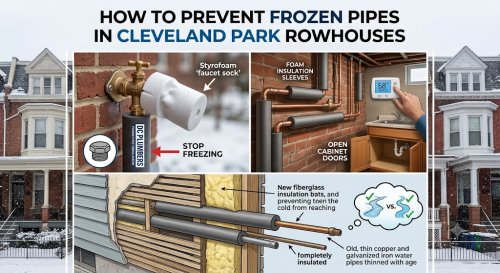
- Insulate exposed water pipes.
- Insulate vulnerable plumbing in basements and crawl spaces.
- Protect pipes in garages.
- Open cabinet doors around exposed plumbing.
- Remove and drain outdoor hoses.
- Shut off exterior faucet valves where applicable.
- Drain outdoor faucets.
- Keep garage doors closed.
- Seal drafts near plumbing.
- Check basement and crawl-space insulation.
- Repair existing leaks.
- Keep indoor heat at a safe, consistent temperature.
- If appropriate, allow a small cold-water drip during extreme cold.
- Know the location of the main water shutoff.
- Make sure everyone in the household knows how to use it.
- Have a plumber inspect recurring freeze problems.
- Check vacant properties regularly during severe weather.
- Don't leave an unheated property unattended during freezing conditions.
- Follow current DC Water winter-weather guidance.
DC Water's current winter guidance recommends maintaining heat, insulating exposed pipes, protecting outdoor lines, and using gentle thawing methods if pipes freeze.
What Should You Do If a Pipe Bursts?
If a pipe bursts inside your home:
Shut Off the Main Water Supply
Turn off the main water valve as quickly as possible.
Open a Faucet If Appropriate
Opening a nearby faucet can help relieve pressure in the plumbing system.
Protect Electrical Equipment
If water is near electrical outlets, appliances, or wiring, do not enter standing water or handle electrical equipment. Have the situation addressed safely.
Move Valuables
If safe to do so, move furniture and belongings away from the affected area.
Call a Plumber
A burst pipe requires professional repair.
Document Damage
Take photographs and keep records of the damage and emergency work if you intend to contact your insurer.
The District's Department of Insurance, Securities and Banking notes that homeowners should take steps to protect property from frozen pipes and review their insurance coverage.
When Should You Contact DC Water?
Not every water problem inside a home is a DC Water problem.
DC Water explains that private-side plumbing issues inside the home should generally be handled by a licensed plumber. Public-property water emergencies, such as certain street-level water problems, are handled by DC Water.
If you see water flowing in a street or sidewalk or experience a suspected public water-service problem, report it to DC Water.
People Also Ask About Frozen Pipes
What should I do first if my pipe freezes?
Open the affected faucet, locate the main water shutoff, check for leaks, and use only safe, gradual heat if the pipe is accessible and intact. Call a licensed plumber if you cannot safely thaw it.
Can frozen pipes burst after they start thawing?
Yes. A pipe may have already cracked while frozen, with ice temporarily blocking the leak. Water can escape when the ice melts.
Should I turn off the water if a pipe freezes?
If there is any indication that the pipe has burst or is leaking, shut off the main water supply promptly.
Can I use a hair dryer to thaw a frozen pipe?
A hair dryer can be used for gradual thawing when the pipe is safely accessible and the electrical equipment can be kept away from water. DC Water specifically recommends gentle heat rather than open flames.
Can I use a blowtorch on a frozen pipe?
No. Open flames create a serious fire and pipe-damage hazard and should not be used.
What temperature causes pipes to freeze?
There is no single indoor temperature at which every pipe will freeze. Exposure, insulation, wind, pipe location, and duration of cold all matter. Pipes in exposed or unheated areas can be vulnerable during prolonged freezing weather.
Which pipes freeze first?
Pipes in exterior walls, garages, crawl spaces, basements, attics, cabinets, and other exposed areas are particularly vulnerable.
Should I let my faucets drip during a freeze?
During extreme cold, a small, steady drip from a faucet serving vulnerable plumbing can help keep water moving. Follow current local guidance and avoid leaving water running unattended in situations where it could create another hazard.
How do I know if a frozen pipe has burst?
Look for water leakage, damp walls or ceilings, wet insulation, pooling water, unusual sounds, or water appearing as the pipe thaws.
How long does frozen pipe repair take?
A simple accessible freeze may be resolved relatively quickly, while a concealed or burst pipe can require considerably more time. Access, damage, pipe material, and restoration needs all affect the timeline.
How to Choose an Emergency Plumber in Washington, DC
When you need frozen-pipe service, choose a plumber who can respond to the actual cause, not simply thaw the pipe and leave.
Ask:
- Are you licensed for the work?
- Can you determine whether the pipe has cracked?
- Will you inspect nearby vulnerable plumbing?
- Can you repair or replace the damaged section?
- What emergency charges apply?
- Will you test the plumbing after repair?
- Can you identify why the pipe froze?
- What can be done to prevent another freeze?
A good emergency plumber should explain the immediate repair and, when appropriate, the steps needed to reduce the risk of another winter failure.
Why Choose plumberinwashingtondc?
If you have a frozen or burst pipe inside your Washington, DC home, plumberinwashingtondc can be contacted to discuss emergency plumbing assistance.
For significant plumbing work, verify that the professional performing the work is appropriately licensed and ask for a clear explanation of the recommended repair and applicable charges.
You can contact plumberinwashingtondc at 844-833-2093