Introduction
Nothing disrupts a busy morning quite like turning on the tap and hearing a dry sputter or discovering a puddle creeping across your hardwood floors. For property owners throughout the historic neighborhoods of the capital region, plumbing surprises are more than just an inconvenience—they are a threat to your home's structural integrity. Because local properties feature everything from century-old cast iron stacks to modern PEX layouts, plumbing maintenance plans act as an indispensable shield against unexpected water damage. Whether you reside in a row house on Capitol Hill or a detached colonial in upper Northwest, local residents face a distinct mix of aging municipal infrastructure, dramatic seasonal temperature swings, and mineral-rich water. Recognizing these risks early helps you avoid catastrophic failures and costly emergency repairs.
What Is a Plumbing Maintenance Plan? Decoding the Mechanism
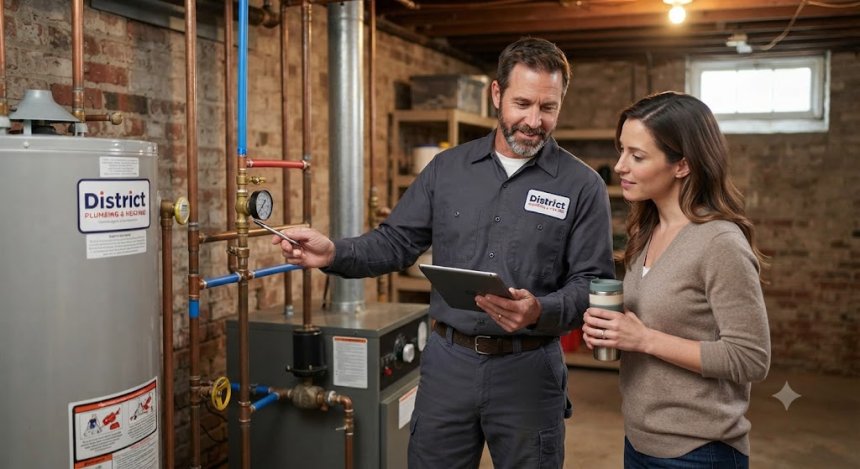
At its core, a professional plumbing maintenance plan is a structured, recurring service agreement between a homeowner and a licensed plumbing provider. Think of it like a wellness checkup for your home's circulatory system. Instead of waiting for a pipe to burst or a drain to back up completely, your system receives scheduled, comprehensive evaluations.
-
How it is supposed to work: Clean municipal water flows smoothly through supply lines at regulated pressure, while wastewater travels effortlessly through pitched drainage gravity lines out to the city main.
-
What happens when it fails: Over time, sediment accumulation, grease buildup, and joint shifting impede flow. Pressure spikes cause micro-fractures in aging connectors, eventually leading to silent leaks behind drywall or beneath foundation slabs.
-
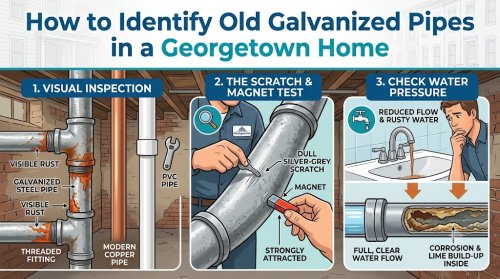
Local Real-World Scenario: Picture a 1920s row house in Dupont Circle. The original galvanized supply lines have narrowed due to decades of mineral scaling. Without a routine maintenance flush and pressure test, a standard winter freeze expansion can easily rupture a weakened joint in the basement ceiling, flooding finished living spaces below.
Critical Warning Signs: When Your Home is Sounding the Alarm
Your plumbing system rarely fails without warning. Catching these early sensory clues can save you thousands of dollars in restoration costs:
-
Auditory Clues: Listen closely for loud "water hammering" when closing valves quickly, high-pitched whistling from pressure-reducing valves, mysterious gurgling sounds from shower drains, or phantom toilet flushing.
-
Olfactory Indicators: Persistent sewer gas odors wafting near floor drains, or damp, earthy mildew smells in crawlspaces and basements often point to cracked vent stacks or hidden slow leaks.
-
Visual & Structural Red Flags: Keep an eye out for sudden unexplained spikes on your water meter, buckling vinyl flooring, warped baseboards, or damp patches on drywall.
-
The Cost of Delay: Ignoring these symptoms allows moisture to feed mold growth, rot wooden framing, and compromise subflooring within a matter of days.
Root Causes: Why This Problem Occurs in DC Homes
Local plumbing challenges are heavily influenced by the region's unique architectural heritage and environmental conditions:
-
Aging Infrastructure & Historical Materials: Many district homes still rely on aging cast iron, clay, or galvanized steel pipes that have long exceeded their design lifespans.
-
Hard Water Scaling: High mineral content causes stubborn calcium carbonate buildup inside water heaters and supply pipes, gradually choking water flow.
-
Municipal Water Pressure Fluctuations: High city pressure zones can place immense continuous stress on residential fixtures and supply lines.
-
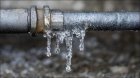
Seasonal Freeze-Thaw Cycles: Rapid winter temperature drops freeze exterior spigots and uninsulated basement pipes, causing expansion cracks.
-
Ground Shifting: Clay-heavy soils expand and contract drastically with seasonal moisture changes, placing shear stress on underground sewer lateral lines.
Unique Expert Insights: Hard Truths Homeowners Learn Too Late
Over years of diagnosing and repairing residential systems, licensed plumbers encounter recurring mistakes that could easily have been avoided:
-
Temporary patch kits and hardware store epoxy fixes only mask deeper system failures and can actually void your homeowner insurance claims if a major flood occurs.
-
Harsh chemical drain cleaners eat away at pipe walls from the inside out, creating brittle sections prone to sudden catastrophic collapse.
-
Unlicensed handymen frequently violate local plumbing codes during DIY bathroom remodels, creating hidden hazards that fail instantly during real estate home inspections.
-
Routine preventive maintenance plans cost only a fraction of a single emergency midnight water extraction and mold remediation project.
-
Ignoring the water heater anode rod guarantees premature tank corrosion, cutting the lifespan of your unit in half.
Comprehensive Home Plumbing Maintenance Framework
Stay ahead of trouble with this actionable seasonal and year-round maintenance checklist:
-
Spring Checks: Test your sump pump by dumping a bucket of water into the pit, inspect outdoor spigots for winter frost damage, and check exterior property grading.
-
Summer Checks: Inspect washing machine supply hoses for bulging or cracking, test emergency shut-off valves under sinks, and check toilets for silent flapper leaks using food coloring.
-
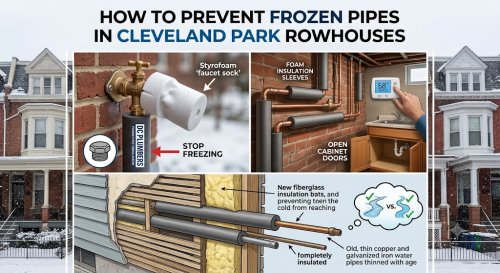
Fall Preparation: Disconnect and store garden hoses, insulate exposed basement pipes, and test your pressure-reducing valve (PRV).
-
Winter Readiness: Know the exact location of your main water shut-off valve, and keep interior cabinet doors open during extreme sub-freezing nights.
-
Year-Round Habits: Use mesh drain strainers in showers and kitchen sinks, avoid pouring grease down disposals, and schedule your annual professional system tune-up.
Professional Diagnostic & Repair Workflow
When you partner with a licensed, insured plumbing professional, you receive a methodical, transparent approach to problem-solving:
-
Non-Invasive Triage & Safety Isolation: Technicians immediately locate and secure emergency shut-off valves to stop active water flow without damaging your property.
-
Precision Diagnostic & Digital Video Inspection: High-resolution push-rod cameras travel deep into sewer and drain lines to visually pinpoint exact damage locations, roots, or bellies.
-
Transparent, Upfront Options & Written Estimating: You receive clear, flat-rate repair options with no hidden surprises before any physical work begins.
-
Code-Compliant Remediation & Part Replacement: Certified mechanics perform repairs using top-tier materials (such as durable PEX or copper) meeting local building codes.
-
Pressure Testing, Flow Verification, & Clean-Up: Systems undergo rigorous pressure checks to ensure absolute integrity, followed by a thorough cleanup of the work area.
Advanced Diagnostics: The Professional Tool Arsenal
Modern plumbing relies heavily on advanced engineering to eliminate guesswork and protect your home finishes:
-
Electronic Acoustic & Thermal Leak Detectors: Sound amplifiers and thermal imaging cameras pinpoint hidden leaks behind thick concrete slabs or tiled walls without destructive exploratory tearing.
-
High-Definition Drain Cameras: Waterproof fiber-optic cameras provide real-time digital insight into the exact condition of underground sewer lines.
-
Hydro-Jetting High-Pressure Units: Specialized water-blasting nozzles scour pipe interiors clean of grease, heavy scale, and root intrusions faster and more thoroughly than standard snaking.
-
Digital Manometers: Precision tools used to test gas lines and water supply pressure levels to ensure safe, code-compliant operation.
DIY Reality Check: What You Can Safely Fix vs. When to Step Back
-
Safe Homeowner Actions: Clearing surface hair clogs from shower pop-up stoppers, resetting a tripped garbage disposal unit, turning off an individual fixture supply valve, or plunging a minor toilet clog.
-
The Danger Zone: Never attempt repairs involving gas lines, main water supply cut-offs without proper municipal coordination, or electrical components near water heaters and sump pumps.
-
When to Drop the Wrench: Call a licensed professional immediately if you encounter persistent sewage backups, unexplained wet drywall, gas odors, or main line leaks.
Financial Breakdown: Cost Factors & Investment Realities
Understanding plumbing economics helps you budget effectively for repairs and maintenance:
-
Service Call & Diagnostic Fees: Standard dispatch fees cover travel and initial expert troubleshooting time.
-
Accessibility & Labor Rates: Tight crawlspaces, historic plaster walls, or deep underground excavations require specialized labor and extra time.
-
Material Selection: Upgrading from galvanized steel or polybutylene to modern copper or cross-linked polyethylene (PEX) impacts material expenses.
-
Permitting & Compliance: Major lateral replacements or gas line modifications often require municipal permits and mandatory inspections.
-
Repair vs. Total Replacement: Investing in a comprehensive maintenance plan prevents minor component wear from escalating into expensive total system replacements.
Emergency Protocol: When Immediate Dispatch is Non-Negotiable
Certain situations require calling a 24/7 emergency plumbing service immediately:
-
Catastrophic pipe bursts or active, uncontrolled structural flooding inside living areas.
-
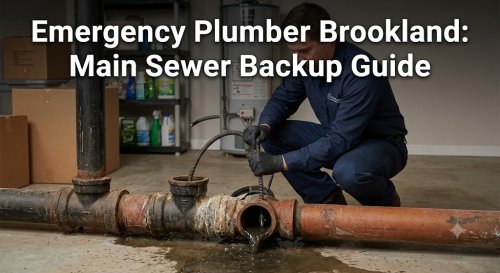
Complete main sewer line backups discharging raw sewage into bathtubs and living spaces.
-
Total loss of potable water supply to the home.
-
Overflowing fixtures threatening electrical outlets, breaker panels, or major appliances.
Frequently Asked Questions (FAQs)
What is included in standard plumbing maintenance plans?
Plans typically include an annual whole-home plumbing inspection, water heater flush, safety check of emergency shut-off valves, discounted repair rates, and priority scheduling for emergencies.
How often should I have my home's plumbing inspected?
We recommend an annual professional checkup to catch hard water scaling, minor leaks, and worn-out components before they turn into costly emergencies.
Can hard water damage modern plumbing pipes?
Yes. Over time, high mineral content leaves calcium deposits that restrict water flow, strain appliances, and accelerate corrosion in valves and water heaters.
Why do historic district homes experience frequent plumbing issues?
Older properties often contain aging cast iron or galvanized steel lines that are susceptible to root intrusion, structural settling, and internal mineral narrowing.
Are chemical drain cleaners safe for regular maintenance?
No. Chemical cleaners use harsh compounds that corrode pipe walls, weaken joints, and fail to remove heavy blockages completely. Hydro-jetting or mechanical snaking is much safer.
How can I prevent my pipes from freezing during winter?
Insulate exposed pipes in unheated basements and crawlspaces, disconnect outdoor hoses, and keep garage doors closed if supply lines run through them.
What causes low water pressure in historical property fixtures?
Low pressure is usually caused by heavy mineral scaling inside older supply pipes, a failing pressure-reducing valve (PRV), or a partially closed main shut-off valve.
How do I know if my main sewer line is blocked?
Common signs include multiple fixtures draining slowly at the same time, gurgling sounds coming from toilets when washing machines run, or sewage backing up in basement floor drains.
Why Washington, DC Homeowners Trust Our Expert Team
Navigating the unique plumbing challenges of the capital region requires specialized knowledge, local experience, and unwavering dedication to quality.
-
Fully Licensed & Insured: Every technician undergoes rigorous background checks and holds advanced state certifications.
-
Upfront, Flat-Rate Pricing: You always receive honest, transparent pricing with no hidden fees or surprise overtime charges.
-
Advanced Technology: We utilize state-of-the-art diagnostic cameras, electronic leak detectors, and hydro-jetting equipment to protect your home.
-
Deep Local Expertise: From historic row houses to modern suburban builds, we understand the specific piping materials and municipal codes unique to Washington, DC and surrounding neighborhoods.
-
Guaranteed Satisfaction: We stand by our craftsmanship with industry-leading warranties and a commitment to treating your home with absolute respect.