Introduction
There is nothing quite as frustrating as stepping out of the shower only to find your skin feeling tight, your hair brittle, and your gleaming chrome bathroom fixtures instantly spotted with stubborn white crust. If you live in the capital region, battling hard water plumbing solutions is a rite of passage. High concentrations of dissolved calcium and magnesium running through municipal mains create an invisible battleground inside your home's infrastructure.
Mineral scaling doesn't just ruin glassware; it quietly chokes your plumbing system from the inside out. Local homeowners experience this daily due to regional mineral-heavy water profiles. Left unaddressed, mineral deposits choke water heaters, reduce flow rates, and trigger premature appliance failures. Understanding how to manage and reverse hard water damage is essential for protecting your home investment and preserving your daily comfort.
What Is Hard Water Plumbing Strain? Decoding the Mechanism
Water is a universal solvent. As it travels through underground limestone and chalk deposits, it picks up high levels of calcium and carbonate ions. When this hard water moves through your home's copper or PEX supply lines and encounters hot surfaces—like the heating elements inside your water heater—a chemical reaction occurs. The dissolved minerals precipitate out of the water, forming solid calcium carbonate crystals known as scale.
Imagine an artery slowly narrowing due to plaque buildup; your plumbing network experiences the exact same phenomenon. Clean, unobstructed pipes gradually accumulate a chalky internal crust. This restricts water volume, forces your water heater to work twice as hard to penetrate the mineral barrier, and eventually causes pressure imbalances across your fixtures.
Advanced Diagnostics: The Professional Tool Arsenal
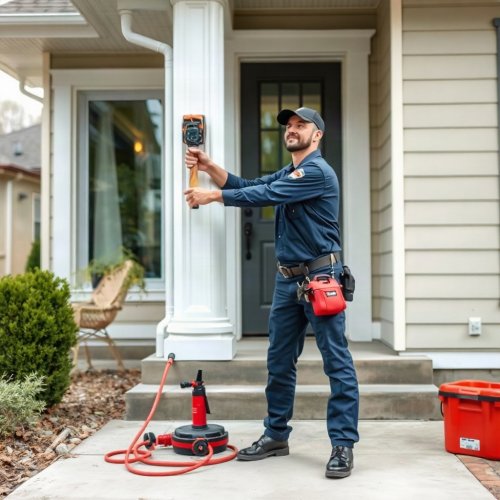
When diagnosing severe mineral scaling or related pressure bottlenecks, licensed professionals rely on heavy-duty diagnostic gear rather than guesswork:
-
Push-Rod High-Definition Drain & Sewer Cameras: Micro-cameras sent down lines to visually assess internal scaling, corrosion, and calcified blockages.
-
Digital Manometers & Pressure Testing Kits: Precision gauges that measure static and dynamic water pressure to pinpoint restrictions caused by narrowed pipe interiors.
-
Electronic Acoustic Leak Detectors: High-frequency listening devices used to find micro-cracks or joint failures caused by mineral-induced pressure stress.
-
Hydro-Jetting High-Pressure Cleaning Units: Heavy-duty water scouring equipment capable of blasting away years of accumulated mineral scale without damaging safe pipe walls.
Root Causes: Why Mineral Accumulation Attacks Capital Region Homes
Hard water issues are driven by a combination of municipal water chemistry, environmental factors, and home infrastructure characteristics:
-
Geological Mineral Deposits: Local water supplies draw from regional aquifers rich in limestone and gypsum, guaranteeing a high baseline mineral grain per gallon (gpg) count.
-
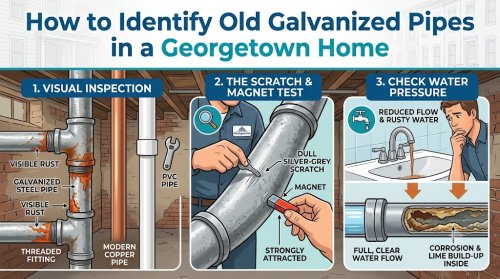
Aging Infrastructure & Pipe Materials: Older historical properties often feature aging galvanized steel or cast iron lines. The rough internal surfaces of these older pipes provide an ideal anchor point for calcium crystals to latch onto and multiply.
-
Thermal Shock & Temperature Spores: Higher water heater settings accelerate the precipitation process, meaning scale accumulates exponentially faster around heating elements and recirculation loops.
-
Lack of Pre-Treatment: Homes lacking whole-house water softeners or scale-prevention systems leave every single fixture completely exposed to raw, untreated mineral exposure.
Professional Diagnostic & Repair Workflow
Tackling severe hard water damage requires a structured, systematic approach executed by a licensed master plumber:
-
Step 1: Non-Invasive Triage & Safety Isolation: Shutting off localized supply valves, inspecting the main pressure-reducing valve (PRV), and evaluating system integrity.
-
Step 2: Precision Diagnostic & Digital Video Inspection: Running diagnostic cameras and pressure checks to map the exact locations of severe scale restriction.
-
Step 3: Transparent, Upfront Options & Written Estimating: Presenting clear, flat-rate options ranging from targeted descaling flushes to whole-house water softener installations.
-
Step 4: Code-Compliant Remediation & Part Replacement: Executing professional flushing, valve replacements, or pipe repiping in strict adherence to local building codes.
-
Step 5: Pressure Testing, Flow Verification, & Clean-Up: Verifying water flow, testing pressure thresholds, and leaving the workspace spotless.
Critical Warning Signs: When Your Plumbing System is Sounding the Alarm
Mineral scaling and hard water stress manifest through clear sensory indicators that property owners should never ignore:
-
Auditory Clues: Hearing a distinct popping, rumbling, or kettling sound coming from your water heater tank (caused by water trapped under thick scale layers boiling off).
-
Visual & Flow Indicators: Noticeable drops in showerhead pressure, chalky white buildup on aerators, stiff laundry after washing, and soap that refuses to lather properly.
-
Appliance Red Flags: Frequent dishwasher heating element failures, washing machine valve clogs, and water heaters failing years before their expected manufacturer lifespan.
Ignoring these warnings leads to cascading failures, including ruptured water heater tanks, complete pipe blockages, and costly emergency replacements.
DIY Reality Check: What You Can Safely Fix vs. When to Step Back
-
Safe Homeowner Actions: Soaking removable showerheads and faucet aerators in white vinegar to dissolve surface scale; replacing standard washing machine supply hoses; monitoring monthly water bills for anomalies.
-
The Danger Zone: Attempting to chemically descale main supply lines with harsh acids without proper flushing equipment; tampering with gas or 240V electric water heater connections; dismantling main pressure-reducing valves.
-
When to Call a Pro: If you notice sudden pressure drops across the entire house, persistent leaks around water heater fittings, or foul-tasting water, it is time to drop the wrench and call a licensed specialist.
Financial Breakdown: Cost Factors & Investment Realities
Investing in hard water plumbing solutions varies depending on your home's unique layout, severity of scaling, and chosen treatment technology. Key cost inputs include:
-
Service Call & Diagnostic Fees: Professional dispatch fees covering comprehensive water testing and system pressure analysis.
-
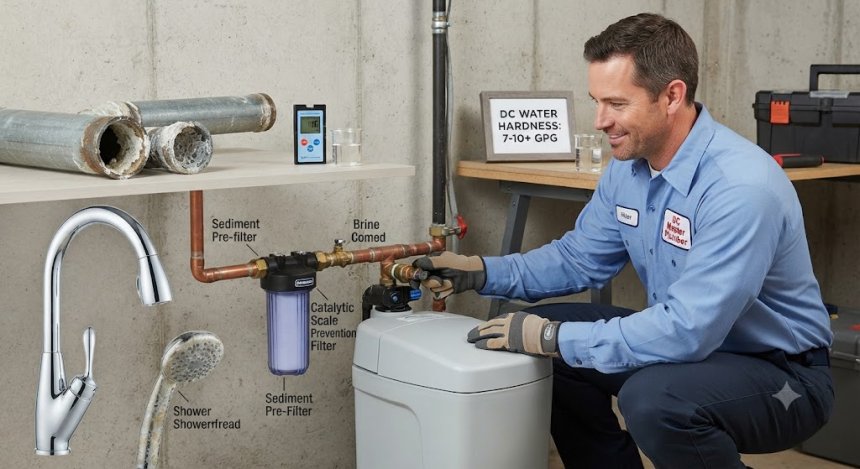
Treatment Equipment Selection: Costs range from basic salt-based ion-exchange water softeners and salt-free template-assisted crystallization (TAC) systems to whole-house carbon filtration combos.
-
Labor & Pipe Accessibility: Navigating tight crawlspaces, finished basements, or historic wall cavities to tie a new water softener into the main water supply line.
-
Repair vs. Total System Replacement: Weighing the cost of flushing a heavily scaled tankless water heater against replacing prematurely burned-out internal components.
Unique Expert Insights: Hard Truths Homeowners Learn Too Late
-
Chemical Quick Fixes Destroy Pipes: Pouring unverified industrial descalers down domestic water lines can corrode metal pipe walls from the inside out, creating pinhole leaks.
-
Softeners Are an Investment, Not an Expense: A quality water softener pays for itself by extending the lifespan of your water heater, washing machine, and dishwasher by up to 50%.
-
Realtor Warning: Unresolved hard water damage and scale-choked fixtures frequently surface during real estate home inspection reports, stalling property sales.
-
DIY Bottled Treatments Fail: Store-bought faucet drops offer temporary cosmetic relief but do nothing to protect internal plumbing lines or heating tanks.
-
Maintenance Beats Emergency Swaps: Flushing your water heater annually prevents catastrophic tank sediment build-ups that require middle-of-the-night emergency replacements.
Comprehensive Home Plumbing Maintenance Framework
Maintain peak plumbing efficiency and combat mineral buildup year-round by following this seasonal framework:
-
Spring Checks: Test outdoor spigots for mineral leakage; inspect sump pump basins for sediment accumulation; check main water supply shut-off valves for smooth operation.
-
Summer Maintenance: Clean and descale refrigerator ice maker feed lines; inspect whole-house filter cartridges and replace sediment pre-filters.
-
Fall Preparation: Flush the water heater tank to remove accumulated mineral sediment before peak winter heating demands; insulate exposed garage or basement supply lines.
-
Winter & Year-Round Habits: Avoid using harsh chemical drain cleaners; monitor your pressure reducing valve (PRV); periodically soak faucet aerators in vinegar to maintain optimal flow.
Emergency Protocol: When Immediate Dispatch is Non-Negotiable
True hard water and plumbing emergencies require immediate, 24/7 professional intervention:
-
Catastrophic Tank Rupture: A water heater tank splitting open due to severe internal scale corrosion, flooding utility spaces.
-
Main Supply Line Rupture: Sudden high-pressure joint blowouts caused by unchecked pressure buildup behind scaled-shut valves.
-
Complete Water Loss: Total cessation of potable water flow due to heavy mineral blockages lodging in main supply manifolds.
Frequently Asked Questions (FAQs)
How do I know if my home has hard water?
Look for chalky white residue on faucets, spotty glassware straight from the dishwasher, stiff laundry, dry skin after showering, and reduced water pressure from scale-choked aerators.
What is the best hard water solution for a residential home?
A whole-house ion-exchange water softener is the gold standard because it completely removes calcium and magnesium ions through a resin bed, protecting your entire plumbing network.
Can hard water damage my water heater?
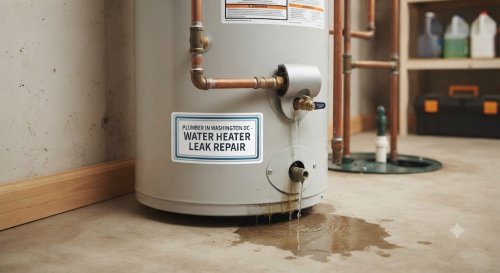
Yes. Minerals settle at the bottom of tank water heaters and bake into a solid layer, insulating the water from the burner and causing overheating, rumbling noises, and premature tank failure.
Do salt-free water softeners actually work?
Salt-free systems (like template-assisted crystallization) do not remove minerals; instead, they condition them so they cannot bond to pipe walls. They prevent scale but do not provide the cosmetic benefits of soft water.
How often should I have my plumbing system descaled?
If you have untreated hard water, a professional water heater flush and system evaluation should be performed annually to prevent damaging mineral accumulation.
Will hard water void my plumbing or appliance warranties?
Many major water heater and appliance manufacturers explicitly state that damage caused by scale buildup or untreated hard water is excluded from their factory warranties.
Can I install a water softener myself?
Unless you are experienced with copper soldering or PEX plumbing connections and local building codes, DIY installation risks major leaks and code violations. Professional installation ensures proper bypass valves and drainage lines.
How does hard water affect my home's resale value?
Home inspectors routinely check water hardness and plumbing health. Chronic scale damage, slow-flowing fixtures, and prematurely worn water heaters can lower appraisal values or derail negotiations.
Why Local Homeowners Trust Our Expert Plumbing Team
Navigating hard water challenges requires deep regional expertise, technical precision, and absolute transparency. Property owners trust our licensed professionals because we deliver:
-
Fully Licensed & Background-Checked Technicians: Certified experts who bring decades of hands-on field experience to every diagnostic call.
-
Upfront, Flat-Rate Pricing: Clear estimates with zero hidden fees, surprise hourly rates, or manipulative sales gimmicks.
-
State-of-the-Art Equipment: Cutting-edge diagnostic cameras, hydro-jetters, and pressure testing tools to solve problems right the first time.
-
Uncompromising Warranties: Industry-leading guarantees on parts, labor, and water treatment system installations, ensuring lasting peace of mind.