Why Water Heater Runs Out of Hot Water Chevy Chase DC
Running out of hot water in Chevy Chase DC? Discover top causes like sediment build-up and broken heating elements, plus expert repair solutions.
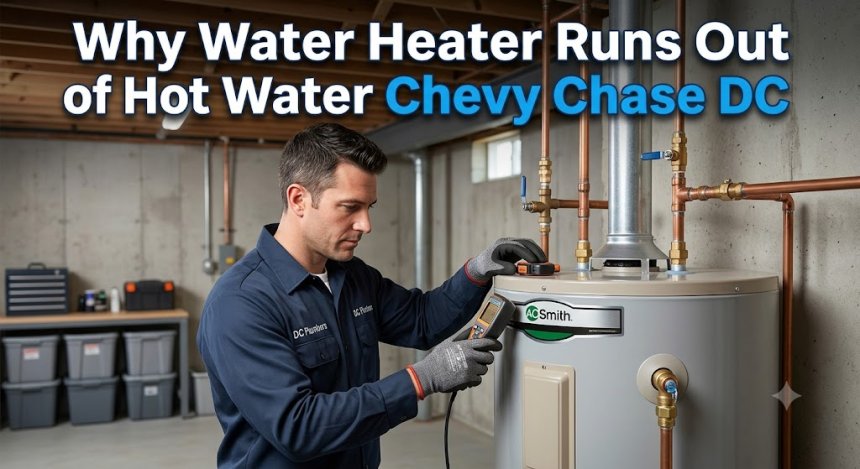
What Is Hot Water Depletion?
There is few worse ways to start your morning than stepping into what should be a soothing shower, only for the water to turn ice-cold within minutes. Hot water depletion occurs when your water heater loses its ability to generate or sustain a continuous supply of heated water relative to your household demand.
In Chevy Chase, DC—a neighborhood known for its historic colonial, Tudor, and craftsman residences alongside modernized estates—this issue is remarkably widespread. A water heater that ran flawlessly for years might suddenly yield only a few gallons of lukewarm water. Understanding whether this issue stems from a simple component failure, severe mineral build-up, or an undersized unit helps you make smart decisions before calling a professional plumber.
Symptoms of a Failing Water Heater
-
Shortened hot water cycles: Hot water runs out in under five minutes, even during a single shower.
-
Fluctuating water temperatures: Water shifts rapidly between scalding hot, lukewarm, and cold.
-
Popping or rumbling tank noises: Loud kettling or knocking sounds coming from inside the water heater during heating cycles.
-
Discolored or rusty tap water: Hot water coming out with a reddish, brown, or milky tint.
-
Lukewarm maximum temperature: Water never gets truly hot, regardless of thermostat adjustments.
Why Does This Plumbing Problem Happen in Chevy Chase, DC?
Water heater systems in Chevy Chase homes face distinct operational stresses related to water chemistry, regional climate changes, and property age.
[ Cold Water Supply Line ]
           │
           ▼
  ┌─────────────────┐
  │    Dip Tube     │ ◄── [Potential Breakage: Cold water dumps at top instead of bottom]
  └─────────────────┘
           │
           ▼
┌──────────────────────────────────────┐
│       WATER HEATER STORAGE TANK      │
│  ┌────────────────────────────────┐  │
│  │   Upper & Lower Heating        │  │ ◄── [Potential Failure: Electrical burn-out / gas valve fault]
│  │   Elements / Gas Burner        │  │
│  └────────────────────────────────┘  │
│  ░░░░░░░░░░░░░░░░░░░░░░░░░░░░░░░░░░  │ ◄── [Potential Issue: Thick Sediment / Mineral Scale Layer]
└──────────────────────────────────────┘
           │
           ▼
 [ Hot Water Outlet to Household ]
1. Hard Water & Heavy Sediment Accumulation
Washington, DC’s municipal water supply contains naturally occurring minerals like calcium and magnesium. When water is heated inside a tank, these minerals settle out of solution, creating a thick layer of rock-like sediment at the bottom of the heater. This sediment acts as an insulating barrier between the heating source and the water. As sediment builds up, the tank loses actual water storage capacity, and heating efficiency drops drastically.
2. Broken or Disintegrated Dip Tube
The dip tube is a plastic pipe that directs incoming cold water directly to the bottom of the storage tank where the heating elements or burners are located. Over time, heat and minerals cause the dip tube to become brittle and snap off inside the tank. When this happens, cold water dumps directly at the top of the tank near the hot water outlet, diluting hot water before it can ever reach your fixtures.
3. Failed Heating Elements or Thermostats (Electric Units)
Electric water heaters feature upper and lower heating elements controlled by separate thermostats. If the lower element burns out due to sediment encrustation, the upper element must handle the entire tank alone. This results in the tank heating only its top portion, giving you roughly one-third of your normal hot water supply.
4. Gas Control Valve or Burner Malfunctions (Gas Units)
Gas-fired units rely on a clean burner assembly, active pilot/igniter, and functional gas valve. Rust scale, dust, or faulty thermocouple sensors can prevent the main gas burner from firing at full capacity, slowing hot water recovery rates to a crawl.
5. Seasonal Groundwater Temperature Drops
During winter in the Mid-Atlantic region, municipal groundwater entering Chevy Chase homes drops significantly in temperature. Your water heater must work considerably harder to heat incoming $45^\circ\text{F}$ winter water compared to $70^\circ\text{F}$ summer water, making existing efficiency problems far more noticeable.
Warning Signs You Should Never Ignore
Ignoring minor water heater issues can lead to unexpected tank ruptures, major basement leaks, and expensive structural restoration.
| Warning Sign | What It Usually Means | Why It Demands Immediate Attention |
| Rumbling or Cracking Noises | Water trapped under dense bottom sediment boiling into steam bubbles. | Accelerates tank wall corrosion and risks cracking bottom steel liners. |
| Water Pooling Around Base | A leaking temperature & pressure valve, loose fitting, or rusted-through tank body. | Signals imminent catastrophic tank failure, threatening basement flooding. |
| Rusty or Metallic Hot Water | Internal anode rod depleted; interior steel tank lining actively rusting away. | Contaminates household water and indicates the tank is nearing the end of its life. |
| Foul "Rotten Egg" Smells | Sulfur-reducing bacteria reacting with a magnesium anode rod inside the tank. | Creates unpleasant odors and indicates water chemistry imbalance inside the tank. |
| Constantly Tripping Circuit Breaker | A shorted electric heating element or short-circuit in water heater wiring. | Poses electrical hazards and risks damaging household breaker panels. |
Common Plumbing Problems Related to Water Heater Failures
When a water heater begins to fail or suffer from severe scale build-up, it frequently impacts surrounding plumbing systems:
-
Pinhole Supply Line Leaks: Corroded flexible connection hoses attached to the water heater can burst under thermal expansion stress.
-
Clogged Shower Valves & Faucet Aerators: Plastic pieces from a disintegrating dip tube or loose lime scale travel downstream, clogging mixing valves throughout the home.
-
Thermal Expansion Valve Ruptures: Excess system pressure from heating water without a functioning expansion tank damages delicate fixture valves.
-
Scale-Clogged Tankless Heat Exchangers: On tankless systems, mineral scale coats narrow internal heat exchanger channels, causing system overheating error codes and total shutdowns.
Step-by-Step Professional Repair Process
Restoring your home’s hot water requires a thorough diagnostic procedure by a licensed plumber to prevent unnecessary component replacements:
[ Step 1: Physical & Electrical Inspection ] ──► [ Step 2: Diagnostic Testing ] ──► [ Step 3: Upfront Estimate ]
                                                                                            │
[ Step 6: Final Clean-Up & Advice ] ◄── [ Step 5: System Testing ] ◄── [ Step 4: Component Repair/Replace ] ◄┘
Step 1: Initial System Inspection
The technician evaluates the age of the unit, inspects gas/electrical connections, checks safety relief valves, and reviews surrounding plumbing pipes for corrosion or thermal stress.
Step 2: Diagnostic Testing
-
Electric Units: Volt-ohm meters test voltage continuity across thermostats and heating elements to pinpoint exact electrical short-circuits or burnouts.
-
Gas Units: Gas pressure manometers check burner pressure, while thermocouples, flame sensors, and electronic control modules are tested for proper signal feedback.
-
Tank Physical Checks: Sediment levels are checked, and the condition of the dip tube and sacrificial anode rod is confirmed.
Step 3: Upfront Estimate and Recommendations
The plumber explains the root cause of the hot water shortage, outlines repair options versus replacement economics, and provides an itemized upfront estimate.
Step 4: Component Repair or Replacement
Depending on the diagnosis:
-
Element & Thermostat Replacement: Draining the tank below element ports, extracting burned-out elements, and installing commercial-grade replacement components.
-
Dip Tube Installation: Pulling broken dip tube remnants, flushing plastic debris from internal lines, and installing a high-temp dip tube.
-
Full Tank Flush & Descaling: Flushing accumulated sediment out through the drain valve using pressurized flushing tools.
-
Complete Unit Replacement: If the tank wall is structurally rusted or over 10–12 years old, installing a high-efficiency replacement tank or upgrading to a tankless hot water system.
Step 5: Pressure & Temperature Calibration
The system is refilled, bled of air pockets, pressurized, and set to a safe $120^\circ\text{F}$ operating temperature to prevent scalding while preventing bacterial growth.
Step 6: Testing & Cleanup
All electrical and gas connections undergo leak testing, water flow is verified at upstairs showers, and the work site is thoroughly cleaned.
Can You Fix It Yourself?
Some basic water heater maintenance can be handled by handy homeowners, but major electrical or gas work requires professional licensing for home safety.
Safe DIY Actions Homeowners Can Try:
-
Check the Thermostat Setting: Ensure your water heater thermostat hasn't been bumped down accidentally. It should be set to $120^\circ\text{F}$.
-
Perform a Mini-Flush: Connect a garden hose to the bottom drain valve and run a few gallons of water into a bucket to check for loose rust or sediment.
-
Reset Electric Breakers: Check if the water heater's dedicated double-pole circuit breaker in your electrical panel has tripped, or press the red high-limit reset button on the upper thermostat (with breaker OFF).
+--------------------------------------------------------------------------+
|                     WHEN TO DIY vs. WHEN TO CALL A PLUMBER               |
+----------------------------------+---------------------------------------+
| SAFE DIY TASKS                   | CALL A LICENSED PLUMBER               |
+----------------------------------+---------------------------------------+
| • Adjusting temperature dial     | • Replacing heating elements          |
| • Flushing light loose sediment   | • Gas control valve or igniter repairs|
| • Checking circuit breaker panel | • Replacing broken dip tubes           |
| • Inspecting visual leak signs   | • Installing new water heaters        |
+----------------------------------+---------------------------------------+
When DIY Repairs Become Dangerous
-
Working on Live Electrical Terminals: Electric water heaters operate on 240-volt circuits that can cause severe shock or fire if handled improperly.
-
Gas Line Modifications: Unlicensed attempts to fix gas control valves or burner tubes risk dangerous natural gas leaks and carbon monoxide exposure.
-
Capping the T&P Relief Valve: Never plug or cap a dripping Temperature and Pressure (T&P) Relief Valve. Doing so eliminates the tank's primary safety release, creating a serious over-pressurization hazard.
Tools Professionals Use
Diagnosing and repairing water heating systems safely requires technical equipment engineered for precise electrical, gas, and hydraulic testing:
-
Digital Multimeters & Clamp Meters: Measure electrical voltage, current draw, and resistance across heating elements and thermostats.
-
Infrared Thermal Cameras: Scan tank exteriors to detect internal sediment heights and thermal insulation voids without opening the tank.
-
Gas Leak Detectors & Manometers: Sniff out micro gas leaks and measure manifold gas pressure to ensure clean combustion.
-
High-Volume Sediment Flush Tools: Pressurized wands that break up hardened bottom scale so it can drain out of standard hose valves.
-
Pipe Pressing Tools & Soldering Rigs: Rapidly join new copper or PEX supply lines during tank upgrades.
How Long Does the Repair Usually Take?
Repair timelines depend on the system design, cause of failure, and physical access around the unit:
-
Thermostat or Element Replacement (1–2 Hours): Draining target water volume, swapping faulty electrical components, refilling, and testing.
-
Dip Tube Replacement & Line Flushing (1.5–2.5 Hours): Removing upper cold water fittings, replacing the dip tube, and clearing plastic bits from downstream aerators.
-
Full Tank Sediment Descaling (1–2 Hours): Connecting flush rigs, dissolving bottom scale, and verifying clear water flow.
-
Complete Tank Replacement (3–5 Hours): Draining and removing the old tank, upgrading gas/water supply lines to code, installing a new expansion tank, and commissioning the new heater.
Cost Factors
Water heater repair and replacement costs vary based on system type, home setup, and necessary safety upgrades.
Key factors influencing total project expenses include:
-
Diagnostic & Inspection Fees: Technician setup, electrical testing, and safety system checks.
-
Type of System (Gas vs. Electric vs. Tankless): Gas control valves and tankless heat exchangers require different diagnostic tools than basic electric elements.
-
Parts & Components Required: Replacing a simple upper thermostat involves different material costs than a full burner manifold or electronic control board.
-
Unit Capacity & Fuel Source: Larger 50- or 75-gallon tanks or high-BTU gas units involve higher equipment costs during replacement.
-
Code Compliance & Safety Upgrades: Modern Washington, DC building codes require thermal expansion tanks, code-compliant shut-off valves, and drip pans piped to drains.
-
Accessibility: Units located in tight crawlspaces, finished basements, or upper-floor utility closets require additional handling care and labor time.
Note: Plumbing repair costs vary depending on the severity of the problem, accessibility, materials required, emergency service, property type, and local labor rates.
Hidden Truths Homeowners Should Know
Understanding water heater mechanics helps prevent expensive premature replacements and surprise repair bills:
-
Small leaks become expensive repairs: A slow drip from a T&P valve or upper fitting can erode outer steel jackets, ruin floor joists, and destroy basement finishes.
-
Cheap temporary fixes often fail: Adding external insulation blankets or turning thermostats up to max doesn't fix a tank filled with dense sediment or a broken dip tube.
-
Insurance may not cover neglected plumbing: Homeowners insurance policies frequently deny claims for water damage if a heater failed due to long-term lack of maintenance or visible rust rot.
-
Hard water shortens fixture lifespan: Without regular tank flushing, mineral scale degrades heating elements rapidly and burns out gas tank bottoms.
-
DIY mistakes increase repair costs: DRY-FIRING an electric water heater (turning power back on before the tank is completely full of water) burns out brand-new elements in seconds.
-
Delaying repairs causes structural damage: Unaddressed tank wall corrosion eventually causes catastrophic bottom blowouts, dumping 40–80 gallons of water in minutes.
-
Hidden leaks increase utility bills: A leaking hot water line or constantly running relief valve wastes both water volume and continuous energy costs.
-
Anode rods are cheap insurance: Replacing a $30–$50 sacrificial anode rod every 3 to 5 years can double or triple the total operational lifespan of your storage tank.
-
Annual maintenance saves money: Flushed tanks heat water faster, use less gas or electricity, and rarely suffer mid-winter heating breakdowns.
15 Common Mistakes Homeowners Make
-
Ignoring Rumbling Tank Noises: Treating loud boiling sounds as harmless rather than a sign of heavy sediment insulation.
-
Cranking the Thermostat to Scalding Levels ($140^\circ\text{F}+$): Trying to stretch limited hot water volume, which creates serious scalding risks and accelerates internal tank scale.
-
Plugging a Dripping Pressure Relief Valve: Capping the safety valve instead of addressing high system pressure or a failing valve seat.
-
Never Replacing the Sacrificial Anode Rod: Allowing the protective rod to deplete completely, causing interior steel tank walls to rust out.
-
Dry-Firing New Electric Elements: Turning power on at the main breaker panel before the tank is 100% purged of trapped air.
-
Neglecting Thermal Expansion Tanks: Operating closed-loop water systems without an expansion tank, which spikes pressure during heating cycles.
-
Hiring Unlicensed Handymen for Gas Connections: Risking unpermitted gas line work that fails local safety codes.
-
Flushing Old, Long-Neglected Drain Valves Carelessly: Snapping brittle plastic drain valves off inside older tanks during forced DIY maintenance.
-
Ignoring Water Heater Drip Pan Drains: Allowing drip pans to sit without drain lines or automatic water shut-off sensors.
-
Storing Flammable Items Near Gas Heaters: Placing paint cans, gasoline, or paper close to open gas burner chambers.
-
Skipping Annual Tank Flushes: Allowing hard water scale to solidify into rock-hard layers over years of neglect.
-
Mixing Dissimilar Metals Without Dielectric Unions: Connecting copper lines directly to steel tank nipples, causing rapid galvanic corrosion.
-
Failing to Locate the Main Water Shut-Off: Not knowing how to shut off incoming water when a tank leak starts.
-
Replacing Elements Without Checking Thermostats: Replacing heating elements while leaving faulty, scorched thermostats in place.
-
Waiting Until Total Tank Collapse to Explore Upgrades: Scrambling during an ice-cold emergency replacement instead of planning a modern tankless upgrade ahead of time.
Proactive Maintenance Tips
Extend the operational life of your water heater and ensure steady hot water with these simple maintenance practices:
Monthly & Quarterly Care
-
Visual Inspection: Check around the base of the tank, water connections, and gas/electrical lines for moisture, rust spots, or corrosion.
-
Clear the Surrounding Area: Keep at least two feet of clear clearance around gas water heaters for proper combustion airflow.
Seasonal & Annual Care
-
Flush Accumulated Sediment: Connect a hose to the drain valve every 6 to 12 months to flush out settled mineral debris until water runs clear.
-
Test the T&P Relief Valve: Lift the test lever on the Temperature and Pressure relief valve briefly to ensure water discharges freely and resets cleanly.
-
Inspect the Anode Rod: Check the sacrificial anode rod every 3 years. If the core wire is exposed or heavily eaten away, install a new rod immediately.
-
Check Expansion Tank Pressure: Verify that air pressure inside your thermal expansion tank matches incoming household water pressure.
-
Schedule Professional Tune-Ups: Have a licensed plumber inspect burner assemblies, flue pipes, gas valves, and electrical connections annually.
When Should You Call an Emergency Plumber?
While a short shower is an inconvenience, certain hot water failure scenarios demand immediate emergency plumbing intervention:
-
Active Water Gushing from Tank Body: A sudden structural breach dumping water uncontrollably onto basement or utility floors.
-
Smell of Natural Gas Near the Water Heater: Strong sulfur/rotten egg gas smells indicating an active gas line or safety valve leak.
-
Scorching or Burning Smells Near Breaker Panels/Control Covers: Electrical shorts melting wire insulation inside electrical junction boxes.
-
Water Dripping Through Lower-Floor Ceilings: Hot water supply lines or relief pipes leaking into structural ceilings and walls below upper utility closets.
People Also Ask (PAA)
Why does my hot water run out so quickly in my shower?
Short hot water supply is typically caused by a broken plastic dip tube diluting hot water, heavy mineral sediment insulating the tank bottom, or a burned-out electric heating element forcing one element to do all the work.
How long should a residential water heater last?
Standard storage tank water heaters last between 8 and 12 years. Tankless water heaters can last 20 years or more with regular annual descaling maintenance.
Why is my hot water lukewarm instead of hot?
Lukewarm water usually points to a failed upper thermostat, a broken lower heating element, a partially extinguished gas burner, or a broken dip tube mixing cold and hot water inside the tank.
Does hard water cause water heaters to fail faster?
Yes. Dissolved calcium and magnesium in hard water settle into dense sediment layers, causing tank bottoms to overheat, efficiency to drop, and heating elements to burn out prematurely.
Voice Search Questions
-
"Why is my water heater running out of hot water after 5 minutes in DC?"
This is almost always caused by a burned-out heating element in electric tanks or a broken dip tube that dumps cold water directly into the top of your tank.
-
"Who fixes gas water heaters in Chevy Chase DC?"
Licensed professional plumbers serving Washington, DC specialize in diagnosing gas valves, burner assemblies, thermocouples, and tank replacements.
-
"How much does it cost to replace a water heater heating element near me?"
Costs depend on component type, electrical accessibility, and local labor rates. Contact a licensed plumbing company for a diagnostic check and estimate.
-
"Why is my water heater making a loud popping noise?"
Loud popping or knocking noises are caused by steam bubbles forcing their way through heavy mineral sediment accumulated at the bottom of your storage tank.
Frequently Asked Questions (FAQs)
1. What size water heater does my Chevy Chase home need?
A typical household of 2 to 3 people usually requires a 40-gallon tank, while families of 4 to 6 people generally need a 50- to 75-gallon storage tank or a high-capacity tankless system.
2. Should I repair or replace my water heater?
If your water heater is under 8 years old and suffers from a fixable component failure (like a thermostat, element, or dip tube), repair is usually cost-effective. If the tank is over 10–12 years old, visibly rusting, or leaking from the main shell, full replacement is safer and more reliable.
3. What is the difference between a tank and a tankless water heater?
Tank water heaters store and continuously heat a fixed reservoir of water (40–80 gallons). Tankless systems heat water instantly on demand as it flows through high-output heating coils, providing continuous hot water without a storage tank.
4. Why does my water heater trip the electrical breaker?
A water heater trips its breaker when a heating element casing cracks, causing water to touch internal electrical wires and create a direct short circuit to ground.
5. What happens if I never flush my water heater?
Sediment accumulates into a hard mineral block, lowering water capacity, causing noisy operation, burning out heating elements, and eventually cracking the bottom steel lining of the tank.
6. Can a bad shower mixing valve cause me to run out of hot water?
Yes! If an upstairs shower mixing valve cartridge fails internally, cold water can cross over into the hot water supply line inside the wall, making it seem like the water heater itself has run out of hot water.
7. How does a dip tube work?
The dip tube is an internal pipe that carries incoming cold supply water down to the bottom of the tank so it heats up before rising to the top hot water outlet pipe.
8. Is high water pressure bad for a water heater?
Yes. Water pressure exceeding 80 PSI puts excessive stress on tank welds, expansion tanks, and safety valves, leading to premature leaks and catastrophic tank failure.
9. Why does my hot water smell like rotten eggs?
This odor is caused by sulfur-reducing bacteria in the water supply reacting with the tank's sacrificial magnesium anode rod. Replacing the magnesium rod with an aluminum-zinc anode rod usually eliminates the smell.
10. How quickly can a plumber replace a failed water heater?
A standard residential water heater replacement typically takes between 3 and 5 hours from draining the old unit to testing and commissioning the new heater.
Why Choose Plumber in Washington DC?
When your water heater stops delivering the reliable hot water your household depends on, turn to a trusted local plumbing service with deep regional expertise.
-
Experienced Licensed Plumbers: Our master plumbers understand the water chemistry, historical plumbing configurations, and local utility standards across Chevy Chase and Northwest Washington, DC.
-
Honest Diagnostics & Clear Advice: We test components accurately before recommending repairs or replacements, presenting options clearly so you can make informed decisions.
-
Upfront Estimates: No hidden fees or surprise additions. You receive clear, itemized pricing before work begins.
-
Fast Response & Emergency Availability: We offer flexible scheduling and fast response times when hot water emergencies disrupt your daily life.
-
Quality Workmanship & Modern Equipment: From advanced electrical multimeters to high-efficiency tank and tankless installations, we prioritize long-term performance and safety.
-
Local Service Area: Proudly serving homeowners across Chevy Chase, Bethesda, upper Northwest DC, and surrounding Metropolitan neighborhoods.