What to Do When a Pipe Bursts in Your Washington, DC Home
Learn what to do when a pipe bursts in your Washington, DC home, including emergency steps, water shutoff tips, damage prevention, and when to call a plumber.

What to Do When a Pipe Bursts in Your Washington, DC Home
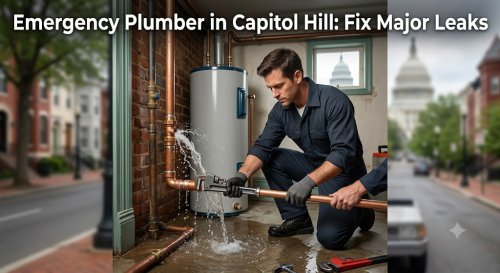
A burst pipe can turn a normal day into a plumbing emergency within minutes. Water may spread across floors, soak walls and ceilings, damage furniture, and create conditions for mold and structural problems. Knowing what to do immediately can significantly reduce the damage while you wait for professional help.
In Washington, DC, burst pipes commonly occur during freezing winter weather, but cold temperatures are not the only cause. Aging plumbing, corrosion, high water pressure, damaged fittings, improper installation, and physical damage can also cause pipes to crack or fail.
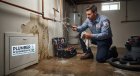
Whether the burst happens in a basement, kitchen, bathroom, utility room, wall, or ceiling, the priority is the same: stop the water safely, protect people and property, and arrange professional pipe repair.
What Causes a Pipe to Burst?
A pipe bursts when the pipe material or connection can no longer withstand the pressure or physical stress placed on it.
Frozen Pipes
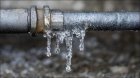
Freezing temperatures are a major concern for Washington, DC homeowners. When water freezes inside a pipe, it expands and increases pressure within the plumbing system. This can cause the pipe to crack or split.
Interestingly, the leak may not appear while the pipe is frozen. Water can begin escaping as the ice melts and pressure returns.
Aging Plumbing
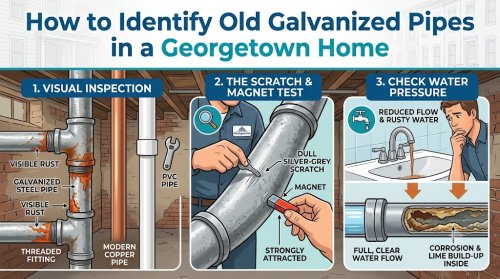
Older pipes naturally deteriorate. Corrosion, mineral buildup, repeated temperature changes, and years of water pressure can weaken plumbing materials.
A small crack in an aging pipe can eventually become a complete break.
High Water Pressure
Excessive water pressure can place stress on pipes, fittings, valves, and plumbing fixtures. Over time, this can contribute to premature failures.
If you notice banging pipes, leaking fixtures, or sudden pressure changes, a plumber can test the system and determine whether pressure is contributing to the problem.
Corrosion
Metal plumbing components can corrode over time. Corrosion may weaken the pipe wall or create vulnerable areas around fittings and joints.
Poor Installation
Improperly supported pipes, incorrect fittings, incompatible materials, or poor connections can create weak points that eventually fail.
Physical Damage
Pipes can be damaged during remodeling, drilling, construction, or other work around the property. A nail or screw penetrating a concealed pipe may cause a slow leak that eventually becomes a major plumbing problem.
What Should You Do When a Pipe Bursts?
When water is actively flowing, act quickly but safely.
Step 1: Shut Off the Main Water Supply
The first priority is stopping the water.
Locate your home's main water shutoff valve and turn it off if you can reach it safely. If the problem is isolated and you know where the individual shutoff is located, you may be able to stop the affected fixture or branch line instead.
If you cannot find the shutoff, contact a plumber for assistance.
Step 2: Stay Away From Electrical Hazards
Never assume standing water is electrically safe.
If water has reached outlets, electrical panels, appliances, extension cords, or wiring, avoid the area. Do not walk through standing water to reach electrical equipment.
If the electrical supply can be safely disconnected from a dry location, do so. Otherwise, leave the area and obtain professional assistance.
Step 3: Reduce the Spread of Water
Once the water supply is stopped, use towels, buckets, mops, or other safe methods to contain remaining water.
Move furniture, electronics, rugs, documents, and other valuables away from the affected area when possible.
Do not put yourself at risk to save property.
Step 4: Call a Professional Plumber
Stopping the water is only the first step.
A professional plumber needs to locate the actual failure, determine why the pipe burst, inspect nearby plumbing, and complete a permanent repair.
Step 5: Document the Damage
Take photographs or videos of the damaged pipe and affected areas once the situation is safe.
Documentation can help when communicating with your insurance company, landlord, property manager, or water-damage restoration company.
Where Do Burst Pipes Commonly Occur?
Burst pipes can occur throughout a home's plumbing system.
Common locations include:
- Basement plumbing
- Crawl spaces
- Exterior walls
- Attics
- Garages
- Utility rooms
- Kitchens
- Bathrooms
- Laundry areas
- Behind cabinets
- Near water heaters
- Around washing machines
- Underground water lines
- Ceiling and wall cavities
Pipes in poorly insulated or unheated areas are especially vulnerable during freezing weather.
Warning Signs Before a Pipe Bursts
A pipe does not always fail without warning.
Watch for:
- Water stains on walls or ceilings
- Damp drywall
- Bubbling or peeling paint
- Mold or mildew
- Low water pressure
- Unexplained puddles
- Corroded pipes or fittings
- Strange banging or knocking sounds
- Unusually high water bills
- Persistent dripping
- Damp areas around appliances
- Water appearing where it normally should not
A small leak can be a warning that the plumbing has already deteriorated.
Can You Temporarily Fix a Burst Pipe Yourself?
For a small, accessible leak, some homeowners may use a temporary repair clamp or similar product to reduce water loss.
However, this should only be considered a short-term measure.
A temporary patch does not address the reason the pipe failed. If the pipe is severely corroded, frozen, concealed inside a wall, or under significant pressure, attempting a permanent DIY repair can make the situation worse.
Avoid cutting into walls unnecessarily, soldering unfamiliar plumbing, modifying pressurized lines, or using incompatible repair materials.
When water is actively flooding a property, professional assistance is generally the safest option.
How Does a Professional Repair a Burst Pipe?
A professional repair normally starts with diagnosis rather than immediately replacing the first visible section of pipe.
Inspection
The plumber examines the visible plumbing and surrounding area to determine where the water originated.
Diagnosis
The cause of the failure is investigated. This may include freezing, corrosion, high pressure, damaged fittings, aging materials, or physical damage.
Locating Concealed Leaks
If the pipe is inside a wall, ceiling, floor, or other inaccessible location, specialized leak-detection methods may help locate the damaged section while minimizing unnecessary damage.
Accessing the Pipe
The plumber may need to carefully open drywall, flooring, cabinetry, or another surface to reach the failed pipe.
Repair or Replacement
The damaged section is repaired or replaced using plumbing materials appropriate for the existing system.
If surrounding pipe is severely deteriorated, replacing only a tiny section may not provide the best long-term solution.
Testing
After the repair, the plumbing system should be checked for leaks and proper water flow.
Cleanup and Recommendations
The plumber should explain the repair and identify any additional plumbing problems that could cause another failure.
How Long Does Burst Pipe Repair Take?
Repair time varies significantly.
A simple exposed pipe repair may be completed during a single service visit. A burst pipe behind a finished wall can take longer because the plumber must locate the failure, create access, repair the pipe, and test the system.
Major water-line failures, multiple damaged sections, underground plumbing problems, or extensive corrosion may require additional work.
The initial emergency response may focus on stopping the water. Drywall repair, flooring replacement, mold remediation, and other restoration work may need to be handled separately.
How Much Does Burst Pipe Repair Cost?
There is no responsible fixed price for every burst pipe repair.
The cost depends on:
- Pipe material
- Pipe size
- Location of the break
- Accessibility
- Extent of damage
- Labor required
- Replacement materials
- Emergency service
- Water-damage cleanup
- Wall or floor access
- Additional plumbing problems
- Permits or inspections, if applicable
A leaking pipe under an accessible sink can be considerably easier to repair than a burst line inside a finished ceiling.
Before authorizing significant work, ask the plumber to explain the recommended repair, expected labor, materials, and any additional charges.
What Happens If You Ignore a Burst Pipe?
Ignoring a burst pipe can turn a plumbing problem into a property-damage problem.
Water can damage:
- Drywall
- Flooring
- Wood framing
- Cabinets
- Insulation
- Furniture
- Electrical components
- Appliances
- Personal belongings
Prolonged moisture can also contribute to mold growth and unpleasant odors.
Another important point is that the visible water may not represent the full extent of the problem. Water can travel behind walls, underneath flooring, and through ceilings before appearing in another location.
Hidden Truths Homeowners Should Know
The Visible Leak May Not Be the Source
Water can travel along framing and plumbing. The wet spot you see may be several feet away from the actual break.
Stopping the Water Does Not End the Problem
Even after the pipe is repaired, wet drywall, insulation, flooring, and other materials may require drying or restoration.
A Temporary Patch May Hide a Larger Problem
If corrosion or aging plumbing caused the failure, another nearby section may eventually develop problems.
Frozen Pipes Can Leak After Temperatures Rise
A pipe may appear fine while frozen and begin leaking as the ice melts.
Small Leaks Can Become Expensive
A slow leak inside a wall can cause hidden water damage long before the homeowner notices it.
Insurance Coverage Is Not Automatic
Whether burst-pipe damage is covered depends on the insurance policy, circumstances, cause of the failure, and maintenance history. Contact your insurance provider when appropriate rather than assuming coverage.
15 Common Mistakes Homeowners Make After a Pipe Bursts
1. Waiting to Shut Off the Water
Every additional minute of uncontrolled water can increase property damage.
2. Ignoring a Small Leak
A small leak may indicate a weakened pipe that could fail completely.
3. Walking Through Standing Water Near Electricity
This creates a potentially serious electrical hazard.
4. Repeatedly Applying Temporary Patches
A patch may slow the leak without solving the underlying problem.
5. Cutting Open Walls Without a Plan
Unnecessary demolition can increase repair costs.
6. Using the Wrong Pipe Materials
Different plumbing systems require compatible materials and fittings.
7. Ignoring Low Water Pressure
A sudden pressure change can indicate a developing plumbing problem.
8. Failing to Check Nearby Plumbing
One failed section may be part of a larger deterioration problem.
9. Forgetting About Water Damage
Repairing the pipe does not automatically dry the property.
10. Attempting Electrical Repairs in Wet Areas
Electrical work around water should never be taken lightly.
11. Ignoring Winter Plumbing Preparation
Unprotected pipes can be vulnerable during freezing conditions.
12. Choosing a Plumber Based Only on the Lowest Price
The cheapest initial quote may not address the underlying problem.
13. Skipping the Diagnosis
Replacing a visible fitting without finding the actual cause can lead to repeat failures.
14. Delaying Professional Help
A burst pipe can quickly become a property emergency.
15. Not Learning Where the Main Shutoff Is
Every homeowner should know how to shut off the home's main water supply before an emergency occurs.
How to Prevent Burst Pipes in Washington, DC
Washington, DC homeowners should pay particular attention to plumbing before freezing weather.
Practical prevention measures include:
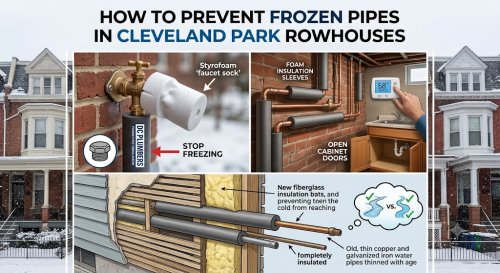
- Insulate exposed water pipes.
- Protect plumbing in unheated spaces.
- Seal drafts around vulnerable plumbing.
- Maintain adequate indoor heat during cold weather.
- Disconnect outdoor hoses before freezing temperatures.
- Protect vulnerable exterior faucets.
- Repair dripping fixtures.
- Address corrosion early.
- Monitor unusual water-pressure changes.
- Keep the main shutoff valve accessible.
- Know where individual fixture shutoffs are located.
- Inspect older plumbing periodically.
- Do not ignore damp walls or ceilings.
- Check basement and crawl-space plumbing during cold weather.
- Have vulnerable plumbing professionally inspected.
- If leaving the home during severe cold, take appropriate steps to protect the plumbing system.
When Should You Call an Emergency Plumber?
A burst pipe generally requires emergency plumbing assistance when water is actively flowing and cannot be controlled.
Call for urgent help when:
- The main shutoff does not stop the water.
- A major water line has burst.
- Water is flooding several rooms.
- Water is coming through a ceiling.
- A pipe has burst inside a wall.
- Water is close to electrical equipment.
- Sewage or contaminated water is involved.
- The property is vacant.
- You cannot safely locate or shut off the water supply.
If there is an immediate electrical, structural, fire, or other life-safety hazard, leave the affected area and contact the appropriate emergency service.
People Also Ask About Burst Pipes
What should I do first when a pipe bursts?
Shut off the main water supply if you can do so safely. Then stay away from electrical hazards, contain the remaining water, protect belongings, and contact a professional plumber.
How quickly should a burst pipe be repaired?
As soon as possible. Fast action can reduce the amount of water damage and may prevent additional problems.
Why do pipes burst during winter?
When water freezes inside a pipe, it expands and creates pressure. That pressure can cause the pipe to crack or split.
Can a burst pipe be repaired without replacing the entire pipe?
Sometimes. If the surrounding pipe is in good condition, a plumber may be able to replace the damaged section. Extensive corrosion or deterioration may require a larger replacement.
Can a pipe burst inside a wall?
Yes. Pipes behind walls and ceilings can crack or split, sometimes without being immediately visible.
How do I know where my main water shutoff is?
It is typically located where the main water line enters the property, although the exact location varies. Homeowners should identify it before an emergency occurs.
Can a burst pipe cause mold?
Yes. Persistent moisture can create favorable conditions for mold growth, especially when drywall, insulation, wood, or other porous materials remain wet.