Introduction
There is rarely anything as jarring as stepping into a shower expecting a soothing, steaming cascade, only to be blasted by freezing water. Experiencing a sudden loss of hot water instantly disrupts your morning routine, but more importantly, it signals that your home's thermal infrastructure has failed. No hot water repair in Washington, DC is an urgent necessity for local property owners navigating our area's distinct mid-Atlantic seasonal shifts—from freezing winter mornings that stress aging supply lines to humid summers that strain household appliances.
Whether you reside in a historic row house on Capitol Hill or a modern condo in Navy Yard, a functioning water heater is vital for sanitation, comfort, and safety. Ignoring lukewarm water or total failure will only lead to accelerated component wear, surging energy bills, or catastrophic tank ruptures that can flood finished basements. Local residents need swift, reliable interventions rooted in real-world plumbing expertise.
What Is No Hot Water Repair? Decoding the Mechanism
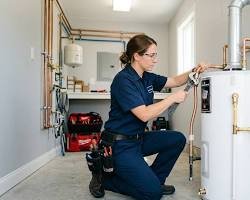
At its core, a hot water system is a closed-loop thermal exchanger. Whether you rely on a traditional tank water heater or a tankless high-efficiency unit, cold water enters the system, passes through a heating element or gas burner, and is distributed to your fixtures. When you experience a total outage, it typically means one of three things: the energy source has failed (gas valve, pilot light, or electrical breaker), the internal heating mechanism is compromised (heating elements or anode rods), or safety controls (thermal cutoffs and pressure relief valves) have locked down the system to prevent a hazard.
Real-World Scenario: Imagine waking up on a brisk January morning in an older home near Dupont Circle. Your gas tank water heater is ten years old. Sediment buildup at the bottom of the tank has created a thermal barrier between the burner and the water. The burner struggles, overheats, and trips the high-limit switch, leaving you shivering. Decoding this mechanism requires understanding both fluid dynamics and electrical or gas safety protocols.
Root Causes: Why This Problem Occurs in District Homes
District of Columbia homes present a unique mix of architectural history and environmental factors that directly impact water heater longevity and performance:
-
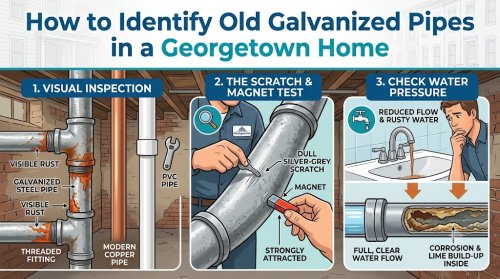
Aging Infrastructure & Historical Piping: Many homes feature legacy galvanized steel or mixed-metal configurations that accelerate galvanic corrosion and clog internal system valves.
-
Hard Water & Mineral Scaling: While the District's municipal water is treated, mineral content can cause rapid calcification and scale buildup on heating elements and tank bottoms.
-
Municipal Water Pressure Fluctuations: Pressure surges from aging city water mains can stress expansion tanks and internal water heater gaskets over time.
-
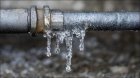
Seasonal Temperature Swings: Freezing winter temperatures force water heaters to work twice as hard to reach desired output temperatures, putting older units under extreme thermal shock.
-
Component Wear & Anode Rod Depletion: Sacrificial anode rods dissolve over time. Once completely depleted, the water aggressively attacks the steel tank walls, leading to leaks and total failure.
Critical Warning Signs: When Your System is Sounding the Alarm
Before a water heater completely quits, it usually communicates its distress through subtle indicators that property owners should never ignore:
-
Auditory Clues: Rumbling, popping, or banging noises from the tank indicate heavy sediment boiling at the bottom. Whistling or hissing points to pressure issues or restricted valves.
-
Olfactory & Visual Indicators: Discolored, rusty, or metallic-smelling water points to internal tank corrosion. Puddles or damp patches around the base signal micro-fractures or failing connections.
-
Inconsistent Temperature: If your hot water runs out halfway through a shower or fluctuates wildly between scorching and freezing, the dip tube or thermostat is likely failing.
Delaying intervention turns a minor thermostat replacement into an expensive total system replacement or structural water damage remediation project.
Professional Diagnostic & Repair Workflow
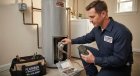
When you call a licensed professional for hot water restoration, they follow a rigorous, step-by-step diagnostic framework:
-
Non-Invasive Triage & Safety Isolation: The technician immediately shuts off the electrical power supply or gas line to ensure a safe working environment.
-
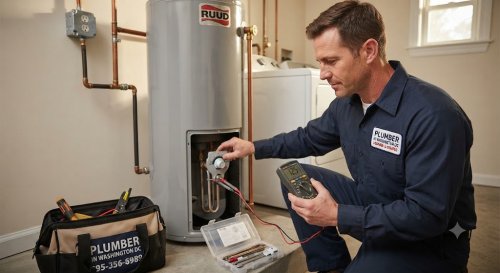
Precision Diagnostic & Multimeter Testing: Technicians test thermostats, upper and lower heating elements, thermocouples, and gas control valves using calibrated digital multimeters.
-
Transparent, Upfront Options & Written Estimating: You receive a clear, flat-rate pricing breakdown detailing whether a repair (like replacing an element or gas valve) or a complete replacement makes the most economic sense.
-
Code-Compliant Remediation: The faulty components are replaced using high-grade manufacturer parts, ensuring strict adherence to District plumbing and electrical codes.
-
Pressure Testing & Thermal Verification: The system is repressurized, checked for leaks, and run through a full thermal cycle to guarantee reliable hot water delivery before cleanup.
Advanced Diagnostics: The Professional Tool Arsenal
Professional plumbing technicians rely on sophisticated diagnostic equipment to eliminate guesswork and pinpoint exact failure points:
-
Digital Multimeters & Manometers: Used to measure precise electrical resistance in heating elements and gas pressure delivery to burners.
-
Thermal Imaging Cameras: Allow technicians to scan insulated tanks and piping networks to identify hidden internal blockages or heat loss anomalies.
-
Electronic Leak Detectors & Moisture Meters: Ensure surrounding subflooring and drywall remain structurally sound during a failure event.
-
Pipe Locators & Pressure Testing Gauges: Verify that building supply pressure is within safe operating parameters for new equipment.
DIY Reality Check: What You Can Safely Fix vs. When to Step Back
-
Safe Homeowner Actions: You can safely check if the circuit breaker has tripped, ensure the pilot light is lit (on older gas units), or adjust the external temperature dial between 120°F and 140°F.
-
The Danger Zone: Never attempt to repair electrical wiring on 240V water heater elements, tamper with gas supply lines, or bypass temperature and pressure (T&P) relief valves. Doing so risks electrocution, gas leaks, severe scalding, or code violations.
-
When to Call a Pro: If resetting the breaker or relighting the pilot fails instantly, or if water is actively leaking from the tank body, drop the wrench and call a licensed specialist immediately.
Financial Breakdown: Cost Factors & Investment Realities
Understanding the financial structure of hot water repairs helps you budget effectively for unexpected household emergencies:
-
Diagnostic & Dispatch Fees: Standard service call fees cover the technician's travel, initial safety check, and expert diagnosis.
-
Repair vs. Replacement Parts: Minor repairs (thermostats, relief valves, or elements) generally range from modest parts-and-labor costs, whereas full tank replacements involve unit disposal, new expansion tanks, and code updates.
-
Equipment Tier & Energy Source: Upgrading from a standard electric tank to a high-efficiency tankless gas unit involves higher initial equipment costs offset by long-term energy savings.
-
Permitting & Code Compliance: District regulations often require updated thermal expansion tanks and drain pans during full replacements to pass local inspections.
Unique Expert Insights: Hard Truths Homeowners Learn Too Late
-
Patch Kits are Temporary Traps: Using epoxy or tape to stop a leaking water heater tank only masks structural failure and voids home insurance policies if a rupture occurs.
-
Chemical Cleaners Cause Internal Damage: Pouring harsh store-bought chemicals into clogged fixtures or lines can corrode pipe walls from the inside out, leading to pinhole leaks.
-
Unlicensed Handymen Create Liabilities: Hiring unvetted labor often leads to improper venting or wiring violations that fail during real estate home sales inspections.
-
Preventive Maintenance Saves Money: Annual tank flushing costs a fraction of an emergency midnight water extraction and drywall repair.
-
The 10-Year Rule: If your water heater is over 10 to 12 years old, pouring money into repeated repairs is financially counterproductive compared to a modern replacement.
Comprehensive Home Plumbing Maintenance Framework
Keep your plumbing and hot water systems running smoothly year-round with this seasonal maintenance framework:
-
Spring & Summer Checks:
-
Test your sump pump and check outdoor hose bibs for winter cracking.
-
Inspect basement grading and window wells to ensure proper exterior drainage.
-
-
Fall & Winter Preparation:
-
Flush your water heater tank annually to remove sediment buildup.
-
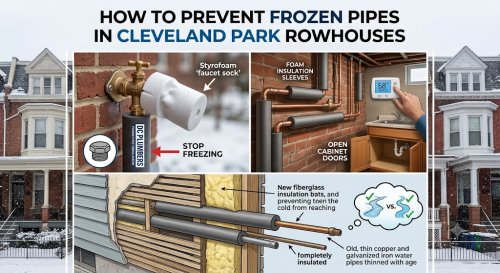
Insulate exposed water supply pipes in unheated crawlspaces and garages.
-
-
Year-In, Year-Out Habits:
-
Clean sink aerators and showerhead sediment screens regularly.
-
Test your Pressure Reducing Valve (PRV) annually to keep home water pressure below 80 PSI.
-
Avoid pouring grease or harsh chemical drain cleaners down household drains.
-
Emergency Protocol: When Immediate Dispatch is Non-Negotiable
Some plumbing situations cannot wait until morning. Call a 24/7 emergency service provider immediately if you experience:
-
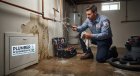
Active structural flooding from a ruptured water heater tank.
-
Strong gas odors accompanying a malfunctioning water heater burner.
-
Total loss of potable water supply combined with electrical sparking near appliances.
-
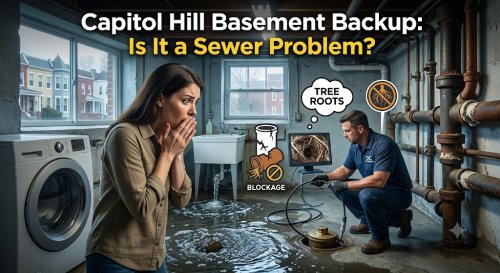
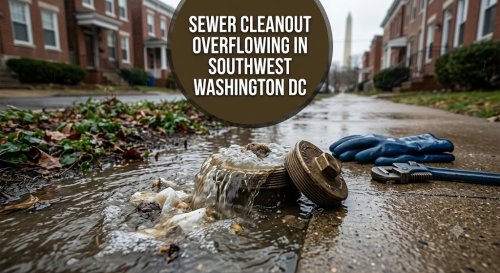
Major sewer backups overflowing into primary living spaces.
Frequently Asked Questions (FAQs)
Why does my water heater make a loud rumbling noise?
Rumbling happens when heavy mineral sediment settles at the bottom of the tank and boils. Flushing the tank annually resolves this issue.
How long does a typical water heater last in Washington, DC?
Traditional tank models typically last between 8 to 12 years, while tankless units can last 15 to 20 years with proper maintenance.
Should I repair or replace my 12-year-old water heater?
Given that typical units have a lifespan of 10-12 years, investing in a replacement is safer and more cost-effective than repairing an aging tank.
Can I install a tankless water heater myself?
No. Tankless installations require specialized gas line sizing, dedicated electrical circuits, and precise venting configurations that require a licensed professional.
Why is my water lukewarm instead of hot?
This is usually caused by a failed upper heating element, a broken dip tube, or a malfunctioning thermostat.
Is hard water damaging my water heater?
Yes. Mineral scaling acts as an insulator, forcing the system to work harder and wear out components prematurely.
What temperature should my water heater be set to?
The EPA and plumbing professionals recommend setting your water heater to 120°F to balance comfort, energy efficiency, and scalding prevention.
What should I do if my water heater starts leaking from the top?
Turn off the cold water supply valve above the unit and call an emergency plumber; top leaks are often failing inlet/outlet nipples or pressure valves.
Why Washington, DC Homeowners Trust Us
Choosing the right plumbing partner ensures peace of mind when emergencies strike. Local homeowners rely on our team for:
-
Fully licensed, insured, and background-checked technicians who respect your home.
-
Upfront, flat-rate pricing with zero hidden overtime surprises.
-
State-of-the-art diagnostic equipment for fast, accurate repairs.
-
Deep local expertise serving neighborhoods throughout Washington, DC, and surrounding areas.
-
Robust customer-first warranties and satisfaction guarantees on every job.