Emergency Plumber in Washington DC | 24/7 Response
Facing a plumbing emergency in Washington, DC? Learn when to call 24/7 emergency plumbers, warning signs, burst pipe steps, and fast local service.
When Should You Call an Emergency Plumber in Washington, DC?
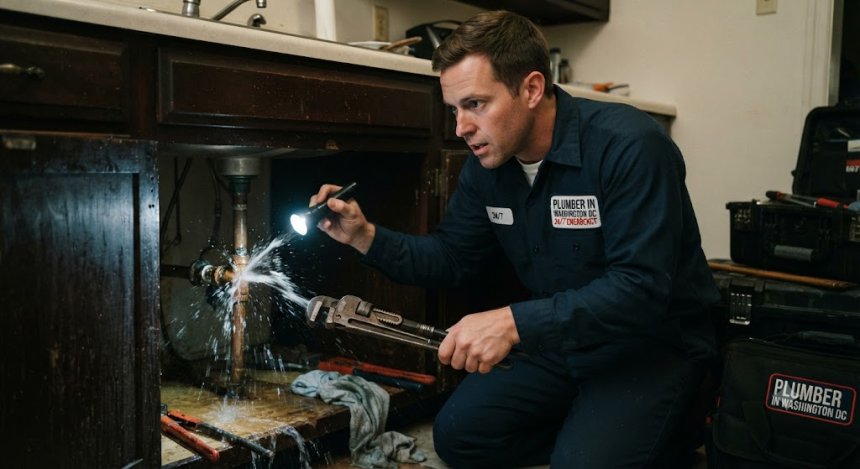
Plumbing disasters rarely happen during convenient business hours. Whether you live in a historic row house on Capitol Hill, a classic brownstone in Dupont Circle, or a modern condominium in Navy Yard, a sudden plumbing failure can instantly turn your day upside down.
When is it a true plumbing crisis, and when can a repair safely wait until morning? Homeowners and business owners across Washington, DC, Arlington, Silver Spring, and surrounding District neighborhoods frequently search for this answer when facing unexpected water damage. Knowing when to call an emergency plumber prevents minor inconveniences from escalating into catastrophic property loss, structural rotting, or major health hazards.
What Is an Emergency Plumbing Situation?
An emergency plumbing situation refers to any sudden, severe plumbing failure that poses an immediate threat to human health, safety, property integrity, or the continuous habitability of a home or business.
Common Situations and Symptoms
-
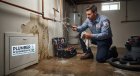
Uncontrollable Water Flow: A supply line bursting or a water heater tank rupturing, flooding floors rapidly.
-
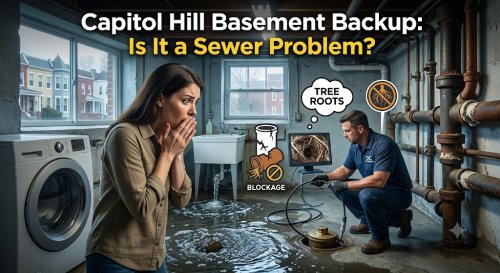
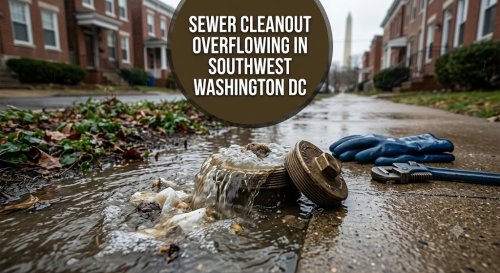
Raw Sewage Backing Up: Wastewater bubbling up through floor drains, showers, or toilets, creating a biohazard.
-
Total Loss of Water: Having zero water supply across all fixtures, impacting basic sanitation and cooking.
-
Gas Leaks or Odors: Smelling sulfur or gas near a water heater or appliance connection.
Why Does This Plumbing Problem Happen?
Emergency plumbing failures are triggered by a combination of material fatigue, extreme weather shifts, and urban infrastructure strains unique to the Washington, DC area:
-
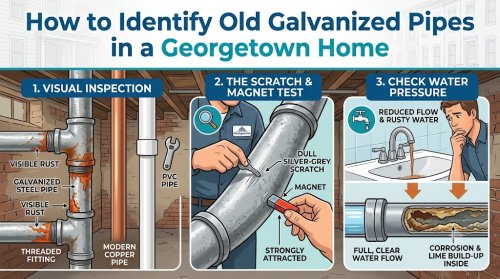
Aging Infrastructure: Many historic DC properties feature aging cast-iron, galvanized steel, or clay pipes that become brittle and fracture over time.
-
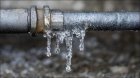
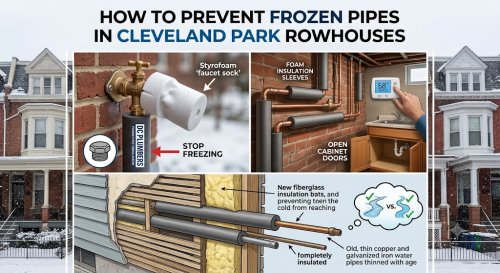
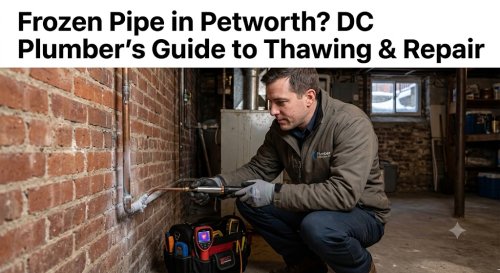
Severe Seasonal Freezing: Winter cold snaps in the Mid-Atlantic freeze uninsulated pipes in basements, crawlspaces, and exterior walls, causing them to burst upon thawing.
-
Corrosion and Hard Water: Mineral-heavy water wears down pipe interiors and appliance valves, creating unexpected structural vulnerabilities.
-
Tree Root Infiltration: Mature trees lining District streets infiltrate aging underground sewer lines, causing complete blockages and backups.
-
High Water Pressure: Municipal water pressures can fluctuate, straining older joints, washers, and connectors until they snap.
-
Poor Prior Maintenance: Neglected system wear, ignored minor leaks, or unpermitted DIY repairs that fail under pressure.
Signs You Should Never Ignore
Spotting early warning signs can help you address issues before they morph into late-night emergencies:
-
Water Stains: Discolored, damp spots on ceilings or walls indicate slow leaks that can suddenly rupture.
-
Slow Drains: Multiple sluggish fixtures point toward a failing main sewer line.
-
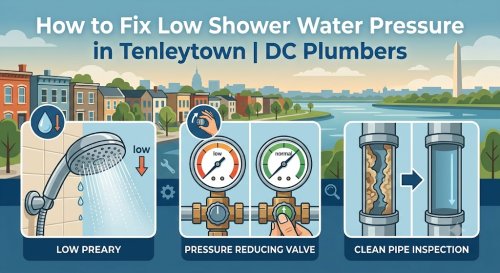
Low Water Pressure: A sudden drop across your entire home signals a major supply leak or failing pressure regulator.
-
High Water Bills: Unexplained spikes in municipal utility bills often reveal hidden leaks.
-
Foul Smells: Persistent sewer gas odors indicate broken vent stacks or dry P-traps.
Common Plumbing Problems Related to This Issue
Emergency situations often trigger or tie directly into broader structural and system failures:
-
Burst Pipes: High-pressure ruptures that flood living areas within minutes.
-
Sewer Backups: Contaminated waste overwhelming indoor drainage systems.
-
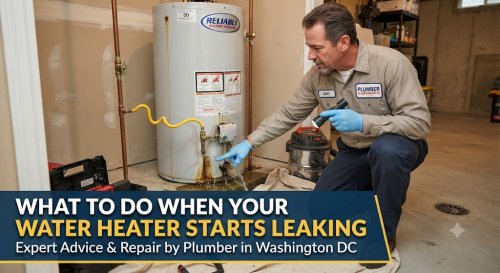
Water Heater Failures: Rusted tanks collapsing and releasing dozens of gallons of hot water.
-
Slab Leaks: Underground pipe fractures undermining building foundations.
Step-by-Step Professional Repair Process
When you contact Plumber in Washington DC for an emergency dispatch, our licensed experts follow a precise, efficient protocol:
-
Step 1: Rapid Dispatch & Safety Assessment: We arrive promptly, locate your main water or gas shut-offs, and secure the area to stop active damage.
-
Step 2: Diagnostic Evaluation: We identify the exact root cause of the failure using advanced visual and technical tools.
-
Step 3: Transparent Emergency Estimate: We explain the required repair options clearly and provide upfront pricing before starting work.
-
Step 4: Precision Emergency Repair: Our licensed technicians execute professional-grade repairs or replacements using durable materials.
-
Step 5: System Testing: We pressure-test lines and run water cycles to verify complete restoration of function.
-
Step 6: Site Cleanup: We clean up any mess associated with the emergency work, leaving your space orderly.
-
Step 7: Preventative Guidance: We provide actionable advice to prevent future emergency recurrences.
Can You Fix It Yourself?
When an emergency strikes, homeowners often want to intervene immediately.
Safe DIY Solutions & Temporary Fixes
-
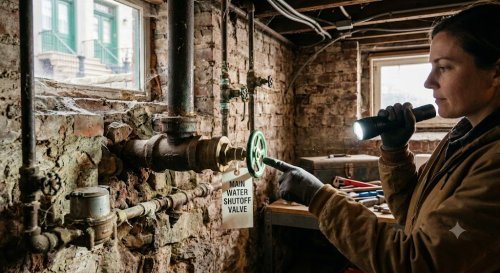
Shut Off the Main Water Valve: Instantly stopping the main water supply is the single best action a homeowner can take to limit flood damage.
-
Turn Off the Water Heater: If your water heater is leaking or failing, shut off its electrical breaker or gas supply valve.
-
Use Buckets and Towels: Contain minor fixture overflows or isolated leaks while waiting for professional help.
When DIY Becomes Dangerous and Professional Help is Necessary
-
Electrical Proximity: Attempting DIY plumbing repairs near standing water or exposed electrical wiring risks electrocution.
-
Main Sewer Line Clearances: Forcing rigid snakes into complex commercial or residential DC sewer stacks without proper training can puncture fragile old pipes.
Tools Professionals Use
Emergency plumbing requires advanced commercial-grade equipment for rapid diagnostics and repair:
-
Drain Inspection Cameras: High-definition fiber-optic cameras pinpoint internal pipe damage instantly.
-
Acoustic Leak Detectors: Electronic listening tools locate hidden pressurized leaks beneath floors and behind walls.
-
Hydro Jetting Units: High-pressure water blasters scour stubborn sewer blockages clean in minutes.
-
Pipe Locators and Pressure Gauges: Map underground lines and verify system integrity post-repair.
How Long Does The Repair Usually Take?
-
Emergency Main Shut-Off & Isolation: 15 to 30 minutes.
-
Burst Pipe Patch or Replacement: 1 to 3 hours.
-
Emergency Water Heater Replacement: 2 to 5 hours.
-
Major Sewer Line Excavation: 1 to 2 days depending on site conditions.
Cost Factors
-
Severity of the Emergency: A minor valve fix versus a major structural sewer collapse.
-
Accessibility: Pipes hidden behind historic plaster walls or beneath concrete slabs.
-
Emergency Dispatch Timing: After-hours, weekend, or holiday service calls involve differential emergency labor rates.
-
Materials and Permits: Specialized parts or municipal DC permits required for emergency utility repairs.
Note: Plumbing repair costs vary depending on the severity of the problem, accessibility, materials required, emergency service, property type, and local labor rates.
Hidden Truths Homeowners Should Know
-
Small Leaks Become Expensive Repairs: Ignoring a minor drip under a sink leads to rotting subfloors and mold.
-
Cheap Temporary Fixes Fail: Duct tape or rubber patches on high-pressure lines always burst eventually.
-
Insurance Gaps: Standard insurance policies often deny claims resulting from neglected, long-term plumbing maintenance.
-
Hard Water Damage: Mineral-heavy water shortens the lifespan of fixtures and appliances.
-
DIY Mistakes Multiply Costs: Incorrect fixes compound structural water damage.
-
Annual Maintenance Saves Money: Regular inspections prevent midnight emergency calls.
15 Common Mistakes Homeowners Make
-
Ignoring Early Warning Signs: Waiting until a slow drain becomes a complete sewage backup.
-
Relying on Chemical Cleaners: Pouring harsh acids down compromised or vintage DC pipes.
-
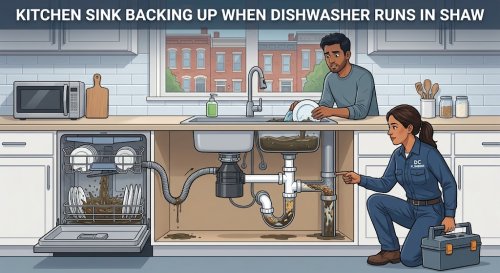
Flushing Flushable Wipes: Treating old sewer laterals like paper trash cans.
-
Pouring Grease Down Drains: Solidifying cooking fats in kitchen lines.
-
Ignoring Water Pressure: Operating home systems above 80 PSI without a regulator.
-
Hiring Unlicensed Handymen: Using uninsured workers for complex emergency repairs.
-
Skipping Routine Maintenance: Failing to service water heaters and main valves yearly.
-
Waiting Until Total Failure: Delaying service calls for active leaks.
-
Using Mismatched Pipe Materials: Creating galvanic corrosion paths with incompatible metals.
-
Overtightening Fittings: Cracking antique brass fixtures with excessive wrench force.
-
Disregarding Running Toilets: Ignoring phantom flapper leaks that inflate utility bills.
-
Forgetting Main Valve Location: Panicking during a flood because nobody knows where the shut-off is.
-
Ignoring Basement Dampness: Assuming musty odors in historic row houses are normal.
-
Overloading Disposals: Stuffing fibrous waste down residential sink units.
-
Neglecting Outdoor Hose Bibs: Failing to winterize exterior faucets before freezing weather.
Maintenance Tips
-
Locate Your Main Valve: Tag your main water shut-off so all household members can find it instantly.
-
Inspect Appliances Regularly: Check washing machine hoses and water heater connections twice a year.
-
Test Toilet Flappers: Check for silent leaks annually using food coloring tests.
-
Insulate Exposed Pipes: Protect pipes in unheated basements and crawlspaces before winter freezes.
-
Watch What You Flush: Only human waste and toilet paper should go down toilets.
-
Schedule Annual Audits: Partner with a licensed professional for yearly plumbing health checks.
-
Install a Water Softener: Protect your plumbing network from aggressive mineral scaling.
-
Clear Outdoor Drains: Keep window wells and exterior stairwell drains free of leaves and debris.
When Should You Call an Emergency Plumber?
-
Burst Pipes: Active water flooding living spaces or basements.
-
Sewage Backups: Contaminated wastewater rising through indoor drains.
-
No Running Water: Total loss of water access across your property.
-
Overflowing Toilets: Unstoppable toilet bowls spilling onto flooring.
-
Major Gas Line Concerns: Sulfur odors or suspected gas leaks near appliances.
-
Severe Water Leaks: Uncontrollable spraying from supply lines or water heaters.
Frequently Asked Questions
Why is my water pressure suddenly low?
Sudden pressure drops usually result from a partially closed main valve, clogged aerators, or a hidden supply line leak.
How much does leak detection cost?
Costs vary based on acoustic or thermal equipment required and the accessibility of the leak zone.
Can a clogged drain damage pipes?
Yes. Severe blockages create hydraulic pressure that can crack older pipe joints.
Is hydro jetting safe for old pipes?
An experienced plumber checks pipes with a camera first; sound pipes handle it well, while degraded lines require trenchless repair.
How do I know if my sewer line is broken?
Signs include multiple slow drains, foul yard odors, gurgling toilets, and lush grass patches over the line.
How long do water heaters last?
Traditional tanks last 8 to 12 years; tankless models last 15 to 20 years.
Why does my faucet drip?
Worn washers, O-rings, or internal cartridge mineral scale cause persistent drips.
What causes pipes to burst?
Freezing winter weather causes trapped water to expand, rupturing pipe walls.
Can plumbing leaks increase my water bill?
Yes, hidden leaks waste thousands of gallons monthly, driving up utility costs.
When should I replace plumbing instead of repairing it?
Frequent leaks in aging galvanized or polybutylene pipes make a whole-home repipe more cost-effective than continuous spot repairs.