Emergency Plumber in Washington, DC: What to Do When Plumbing Problems Can't Wait
A plumbing emergency can turn a normal day into a costly problem within minutes. A burst pipe can release gallons of water into a home, a sewage backup can create a sanitation concern, and a failed water heater can leave a household or business without hot water. In Washington, DC, older buildings, aging plumbing systems, seasonal temperature changes, and heavily used fixtures can all contribute to unexpected plumbing failures.
Homeowners and business owners often search for an emergency plumber in Washington, DC because they need to know two things: what they can safely do right now and when professional help is necessary.
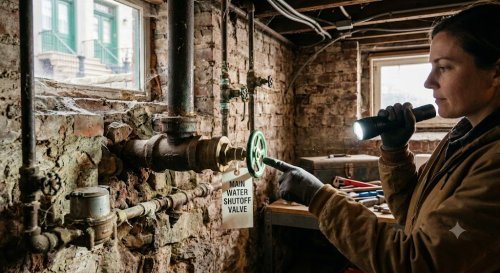
The first priority is always to limit damage. Shut off the nearest water supply or the main water valve if you can do so safely. For electrical hazards, flooding near electrical equipment, or suspected gas leaks, move away from the danger and contact the appropriate emergency service.
A professional plumber can then identify the source of the problem, determine whether a repair or replacement is appropriate, and help prevent the same issue from happening again.
What Is an Emergency Plumbing Problem?
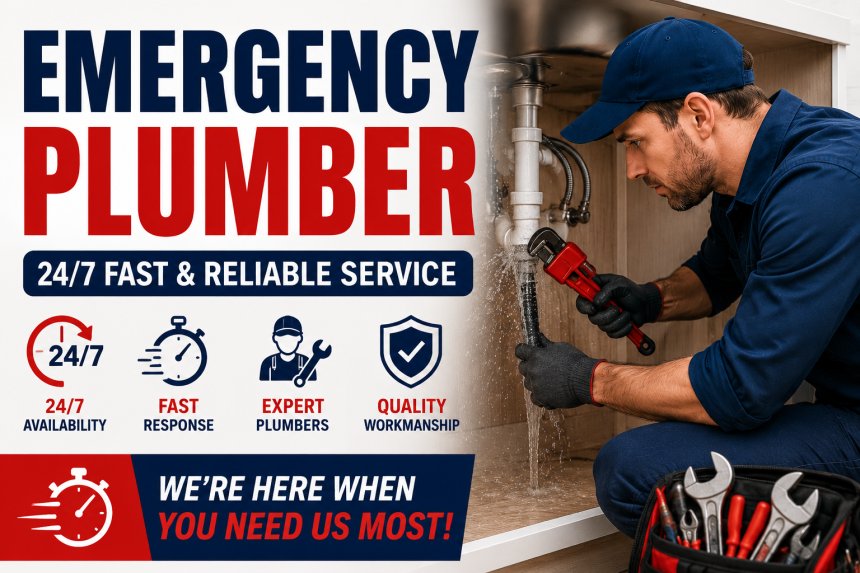
An emergency plumbing problem is a sudden plumbing failure that can cause significant property damage, create a health or sanitation concern, or prevent essential water service from working.
Not every dripping faucet requires an emergency response. However, the situation changes when water is spreading rapidly, sewage is entering the property, a pipe has burst, or you cannot stop a major leak.
Common examples include:
- Burst or severely leaking water pipes
- Major water leaks behind walls or ceilings
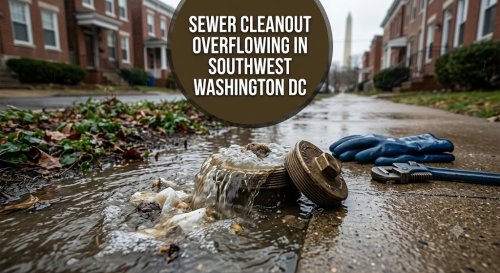
- Sewage backups
- Overflowing toilets that cannot be stopped
- No running water throughout the property
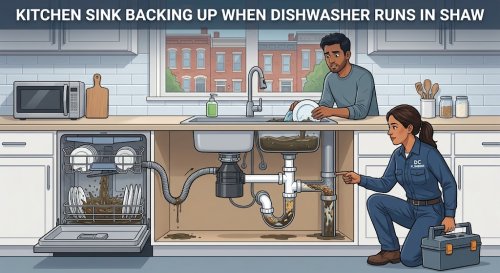
- Severe drain blockages causing wastewater to back up
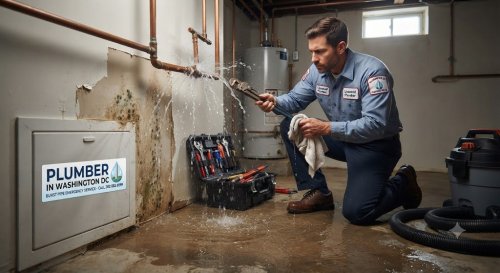
- Water heater failures involving significant leaking
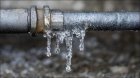
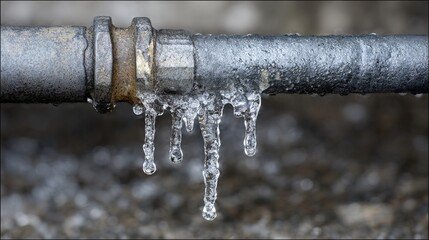
- Frozen pipes that have cracked or burst
- Major leaks around plumbing fixtures
- Suspected plumbing-related flooding
For example, a small leak under a kitchen sink may be manageable temporarily. A pipe inside the wall that suddenly releases water is a different situation because the water can damage drywall, flooring, cabinets, insulation, and electrical components.
Why Does an Emergency Plumbing Problem Happen?
Emergency failures rarely happen without a reason. Often, a small warning sign existed before the major failure.
Aging Pipes and Corrosion
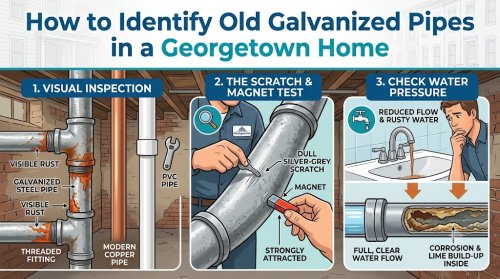
Older plumbing systems can develop corrosion, weak joints, cracks, or thinning pipe walls. A pipe may appear fine from the outside while becoming increasingly vulnerable internally.
High Water Pressure
Excessive water pressure places additional stress on pipes, valves, fixtures, and appliance connections. Over time, this can contribute to leaks and premature component failure.
Clogs and Sewer Backups
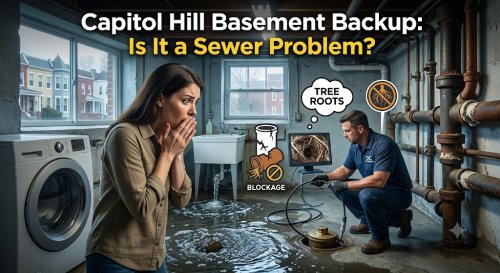
A drain that repeatedly slows down may have a deeper obstruction. Grease, hair, foreign objects, buildup, or tree roots can restrict drainage. If wastewater has nowhere to go, it may eventually back up into the property.
Tree Roots
Tree roots naturally seek water. They can enter small cracks or joints in underground sewer lines and gradually make the opening larger. Repeated backups may indicate a sewer-line problem rather than an ordinary household clog.
Frozen Pipes
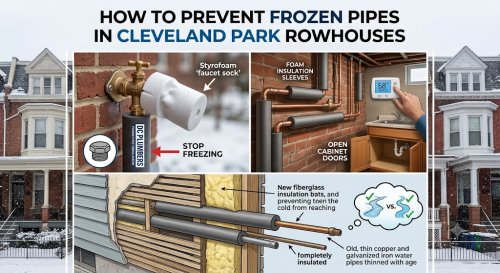
Although Washington, DC does not experience winter conditions like some northern states, freezing temperatures can still create problems. Water expands as it freezes, increasing pressure inside a closed pipe. Weak or exposed sections may crack.
Poor Installation or Maintenance
Incorrect fittings, unsuitable materials, poorly supported pipes, and neglected plumbing components can increase the chance of sudden failure.
Worn Fixtures
Old shutoff valves, toilet supply lines, faucet cartridges, water heater connections, and other components can eventually fail.
Signs You Should Never Ignore
Small plumbing symptoms can provide valuable warning before an emergency develops.
Water Stains
Brown, yellow, or spreading stains on ceilings and walls can indicate a hidden leak. Do not simply paint over the stain without finding its source.
Slow Drains
A consistently slow drain may indicate buildup or a developing blockage. Repeatedly treating the symptom without identifying the cause can allow the problem to worsen.
Low Water Pressure
Sudden or localized pressure loss can indicate a leak, blockage, valve problem, or other plumbing issue.
High Water Bills
An unexplained increase in water usage may indicate a hidden leak, especially when household or business water consumption has not changed.
Damp Walls or Floors
Unexpected moisture around walls, cabinets, floors, or ceilings deserves attention because hidden leaks can damage structural materials.
Mold Growth
Persistent moisture creates conditions where mold can develop. Finding mold near plumbing fixtures should prompt investigation of the moisture source.
Strange Plumbing Noises
Banging, rattling, whistling, or gurgling can indicate pressure problems, loose components, trapped air, or drainage issues.
Bad Smells
Sewer-like odors can indicate drainage, trap, vent, or sewer problems that should not be ignored.
Standing Water
Water accumulating around a fixture, basement, utility area, or floor drain may indicate a leak or drainage failure.
Discolored Water
Brown, yellow, or otherwise unusual water can be associated with pipe corrosion, sediment, or disturbances in the water system. If the change is persistent, investigate before continuing normal use.
Common Plumbing Problems Related to Emergencies
Emergency plumbing calls often involve one or more connected problems.
Pipe leaks: A failed connection or damaged pipe can release water quickly.
Drain clogs: Severe blockages can cause wastewater to back up.
Sewer backups: These require prompt attention because contaminated wastewater can create sanitation concerns.
Water heater failures: A leaking tank or failed connection can damage surrounding flooring and equipment.
Burst pipes: A burst supply pipe can release substantial amounts of water in a short time.
Slab or concealed leaks: Water escaping beneath floors or inside inaccessible areas can remain hidden until damage becomes noticeable.
Fixture failures: Toilets, faucets, valves, and supply lines can suddenly fail, particularly when components are old.
Step-by-Step Professional Emergency Plumbing Process
A qualified plumber will generally follow a systematic process rather than immediately replacing parts.
Step 1: Inspection
The plumber examines the visible plumbing system and looks for active leaks, damaged components, water pressure issues, drainage problems, and signs of concealed damage.
Step 2: Diagnosis
The goal is to determine the actual source of the problem. A visible puddle does not always indicate where the leak began.
Step 3: Estimate
The plumber should explain the recommended repair, necessary parts or equipment, and applicable labor or service charges before proceeding when practical.
Step 4: Repair
Depending on the diagnosis, the solution could involve repairing a fitting, clearing a drain, replacing a valve, repairing a pipe, or replacing a failed component.
Step 5: Testing
After the repair, the system should be tested for leaks, drainage, pressure, and proper operation.
Step 6: Cleanup
Water should be removed from affected areas where possible, and the work area should be left reasonably clean.
Step 7: Maintenance Advice
A good plumbing professional should explain what caused the failure and what you can do to reduce the chance of recurrence.
Can You Fix an Emergency Plumbing Problem Yourself?
Some immediate steps are safe and useful.
You can usually:
- Shut off the fixture's water supply.
- Turn off the main water supply during a major leak if you know where it is.
- Place a bucket beneath a manageable leak.
- Remove standing water when it is safe.
- Stop using a blocked fixture that is backing up.
- Document visible damage for your records or insurance company.
- Move valuables away from an affected area.
Temporary pipe repair products may sometimes reduce leakage until professional help arrives, but they should not be treated as permanent repairs.
DIY becomes risky when water is near electrical equipment, sewage is involved, a concealed pipe has failed, a sewer line may be damaged, or you cannot identify the source of the leak.
Avoid opening walls or floors simply to search for a leak unless you understand the risks. Unnecessary demolition can increase repair costs.
Tools Professional Plumbers Use
Modern plumbing equipment can make diagnosis more accurate and reduce unnecessary digging or demolition.
Drain Cameras
A small inspection camera can travel through a drain or sewer pipe to identify blockages, cracks, root intrusion, and other conditions.
Electronic Leak Detection
Specialized equipment can help locate hidden leaks that are difficult to see.
Hydro Jetting
Hydro jetting uses pressurized water to clean certain types of pipe buildup and blockages. A professional should first determine whether the pipe is suitable for this method.
Pipe Locators
These tools can help identify underground pipe locations before excavation.
Pressure Testing
Pressure testing can help determine whether a plumbing system or section of piping is losing pressure.
Pipe Inspection Cameras
Cameras provide visual information inside pipes and can help distinguish an ordinary clog from a damaged sewer line.
Trenchless Equipment
Where appropriate, trenchless methods can allow certain underground pipe repairs or replacements with less excavation than conventional digging.
How Long Does Emergency Plumbing Repair Take?
There is no reliable single timeframe for every emergency.
A simple repair, such as replacing an accessible valve or supply connection, may be completed relatively quickly once the correct part is available.
A moderate repair involving a concealed leak, difficult access, or extensive drain blockage can take longer.
Major repairs involving sewer lines, multiple damaged pipes, extensive water damage, or replacement work may require substantially more time.
Emergency repairs can also take longer when the problem occurs outside normal business hours, when specialized equipment is needed, or when replacement parts are not immediately available.
The best approach is to ask the plumber for an estimated repair timeframe after the problem has been inspected.
What Affects Emergency Plumbing Costs?
Avoid choosing a plumber based solely on a very low advertised price. Emergency plumbing costs vary depending on several factors.
These may include:
- Diagnostic or service fees
- Labor
- Replacement parts
- Pipe and fixture materials
- Emergency or after-hours service charges
- Specialized equipment
- Accessibility of the damaged plumbing
- Extent of water or structural damage
- Repair versus complete replacement
- Property type
- Local labor rates
- Permit costs, when applicable
Plumbing repair costs vary depending on the severity of the problem, accessibility, materials required, emergency service, property type, and local labor rates.
Ask what is included in the estimate and whether additional work requires your approval.
Hidden Truths Homeowners Should Know
Small Leaks Can Become Expensive Repairs
A slow leak can damage cabinets, flooring, drywall, insulation, and other materials over time.
Cheap Temporary Fixes Often Fail
Tape or improvised repairs may slow a leak but usually do not address the underlying problem.
Insurance May Not Cover Neglected Plumbing
Coverage depends on the policy and circumstances. Damage associated with long-term neglect may be treated differently from sudden accidental damage. Contact your insurance provider for policy-specific guidance.
Tree Roots Can Repeatedly Damage Sewer Lines
Clearing a blockage may solve the immediate symptom without permanently addressing damaged or root-infiltrated piping.
Hard Water Can Shorten Fixture Lifespan
Mineral deposits can accumulate inside fixtures and plumbing components, reducing efficiency and contributing to premature wear.
DIY Mistakes Can Increase Costs
Incorrect repairs can damage fittings, create leaks, or make professional diagnosis more difficult.
Delays Can Cause Structural Damage
Water can move behind walls and beneath flooring faster than many homeowners realize.
Hidden Leaks Increase Utility Bills
A leak that continues around the clock can waste a surprising amount of water.
Mold Can Develop Quickly
Persistent moisture should be addressed promptly, particularly in enclosed or poorly ventilated spaces.
Preventive Maintenance Saves Money
Regular inspection and maintenance can identify worn components before they fail during an emergency.
15 Common Plumbing Mistakes Homeowners Make
- Ignoring small leaks: Repair minor leaks before they become major failures.
- Using chemical drain cleaners repeatedly: Some chemicals can damage certain plumbing systems and do not solve underlying blockages.
- Flushing wipes: Even products marketed as flushable can contribute to sewer and drain problems.
- Pouring grease down drains: Grease can cool, solidify, and contribute to blockages.
- Ignoring pressure problems: Unusual pressure can signal a developing plumbing issue.
- Hiring an unqualified plumber: Verify licensing requirements and credentials applicable to your area.
- Skipping maintenance: Plumbing systems need periodic attention just like other parts of a property.
- Waiting for an emergency: Recurring symptoms often provide an opportunity to fix the issue earlier.
- Using incompatible pipe materials: Different plumbing materials require appropriate fittings and installation methods.
- Over-tightening fittings: Excessive force can damage threads, seals, or fixtures.
- Ignoring sewer odors: Persistent sewage smells should be investigated.
- Covering water stains: Paint does not repair the leak causing the stain.
- Continuing to use a backed-up drain: This can increase wastewater damage.
- Failing to locate the main shutoff: Every property owner should know where the main water valve is.
- Choosing solely by price: Consider qualifications, communication, scope of work, and reputation—not just the lowest quote.
Practical Plumbing Maintenance Tips
- Check visible pipes and connections periodically for moisture.
- Inspect under sinks for slow leaks.
- Know the location of your main water shutoff valve.
- Test fixture shutoff valves periodically where appropriate.
- Do not pour grease or cooking oil into drains.
- Use drain screens to catch hair and debris.
- Avoid flushing wipes and unsuitable materials.
- Pay attention to recurring slow drains.
- Monitor unexplained changes in water usage.
- Check water heater connections for signs of leakage.
- Keep plumbing areas accessible.
- Avoid hanging heavy objects from exposed pipes.
- Have recurring sewer problems professionally evaluated.
- Monitor unusually high water pressure.
- Insulate vulnerable exposed pipes before freezing weather.
- During cold weather, protect exposed plumbing from freezing temperatures.
- After severe winter weather, check exposed plumbing for damage.
- Check outdoor hose connections before and after cold weather.
- Address dripping faucets rather than allowing them to continue.
- Consider periodic professional plumbing inspections for older properties.
When Should You Call an Emergency Plumber?
Call for prompt professional plumbing assistance when you have a burst pipe, major uncontrolled leak, sewage backup, flooding, an overflowing toilet that cannot be stopped, or a complete loss of running water that may indicate a serious system problem.
A major leak should not be left running while you wait to see whether it stops. Shut off the water if it is safe and practical, then seek professional assistance.
Sewage backups deserve particular attention because wastewater can contain harmful contaminants. Avoid unnecessary contact and keep children and pets away from affected areas.
If you suspect a gas leak, do not attempt to repair the gas line yourself. Leave the area and contact the appropriate emergency service and a qualified professional who is authorized to perform the required gas-related work.
People Also Ask About Emergency Plumbing in Washington, DC
What should I do before an emergency plumber arrives?
Stop using the affected fixture, shut off the water supply if safe, remove valuables from the area, and document visible damage. Avoid electrical equipment in wet areas.
Why is my water pressure suddenly low?
Possible causes include a leak, partially closed valve, clogged fixture component, pressure-regulating issue, or problem affecting the property's water supply. A plumber can determine the actual cause.
Can a clogged drain damage pipes?
A clog itself does not always damage a pipe, but severe or recurring blockages can create drainage problems and may indicate an underlying pipe or sewer issue.
Is hydro jetting safe for old pipes?
It depends on the condition, material, and structural integrity of the pipe. A professional should inspect the system and determine whether hydro jetting is appropriate.
How do I know if my sewer line is broken?
Repeated sewer backups, persistent sewer odors, unusually slow drains throughout the property, or unusual wet areas outdoors can indicate a sewer-line problem. Professional inspection may be necessary.
How long do water heaters last?
Lifespan varies by water heater type, installation quality, water conditions, usage, and maintenance. A plumber can evaluate an aging unit and compare repair versus replacement.
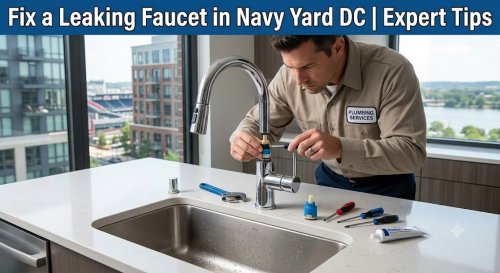
Why does my faucet keep dripping?
Common causes include worn cartridges, washers, seals, or valve components. Replacing the appropriate component can often stop the leak.
What causes pipes to burst?
Freezing, corrosion, excessive pressure, physical damage, weak joints, and deteriorated piping can all contribute to pipe failure.
Can plumbing leaks increase my water bill?
Yes. Even a hidden leak can waste water continuously and increase utility costs.
When should I replace plumbing instead of repairing it?
Replacement may make more sense when pipes or fixtures are extensively deteriorated, repairs are recurring, compatible replacement parts are difficult to obtain, or continued repairs are becoming less economical.
Voice Search Questions About Emergency Plumbers
Who should I call for a burst pipe in Washington, DC?
Start by shutting off the water if safe and contact a qualified emergency plumbing professional who can inspect and repair the damaged pipe.
How do I find an emergency plumber near me?
Look for a plumbing company serving your Washington, DC area, verify applicable licensing or credentials, confirm emergency availability, and ask about service fees before work begins.
What is considered a plumbing emergency?
A plumbing emergency generally involves uncontrolled water loss, significant property damage risk, sewage exposure, flooding, or loss of an essential plumbing service.
Can a plumber fix a water leak behind a wall?
Yes, a plumber can use inspection and leak-detection methods to locate the source. Access requirements depend on where the leak is located.
Why Consider plumberinwashingtondc?
When a plumbing emergency occurs, homeowners and businesses need clear communication and a practical repair plan. plumberinwashingtondc provides a dedicated local plumbing service website for customers looking for plumbing assistance in Washington, DC.
Before authorizing emergency work, ask the plumbing professional about the diagnosis, recommended repair, expected timeline, applicable service charges, and whether any permits or follow-up work may be required.
Customers can contact plumberinwashingtondc at 844-833-2093 or visit plumberinwashingtondc.com to discuss their plumbing needs.
Because plumbing emergencies vary considerably, the right solution should be based on an actual inspection rather than a generic promise. If water is actively causing damage, sewage is backing up, or a pipe has failed, prompt professional evaluation can help limit further problems.
Serving Washington, DC and Surrounding Areas
Emergency plumbing needs can occur in homes, apartments, offices, retail spaces, restaurants, and other properties throughout the District.
Service searches may include areas such as Capitol Hill, Georgetown, Dupont Circle, Adams Morgan, Columbia Heights, Shaw, Petworth, Cleveland Park, Brookland, and Navy Yard, as well as nearby communities in Montgomery County and Prince George's County, Maryland, and Arlington and Alexandria, Virginia, depending on the plumber's actual service area.
Always confirm service availability for your specific address before scheduling.
Final Thoughts
A plumbing emergency is easier to manage when you know what to do before the plumber arrives. Shut off water when appropriate, avoid unsafe DIY repairs, protect people and property from the affected area, and get professional help when the problem involves significant leaks, sewage, flooding, burst pipes, or hidden plumbing damage.
Just as importantly, do not ignore smaller warning signs. A dripping valve, recurring clog, unexplained water bill increase, or persistent sewer odor can be an early indication of a larger plumbing problem.
For emergency plumbing assistance in Washington, DC, contact plumberinwashingtondc at 844-833-2093 and discuss the situation with the plumbing professional before proceeding with repairs.