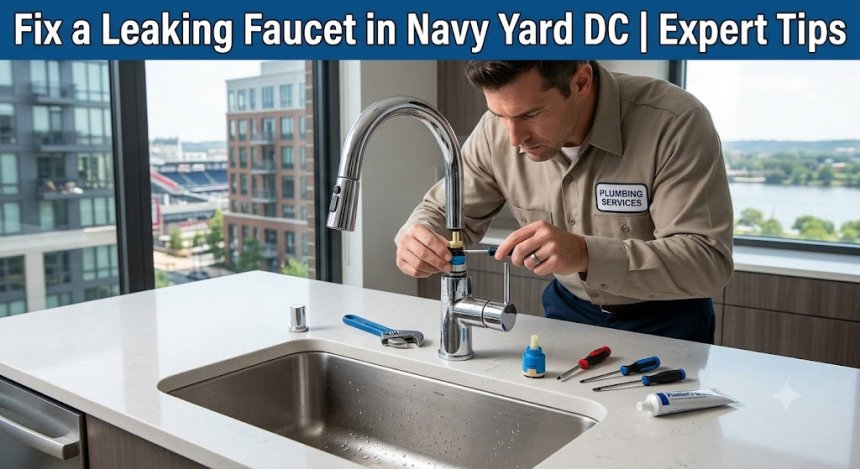
Fix a Leaking Faucet in Navy Yard DC | Expert Tips
Dealing with a dripping tap in Navy Yard DC? Learn top causes, simple fixes, and when to call a pro plumber to save money on water bills.

How to Fix a Leaking Faucet in Navy Yard, Washington DC
That persistent drip... drip... drip from a bathroom or kitchen sink is one of the most common plumbing annoyances in Washington, DC. Whether you live in a modern high-rise condo along Tingey Street, a luxury apartment near Nationals Park, or a renovated industrial property near the Capitol Riverfront, a leaking faucet can quickly turn from a minor nuisance into an expensive problem.
In Navy Yard's fast-growing neighborhood, many properties feature sleek, high-end fixtures that require specific repair techniques. Ignoring a steady drip doesn't just waste thousands of gallons of treated DC water every year—it can also ruin custom cabinetry, cause subfloor mold, and trigger costly water damage claims in multi-unit buildings.
This guide explains why faucets leak, how to handle basic troubleshooting, and what to expect when hiring a licensed local plumber to resolve the issue permanently.
What Is a Leaking Faucet?
A leaking faucet occurs when internal seals, valves, cartridges, or washers inside a tap mechanism fail to completely stop the pressurized flow of water when turned off.
Definition & Mechanism
Modern faucets operate under constant municipal water pressure. When you turn the handle off, internal components create a watertight barrier. If any part of that barrier degrades, corrodes, or shifts out of alignment, water seeps through, manifesting as a steady drip from the spout or a pooling puddle around the handle base.
Common Symptoms in Navy Yard Properties
-
Spout Drips: Water steadily dripping into the basin even when the handle is tightly closed.
-
Base Leaks: Puddles forming around the fixture base on top of the quartz or granite countertop whenever the tap runs.
-
Under-Sink Moisture: Water dripping down supply lines and pooling inside dark cabinet bottoms.
-
Sprayer Head Seepage: Pull-down or pull-out kitchen sprayers leaking along the hose joint or nozzle face.
Why Does This Plumbing Problem Happen in Navy Yard, DC?
Faucet leaks happen for several distinct reasons, particularly in high-density urban settings like Navy Yard:
                  [High Municipal Water Pressure / Wear]
                                    │
                                    ▼
                [Internal Component Failure or Corrosion]
                                    │
      ┌─────────────────────────────┴─────────────────────────────┐
      ▼                                                           ▼
[O-Ring & Washer Degradation]                            [Cartridge / Disc Cracking]
      │                                                           │
      └─────────────────────────────┬─────────────────────────────┘
                                    ▼
                      [Persistent Drip or Under-Sink Leak]
1. High Water Pressure in Urban High-Rises
Many multi-story residential buildings in Navy Yard use booster pumps to maintain strong water pressure on upper floors. If your building's pressure-reducing valve (PRV) fluctuates or water pressure exceeds 60–80 PSI, delicate internal ceramic discs and rubber O-rings wear out far faster than normal.
2. Worn-Out O-Rings and Seals
With daily use, the rubber O-rings that seal the faucet stem dry out, harden, or crack. Once the rubber loses its elasticity, micro-gaps allow water to pass through every time water pressure spikes.
3. Damaged or Corroded Cartridges
Most modern fixtures installed in DC condos use cartridge or ceramic disc technology instead of traditional rubber washers. While durable, mineral deposits in municipal water can score these ceramic plates, creating hairline pathways for water leakage.
4. Mineral Buildup & Scale
Water supplied across Washington, DC contains dissolved minerals that gradually settle inside faucet spouts and aerators. This buildup restricts smooth water discharge, creating backpressure that forces water past internal seals and out around the handle stem.
5. Loose or Improperly Installed Components
Fast-paced construction or improper DIY repairs often lead to loose packing nuts, misaligned retaining clips, or cross-threaded supply lines under the sink.
Signs You Should Never Ignore
A dripping faucet is rarely a standalone issue. Paying attention to early red flags prevents major structural damage to your kitchen or bathroom:
| Warning Indicator | Potential Hidden Issue | Action Needed |
| Water pooling inside cabinets | Failed supply hose or loose packing nut | Turn off angle stop valve under sink immediately |
| Sudden spike in DC Water bill | Continuous hidden leak wasting hundreds of gallons | Perform full fixture inspection |
| Musty smell under sink | Wood rot or mold growth from lingering moisture | Dry area, sanitize, and fix leak source |
| Mineral crust around handles | Chronic slow seepage drying on fixture exterior | Replace internal O-rings or cartridge |
| Clicking or popping in pipes | Thermal expansion or excessive water pressure | Test home water pressure with a gauge |
Common Plumbing Problems Related to Faucet Leaks
A simple faucet leak often signals or triggers wider plumbing issues:
-
Cabinet Foundation Rot: Escaping water saturates particleboard or MDF vanities, causing swelling, structural collapse, and mold.
-
Angle Stop Valve Failure: The emergency shut-off valves under the sink can freeze or leak when turned after years of disuse.
-
Subfloor Seepage to Neighboring Units: In Navy Yard apartment complexes, unaddressed under-sink leaks often migrate through concrete slabs or subfloors, damaging ceiling drywalls below.
-
Corroded Supply Lines: Braided stainless steel flex lines age out over 5 to 10 years, bursting under pressure if subjected to constant vibration or chemical exposure.
Step-by-Step Professional Repair Process
When you hire plumber in Washington DC, our licensed technicians approach faucet repairs systematically to ensure a permanent fix:
[Step 1: On-Site Inspection & Water Isolation]
                         │
                         ▼
[Step 2: Diagnosis & Fixture Disassembly]
                         │
                         ▼
[Step 3: Upfront Estimate & Part Sourcing]
                         │
                         ▼
[Step 4: Component Replacement / Rebuilding]
                         │
                         ▼
[Step 5: Aerator & Valve Seat Flushing]
                         │
                         ▼
[Step 6: Pressure Testing & Leak Check]
                         │
                         ▼
[Step 7: Preventive Maintenance Review]
Step 1: Inspection & Water Shut-Off
We inspect the entire fixture, check under-sink connections with bright LED work lights, and safely isolate the water supply using the angle stop valves or main supply riser.
Step 2: Diagnosis & Fixture Identification
We determine whether your faucet is a compression, ball, cartridge, or ceramic-disc type (common Moen, Kohler, Delta, or Grohe models found in Navy Yard homes) and identify broken or worn components.
Step 3: Upfront Repair Estimate
Before picking up a wrench, we provide a clear, transparent cost estimate outlining required parts, labor, and repair vs. replacement options.
Step 4: Component Replacement
We disassemble the decorative trim, remove retaining clips or bonnet nuts, pull the worn cartridge or valve stem, and replace all seals with OEM-spec parts.
Step 5: Flushing & Reassembly
We flush mineral debris out of the valve body, clean the aerator, lubricate seals with food-grade silicone grease, and rebuild the unit carefully to avoid scratching custom finishes.
Step 6: Testing & Leak Checks
Water is restored gradually to verify zero pressure drops, smooth handle operation, and leak-free performance under full operating pressure.
Can You Fix It Yourself?
Many Navy Yard homeowners wonder if fixing a dripping faucet is a realistic weekend DIY project.
Safe DIY Steps
-
Cleaning the Aerator: Unscrewing the spout tip mesh, soaking it in white vinegar to dissolve mineral deposits, and rinsing it thoroughly.
-
Tightening Loose Handle Screws: Removing decorative handle caps to tighten loose set screws with an Allen wrench.
-
Inspecting Under-Sink Hose Connections: Hand-tightening loose plastic sprayer hose quick-connectors.
When DIY Becomes Risky
-
Stripping Brass Stems: Forcing seized bonnet nuts can snap internal plumbing lines inside the wall.
-
Installing Wrong Cartridges: Dozens of cartridge models look identical; installing the wrong size will cause major flooding when water is turned back on.
-
Damaging High-End Finishes: Using pipe wrenches without rubber pads permanently gouges matte black, brushed brass, or polished chrome fixtures.
Tools Professionals Use
A professional plumber arrives equipped with specialized tools that prevent damage and ensure accurate repairs:
-
Basin Wrenches: Long-handled pivot wrenches designed to reach tight mounting nuts behind deep sink basins.
-
Cartridge Pullers: Custom extraction tools that safely remove stuck or calcified brass and plastic cartridges without cracking valve bodies.
-
Digital Water Pressure Gauges: Direct-reading instruments to measure exact static household water pressure.
-
Thermal Imaging Cameras: Compact infrared scanners to detect hidden moisture spreading behind drywall or underneath vanity cabinets.
-
Seat Dressers & Cutters: Precision tools to re-smooth pitted brass valve seats on older compression faucets.
How Long Does the Repair Usually Take?
-
Standard Cartridge or Washer Replacement: 30 to 60 minutes.
-
Complex Multi-Handle or Designer Fixture Repair: 1 to 2 hours.
-
Full Faucet Replacement (Including New Supply Lines): 1.5 to 2.5 hours.
-
Emergency Under-Sink Valve Repair: 1 to 2 hours.
Cost Factors
Plumbing repair costs vary depending on the severity of the problem, accessibility, materials required, emergency service, property type, and local labor rates.
Key Elements Impacting Overall Cost
-
Type of Faucet: Standard single-handle models are cheaper to service than electronic touchless or imported designer fixtures.
-
Accessibility: Tight vanities or custom cabinetry with restricted access require more labor time.
-
Parts Sourcing: Readily available OEM parts vs. custom or back-ordered imported cartridges.
-
Repair vs. Replacement: Replacing internal seals is less expensive than replacing an entire damaged fixture.
Hidden Truths Homeowners Should Know
-
A slow drip wastes massive amounts of water: A faucet dripping once per second wastes over 3,000 gallons per year—enough for more than 180 showers.
-
Cheap universal repair kits often fail quickly: Off-brand rubber washers deteriorate rapidly under local DC water chemistry; always use manufacturer-original parts.
-
Condo associations enforce strict water damage liability: If a DIY repair fails in a Navy Yard condo and leaks into the unit below, the building owner is personally liable for repairs.
-
Water pressure over 80 PSI voids fixture warranties: Excessively high water pressure ruins internal ceramic seals instantly and invalidates manufacturer guarantees.
-
Ignoring small drips damages valve bodies: Over time, continuous water flow carves erosion grooves into the brass valve body, making future cartridge replacement impossible.
-
Annual maintenance protects fixture investments: Periodically exercising shut-off valves and flushing aerators doubles fixture lifespans.
15 Common Mistakes Homeowners Make
-
Ignoring Minor Drips: Letting slow leaks run for months until cabinets rot.
-
Using Pliers Directly on Decorative Finishes: Marring polished nickel or matte black coatings.
-
Over-Tightening Faucet Handles: Cracking delicate plastic stop tabs inside modern cartridges.
-
Forgetting to Shut Off Water Before Repair: Causing sudden localized room flooding when pulling cartridges.
-
Pouring Caustic Chemicals Down Drains to Clear Clogs: Damaging delicate stainless steel or brass sink drain tailpieces.
-
Using the Wrong Cartridge Model: Installing close-fitting parts that leak under high pressure.
-
Reusing Damaged Rubber Washers: Expecting worn seals to form watertight bonds.
-
Neglecting Under-Sink Shut-Off Valves: Leaving corroded angle stops untested until emergencies occur.
-
Stripping Threaded Connections: Cross-threading metal supply nuts onto brass stems.
-
Skipping Thread Sealant or PTFE Tape: Assembling threaded joints without proper waterproofing.
-
Over-Tightening Supply Lines: Snapping rubber gasket seals inside braided flex lines.
-
Leaving Aerators Clogged with Minerals: Forcing water past handle seals via backpressure.
-
Hiring Unlicensed Handymen: Working without insurance in multi-unit residential buildings.
-
Failing to Test Pressure After Repairs: Leaving underlying high-pressure conditions uncorrected.
-
Delaying Repairs Until Faucets Snap Off: Creating night-time water emergencies out of routine maintenance tasks.
Practical Maintenance Tips for Navy Yard Property Owners
Protect your kitchen and bathroom plumbing with these simple, daily and seasonal maintenance practices:
Routine Care Tips
-
Clean Aerators Quarterly: Soak aerator screens in warm white vinegar every 3 to 6 months to maintain smooth flow.
-
Avoid Hanging Heavy Items on Spouts: Never hang caddies or heavy towels on faucet necks or pull-down spray heads.
-
Wipe Down Base Rings: Keep the area around the fixture base dry to prevent standing water from eating away at plumber's putty seals.
-
Operate Angle Stops Periodically: Turn under-sink shut-off valves off and on twice a year to prevent mineral freezing.
-
Check Cabinet Bottoms Monthly: Store cleaning supplies in clear plastic totes under sinks so minor drips are immediately visible.
Long-Term Preventative Care
-
Test Household Water Pressure: Use an inexpensive screw-on pressure gauge on a hose bib or laundry hookup twice a year to ensure pressure stays between 45 and 65 PSI.
-
Replace Braided Supply Hoses Every 5 Years: Swap out aging flex lines before structural fatigue causes catastrophic bursts.
-
Use Food-Grade Silicone Grease: Lubricate replacement O-rings during DIY maintenance with safe, plumber-approved lubricant.
When Should You Call an Emergency Plumber?
Call an emergency plumbing service immediately if you encounter any of these scenarios:
-
Uncontrollable Water Flow: Water gushing from a snapped fixture stem or broken supply line that under-sink valves cannot stop.
-
Broken Angle Stop Valve: The shut-off valve under the cabinet breaks or strips while trying to turn off the leak.
-
Active Water Ingress to Lower Units: Moisture penetrating floor slabs or dripping into downstairs neighbors' ceilings.
-
Main Water Shut-Off Failure: Inability to isolate water supply to your unit during an active leak.
Frequently Asked Questions
Why is my kitchen faucet leaking from the handle base?
Base leaks are typically caused by a worn O-ring around the internal cartridge stem or a loose retaining nut holding the cartridge inside the valve body.
Can high water pressure cause my faucet to drip?
Yes. Excessive municipal water pressure forces water past internal seals and shortens the lifespan of ceramic disc cartridges.
How do I know if I need to replace or repair my leaking faucet?
If the faucet body is corroded, replacement parts are obsolete, or the internal brass casing is scored, replacing the entire fixture is more cost-effective than repairing it.
People Also Ask: What is the most common cause of a leaking faucet?
The single most common cause is a worn-out rubber O-ring or degraded ceramic cartridge inside the handle assembly.
Voice Search: Hey Google, why does my bathroom faucet keep dripping after I turn it off?
Dripping after shut-off usually indicates a damaged internal cartridge seal that can no longer hold back water pressure.
How much water does a dripping faucet waste per day?
A faucet dripping 30 times per minute wastes roughly 3 gallons of water per day, or nearly 1,000 gallons annually.
Is it hard to replace a faucet cartridge myself?
It requires turning off water supplies, removing handle trim, and using a puller tool. If stuck due to mineral scale, professional help avoids snapping the valve.
Can a leaking faucet cause mold under my sink?
Yes. Unaddressed under-sink leaks create damp, dark environments ideal for rapid mold and mildew growth within 24 to 48 hours.
Why does my faucet leak only when turned on?
Leaks occurring only during operation point to damaged spout O-rings or loose packing nuts rather than main valve seat failures.
Do I need to shut off the main water valve to repair a faucet?
Not usually. Most modern Navy Yard homes have individual shut-off valves (angle stops) located directly under the sink cabinet.
Why Choose Our Plumbing Company
When you need reliable, professional plumbing repairs in Navy Yard or across Washington, DC, plumber in Washington DC delivers fast, honest, and high-quality service tailored to local properties.
-
Experienced Licensed Plumbers: Our master technicians understand high-rise pressure dynamics and delicate luxury fixture lines.
-
Upfront Transparent Estimates: We provide clear, itemized pricing before starting any work—no hidden fees or surprises.
-
Fast Local Response: Operating directly in DC, we respond quickly to plumbing emergencies across Navy Yard, Capitol Hill, and Southwest Waterfront.
-
Guaranteed Workmanship: We back our repairs and fixture installations with solid warranties for total peace of mind.