24 Hour Plumber in Washington DC: Common Plumbing Emergencies
Learn what qualifies as a true plumbing emergency in Washington, DC, how to handle urgent failures safely, and what professionals check first.
Understanding Plumbing Emergencies in Washington, DC Properties
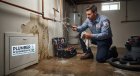
When a plumbing failure occurs outside normal business hours, knowing how to distinguish a true emergency from a manageable issue can prevent severe property damage. In Washington, DC, plumbing systems range from historic rowhouses with aging infrastructure to modern downtown condominiums and commercial properties. Because building styles and pipe materials vary wildly across the District, an emergency that threatens one home might present differently in another.
A true plumbing emergency generally involves active, uncontrolled water damage, a complete loss of essential sanitation facilities, or a public health hazard like raw sewage backing up into living spaces. Understanding what causes these failures, how to execute safe immediate damage control, and what professional diagnostics involve can help property owners navigate stressful situations calmly and effectively.
What Qualifies as a Critical Plumbing Failure?
Not every plumbing problem requires an immediate midnight service call. However, certain conditions demand rapid intervention to protect the structural integrity of a building and prevent thousands of dollars in water damage.
- Burst or Severely Split Pipes: Active, uncontrolled water gushing from a supply line.
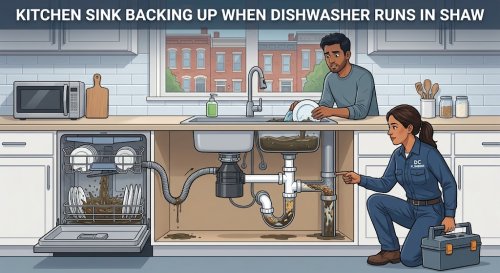
- Main Sewer Line Backups: Wastewater discharging from basement floor drains, toilets, or lower-level fixtures.
- Overflowing Toilets That Will Not Stop: A fixture that continues to flood despite shutting off the localized supply valve.
- Total Loss of Water Supply: A sudden absence of water across an entire property when municipal supply is active.
- Water Heater Tank Failures: A compromised tank actively discharging scalding water or flooding utility spaces.
Common Causes Behind Urgent Plumbing Disasters
Plumbing emergencies rarely happen without a physical trigger. Recognizing the root mechanical cause helps explain why temporary fixes often fail.
Freezing Temperatures and Winter Pressures
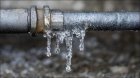
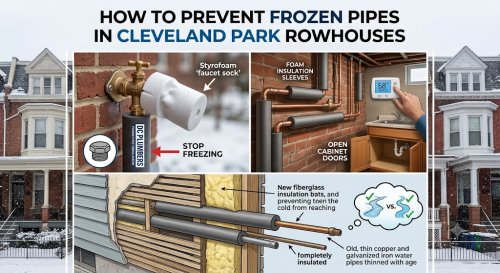
During prolonged freezing weather in the District, uninsulated pipes located in exterior walls, crawl spaces, or unheated basements are highly vulnerable. When water freezes inside a rigid copper or PEX pipe, it expands with immense force. The ice blockage creates high pressure between the frozen segment and closed fixtures, eventually splitting the pipe material. When temperatures rise and the ice thaws, water escapes rapidly through the fracture.
Aging Pipe Materials and Internal Corrosion
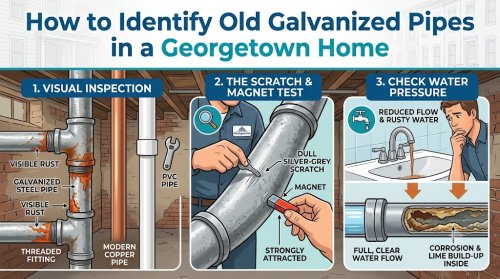
Older homes and rowhouses across Washington, DC, sometimes contain legacy piping materials such as galvanized steel or early-generation polybutylene. Over decades, internal mineral buildup restricts water flow, while external corrosion thins pipe walls. A sudden surge in municipal water pressure or routine thermal expansion can cause these weakened sections to rupture without warning.
Main Sewer Line Obstructions
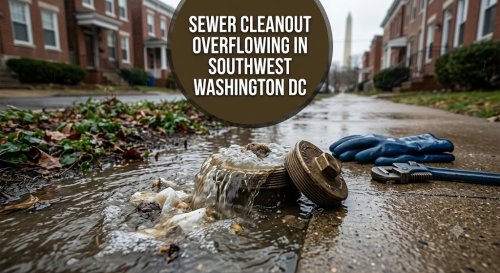
Main sewer lateral lines running from a building to the municipal connection can fail due to root intrusion, structural collapse, or accumulated debris like grease and wet wipes. When the main line is fully obstructed, wastewater from upper floors has nowhere to go when fixtures are used, resulting in severe backups at the lowest point in the drainage system—typically basement floor drains or lower-level bathrooms.
Safe Immediate Action: What Homeowners Can Do
When an emergency strikes, taking fast, correct action limits the extent of the damage. Panic often leads to wasted time. Follow these prioritized damage-control steps:
- Locate and Shut Off the Main Water Valve: Every Washington, DC property owner should know where their main water shutoff valve is located. In older rowhouses and properties with basements, this valve is often found where the main water supply line enters the foundation, frequently near the front wall. In some condos or apartments, individual unit shutoffs may be located near utility access panels or water heaters. Turning this valve clockwise stops water flow to the entire property instantly.
- Use Fixture-Level Shutoffs When Possible: If a leak is isolated to a single supply line beneath a sink or behind a toilet, turn the small oval or round stop valve clockwise to isolate that specific fixture without cutting water to the rest of the building.
- Safely Manage Electrical Hazards: If water is pooling near electrical outlets, appliances, or breaker panels, avoid standing in water. If safe to do so, shut off power to the affected area at the main electrical panel.
- Contain Active Leaks: Use buckets, towels, and wet-dry vacuums to capture escaping water and prevent it from soaking into structural subfloors, drywall, and ceilings.
What Property Owners Should NOT Attempt
Attempting complex plumbing repairs during an active emergency can worsen the situation or create serious safety hazards. Avoid the following actions:
- Do not use chemical drain cleaners when a main sewer line is backed up or when pipes are suspected of being frozen. These caustic chemicals can sit in standing water, splash back during use, or damage fragile older pipes.
- Do not attempt to thaw frozen pipes with open flames, torches, or high-heat industrial heat guns, as this creates an extreme fire hazard and can cause steam pressure to violently rupture the pipe.
- Do not cut into walls, ceilings, or concrete slabs without knowing what utilities are hidden behind them.
- Do not continue using plumbing fixtures if the drainage system is visibly backing up.
Professional Diagnostic and Repair Methods
When a 24-hour emergency plumber arrives, their first objective is stabilization, followed by accurate diagnosis. Professional diagnostics go beyond patching the visible symptom.
Acoustic and Thermal Leak Detection
For hidden leaks behind walls or beneath concrete basement floors, technicians utilize electronic listening devices and thermal imaging cameras to pinpoint escaping water without unnecessary demolition.
Sewer Camera Inspections
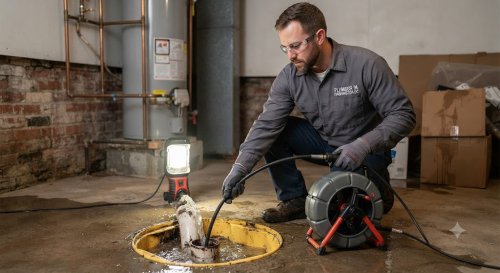
When dealing with recurring backups or mysterious drainage failures, a flexible waterproof camera is threaded into the sewer lateral. This visual inspection reveals root infiltration, structural offsets, grease clogs, or crushed pipe segments, ensuring the repair targets the exact structural defect.
Hydro Jetting and Mechanical Snaking
For severe clogs, high-pressure water jetting scours the interior walls of drain lines, removing scale, grease, and stubborn obstructions far more effectively than standard mechanical cables.
Factors That Influence Emergency Repair Scope and Cost
Emergency plumbing services involve variables that standard scheduled maintenance does not. Understanding these factors helps clarify why pricing varies between incidents:
- Timing and Accessibility: Middle-of-the-night dispatch, hazardous weather conditions, or difficult-to-reach pipe locations (such as beneath finished basement ceilings or deep underground) require specialized labor and equipment.
- Extent of Damage: A minor fixture supply line repair requires minimal materials, whereas excavating beneath a concrete floor to replace a collapsed sewer lateral involves significant civil work and restoration.
- Pipe Material Compatibility: Repairing modern PEX or copper differs significantly from working with vintage cast iron or threaded galvanized steel, which often requires special fittings and transitional couplings.
- Permits and Code Requirements: Major emergency replacements of water supply lines or sewer stacks may require local permits and subsequent inspections to verify compliance with District of Columbia plumbing codes. Always confirm regulatory requirements with the appropriate District authority or a licensed professional.
Frequently Asked Questions
How do I find my main water shutoff valve in an older Washington, DC home?
In older homes and rowhouses with basements, the main water shutoff valve is typically located on the front foundation wall where the municipal water service pipe enters the structure. It is usually situated just before or immediately after the water meter. In properties without basements, look in utility closets, crawl space entrances, or ground-level mechanical rooms.
Should I call the city or a private plumber if my basement floods during heavy rain?
If stormwater is entering through foundation walls or window wells, it is a building-envelope issue. However, if wastewater from toilets or floor drains is backing up into the basement, the issue involves the private sewer lateral or the municipal sewer connection. Property owners are generally responsible for the private sewer lateral running from the building to the property line, while public main lines are managed by municipal utility authorities. Verifying the exact point of blockage through camera inspection clarifies responsibility.
Are frozen pipes guaranteed to burst in winter?
Not every frozen pipe bursts, but every frozen pipe is at high risk. A burst occurs when expanding ice creates excessive internal pressure. If a pipe freezes, the safest action is to shut off the main water supply, open nearby faucets to relieve internal pressure, and allow the space to warm gradually while preparing for professional inspection.
What should I do if my water heater starts leaking uncontrollably at night?
Locate the cold water inlet valve situated at the top of the water heater and turn it clockwise to shut off incoming water. Next, turn off the power supply at the breaker panel (for electric units) or switch the gas control valve to the 'off' position (for gas units). Attach a garden hose to the tank drain valve to run excess water safely toward a floor drain if necessary, and call an emergency plumbing technician.
Why do multiple drains backup at the same time?
When multiple plumbing fixtures on different floors back up simultaneously, the issue is almost never a localized fixture clog. Instead, it indicates a blockage or structural failure in the main sanitary drain stack or the primary sewer lateral serving the entire property.
Is it safe to use chemical drain openers during an emergency backup?
No. Chemical drain openers are dangerous when standing water is present because they can splash onto skin and eyes. Furthermore, they do not resolve structural problems, root intrusions, or main sewer line collapses, and they can corrode older metal plumbing systems commonly found in historic properties.