Introduction
There are few things more frustrating than stepping into your shower after a grueling commute through the District, only to be greeted by a weak trickle of lukewarm water or a pool of standing water rising around your ankles. Shower plumbing repair in Washington DC is one of the most critical maintenance services homeowners face, yet it is frequently delayed until a minor annoyance turns into a catastrophic ceiling leak or subfloor rot.
Historic row houses across Capitol Hill, Dupont Circle, and Georgetown, alongside mid-century properties in Upper Northwest, share unique structural traits. Aging supply lines, fluctuating municipal water pressures, and decades of mineral buildup put immense strain on residential bathroom infrastructure. Recognizing the early indicators of failure protects your investment, prevents structural decay, and ensures your daily routine remains uninterrupted.
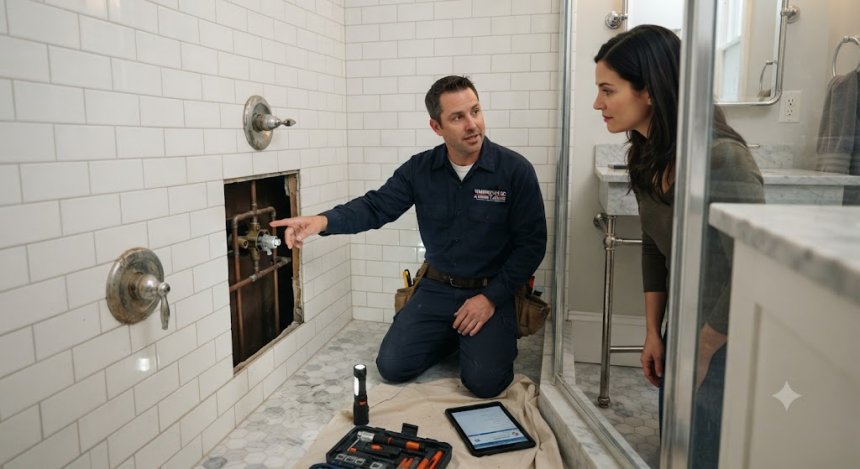
Unique Expert Insights: Hard Truths Homeowners Learn Too Late
Navigating bathroom repairs without industry experience often leads to costly missteps. Over 15 years in the field, master plumbers see the same preventable mistakes repeated across properties. Keeping these hard truths in mind saves you thousands of dollars:
-
Temporary patch kits mask deeper failures: Epoxies and rubber tape wrappers only hide symptoms while internal corrosion spreads, often voiding home insurance clauses for water damage.
-
Chemical drain cleaners destroy pipes: Liquid commercial openers generate intense heat that softens PVC and chemically eats away at aging cast iron or galvanized steel walls from the inside out.
-
Unlicensed handymen create hidden code violations: Improper slope adjustments, unvented shower traps, or makeshift mixing valves routinely fail municipal home inspections during real estate sales.
-
Preventive maintenance costs less than mitigation: Routine annual tune-ups cost a tiny fraction of a midnight emergency extraction, structural drying, and mold remediation.
-
Water pressure is a double-edged sword: High municipal pressure feels great in the showerhead, but anything consistently over 80 PSI will prematurely rupture cartridge valves and stress supply joints.
What Is Shower Plumbing Repair? Decoding the Mechanism
At its core, a shower plumbing system relies on a delicate balance of supply pressure, precise thermostatic mixing, and gravity-fed drainage.
When you turn the handle, hot and cold water travel through supply lines (typically copper or modern PEX) into a pressure-balancing valve. This valve blends the water to your desired temperature before sending it up to the showerhead or diverting it down to the tub spout. Once water goes down the drain, it flows through a trap—which blocks sewer gases from entering your home—and into the main sanitary drainage stack.
When this system fails, you might experience a cartridge breakdown causing a relentless drip, a failing diverter gate sending half your water into the tub, or a partial clog in the drain trap slowing evacuation. In historic Washington homes, these mechanisms often battle against shifting foundations and decades of scale accumulation, leading to sudden mechanical lockups or stubborn leaks.
Root Causes: Why This Problem Occurs in DC Homes
Residential plumbing challenges in the District are heavily influenced by local architecture, environmental factors, and municipal infrastructure:
-
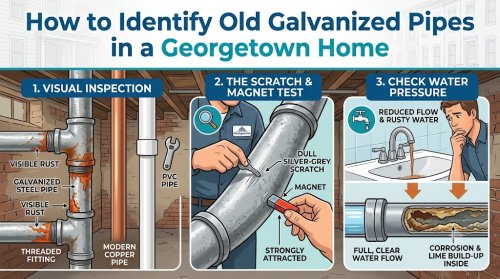
Aging Infrastructure & Historic Piping: Many homes built before the mid-20th century still feature aging galvanized steel or brittle cast-iron lines that are highly susceptible to internal rust tubercles and narrowing diameters.
-
Aggressive Hard Water: The mineral content supplied by regional water authorities introduces calcium and magnesium carbonates that calcify inside shower cartridges, aerators, and mixing valves, causing stiffness and flow restriction.
-
Municipal Pressure Spikes: DC Water manages an intricate network of elevation zones and aging mains. Pressure surges during off-peak hours can exceed safe residential thresholds, stressing bathroom supply joints.
-
Seasonal Temperature Swings & Ground Shifting: Expansive clay soils throughout the capital region experience severe freeze-thaw cycles. Ground movement puts stress on rigid underground and in-wall waste stacks, causing micro-fractures.
-
Material Fatigue: Daily thermal expansion and contraction cycles degrade rubber O-rings, washers, and plastic valve stems over years of continuous use.
Critical Warning Signs: When Your Home is Sounding the Alarm
Catching a bathroom issue early prevents structural disaster. Watch out for these sensory indicators:
-
Auditory Clues: Loud water hammering when shutting off the shower, a high-pitched whistling from the wall valve, or a rhythmic gurgling sound coming from the drain trap.
-
Olfactory Indicators: Persistent musty odors, damp earth smells, or subtle whiffs of sewer gas indicating a dry or cracked drain trap.
-
Visual & Structural Red Flags: Unexplained spikes on your monthly water bill, damp patches on ceilings directly below bathrooms, bubbling paint, or warped baseboards.
-
Cascading Risks: Ignoring these signs allows moisture to feed mold colonies within 24 to 48 hours, rotting structural framing and subfloor joists to the point of structural compromise.
Professional Diagnostic & Repair Workflow
Licensed professionals follow a systematic, non-guesswork approach to resolve shower malfunctions cleanly and efficiently:
-
Non-Invasive Triage & Safety Isolation: The technician locates and shuts down localized supply lines without disrupting the rest of the household, inspecting surrounding drywall for moisture saturation.
-
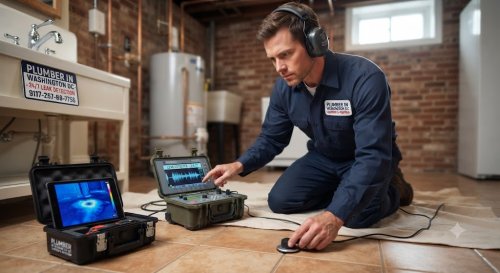
Precision Diagnostic & Digital Video Inspection: Using specialized scopes and acoustic listening devices, the plumber pinpoints whether the issue stems from a faulty valve cartridge, a cracked riser, or a blocked waste line.
-
Transparent, Upfront Options & Written Estimating: Before turning a single wrench, the plumber provides clear, flat-rate pricing options detailing repair versus replacement scenarios.
-
Code-Compliant Remediation & Part Replacement: The technician executes the repair using commercial-grade parts that meet or exceed International Plumbing Code (IPC) standards utilized in DC.
-
Pressure Testing, Flow Verification, & Cleanup: The system undergoes rigorous pressure tests to guarantee zero leaks, flow rates are calibrated, and the workspace is left immaculate.
Advanced Diagnostics: The Professional Tool Arsenal
Eliminating guesswork requires heavy-duty diagnostic gear that non-professionals rarely possess:
-
Electronic Acoustic & Thermal Leak Detectors: Pinpoint hidden behind-the-wall leaks by listening to frequency shifts in escaping water or tracking temperature variations.
-
Push-Rod High-Definition Drain Cameras: Navigate complex P-traps and sanitary tees to visually inspect root intrusion, pipe collapse, or heavy grease buildup.
-
Hydro-Jetting High-Pressure Units: Scour interior pipe walls clean of decades of scale and soap scum using controlled high-pressure water streams.
-
Digital Manometers: Accurately measure working water pressure to determine if a faulty Pressure Reducing Valve (PRV) is endangering your bathroom fixtures.
DIY Reality Check: What You Can Safely Fix vs. When to Step Back
Knowing your limits prevents minor plumbing glitches from turning into indoor swimming pools.
-
Safe Homeowner Actions: Replacing an external screw-on showerhead, clearing minor hair clogs from the visible strainer basket using a plastic zip-strip tool, or replacing a stuck tub spout slip-joint O-ring.
-
The Danger Zone: Attempting to unsweep copper shower valves with a torch in tight wall cavities, wrenching on corroded galvanized nipples that can snap inside the wall, or working near exposed electrical wiring for electric tankless shower units.
-
When to Call a Pro: If turning off the main water supply fails to stop a leak, if you encounter crumbling lead joints in historic piping, or if drywall must be cut away to access a mixing valve, drop the wrench and call a licensed specialist.
Financial Breakdown: Cost Factors & Investment Realities
Plumbing investments vary based on accessibility, component quality, and labor scope. Professional pricing reflects several core inputs:
-
Diagnostic & Dispatch Fees: Covers the travel time and specialized diagnostic expertise required to accurately identify hidden failure points.
-
Accessibility & Wall Openings: Replacing a cartridge inside an access-paneled wall is straightforward; cutting through custom tile or plaster to rebuild a back-of-wall mixing valve requires specialized restoration work.
-
Material Specifications: Upgrading from builder-grade plastic components to heavy-duty solid brass valves and cross-linked PEX piping carries different material costs but guarantees longevity.
-
Permitting & Code Requirements: Major sanitary stack replacements or full bathroom rough-ins in DC may require municipal permits to ensure structural compliance.
-
Repair vs. Total Replacement: While rebuilding a valve cartridge is inexpensive, replacing an entirely corroded shower pan and tile surround represents a major bathroom renovation investment.
Comprehensive Home Plumbing Maintenance Framework
Protecting your bathroom infrastructure requires a seasonal commitment to routine care:
-
Spring Checks: Inspect outdoor grading to ensure rainwater flows away from foundation walls, test the home's main shut-off valve for smooth operation, and check bathroom caulking for cracks.
-
Summer Checks: Monitor water pressure gauges to ensure municipal spikes aren't damaging fixtures, and clean mineral scale off showerheads using a vinegar soak.
-
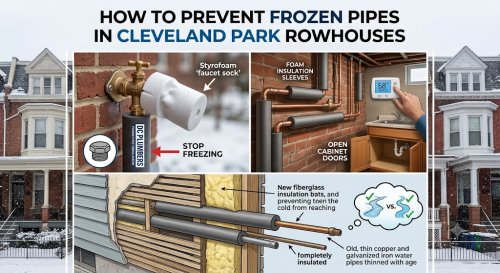
Fall Checks: Insulate any exposed supply lines running through exterior walls or unconditioned crawlspaces before freezing temperatures arrive.
-
Winter Checks: Keep garage-adjacent bathroom walls warm during severe cold snaps and run trickling water during historic freeze events if pipes are vulnerable.
-
Year-Round Habits: Always use mesh hair strainers in shower drains, avoid pouring grease or heavy oils down any bathroom sink or tub, and schedule annual professional plumbing inspections.
Emergency Protocol: When Immediate Dispatch is Non-Negotiable
Some plumbing scenarios cannot wait for normal business hours. Call for 24/7 emergency dispatch immediately if you experience:
-
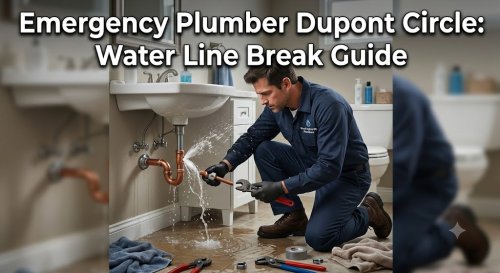
Catastrophic Pipe Bursts: Sudden joint failures spraying water directly into wall cavities or living spaces.
-
Active Ceiling Collapses: Showers leaking so heavily through upper floors that ceiling drywall begins to bulge or cave in.
-
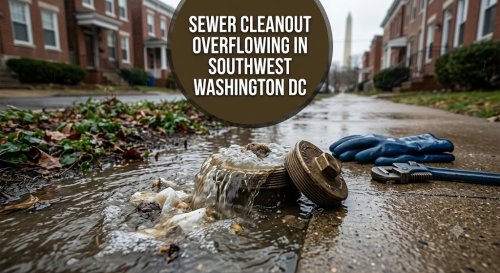
Main Sanitary Stack Backups: Sewage backing up through your shower drain, creating a biological hazard.
-
Complete Electrical Hazards: Water actively leaking into ceiling light fixtures, bathroom exhaust fans, or nearby electrical outlets.
Frequently Asked Questions (FAQs)
Why is my shower leaking behind the wall even when it is turned off?
This is typically caused by a worn-out pressure-balancing cartridge or degraded stem O-rings inside the mixing valve. When these rubber seals fail, water bypasses the closed gate and continuously leaks out of the showerhead or drips down inside the wall cavity.
Can hard water in Washington, DC ruin my shower valve?
Yes. DC water contains mineral deposits that form a chalky scale over time. This buildup binds the moving parts inside ceramic and brass cartridges, making handles stiff to turn and causing persistent drips.
How do I unclog a shower drain that won't respond to a plunger?
If a standard plunger fails, the clog is likely lodged deep in the P-trap or main branch line due to hair and soap scum accumulation. Avoid chemical drain cleaners, which damage pipes, and contact a professional to utilize a mechanical snake or mini-jetter.
Is low water pressure in the shower fixable without remodeling?
Often, yes. Low pressure is frequently caused by a clogged showerhead faceplate, a partially closed supply stop valve, or a failing Pressure Reducing Valve (PRV) on your main water line. A licensed plumber can test your PSI and isolate the restriction.
How often should shower valves be replaced?
High-quality brass shower mixing valves can last 20 to 25 years, but internal cartridges typically require replacement every 5 to 8 years depending on water hardness and daily usage volume.
What should I do if my shower handle spins endlessly without stopping?
This indicates that the stem broaching or the retaining clip inside the valve has sheared off or stripped. Shut off the water supply to the bathroom immediately to prevent an internal blowout and call a technician for a cartridge replacement.
Why does my shower drain make a gurgling sound when the toilet flushes?
Gurgling indicates a venting issue or a partial blockage in your sanitary drainage stack. When the toilet flushes, it pulls air through the shower P-trap, sucking the water seal down and allowing sewer gases to vent into your bathroom.
Can I upgrade my shower handle trim without replacing the valve behind the wall?
In many cases, yes, provided you stick with the exact same manufacturer brand (such as Moen, Delta, or Kohler). However, changing brands entirely requires tearing open the wall to replace the valve body itself.
Why Washington, DC Homeowners Trust Expert Local Plumbers
Maintaining historic and modern properties throughout the District requires specialized local expertise, transparent communication, and rigorous technical skill.
-
Fully Licensed & Insured: Every technician carries active master plumbing licenses, comprehensive liability coverage, and background checks for your complete peace of mind.
-
Upfront Flat-Rate Pricing: You receive exact, written pricing before any work begins—no hidden fees, unexpected overtime charges, or hourly guesswork.
-
Advanced Technology: State-of-the-art diagnostic tools pinpoint hidden leaks instantly without unnecessary destruction to your tilework or drywall.
-
Deep Regional Insight: Extensive experience servicing historic row houses, colonials, and modern condos across Capitol Hill, Georgetown, Dupont Circle, and Upper Northwest.
-
Uncompromising Warranties: Industry-leading guarantees on parts and labor ensure your plumbing repairs stand the test of time.