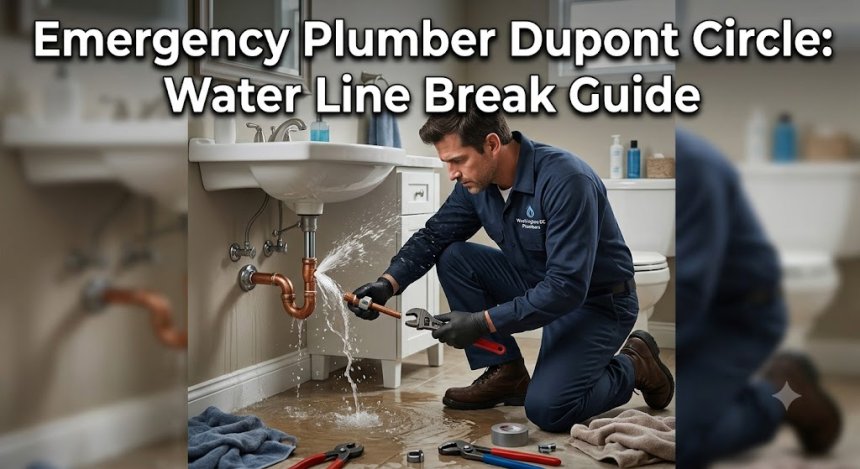
Emergency Plumber Dupont Circle: Water Line Break Guide
Sudden water line break in Dupont Circle, DC? Learn immediate emergency steps, root causes, costs, repair methods, and when to call a local plumber
How to Handle a Sudden Water Line Break in Dupont Circle
A sudden water line break in Dupont Circle transforms a standard day into an urgent property crisis. In a neighborhood known for its historic 19th-century Victorian row houses, grand brownstones along Connecticut Avenue NW, and dense residential streets like P Street and Q Street NW, pressurized water line ruptures pose severe structural risks.
When a high-pressure main supply pipe bursts underground or inside an exterior brick wall, water escapes at pressures between 60 and 80 pounds per square inch (PSI). Within minutes, hundreds of gallons of water can flood finished basements, compromise brick foundations, saturate plaster walls, and destroy electrical systems.
Taking fast, deliberate steps within the first five minutes can save thousands of dollars in water restoration costs. This guide outlines immediate emergency containment, local root causes, non-invasive diagnostic tools, repair processes, transparent cost factors, and long-term preventative maintenance.
What Is a Water Line Break Emergency?
A water line break occurs when a pressurized water supply line—either the main underground service lateral connecting the municipal street supply to the water meter or an interior distribution branch—experiences a structural breach, splitting open or pulling apart at a fitting.
Unlike drain backups or minor fixture drips, water line breaks involve continuous, pressurized freshwater discharge. As long as the main shutoff valve remains open, water will flow unabated into your property.
Common Situations in Dupont Circle
-
Main Service Lateral Ruptures: Cracks in aging underground main supply pipes beneath front brick walkways or basement floors.
-
In-Wall Copper Pipe Splits: High-pressure main supply pipes rupturing inside uninsulated exterior walls or joist cavities during Mid-Atlantic freeze-thaw cycles.
-
Basement Slab Leaks: Pressure line breaches underneath concrete basement slabs, forcing water up through floor cracks.
Immediate Symptoms
-
The continuous sound of rushing, spraying, or hissing water inside walls when all taps are turned off.
-
Rapidly spreading water stains or soft, bulging plaster on ceilings and basement walls.
-
Unexplained pooling water on concrete basement floors or saturated patches in front entry yards.
-
A sudden, severe drop in water volume and pressure across all household sinks and showers.
-
The main water meter dial spinning rapidly while no water fixtures are actively running inside the home.
Why Does This Plumbing Problem Happen in Dupont Circle?
Water line breaks in Dupont Circle, Adams Morgan, and Kalorama homes are rarely unexpected accidents. They stem from a combination of historic building materials, soil dynamics, and urban infrastructure pressure.
                  [Water Line Break Causes]
                             │
     ┌───────────────────────┼───────────────────────┐
     ▼                       ▼                       ▼
[Aging Metals]       [High Pressure]        [Traffic & Soil Motion]
Galvanized steel &    City main surges       Street traffic vibration
thin copper fatigue   exceeding 80 PSI       & clay soil shifting
over decades.         without a PRV.         straining pipe joints.
1. Decades of Pipe Material Fatigue
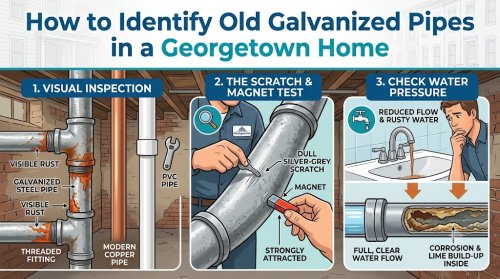
Many historic Dupont Circle row homes built in the late 1800s or early 1900s still have sections of original galvanized iron or legacy Type M thin-walled copper piping. Over 50 to 100 years, galvanized pipes rust from the inside out, narrowing the flow path until normal municipal water pressure bursts through the weakened wall. Legacy copper lines develop interior pitting and pinhole leaks from aggressive mineral chemistry.
2. High Municipal Water Pressure
To deliver water across varying elevations in Ward 2 and Northwest Washington, DC Water maintains high municipal line pressure. If a home’s Pressure Reducing Valve (PRV) fails or was never installed, incoming surges over 80 PSI place extreme hydraulic stress on aged pipe joints, shutoff valves, and appliance flex lines.
3. Soil Movement and Urban Traffic Vibrations
Dupont Circle features clay-heavy soil that expands and contracts during seasonal temperature changes. Furthermore, heavy vehicle traffic along major corridors like Massachusetts Avenue NW and Connecticut Avenue NW transmits continuous ground vibrations through the soil. Over time, ground settlement and vibration shear buried threaded pipe fittings and split rigid supply lines.
4. Severe Winter Freeze-Thaw Cycles
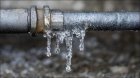
During Mid-Atlantic winter cold snaps, supply lines passing through uninsulated crawl spaces, drafty basement walls, or exterior brick cavities freeze. As water freezes into ice, it expands by roughly 9%, creating hydraulic pressures up to 2,000 PSI that split metal and plastic pipes wide open.
5. Tree Root Displacement
The mature tree canopy across Dupont Circle adds character to the neighborhood, but deep root systems put immense physical pressure on underground main supply lines. As roots grow, they encircle, compress, and shift underground pipes until joints buckle or snap.
Signs You Should Never Ignore
Water supply lines often show warning indicators before a total pipe blowout occurs. Recognizing these signals early prevents catastrophic flooding:
| Warning Indicator | Underlying Cause | Immediate Action Required |
| Hissing Sound Behind Drywall | Active pinhole leak spraying water inside wall cavity | Isolate water line; call for leak detection |
| Sudden, Unexplained Pressure Drop | Major breach along main underground service line | Check main water meter; isolate main valve |
| Unusually High DC Water Bill | Hidden subfloor or underground main supply leak | Schedule pressure test with a licensed plumber |
| Warm or Damp Spots on Basement Floors | Hot water line leaking beneath concrete slab | Turn off water heater inlet; call for service |
| Sinking Brick Paving or Yard Soft Spots | Underground main service line leaking under entry walkway | Shut off water at meter curb stop immediately |
| Discolored, Rusty Water from Cold Taps | Advanced internal corrosion of galvanized supply line | Plan supply line replacement before burst occurs |
Common Plumbing Problems Related to Water Line Breaks
A major water line breach frequently triggers secondary mechanical and structural damage throughout a building:
-
Slab Leaks & Foundation Undermining: High-pressure water escaping under basement concrete slabs washes away supporting soil, causing floor cracking and foundation settling.
-
Electrical System Hazards: Water traveling down wall cavities contacts junction boxes, wall outlets, and breaker panels, creating immediate short circuits and fire hazards.
-
Water Heater Overheating: Uncontrolled supply line breaches can cause water heaters to drain dry, burning out electric heating elements or cracking gas tank liners.
-
Ceiling & Plaster Collapses: Heavy, waterlogged plaster in historic row homes detaches from lath backing, crashing into living spaces below.
Step-by-Step Professional Repair Process
When an emergency plumber arrives at your Dupont Circle property during a water line crisis, they follow a strict, professional containment and restoration workflow:
[Step 1: Water Isolation & Electrical Hazard Check]
                           │
                           ▼
[Step 2: Non-Invasive Acoustic & Thermal Leak Detection]
                           │
                           ▼
[Step 3: Site Protection & Controlled Access Opening]
                           │
                           ▼
[Step 4: Section Replacement or Trenchless Pipe Pulling]
                           │
                           ▼
[Step 5: Hydrostatic Pressure Testing & Gauge Monitoring]
                           │
                           ▼
[Step 6: Structural Moisture Inspection & Cleanup]
                           │
                           ▼
[Step 7: PRV Installation & System Preventative Review]
Step 1: Immediate Water Isolation
The plumber isolates the water supply at the main house valve or uses specialized curb-key tools at the DC Water meter pit along the property line to stop incoming water pressure immediately.
Step 2: Precision Electronic Leak Detection
If the break is hidden behind historic plaster or beneath a basement slab, the technician uses acoustic ground microphones, nitrogen tracer gas, and thermal imaging cameras to pinpoint the exact breach location without unnecessary demolition.
Step 3: Minimal, Controlled Access
The plumber opens a minimal access hole directly over the damaged pipe zone, protecting surrounding historic woodwork and finishes with dust containment barriers and drop cloths.
Step 4: Durable Pipe Section Repair or Replacement
The damaged pipe section is removed cleanly. The plumber installs heavy-duty Type L copper or thick-walled, freeze-resistant PEX tubing using commercial ProPress mechanical fittings or flame-shielded connections.
Step 5: High-Pressure Gauge Testing
Water is restored gradually, and digital pressure gauges are attached to test the line at static pressure, confirming that no secondary micro-leaks or weakened joints exist elsewhere on the line.
Step 6: Site Cleanup and Preventative Advice
The plumber measures wall moisture levels with a pinless moisture meter to ensure framing is dry, checks static house water pressure, and recommends installing a Pressure Reducing Valve if incoming pressure exceeds safety thresholds.
Can You Fix a Water Line Break Yourself?
Fixing a pressurized main water line break is not a DIY project. Household water lines operate under immense pressure, and quick fixes will fail quickly under load.
Safe Emergency Action Steps for Homeowners
-
Shut Off the Main Water Valve Immediately: Locate your main shutoff valve (usually where the main service pipe enters through the front basement wall) and turn it fully clockwise.
-
Shut Off the Main Electrical Switch: If water is leaking near outlets, light fixtures, or electrical panels, shut off power from a dry location before touching metal fixtures.
-
Relieve Pipeline Pressure: Open the lowest outdoor hose bibb or basement laundry faucet to drain remaining standing water out of vertical supply pipes and stop ceiling dripping.
-
Capture Surface Water: Place buckets beneath active ceiling drips and use wet-vacuums or mops to remove standing water from finished hardwood or tile floors.
Dangerous DIY Traps to Avoid
-
NEVER Apply Rubber Wraps or Hose Clamps to Pressurized Mains: Rubber patches, hose clamps, and epoxy putties are designed only for unpressurized drain lines. Under 60+ PSI, pressurized water will push right past temporary patches within hours.
-
NEVER Heat Pipes with Open Flame Torches: Attempting to solder frozen or burst pipes with a propane torch inside old wood-framed Dupont Circle homes creates severe fire hazards.
-
NEVER Excavate Public Sidewalks or Yards Without Calling 811: Attempting to dig up a main water service line without utility line marking risks striking high-voltage underground electric lines or gas mains.
Advanced Tools Professional Plumbers Use
Modern emergency plumbing repairs rely on advanced diagnostic and repair tools to protect historic property interiors:
-
Acoustic Ground Microphones: Amplifies the distinct sound frequency of escaping water underground or behind concrete slabs to locate pipe breaks precisely.
-
Thermal Imaging Cameras (FLIR): Visualizes temperature shifts on walls, floors, and ceilings to track hidden water plumes without invasive cutting.
-
ProPress Hydraulic Joining Tools: Makes permanent, watertight copper and brass fittings mechanically without using open flames inside historic timber framing.
-
Trenchless Pipe Pullers / Pipe Bursting Equipment: Replaces underground main service lines between the street curb and house foundation by pulling new PEX or copper tubing through the old pipe path, avoiding deep trench digging through brick entryways.
How Long Does the Repair Usually Take?
Repair timelines vary depending on pipe location, structural accessibility, and city permit requirements:
-
Exposed Basement Pipe Repair: 1 to 2 hours.
-
In-Wall Copper Pipe Section Replacement: 2 to 4 hours.
-
Under-Slab Foundation Line Rerouting: 4 to 8 hours.
-
Trenchless Main Underground Water Line Replacement: 6 to 10 hours.
-
Traditional Excavated Main Line Replacement (with DC Public Space Permits): 1 to 2 days.
Cost Factors in Emergency Water Line Repairs
Understanding what shapes repair costs helps property owners make informed decisions during an emergency callout.
Plumbing repair costs vary depending on the severity of the problem, accessibility, materials required, emergency service, property type, and local labor rates.
Key Cost Variables
-
Emergency After-Hours Service Charges: Dispatched service late at night, on weekends, or during holiday freezes carries premium dispatch and labor rates.
-
Pipe Accessibility & Demolition Requirements: Repairing an exposed pipe in an open basement is far less labor-intensive than removing historic plaster, cutting concrete slabs, or digging beneath brick walkways.
-
Material Selection: High-grade Type L copper and commercial press-fit brass fittings carry higher material costs than standard flexible PEX tubing.
-
Diagnostic Equipment Usage: Deploying acoustic ground locators, fiber-optic scopes, and thermal imaging cameras adds specialized equipment fees.
-
District of Columbia Public Space Permits: Replacing main service lines that run under public sidewalks or streets requires official District of Columbia permits, traffic control plans, and city inspection fees.
Hidden Truths Homeowners Should Know
-
Small pinhole leaks cause massive structural rot: A pinhole leak discharging a steady trickle behind drywall can release over 1,000 gallons of water a month, quietly rotting wall framing and floor joists.
-
Cheap temporary pipe patches fail quickly: Hose clamps and rubber wraps cannot handle constant thermal expansion and daily pressure surges; they will blow off unexpectedly.
-
Insurance may deny claims for long-term leaks: Homeowners insurance policies generally cover sudden, accidental pipe bursts, but adjusters routinely deny coverage if a leak went ignored for months.
-
Excessive water pressure ruins expensive fixtures: Water pressure over 80 PSI shortens the lifespan of water heater tanks, washing machine valves, and high-end bathroom faucets.
-
Hard water creates interior weak points: Mineral deposits collect along metal pipe interiors, causing localized corrosion that eats through metal walls under pressure.
-
DIY soldering mistakes double repair costs: Overheating copper pipe joints burns internal valve seals and melts pipe walls, creating larger leaks that require professional intervention.
-
Delaying water cleanup triggers mold in 24 hours: Mold spores begin colonizing damp drywall, plaster, and carpet padding within 24 to 48 hours of water exposure.
-
Hidden leaks drive up utility bills quietly: An unnoticed underground main line leak can double or triple your quarterly DC Water utility bill without displaying standing water inside.
-
Old gate shutoff valves snap when forced: Legacy multi-turn gate valves often seize over time; forcing a stuck valve can snap the internal stem and lock the line open.
-
Annual pressure checks save thousands: Having a licensed plumber check system pressure and inspect exposed supply lines annually prevents unexpected pipe failures.
15 Common Mistakes Homeowners Make
-
Not Knowing the Main Water Shutoff Location: Spending 20 minutes looking for a main shutoff valve while water floods living areas.
-
Forcing a Rusted Gate Valve: Snapping old valve stems, creating an immediate, uncontainable water breach inside the basement.
-
Ignoring Low Water Pressure: Treating dropping water pressure as a minor inconvenience rather than a sign of a main line leak.
-
Using Rubber Patch Tapes on Pressurized Lines: Relying on flexible wraps that fail overnight under household water pressure.
-
Hiring Unlicensed Handymen for Main Line Work: Hiring uncertified contractors who lack liability insurance and fail to meet District plumbing codes.
-
Skipping Winterization of Exterior Lines: Leaving garden hoses attached during winter, which traps water and splits interior frost-free hose bibbs.
-
Ignoring Water Hammer (Banging Pipes): Leaving unanchored supply pipes to slam against wall studs during tap shutoff until soldered joints break.
-
Over-Tightening Threaded Fittings: Cracking brass or plastic fittings by over-torquing them with heavy pipe wrenches.
-
Delaying Repairs to Avoid After-Hours Fees: Waiting until morning during an active leak causes thousands of dollars in extra water restoration damage.
-
Ignoring Small Damp Spots on Ceilings: Assuming a dry water stain is old without testing for active moisture behind plaster.
-
Pouring Caustic Cleaners Down Drains Near Metal Mains: Chemical fumes corrode nearby metal supply pipes from the outside in damp basement environments.
-
Digging in Front Yards Without Calling 811: Excavating main service lines without marking underground gas, electric, and telecom utilities.
-
Covering Up Leaking Walls with Drywall: Patching drywall over an unaddressed pipe leak conceals damage while mold spreads behind the wall.
-
Forgetting to Test Pressure Reducing Valves: Operating without testing PRVs leaves household pipes vulnerable to sudden street pressure spikes.
-
Hanging Heavy Clothes on Exposed Basement Supply Pipes: Placing continuous weight on exposed copper pipes pulls hanging joints apart over time.
Practical Maintenance Tips to Prevent Water Line Breaks
Taking proactive maintenance measures protects your Dupont Circle property from unexpected plumbing emergencies:
Monthly & Seasonal Protection
-
Clear Space Around the Main Valve: Ensure the area surrounding your main shutoff valve is clear of boxes and clutter for quick access in an emergency.
-
Inspect Sink and Appliance Supply Lines: Check flexible stainless steel supply lines under sinks, toilets, and washing machines monthly for kinks, rust, or moisture.
-
Winterize Outdoor Faucets: Disconnect all outdoor garden hoses and close interior shutoff valves serving exterior hose bibbs before Mid-Atlantic winter freezes arrive.
-
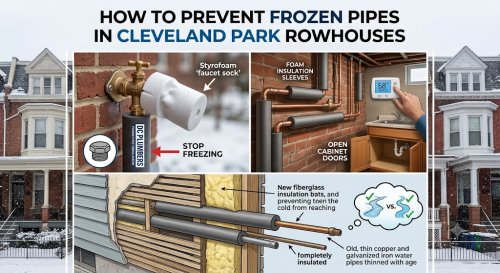
Insulate Exposed Pipes: Wrap foam insulation sleeves around all supply lines running through unheated basements, crawl spaces, or exterior brick wall cavities.
Annual & Long-Term Safeguards
-
Test Household Water Pressure: Screw an inexpensive water pressure gauge onto an outdoor faucet to verify static pressure stays between 50 and 70 PSI.
-
Exercise Main Shutoff Valves: Turn main water shutoff valves fully off and on once a year to keep internal seals pliable and prevent valve stem freezing.
-
Replace Old Rubber Washing Machine Hoses: Replace standard rubber hoses with braided stainless steel lines every 3 to 5 years.
-
Upgrade Legacy Gate Valves: Replace old multi-turn gate shutoff valves with durable, quarter-turn brass ball valves for instant, reliable shutoff operation.
-
Schedule Scheduled System Inspections: Have a licensed plumber evaluate main supply lines, test PRVs, and inspect exposed pipe runs every 12 to 24 months.
When Should You Call an Emergency Plumber?
Call an emergency plumber immediately if you encounter any of the following critical conditions:
-
Active Spraying or Flooding Water: Uncontrolled water discharging from burst pipes, main lines, or broken valves.
-
Water Leaking Near Electrical Panels or Outlets: Any water penetration threatening electrical infrastructure or ceiling light fixtures.
-
Complete Loss of Main Water Shutoff Function: Main valves that are seized, broken, or spinning without stopping incoming water.
-
Severe Ceiling Bulging or Drooping: Heavy plaster or drywall ceiling pockets holding pooled water above living areas.
Frequently Asked Questions
What is the very first thing I should do if a water line breaks in my Dupont Circle home?
Turn off your main water shutoff valve immediately to stop incoming water pressure. Then, open lower-level faucets to drain remaining standing water out of vertical supply pipes and call an emergency plumber.
How do I locate my main water shutoff valve?
In historic Dupont Circle homes, the main shutoff valve is usually located in the front basement or crawl space near where the main water pipe enters through the front foundation wall, close to the water meter.
Why is my water bill suddenly higher when my water usage hasn't changed?
An unexplained spike in your water bill usually indicates a hidden water line leak underground between the city meter and your home, or beneath a basement concrete slab.
Can a small pinhole leak in a copper pipe fix itself?
No. Mineral deposits may temporarily slow a pinhole leak, but water pressure will quickly wash the crust away and enlarge the hole, leading to a major pipe failure.
How much does professional leak detection cost?
Plumbing repair costs vary depending on the severity of the problem, accessibility, materials required, emergency service, property type, and local labor rates.
Will homeowners insurance cover damage from a burst water line?
Most standard home insurance policies cover sudden, accidental water damage caused by burst pipes, provided the home was properly heated and maintained.
What causes water pipes to bang loudly when I shut off a faucet?
Loud banging (water hammer) is caused by sudden pressure shockwaves when flowing water stops abruptly. Loose pipe straps or missing water hammer arrestors allow pipes to slam against wall framing.
How long does a main water service line last?
Galvanized iron pipes last 40 to 50 years, while Type L copper and modern PEX supply lines can last 50 to 70+ years under normal water pressure conditions.
What is the difference between trenchless pipe replacement and traditional excavation?
Trenchless pipe replacement pulls a new pipe through the existing underground path with minimal digging, preserving landscaping and walkways. Traditional excavation involves digging a continuous trench along the pipe run.
When should I replace my main water line instead of repairing a section?
If your supply line is over 50 years old, made of galvanized iron or lead, or has experienced multiple leaks within a short period, replacing the entire line is more cost-effective than continuous spot repairs.
Why Choose plumber in Washington DC?
When a sudden water line break threatens your home or business in Dupont Circle, you need a responsive, highly experienced local plumbing team.
At plumber in Washington DC, we deliver rapid emergency plumbing services tailored to historic and modern properties across Washington, DC, including Dupont Circle, Adams Morgan, Kalorama, Foggy Bottom, Logan Circle, Shaw, and Ward 2.
-
Dupont Circle & Ward 2 Local Focus: We understand the unique architectural features, historic piping layouts, and municipal pressure demands of central DC row houses and commercial buildings.
-
24/7 Emergency Response: Our emergency dispatch team is available around the clock to isolate leaks quickly and protect your building from structural water damage.
-
Upfront Flat-Rate Estimates: We perform thorough diagnostic evaluations and provide itemized estimates before starting work—no hidden fees or unexpected charges.
-
Modern Non-Invasive Equipment: We utilize acoustic leak locators, thermal imaging cameras, and flameless hydraulic press tools (ProPress) to complete repairs cleanly.
-
Licensed & Fully Insured: All repairs meet District of Columbia plumbing codes, backed by quality workmanship guarantees and full liability protection.