What Is Pressure Reducing Valve Replacement? Decoding the Mechanism
High municipal water pressure can sneak up on any property, turning standard morning showers into an uncomfortable, forceful spray and putting immense strain on your home's entire plumbing network. At the heart of keeping your household safe from excessive municipal pressure is a specialized brass device known as a Pressure Reducing Valve (PRV).
When functioning correctly, a PRV acts as a mechanical gatekeeper, lowering incoming high pressure from the city water main down to a safe, manageable residential level (typically between 50 and 60 psi). Inside the valve sits a spring-loaded diaphragm and an adjustable tension screw. As high-pressure water pushes against the valve from the municipal side, the spring resistance counters it, restricting the opening and letting water flow through at a regulated, safe output.
When a PRV fails—usually due to a torn internal rubber diaphragm, mineral binding, or fatigued spring mechanics—it loses its ability to regulate. You either get a complete blockage resulting in zero water flow or, far more commonly, a total loss of regulation where full street-level pressure (sometimes exceeding 90 to 100 psi) floods directly into your home appliances, water heater, and fragile supply lines.
Critical Warning Signs: When Your Home is Sounding the Alarm
Catching a failing pressure reducing valve early can save you from catastrophic indoor flooding or appliance burnout. Property owners should look out for several key sensory and structural indicators:
-
Auditory Clues: Loud banging or thumping sounds when you shut off a faucet quickly (water hammer), or a high-pitched whistling noise echoing through the pipes when multiple fixtures are running simultaneously.
-
Appliance & Fixture Stress: Frequent leaks from your water heater’s temperature and pressure (T&P) relief valve, premature failure of washing machine hoses, or sputtering faucets that blast water out uncontrollably the moment you turn them on.
-
Meter & Bill Spikes: Unexplained increases in your monthly municipal water bill without any changes in household consumption, often driven by hidden joint weeping or constant relief valve discharge.
-
Cascading Structural Risks: Ignoring these warning signs forces constant, hyper-aggressive pressure against soldered pipe joints. Over time, this leads to pinhole leaks behind drywall, warped subflooring, and mold growth in hidden crawlspaces.
Root Causes: Why This Problem Occurs in Washington, DC Homes
Plumbing challenges in the District are heavily influenced by local municipal infrastructure and regional water characteristics. Understanding why PRVs fail here helps put preventative measures into perspective:
-
High Municipal Supply Pressure Zones: Washington, DC features varied topography, requiring the DC Water system to maintain high baseline pressures in certain gravity zones to push water uphill, placing constant, heavy stress on residential pressure regulators.
-
Hard Water Mineral Scaling: Local water contains dissolved minerals that gradually coat the interior moving parts of a PRV, calcifying the spring assembly and freezing the internal bypass mechanisms in place.
-
Historic Home Retrofits: Many row houses and older properties across Capitol Hill, Dupont Circle, and Georgetown feature retrofitted plumbing layouts where modern PRVs were squeezed into tight, difficult-to-access utility chases alongside aging supply lines.
-
Thermal Expansion Conflict: Closed-loop systems equipped with backflow preventers trap expanding water during heating cycles, forcing thermal pressure backward against the PRV diaphragm and wearing out the internal spring prematurely.
Financial Breakdown: Cost Factors & Investment Realities
Replacing a pressure reducing valve is a targeted investment in structural preservation. Because every plumbing layout is unique, flat-rate pricing is determined by several specific operational variables:
-
Accessibility & Location: A PRV located in an open, easily accessible basement wall main entry point takes significantly less labor to swap than one buried behind finished drywall, under concrete slabs, or crammed into an outdoor meter pit.
-
Pipe Material & Fittings: Older DC homes with galvanized steel or brittle cast iron lines require careful cutting, threading, or specialized transition couplings (such as transitioning to modern PEX or copper) compared to straightforward copper-to-copper sweat connections.
-
Associated Component Upgrades: If the isolation valves (ball valves) on either side of the PRV are corroded or leaking—a common occurrence in older properties—they must be replaced simultaneously to ensure safety and code compliance.
-
Permitting & Code Requirements: Major modifications to the main water service entry often require adherence to local municipal codes, which may dictate inspection standards or thermal expansion tank additions.
Professional Diagnostic & Repair Workflow
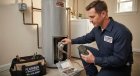
When you call a licensed professional to address pressure issues, they follow a rigorous, systematic methodology to ensure absolute safety and precision:
-
Step 1: Non-Invasive Triage & Safety Isolation: The technician shuts off the main municipal supply line and isolates the affected zone to prevent accidental flooding during the teardown.
-
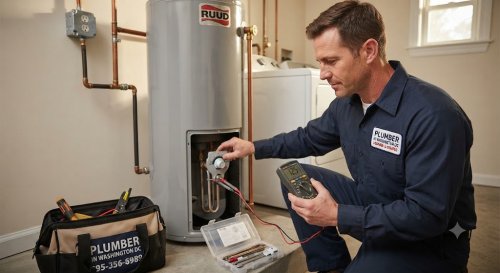
Step 2: Precision Diagnostic & Digital Pressure Testing: Using a calibrated digital manometer attached to a hose bib, the plumber measures exact static and dynamic pressure levels to confirm whether the PRV is failing or if thermal expansion is the culprit.
-
Step 3: Transparent, Upfront Options & Written Estimating: The homeowner receives a clear explanation of findings along with upfront flat-rate pricing options for repair or complete valve replacement.
-
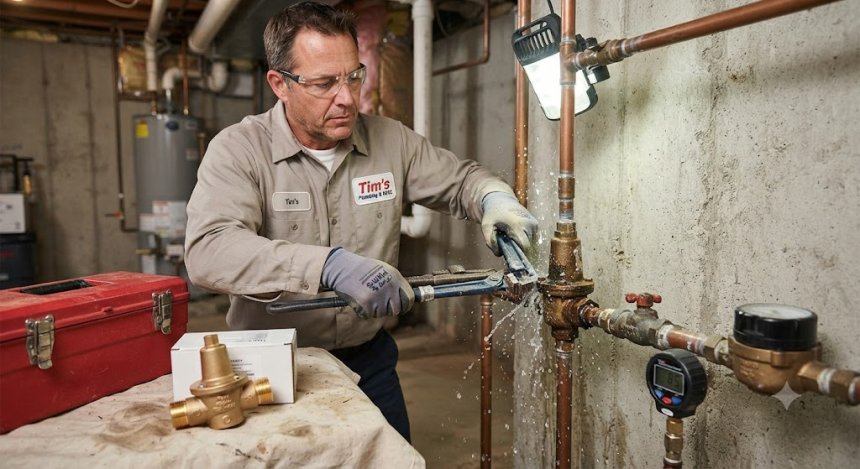
Step 4: Code-Compliant Remediation & Part Replacement: The old valve is extracted, pipe ends are cleaned and prepped, and a high-grade replacement PRV is installed along with new unions and supporting brackets.
-
Step 5: Pressure Testing, Flow Verification, & Clean-Up: The system is slowly repressurized, tuned to the ideal 50 psi output, tested across multiple household fixtures for optimal flow, and the work area is left spotless.
DIY Reality Check: What You Can Safely Fix vs. When to Step Back
Homeowners often wonder if they can tackle a PRV swap themselves to save on labor costs. Here is a realistic look at where the safety boundaries lie:
-
Safe Homeowner Actions: You can safely monitor your water pressure using a cheap screw-on pressure gauge attached to an outdoor spigot, adjust the top tuning nut on an adjustable PRV (if it is a minor calibration issue), or visually inspect your system for damp patches.
-
The Danger Zone: Attempting to cut into a main water supply line without an emergency shut-off valve that holds completely can result in a high-pressure geyser that floods your basement in minutes. Furthermore, using a torch near wooden floor joists for copper sweating carries severe fire risks.
-
When to Call a Pro: If your PRV is seized solid, leaking from the body casing, or located in a cramped, precarious spot, it is time to drop the wrench and let a licensed professional handle the heavy lifting safely.
Advanced Diagnostics: The Professional Tool Arsenal
Licensed technicians rely on heavy-duty, professional-grade equipment to diagnose complex pressure and flow anomalies accurately:
-
Digital Manometers & Pressure Recorders: These tools log water pressure fluctuations over 24-hour periods, capturing hidden pressure spikes caused by thermal expansion or municipal booster pumps.
-
Electronic Acoustic Leak Detectors: High-frequency listening devices that pinpoint hidden pinhole leaks behind walls or under concrete caused by prolonged high-pressure exposure.
-
Pipe Locators & Thermal Imaging Cameras: Used to trace hidden water supply paths through structural framing and identify temperature anomalies associated with leaking hot water lines.
Unique Expert Insights: Hard Truths Homeowners Learn Too Late
Years of hands-on field experience in residential plumbing reveal several hard truths that can save you from costly headaches down the road:
-
Temporary Patch Kits Fail: Wrapping a leaking PRV body in rubber tape or epoxy putty is a recipe for disaster; high pressure will inevitably blow past temporary patches under the cover of night.
-
Unlicensed Work Voids Coverage: Having a handy neighbor or unlicensed handyman swap your main water line components can lead to claim denials from your homeowners insurance if a catastrophic leak occurs.
-
Ignoring Spikes Destroys Appliances: A neglected high-pressure valve silently shortens the operational lifespan of your dishwasher, washing machine, refrigerator ice maker, and water heater by years.
-
Preventive Maintenance Pays: Scheduling a yearly plumbing system checkup costs a fraction of what you would spend cleaning up after a major middle-of-the-night pipe burst.
Comprehensive Home Plumbing Maintenance Framework
Maintaining a healthy plumbing system requires consistent, seasonal attention. Use this framework to keep your home protected year-round:
-
Spring & Summer Checks:
-
Test outdoor spigots for proper backflow prevention and smooth operation.
-
Inspect basement floor drains and test sump pump performance before heavy storm seasons.
-
Check outdoor hose connections for minor leaks or steady weeping.
-
-
Fall & Winter Preparation:
-
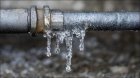
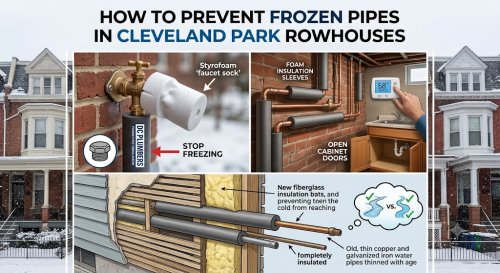
Insulate exposed water supply pipes located in unheated crawlspaces or exterior walls.
-
Disconnect, drain, and store all garden hoses safely indoors.
-
Flush your water heater tank annually to clear out sediment buildup and check the T&P valve.
-
-
Year-Round Habits:
-
Clean sink aerators and showerhead strainers every few months to maintain balanced flow.
-
Monitor your water pressure gauge periodically to catch creeping pressure levels early.
-
Avoid pouring harsh chemical drain cleaners down household fixtures to protect pipe integrity.
-
Emergency Protocol: When Immediate Dispatch is Non-Negotiable
Some plumbing situations require immediate, professional intervention without delay. Call an emergency plumber right away if you experience:
-
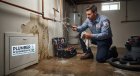
Catastrophic Main Line Ruptures: An active, high-volume water leak spraying uncontrolled into living areas or electrical panels where main shut-off valves fail to hold.
-
Complete Loss of Water Supply: Sudden, unexplained loss of potable water across the entire home that is not tied to a reported municipal street outage.
-
Overflowing Fixtures: Severe backups or fixture overflows threatening electrical outlets and finished flooring.
Frequently Asked Questions (FAQs)
What is the ideal water pressure setting for a home?
The ideal setting for residential water pressure is between 50 and 60 psi. Anything above 80 psi violates most plumbing codes and places dangerous, continuous stress on your home's appliances, fixtures, and pipe connections.
How long does a pressure reducing valve typically last?
A standard high-quality PRV typically lasts between 7 and 12 years. Lifespan is heavily influenced by local water chemistry, mineral hardness, and the overall volume of water your household consumes daily.
Can high water pressure cause my water heater to leak?
Yes. When water heats up, it expands. If your PRV is failing or if you have a closed plumbing system without an expansion tank, the trapped thermal pressure has nowhere to go, causing your water heater’s T&P relief valve to weep or discharge constantly.
How do I know if my PRV is broken?
Common signs include sudden changes in shower pressure, loud hammering or whistling noises when turning off taps, or testing your outdoor spigot with a pressure gauge and reading numbers well above 80 psi.
Is PRV replacement covered by homeowners insurance?
Generally, insurance covers sudden and accidental water damage caused by a burst pipe, but standard maintenance items like replacing a worn-out mechanical valve are considered routine homeownership upkeep.
Can I adjust my PRV myself?
If your PRV is equipped with an adjustment bolt and lock nut, you can lower pressure by loosening the lock nut and turning the bolt counter-clockwise. However, if the internal diaphragm is ruptured, adjustment will have no effect and replacement is required.
What is water hammer and does a PRV fix it?
Water hammer is the loud shockwave bang heard when a valve closes quickly. While a failing PRV can exacerbate pressure surges, resolving water hammer often requires a combination of a healthy PRV and dedicated water hammer arrestors.
Do all homes have a pressure reducing valve?
Not all homes require one. If your municipal water supply delivers water at a naturally low pressure (under 60 psi), a PRV is unnecessary. However, homes connected to high-pressure municipal mains require one by code.
Why Choose Professional Plumbing Services in Washington, DC
Navigating complex plumbing repairs in the District requires local expertise, code compliance, and reliable craftsmanship. Professional technicians bring licensed proficiency, upfront flat-rate pricing, and state-of-the-art diagnostic equipment to every job. Whether you are dealing with runaway water pressure, stubborn leaks, or need a complete pressure reducing valve replacement, getting the job done right the first time protects your investment and gives you total peace of mind.