Introduction
There is nothing quite as jarring as stepping into a shower expecting a relaxing cascade of hot water, only to be blasted by an icy wake-up call. When your instant water heating system malfunctions, your daily routine grinds to an immediate halt. You rely on endless hot water for cooking, sanitizing dishes, and laundry, making a breakdown a major household emergency.
Homeowners across the District face unique environmental hurdles, from hard mineral buildup in municipal water supplies to fluctuating seasonal temperatures that stress internal components. Understanding how your unit operates, recognizing early warning signs, and knowing when to call a licensed professional can save you from costly emergency replacements.
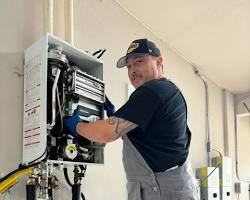
What Is Tankless Water Heater Repair? Decoding the Mechanism
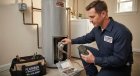
Unlike traditional storage tank water heaters that constantly heat and reheat 40 to 50 gallons of water, a tankless water heater operates on demand. When you turn on a hot water tap, cold water travels into the unit through a flow sensor. The activation of this sensor triggers a powerful gas burner or electric heating elements, rapidly heating the water as it passes through a specialized heat exchanger.
When a system fails, the symptoms usually stem from flow restriction, electronic sensor failures, ignition blockages, or severe mineral scaling. For example, a homeowner in a historic row house might notice fluctuating temperatures during peak morning hours because mineral deposits inside the heat exchanger restrict proper thermal transfer, forcing the unit to overheat and trigger a safety lockout.
Unique Expert Insights: Hard Truths Homeowners Learn Too Late
-
Temporary patch kits mask deeper system failures and often void manufacturer warranties or home insurance clauses.
-
Ignoring minor error codes leads to catastrophic thermal shock inside the heat exchanger, turning a simple sensor replacement into a full unit replacement.
-
Unlicensed handymen frequently violate local gas and electrical building codes, creating invisible hazards that fail during real-estate home inspections.
-
Skipping annual flushing drastically shortens a unit's lifespan, reducing efficiency by up to 30% within just a few years of operation.
-
DIY descaling attempts using incorrect acid solutions or household vinegar can corrode internal copper elements and rupture delicate seals.
Root Causes: Why This Problem Occurs in DC Homes
Tankless systems are precision marvels, but they are vulnerable to specific regional factors found throughout the capital region:
-
Hard water mineral scaling: Dissolved calcium and magnesium precipitate out of the water when heated, baking onto the heat exchanger walls like concrete.
-
Aging municipal supply infrastructure: Iron and sediment fluctuations from older city water mains can clog tiny inlet screen filters, suffocating water flow.
-
Gas pressure irregularities: Inconsistent utility supply pressure during high-demand winter months can cause gas-fired units to fail ignition sequences.
-
Electrical surges and storms: Sensitive digital control boards are easily fried by lightning strikes or grid fluctuations common during mid-Atlantic summer storms.
-
Exhaust venting obstructions: Improper intake/exhaust venting or debris blockages restrict the combustion air required for safe operation.
Critical Warning Signs: When Your Home is Sounding the Alarm
Your system will almost always communicate distress before failing completely. Keep an eye and ear open for these indicators:
-
Inconsistent water temperatures: Water shifts unpredictably from scalding hot to freezing cold mid-shower.
-
Auditory clues: Loud banging, rumbling, or whistling noises (known as scaling boiling or kettling) coming from the unit.
-
Blinking digital error codes: Cryptic numbers or flashing lights on the control panel indicating ignition failure, low flow, or exhaust faults.
-
Discolored or rusty water: Brown or yellow water signaling internal corrosion within the heat exchanger.
-
Delayed hot water delivery: Waiting excessive minutes for warm water to finally reach fixtures farthest from the utility room.
Professional Diagnostic & Repair Workflow
A certified professional approaches every service call with a systematic, safety-first methodology:
-
Non-Invasive Triage & Safety Isolation: Technicians test electrical continuity, verify gas line pressures, and shut off utility feeds before touching internal parts.
-
Precision Diagnostic & Error Code Analysis: Utilizing specialized diagnostic software and multimeters to isolate board-level faults or sensor malfunctions.
-
Transparent, Upfront Options: Presenting clear, flat-rate repair versus replacement pricing with no hidden fees.
-
Code-Compliant Remediation: Executing repairs using manufacturer-certified OEM parts, proper torque specs, and compliant venting materials.
-
Flow Verification & Combustion Testing: Running stress tests on water flow rates, carbon monoxide output, and thermal efficiency before cleaning up the workspace.
Comprehensive Home Plumbing Maintenance Framework
Protect your investment and maintain endless hot water with this seasonal maintenance framework:
-
Spring checks: Inspect outdoor combustion air vents for nests, check condensate drain lines for algae buildup, and test overall water pressure.
-
Summer habits: Monitor inlet water filter screens for sediment accumulation and verify that relief valves move freely.
-
Fall preparation: Clear surrounding workspace of combustible storage items and test digital thermostat settings.
-
Winter execution: Schedule professional annual descaling and flushing to strip away accumulated scale before peak heating season.
-
Year-round routines: Regularly wipe down exterior unit casings and document any recurring error codes for your plumber.
Advanced Diagnostics: The Professional Tool Arsenal
Professionals rely on advanced hardware to diagnose problems accurately without guesswork:
-
Digital Manometers: Accurately measure static and dynamic gas pressures to ensure the burner receives proper fuel delivery.
-
Thermal Imaging Cameras: Instantly reveal hot spots, blocked heat exchanger channels, or electrical wiring shorts behind walls.
-
Multimedia Endoscopes & Borescopes: Inspect tiny internal venting pathways and combustion chambers for micro-fractures and soot buildup.
-
Digital Flow Meters: Quantify exact gallons-per-minute (GPM) passing through the unit to determine if flow sensors or inlet screens are restricted.
Financial Breakdown: Cost Factors & Investment Realities
Understanding what drives repair expenses helps you plan your home maintenance budget effectively:
-
Diagnostic and Service Dispatch Fees: Covers the travel time and initial technical troubleshooting required to pinpoint the exact root cause.
-
Part Complexity: Replacing a standard flow sensor or igniter is significantly more economical than replacing a primary stainless steel or copper heat exchanger or a main control board.
-
Gas vs. Electric Requirements: Gas units require specialized combustion certification and gas line adjustments, whereas electric units demand high-voltage electrical safety protocols.
-
Warranty Coverage: If your unit is under 5 to 15 years old, manufacturer warranties may cover expensive parts, leaving you responsible only for labor costs.
DIY Reality Check: What You Can Safely Fix vs. When to Step Back
-
Safe homeowner actions: Cleaning the cold water inlet mesh filter screen, resetting the unit via the main power switch or control panel, and clearing debris from exterior intake vents.
-
The danger zone: Opening gas supply valves, modifying electrical wiring, troubleshooting electronic gas control valves, or attempting acid flushes without proper protective gear.
-
When to call a pro: Any time you smell gas, notice a yellow or flickering burner flame, or encounter persistent error codes that return immediately after a manual power reset.
Emergency Protocol: When Immediate Dispatch is Non-Negotiable
Call an emergency plumbing service immediately if you encounter any of these scenarios:
-
A persistent, undeniable smell of natural gas or propane near the unit.
-
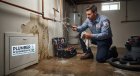
Active water leaks gushing from the internal heat exchanger or supply connections, threatening structural framing or electrical panels.
-
Complete loss of hot water during freezing winter weather when vulnerable pipes are at risk of freezing.
-
Carbon monoxide detector alarms sounding in proximity to the mechanical room.
Frequently Asked Questions (FAQs)
How often does a tankless water heater need to be flushed?
You should flush your tankless water heater at least once a year. If you live in an area with particularly hard water, a semi-annual flush is recommended to prevent mineral scale buildup.
Why does my tankless water heater blow cold water mid-shower?
This usually happens due to low water flow. If the hot water faucet is not open enough, the unit's flow sensor may not trigger, causing the burner to shut off. It can also indicate a failing flow switch or a dirty inlet filter.
What do error codes on a tankless display mean?
Error codes are alphanumeric codes (like Code 11 or 73) that point to specific faults, such as ignition failure, scale buildup, or exhaust blockage. Consult your owner's manual or a professional technician to decode them accurately.
Can I repair my tankless water heater myself?
You can perform basic maintenance like cleaning the inlet filter, but internal repairs involving gas lines, electrical circuits, and heat exchangers must always be handled by a licensed professional.
How long do tankless water heaters typically last?
With proper annual maintenance and professional care, a quality tankless water heater can last anywhere from 15 to 20 years, nearly double the lifespan of a traditional tank model.
Why is my tankless unit making a loud banging noise?
Banging or rumbling noises—known as kettling—are caused by water boiling inside thick mineral scale deposits built up on the heat exchanger. A professional flush and descale will usually resolve this.
Are tankless water heaters more expensive to repair than tank models?
While replacement parts for tankless units can sometimes cost more due to their advanced digital components, frequent maintenance keeps repair needs rare and overall operating costs lower.
Do tankless water heaters require special venting?
Yes. Because they are high-efficiency appliances that produce cooler, acidic exhaust gases, they require dedicated stainless steel or PVC/PP special venting materials rather than standard masonry chimneys.
Why Washington, DC Homeowners Trust Us
Choosing the right plumbing partner makes all the difference when your home's comfort is on the line. We provide transparent, reliable solutions tailored to local homes:
-
Fully licensed, insured, and background-checked master plumbers.
-
Upfront, flat-rate pricing with zero hidden emergency surcharges.
-
State-of-the-art diagnostic tools to solve issues right the first time.
-
Deep familiarity with local building codes, historic properties, and water conditions.
-
Rock-solid customer satisfaction guarantees and workmanship warranties.