Fix Recurring Drain Clogs in H Street NE DC
Tired of repeated drain clogs in H Street NE, DC? Learn root causes, local sewer pipe issues, DIY risks, and professional hydro jetting solutions
What Causes Recurring Drain Clogs in H Street NE, Washington DC?
H Street NE is one of Washington, DC’s most vibrant and historical corridors. Running through Ward 6 from Union Station past the Atlas District toward Bladensburg Road, this bustling neighborhood features a dense mix of classic late-19th-century brick row houses, historic storefronts, renovated condos, and high-volume dining establishments.
While H Street NE offers exceptional character, urban energy, and architectural charm, its plumbing systems frequently face severe strain. Property owners along H Street NE, Capitol Hill, Trinidad, and Carver Langston routinely deal with a frustrating issue: recurring drain clogs.
A single stubborn clog in a kitchen sink or bathroom drain is annoying. But when a drain clears after plunging or snaking only to back up again a few days or weeks later, you are dealing with a deeper, underlying structural or mainline drainage problem.
This comprehensive guide breaks down why drains repeatedly clog in H Street NE properties, the warning signs you should never ignore, how professional plumbers diagnose the true root cause, and how to permanently protect your home or business from costly sewage backups.
What Are Recurring Drain Clogs?
A recurring drain clog is a repeating obstruction pattern in your plumbing system where wastewater drains slowly or stops completely, clears temporarily through minor intervention, and then returns in the exact same fixture or across multiple fixtures.
Unlike an isolated clog caused by a dropped object, recurring clogs indicate that something inside your drain pipe or underground main sewer lateral is restricting full water flow.
                         [Kitchen/Bathroom Sink Drain]
                                       │
                                       ▼
                       [Internal Build-up / Partial Clog]
                                       │
            ┌──────────────────────────┴──────────────────────────┐
            ▼                                                     ▼
 [Temporary DIY Fix clears small path]                 [Debris Accumulates Again]
 (Water drains slowly for a few days)                  (Full blockage & backup returns)
Common Situations in H Street NE Properties
-
Kitchen Sinks in Historic Row Houses: Fats, oils, and grease (FOG) combine with food scraps inside original 2-inch galvanized or cast iron drain lines beneath kitchen floors.
-
Basement Floor Drains Gurgling: Wastewater from upper-level laundry machines or showers backing up into basement floor drains during heavy water usage.
-
Main Line Blockages in Commercial Buildings: High-volume grease and paper waste accumulating in sewer laterals shared by ground-floor restaurants and residential units above.
Symptoms of Recurring Clogs
-
Water pooling around shower or tub drains repeatedly every week.
-
Toilets bubbling, gurgling, or losing water level when a nearby sink or washing machine drains.
-
Persistent, foul sewage or sulfur odors coming from kitchen or bathroom drains despite regular cleaning.
-
Slow drainage affecting multiple fixtures across different levels of the property simultaneously.
Why Does This Plumbing Problem Happen in H Street NE?
Recurring drain clogs are rarely a simple coincidence. In H Street NE, several specific environmental, historical, and structural factors contribute to repeated drain line failures:
1. Aging Cast Iron and Terra Cotta Sewer Pipes
Many homes along H Street NE were built between 1880 and 1930. Original sewer lines were constructed using heavy cast iron or terra cotta (clay) piping. Over 80 to 120 years of continuous use, cast iron pipes develop internal rust scale (channeling and tuberculation). This creates a rough, jagged interior surface that catches hair, grease, and toilet paper, building instant obstructions.
2. Tree Root Intrusion in Clay Pipe Joints
The mature oak, maple, and elm trees lining H Street NE and neighboring streets send deep root systems looking for moisture. Terra cotta sewer pipes feature joints every 2 to 3 feet. As ground conditions shift, these joints crack slightly, allowing microscopic root tendrils to enter. Once inside, roots feed on nutrient-rich wastewater, expanding into dense, impassable thickets that trap solids continuously.
3. Grease Accumulation (FOG)
H Street NE is famous for its thriving corridor of bars, coffee shops, and restaurants. However, grease poured down kitchen drains cools and solidifies inside main sewer lines. Even in residential homes, years of cooking oils, butter, and heavy sauces form a thick, petroleum-like sludge along pipe walls that standard drain snakes simply poke a small hole through rather than clean out.
4. Sagging or "Bellied" Sewer Lines
DC’s low-lying urban soil, historical building settling, and ground vibrations from the H Street Streetcar and heavy traffic cause underground sewer pipes to shift. When a section of pipe sags (forming a "belly"), standing water collects in the low dip. Solids settle out of suspension in this standing water rather than flushing out to the city main, causing constant repeat clogs.
5. Non-Flushable Products and Modern Wipes
Despite marketing claims, "flushable" wet wipes, paper towels, heavy facial tissues, and feminine hygiene products do not disintegrate in urban sewer pipes. In vintage DC plumbing systems with reduced water flow, these materials catch on rough pipe edges and build massive blockages within weeks.
Signs You Should Never Ignore
Ignoring early warning signs of a failing drain system almost guarantees a major sewer backup into your living space or commercial property. Watch out for these red flags:
| Warning Indicator | Potential Root Cause | Recommended Action |
| Gurgling Drain or Toilet | Trapped air forced up through traps by a main sewer line blockage | Schedule high-definition camera inspection |
| Multiple Slow Drains | Main sewer line restriction affecting the whole house | Stop water use and call a master plumber immediately |
| Sewer Gas Smells | Dry traps or vent stack blockages pushing sewer air inward | Check trap seals and inspect sewer main for blockages |
| Water Backing Up in Basement | Main lateral line clogged near the property boundary | Shut off main water line to prevent flooding |
| Pests Near Drain Lines | Small cracks or breaks in underground pipes attracting sewer flies | Perform a video pipe inspection to find structural breaks |
Common Plumbing Problems Related to Recurring Clogs
A persistent drain clog is often just the visible symptom of a broader plumbing system failure:
-
Sewer Line Backups: Sewage flowing backward through basement floor drains, showers, or ground-level toilets, causing massive biohazard damage.
-
Burst or Cracked Drain Pipes: Hydrostatic pressure buildup behind an impassable blockage causing fragile, rusted cast iron or PVC joints to rupture inside walls or beneath foundations.
-
Structural Water & Mold Damage: Hidden leaks caused by backpressure saturating wooden joists, drywall, and subfloors, triggering black mold growth in 24 to 48 hours.
-
Sewer Vent Stack Blockages: Clogged roof vent stacks preventing proper air pressure balance, causing drains to pull water out of P-traps and letting sewer gas enter your home.
Step-by-Step Professional Repair Process
When you call plumber in Washington DC to solve recurring drain clogs in H Street NE, our licensed technicians do not rely on temporary chemical quick-fixes. We follow a proven diagnostic and clearing protocol:
[Step 1: HD Sewer Camera Inspection & Line Mapping]
                           │
                           ▼
[Step 2: Diagnosis & Obstruction Identification]
                           │
                           ▼
[Step 3: Upfront Transparent Repair Estimate]
                           │
                           ▼
[Step 4: Hydro Jetting / Mechanical Root Cutting]
                           │
                           ▼
[Step 5: Secondary Video Verification Inspection]
                           │
                           ▼
[Step 6: Site Cleanup & Structural Drying Check]
                           │
                           ▼
[Step 7: Long-Term Preventive Maintenance Plan]
Step 1: HD Sewer Video Inspection
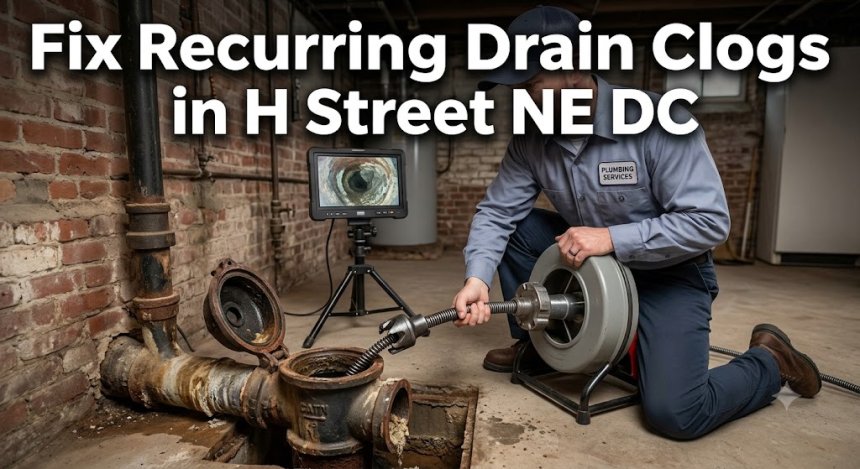
We feed a high-definition, self-leveling fiber-optic camera with a locator beacon into your cleanout or drain stack. This allows us to see the exact condition of your pipe interior on a live color monitor.
Step 2: Diagnosis & Pinpoint Location
We determine whether the recurring issue is caused by grease buildup, heavy tree root intrusion, rust scaling, a crushed pipe section, or a pipe belly—and locate the exact depth and spot in your yard or basement floor.
Step 3: Upfront Estimate & Options
We present clear, honest options—ranging from targeted mechanical snaking and high-pressure hydro jetting to trenchless pipe lining or localized pipe replacement.
Step 4: High-Pressure Hydro Jetting
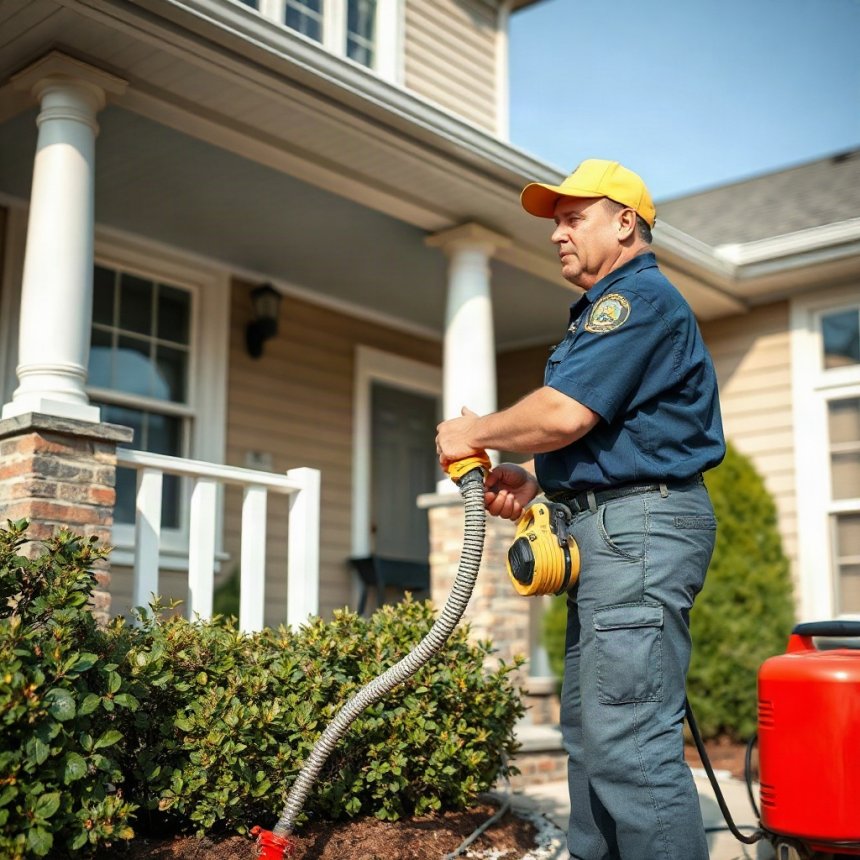
Using specialized equipment that blasts water at up to 4,000 PSI, hydro jetting strips away grease, scale, heavy root masses, and debris from pipe walls, restoring original interior diameter.
Step 5: Post-Clearing Camera Verification
We run the video camera through the line a second time to guarantee the pipe is 100% clean, clear, and free of structural cracks.
Can You Fix It Yourself?
Understanding what you can safely handle—and when to put down the tools—saves time, money, and structural damage.
Safe DIY Steps
-
Manual Cup Plunging: Using a rubber bell or accordion plunger to clear simple, soft blockages in single toilet or sink traps.
-
Baking Soda & Vinegar Flush: Pouring a cup of baking soda followed by a cup of hot white vinegar down kitchen drains to remove mild surface grease film.
-
Cleaning Sink P-Traps: Placing a bucket under a bathroom sink, unscrewing the plastic or brass P-trap, and manually removing hair or soap scum buildup.
Dangerous DIY Pitfalls
-
Using Chemical Drain Cleaners: Caustic liquid drain openers contain sulfuric acid or lye. In old H Street NE cast iron or copper pipes, these chemicals generate extreme heat, melting PVC, eating away corroded metal, and sitting in stagnant pools that burn plumbers during repairs.
-
Force-Feeding Store-Bought Snakes: Small hand-cranked drain cables can get stuck inside rusted cast iron pipes, break off inside main lines, or puncture fragile terra cotta joints underground.
Tools Professionals Use
Eliminating recurring clogs requires industrial-grade technology designed for deep mainline restoration:
-
Fiber-Optic Sewer Cameras: HD cameras with radio transmitters to pinpoint underground pipe depths and damage locations without digging.
-
High-Pressure Hydro Jetters: Heavy-duty water jetting units that scour pipe walls clean using specialized rotating nozzles.
-
Sectional Mechanical Drain Cables: Heavy-gauge motorized cables equipped with hardened steel root-cutting blades.
-
Digital Pipe Locators: Handheld receivers that detect camera signals through concrete slabs and soil to map sewer line paths.
-
Trenchless CIPP (Cured-In-Place-Pipe) Equipment: Epoxy-impregnated liners pushed into damaged pipes to form a brand-new, seamless smooth pipe inside the old structure without excavating yards.
How Long Does the Repair Usually Take?
-
Standard Camera Diagnostic & Snaking: 1 to 2 hours.
-
Complete Main Line Hydro Jetting: 2 to 4 hours.
-
Trenchless Pipe Lining / Spot Repair: 1 to 2 days.
-
Emergency Sewer Backup Cleanup & Clearing: 2 to 4 hours for immediate flow restoration.
Cost Factors
Plumbing repair costs vary depending on the severity of the problem, accessibility, materials required, emergency service, property type, and local labor rates.
Key Factors Influencing Drain Repair Costs
-
Diagnostic Equipment Needed: Basic snaking vs. advanced HD camera inspections and line locating.
-
Location & Accessibility: Cleanouts that are easily accessible in basements vs. lines requiring roof stack entry or digging.
-
Severity of the Blockage: Soft paper clogs vs. heavy tree root masses or petrified grease deposits.
-
Repair Method Required: Mechanical clearing, hydro jetting, trenchless pipe lining, or traditional excavation.
Hidden Truths Homeowners Should Know
-
Small slow drains quickly become expensive backups: Ignoring a slow-draining shower or gurgling toilet leads directly to raw sewage flooding basements.
-
Cheap chemical drain cleaners often fail and ruin pipes: Caustic chemicals settle in blocked traps, corroding old pipe walls without clearing heavy main line blockages.
-
Insurance rarely covers neglected plumbing lines: Standard homeowners insurance policies cover sudden pipe bursts, but routinely deny claims for long-term sewer line neglect.
-
Tree roots will repeatedly return without pipe lining: Simply cutting roots with a mechanical snake only trims them back; they grow back thicker within 6 to 12 months unless sealed.
-
Standard drain snaking is only a temporary fix for grease: A snake cable punches a small hole through grease blockages; hydro jetting is required to scrub pipe walls clean.
-
DIY mistakes increase total repair bills: Broken snake cables or chemically damaged pipes double repair costs.
-
Delaying sewer repairs causes severe structural damage: Escaping wastewater undermines building foundations, rots wooden subflooring, and ruins historical brickwork.
-
Hidden main line leaks increase health risks: Raw sewage leaks release toxic gases and harmful bacteria into crawl spaces and basements.
-
Annual maintenance saves thousands: Scheduling routine preventative hydro jetting or camera checks prevents major emergency sewer backups.
15 Common Mistakes Homeowners Make
-
Pouring Cooking Fats, Oils, and Grease Down Kitchen Sinks: Grease hardens like concrete inside cool underground sewer pipes.
-
Flushing "Flushable" Wet Wipes: Wipes do not break down and catch on rough cast iron edges.
-
Using Chemical Liquid Drain Openers: Eating away at aging metal pipes and risking chemical burns during professional service.
-
Ignoring Gurgling Sounds in Toilets or Drains: Dismissing early signs of main sewer line pressure imbalance.
-
Flushing Coffee Grounds, Eggshells, or Rice: Dense materials settling in pipe traps and cementing together.
-
Planting Deep-Rooted Trees Near Sewer Laterals: Placing aggressive tree species over clay sewer pipe joints.
-
Hiring Unlicensed Handymen for Main Line Cleaning: Using improper cable sizes that break inside main lines.
-
Ignoring Slow Drains in Lower-Level or Basement Units: Allowing water to collect in lower pipe levels until flooding occurs.
-
Leaving Exterior Cleanout Caps Broken or Loose: Allowing yard debris, gravel, and stormwater to enter sewer lines.
-
Waiting for Total Sewage Backups Before Calling a Plumber: Delaying action until property damage occurs.
-
Flushing Sanitary Products, Cotton Balls, or Dental Floss: Materials that trap solids and create indestructible pipe webs.
-
Allowing Hair to Accumulate in Tubs Without Strainers: Letting long hair bind with soap scum inside shower traps.
-
Overusing Garbage Disposals: Grinding large volumes of fibrous vegetables like celery or corn husks.
-
Failing to Schedule Camera Inspections Before Buying Historic Homes: Purchasing older H Street NE row houses without inspecting original sewer laterals.
-
Choosing Plumbers Based Solely on the Lowest Phone Estimate: Hiring contractors who lack camera equipment or hydro jetting capabilities.
Practical Maintenance Tips for H Street NE Properties
Maintain smooth, reliable drainage year-round with these practical maintenance habits:
Daily & Monthly Care
-
Use Mesh Drain Strainers: Place removable mesh strainers over all shower, tub, and sink drains to catch hair and debris.
-
Collect Cooking Grease in Containers: Allow fats, oils, and grease to cool in tin cans or glass jars, then discard them in household trash.
-
Flush Drains with Boiling Water: Run hot tap water or pour a kettle of boiling water down kitchen sinks weekly to melt minor grease film.
-
Enzyme Drain Treatments: Use non-caustic, biological enzyme drain cleaners monthly to consume organic buildup safely.
Seasonal & Long-Term Preventative Care
-
Fall Cleanout Checks: Ensure exterior yard cleanout caps are tight and clear of autumn leaves and dirt accumulation.
-
Winter Freeze Protection: Keep interior basement temperatures warm to prevent slow-moving drain lines along exterior walls from freezing.
-
Schedule Annual Camera Inspections: Have a licensed plumber run a video camera through your main sewer line once every 12 to 24 months.
When Should You Call an Emergency Plumber?
Contact an emergency plumber immediately if you experience any of the following critical situations:
-
Raw Sewage Overflowing: Sewage backing up through basement floor drains, toilets, or showers.
-
Multiple Blocked Fixtures: Water running in a sink causing water to rise in nearby toilets or tubs.
-
Strong Sewer Gas Odors: Unbearable sewage odors spreading throughout living spaces or commercial dining areas.
-
Flooding in Basement or Crawlspace: Standing water accumulating rapidly near water heaters or main drain stacks.
Frequently Asked Questions
Why does my drain keep clogging even after snaking?
Mechanical drain snakes often punch a temporary hole through grease or tree roots without cleaning the pipe walls. Hydro jetting or structural pipe repair is necessary to remove the blockage completely.
Can a clogged main drain cause sewage to back up into my basement?
Yes. When the main sewer line is blocked, wastewater from upper floors has nowhere to go and exits through the lowest openings, which are typically basement floor drains or toilets.
Is hydro jetting safe for old cast iron pipes in H Street NE?
Hydro jetting is safe when conducted by licensed plumbers who perform an initial video camera inspection to verify the pipe's structural integrity before jetting.
How do I know if tree roots are inside my sewer line?
Common signs include recurring slow drains across the entire home, gurgling toilets, sewer gas smells, and persistent clogs that return every few months. A camera inspection provides definitive proof.
Why is my toilet gurgling when the shower runs?
This happens when trapped air in a restricted main drain line is forced upward through your toilet’s P-trap due to displaced water pressure.
Are "flushable" wipes really safe for home plumbing?
No. Wipes do not dissolve quickly like toilet paper and catch on rough cast iron or clay pipe joints, causing severe main line blockages.
Can a drain camera pinpoint the exact location of a sewer clog?
Yes. HD sewer cameras feature radio transmitters that allow plumbers on the surface to detect the exact location and depth of the camera head underground using a locator device.
What is the difference between a drain snake and hydro jetting?
A drain snake uses a flexible cable to punch through or retrieve localized clogs, while hydro jetting uses high-pressure water streams to thoroughly scour grease, roots, and scale off the entire inner pipe wall.
When should I replace my sewer line instead of cleaning it?
Sewer replacement or trenchless relining is required when the pipe suffers severe structural collapse, extensive cracking, extreme pipe bellies, or repeated root intrusion that cleaning can no longer manage.
Can hard water cause recurring drain clogs?
Yes. Mineral deposits from hard water combine with soap film to form a hard scale (soap scum) along pipe walls, narrowing water flow over time.
Why Choose Our Plumbing Company
Resolving recurring drain clogs in historic H Street NE properties requires local expertise, specialized equipment, and honest recommendations.
At plumber in Washington DC, we specialize in diagnosing and solving complex drainage problems across H Street NE, Capitol Hill, Union Station, Trinidad, and surrounding Ward 6 neighborhoods.
-
Experienced Licensed Plumbers: Our master plumbers possess extensive hands-on experience working with historic DC plumbing systems and modern code standards.
-
Modern Diagnostic & Jetting Equipment: We utilize HD fiber-optic cameras and high-pressure hydro jetters to clean pipes thoroughly without unnecessary yard excavation.
-
Upfront Transparent Estimates: We provide clear, itemized quotes before any work begins so you know exact repair costs with zero surprises.
-
Fast Emergency Dispatch: Our local teams respond rapidly 24/7 to clear emergency sewer backups and protect your property from structural damage.
-
Guaranteed Workmanship: We stand behind our drain cleaning and sewer restoration services with solid warranties and commitment to long-term customer satisfaction.