Signs of a Hidden Plumbing Leak in a Washington DC Home
Learn how to spot hidden plumbing leaks in Washington DC homes. Discover early warning signs, diagnostic clues, safe checks, and professional repair options.


Understanding Hidden Plumbing Leaks
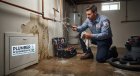
A plumbing leak behind a wall, beneath a concrete slab, or under a basement floor can silently waste water and damage a building for months before it becomes obvious. Unlike a dripping faucet or a spraying supply line that immediately demands attention, a hidden leak offers only subtle clues. Property owners in Washington, DC often first notice a damp smell, an unexplained spike in a utility bill, or a minor discoloration on a ceiling.
Understanding how water travels through a structure is essential for locating these elusive failures. Water does not always pool directly beneath the point of failure. Because of gravity, framing members, and subfloor angles, water frequently travels along pipes, joists, or insulation before surfacing yards away or dropping straight down to a lower level. Recognizing the true warning signs helps prevent minor pinhole leaks or joint failures from turning into major structural damage or mold growth.
Common Causes of Hidden Leaks in Washington DC Properties
Different types of properties face different risk profiles when it comes to supply and drainage piping. Understanding what material is installed and how aging infrastructure behaves helps clarify why leaks occur.
Aging Pipe Materials and Corrosion
Older residential and commercial properties throughout Washington, DC frequently feature legacy piping materials. Older galvanized steel supply lines are prone to internal rust accumulation that gradually narrows the inner diameter until pinhole leaks develop along the pipe walls. Older copper pipes, while durable, can experience pinhole leaks due to aggressive water chemistry, turbulent flow, or external chemical reactions from contact with certain building materials. Polybutylene supply pipes, found in some properties built or renovated between the late 1970s and mid-1990s, are notoriously susceptible to brittle failure at plastic or metal fittings.
Basement Plumbing and Foundation Movement
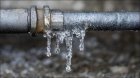
Many traditional rowhouses and detached homes across the District feature raised or subterranean basements where water supply lines and drain stacks run beneath concrete slabs or through tight crawl spaces. Minor ground settling, seasonal soil expansion and contraction, or freeze-thaw cycles can place mechanical stress on rigid supply lines or underground waste drains, causing joint separations or cracks that escape immediate visual detection.
Early Warning Signs and Diagnostic Clues
Because hidden leaks rarely announce themselves with gushing water, property owners must look for indirect physical evidence. Paying attention to subtle anomalies can reveal a leak long before catastrophic failure occurs.
- Unexplained Increases in Water Consumption: If household water habits remain constant but monthly utility bills steadily climb, water may be escaping continuously through a pressurized supply line.Musty Odors and High Humidity: Persistent dampness, mildew smells, or unusually high indoor humidity—particularly in closed-off basement areas, closets, or utility rooms—frequently point to slow evaporation from a hidden moisture source.Warm Spots on Floors: A hot water supply line leaking beneath a concrete slab or subfloor can heat up a localized area of flooring, creating a noticeable warm spot that feels unusual to bare feet.Sound of Running Water: When all fixtures, appliances, and toilets are completely shut off, standing quietly in a hallway or utility area may reveal a faint hissing or rushing sound inside the walls or floors.Peeling Paint or Wallpaper Bubbling: Moisture migrating outward through drywall or plaster breaks the bond between paint and the wall surface, causing bubbling, peeling, or a spongy texture.
Safe Homeowner Checks Versus Professional Action
When suspecting a hidden leak, homeowners can perform several safe, non-invasive observations to gather helpful information before calling a professional plumber.
Safe Visual and Meter Checks
The most reliable preliminary test for a pressurized supply leak is checking the property's water meter. Ensure that every indoor and outdoor faucet, shower, appliance, and irrigation system is completely shut off. Locate the water meter box, lift the lid, and observe the low-flow indicator triangle or sweep hand. If the indicator is spinning or slowly moving, water is actively passing through the meter, confirming an active leak on the property side of the main valve.
Property owners can also visually inspect accessible areas such as under-sink cabinets, around the base of water heaters, inside utility closets, and exposed basement ceiling joists for active drips, mineral deposits, or corrosion on pipe fittings.
What NOT to Do
Homeowners should avoid several risky troubleshooting shortcuts:
- Do not punch exploratory holes into drywall or break up concrete slabs without specific diagnostic evidence. Guessing the location often leads to unnecessary structural repair costs.Do not attempt to tighten fittings on pressurized supply lines under active pressure if the metal is corroded, as this can snap an aging pipe and trigger an uncontrolled flood.Do not ignore a warm floor or a slight sound of running water simply because no puddles are visible on the surface.
Advanced Professional Diagnostic Methods
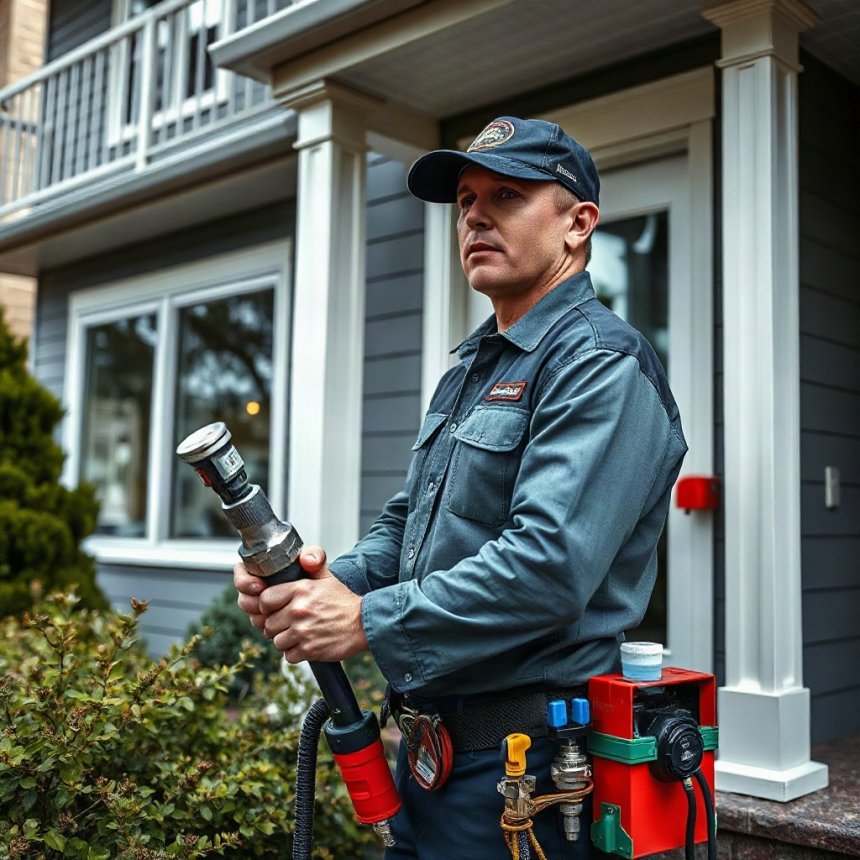
When a leak is suspected behind a wall or beneath a floor, professional plumbers utilize specialized non-destructive diagnostic tools to pinpoint the exact location without tearing apart an entire room.
Electronic Leak Detection Equipment
Acoustic listening devices amplify the specific frequency of water escaping under pressure through a tiny crack or hole in a pipe. By placing sensitive ground microphones and surface sensors along walls, floors, and fixtures, a technician can trace the sound to its loudest point.
Thermal Imaging Cameras
Infrared cameras detect temperature variations across walls and floors. Because moisture changes the thermal conductivity of building materials, a hidden hot or cold water leak creates a distinct thermal signature visible on an infrared screen, guiding technicians directly to the affected zone.
Pressure Testing
Plumbers can isolate sections of a plumbing system and attach pressure gauges to determine whether a pressure drop occurs over a set period. This confirms whether the leak exists on the hot supply line, cold supply line, or within the drainage and vent system.
Repair and Replacement Considerations
Once a hidden leak is located, the appropriate repair strategy depends on pipe material, accessibility, age of the plumbing system, and the extent of damage.
For localized pinhole leaks in accessible copper or PEX supply lines, a targeted spot repair involving the replacement of a short section of pipe is often effective. However, if an inspection reveals extensive internal corrosion, thinning pipe walls, or multiple failures across a legacy system, spot repairs act merely as temporary band-aids. In such cases, whole-house repiping or sectional replacement using modern cross-linked polyethylene (PEX) or durable copper provides a permanent solution.
Access logistics significantly influence repair scopes. Repairing a pipe behind a standard drywall partition requires opening a small access window, whereas repairing a sub-slab leak beneath a concrete basement floor requires concrete cutting, excavation, and subsequent restoration. Property owners should discuss these access requirements and restoration steps with their plumbing professional before approving major invasive work.
Factors Influencing Repair and Diagnostic Costs
Plumbing repair costs for hidden leaks vary widely based on several practical project factors:
- Location and Accessibility: Easily accessible pipes in an open basement ceiling cost less to reach than pipes buried deep inside finished walls, multi-story cavities, or beneath concrete slabs.Diagnostic Complexity: Simple visual checks incur minimal time, whereas complex acoustic testing, thermal imaging, and pressure isolation require specialized equipment and diagnostic labor time.Pipe Material and Size: Larger-diameter main supply lines or specialized historic pipe configurations may require specialized fittings and materials.Restoration Requirements: Drywall patching, painting, tile replacement, or concrete repouring add to overall project scopes when access openings are necessary.
Understanding these variables helps property owners evaluate estimates and ensure that diagnostic charges and repair scopes are clearly outlined before work begins.
Frequently Asked Questions
- Can a hidden plumbing leak cause structural damage?
Yes. Continuous, unaddressed moisture weakens wooden framing members, rots subfloors, rusts metal fasteners, and creates ideal conditions for wood-destroying fungi and mold growth, potentially compromising structural integrity over time.How can I tell if a high water bill is caused by a leak or increased usage?
Check your water meter while ensuring all water-using appliances and fixtures are turned off. If the meter's leak indicator is moving when no water is being consumed, the issue is an active leak rather than household consumption.Why do older homes in Washington DC experience more hidden pipe leaks?
Older properties often contain aging galvanized steel or early-generation copper piping that has experienced decades of internal mineral scaling, external soil chemistry reactions, or joint fatigue from normal thermal expansion.Is moisture in a basement always caused by a plumbing leak?
Not necessarily. Basement moisture can also stem from exterior groundwater intrusion, poor foundation drainage, condensation on cold water pipes during humid summer months, or inadequate window-well sealing.What should I do immediately if I suspect a major hidden supply leak?
Locate the main water shut-off valve for the property and turn it off to stop pressurized water from continuing to escape into the structure. Open a low-tier faucet to relieve residual line pressure, and contact a qualified plumber for diagnosis.Can a sewer camera find a hidden water supply leak?
No. Sewer cameras travel inside drainage and sewer pipes to inspect for cracks, roots, or blockages. They cannot inspect pressurized water supply lines, which require acoustic sensors, thermal imaging, or pressure testing.