Residential Plumbing Services in Washington, DC: A Homeowner's Guide
Your home's plumbing system works quietly behind walls, beneath floors, and underground every day. Most homeowners don't think about it until something goes wrong—a clogged drain, dripping faucet, leaking pipe, backed-up sewer, failed water heater, or sudden loss of water pressure.
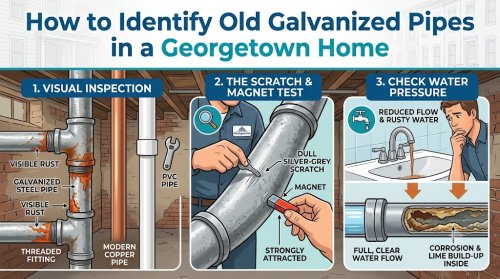
For Washington, DC homeowners, plumbing problems can be particularly challenging in older properties. Homes and row houses in neighborhoods such as Capitol Hill, Georgetown, Dupont Circle, Petworth, Shaw, Brookland, and Columbia Heights can have aging plumbing components, previous repairs, or systems that have been modified over many years.
The key is not simply finding someone who can stop a leak. You want a plumber who can identify why the problem happened, explain your options, and help you avoid an unnecessary or short-lived repair.
The District of Columbia regulates plumbing work, and homeowners should verify that professionals have the appropriate credentials before hiring them. DC's Department of Licensing and Consumer Protection specifically encourages consumers to verify professional licenses before hiring contractors.
What Are Residential Plumbing Services?
Residential plumbing services cover the installation, inspection, maintenance, diagnosis, repair, and replacement of plumbing systems in homes.
A residential plumber may work on:
- Water supply pipes
- Drain and sewer lines
- Toilets
- Faucets
- Sinks
- Showers and tubs
- Garbage disposals
- Water heaters
- Sump pumps
- Main water lines
- Sewer laterals
- Plumbing fixtures
- Leak detection
- Drain cleaning
- Water pressure problems
- Burst and frozen pipes
DC's construction codes cover plumbing equipment and systems including water supply and distribution piping, fixtures, traps, soil and waste pipes, sanitary and storm sewers, and building drains.
The right service depends on the actual problem. A dripping faucet might need a simple component replacement, while recurring basement backups may require a sewer camera inspection and more extensive repair.
Why Do Plumbing Problems Happen in Washington, DC Homes?
Aging Plumbing Systems
Older homes can contain plumbing materials and fixtures that have been repaired or modified multiple times.
Age doesn't automatically mean your entire plumbing system needs replacement. However, repeated failures can indicate that individual repairs are no longer addressing the underlying problem.
Corrosion
Metal pipes and fittings can deteriorate over time. Corrosion may eventually produce pinhole leaks, discoloration, restricted flow, or failed connections.
Clogged Drains
Hair, grease, soap residue, food particles, sediment, and inappropriate materials can restrict drainage.
Tree Roots
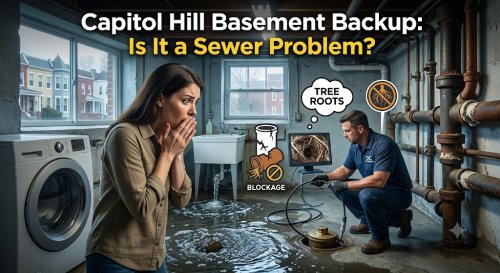
Roots can enter damaged underground sewer pipes through cracks or defective joints, creating recurring blockages.
High Water Pressure
Excessive pressure can place additional stress on plumbing fixtures, valves, appliances, and pipe connections.
Freezing Weather
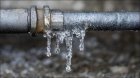
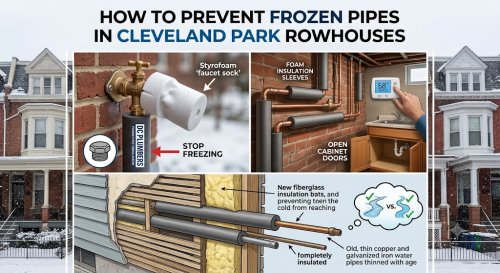
Cold weather can freeze vulnerable pipes. When water freezes and expands, the resulting pressure can damage plumbing.
Poor Previous Repairs
A plumbing problem may return when an earlier repair used an unsuitable material, incorrect fitting, or temporary solution.
Lack of Maintenance
Small leaks and slow drains are easier to address before they become major failures.
Common Residential Plumbing Problems
Leaking Faucets and Fixtures
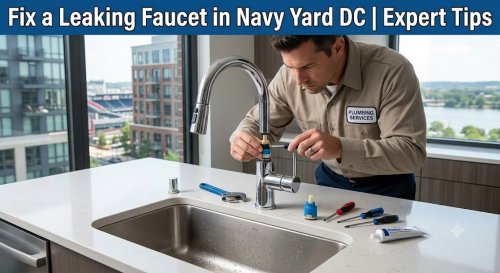
A dripping faucet may seem minor, but persistent leaks waste water and can eventually damage surrounding surfaces.
DC Water notes that even a single dripping faucet can waste more than 3,000 gallons of water annually.
Clogged Drains
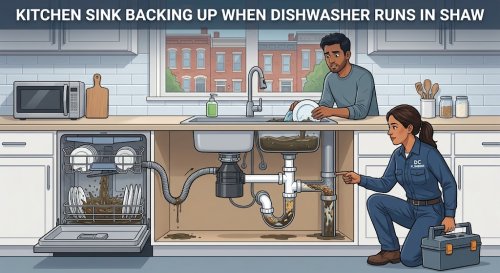
A slow kitchen sink, shower drain, or bathroom sink can often be traced to buildup close to the fixture. Multiple slow drains may indicate a larger drainage problem.
Running Toilets
A toilet that continuously runs can waste significant amounts of water and increase your bill.
Low Water Pressure
Sudden low pressure can be caused by a leak, valve issue, supply problem, pressure-regulating equipment, or other plumbing fault.
Burst Pipes
A burst pipe can release a large amount of water quickly and should be treated as an emergency.
Sewer Backups
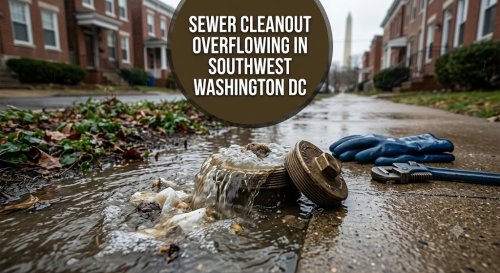
Wastewater coming through a basement floor drain, toilet, or other low fixture requires prompt attention.
DC Water recommends reporting sewer backups immediately through its 24-hour emergency line at (202) 612-3400.
Water Heater Problems
Common symptoms include insufficient hot water, unusual noises, visible leaks, temperature fluctuations, or water around the tank.
Hidden Water Leaks
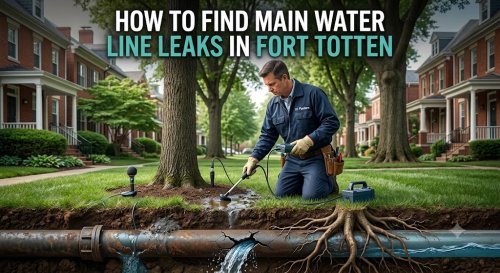
Leaks inside walls, ceilings, floors, or underground can continue for weeks before becoming obvious.
Signs You Should Never Ignore
Water Stains
Brown or discolored marks on ceilings and walls can indicate a plumbing leak.
Damp Walls or Floors
Persistent moisture deserves investigation before it causes additional damage.
Mold or Musty Odors
Moisture problems can create conditions favorable to mold growth.
Unexplained High Water Bills
An unexpected increase in water consumption may indicate a hidden leak.
DC Water offers a residential leak assessment and repair program for certain eligible customers who receive qualifying high-usage alerts.
Strange Plumbing Noises
Banging, whistling, gurgling, or persistent running-water sounds can indicate pressure, drainage, or supply problems.
Sewage Odors
Persistent sewage smells should not be dismissed as normal.
Standing Water
Water collecting around a fixture, basement, foundation, or yard may indicate a plumbing or drainage issue.
Repeated Clogs
If the same drain keeps clogging after cleaning, investigate the cause rather than repeatedly treating the symptom.
What Does a Professional Residential Plumbing Visit Involve?
Step 1: Inspection
The plumber first discusses the symptoms and examines accessible plumbing components.
Step 2: Diagnosis
The goal is to determine the source and cause rather than immediately replacing parts.
Depending on the problem, the plumber may use pressure testing, camera inspection, leak detection, or other diagnostic methods.
Step 3: Recommendations
The plumber explains the repair options and identifies whether the problem is localized or part of a larger plumbing issue.
Step 4: Estimate
The estimate should clearly explain labor, materials, equipment, access requirements, and other relevant charges.
Step 5: Repair
The appropriate component is repaired or replaced using suitable materials.
Step 6: Testing
Water flow, drainage, pressure, or fixture operation should be checked after the work.
Step 7: Cleanup and Advice
The work area should be left reasonably clean, and the homeowner should understand what caused the problem and how to reduce future risk.
Can Homeowners Handle Plumbing Repairs?
Some basic maintenance is reasonable for homeowners.
You can safely:
- Turn off a fixture's shutoff valve.
- Locate the main water shutoff.
- Clean accessible faucet aerators.
- Remove visible hair from a drain screen.
- Replace simple fixture components if you understand the manufacturer's instructions.
- Monitor your water meter and bills.
- Check exposed pipes for leaks.
- Insulate vulnerable pipes before freezing weather.
More complicated work should be left to a qualified plumber.
Avoid cutting into walls or floors without understanding what is behind them. Do not excavate underground plumbing without considering utility locations. And never enter a sewer, confined space, or unsafe flooded area.
DC's DLCP advises homeowners to verify professional licensure when hiring contractors and professionals.
Tools Professional Plumbers Use
Drain Cameras
A sewer or drain camera can show what is happening inside a pipe without immediately opening the floor or excavating the yard.
Leak Detection Equipment
Specialized tools can help locate concealed leaks.
Pressure Testing Equipment
Pressure testing can help determine whether a water system is losing pressure because of a leak or another problem.
Hydro Jetting
Hydro jetting uses pressurized water to clean suitable drainage pipes.
It isn't appropriate for every pipe. A professional should consider the pipe's condition before using high-pressure cleaning.
Pipe Locators
Locating equipment can help identify underground pipe routes before excavation.
Trenchless Equipment
Certain sewer or underground pipe projects may be candidates for trenchless methods, depending on pipe condition and site requirements.
The purpose of professional equipment is not simply to make repairs more complicated. Good diagnostics can help avoid unnecessary demolition and replacement.
How Long Do Residential Plumbing Repairs Take?
There is no single timeline for every plumbing problem.
Simple Repairs
A leaking faucet, toilet component, or accessible fitting may take relatively little time.
Moderate Repairs
A concealed leak, difficult drain blockage, or water heater problem can take longer because diagnosis and access may be necessary.
Major Repairs
Sewer line replacement, underground water-line replacement, extensive repiping, and major water damage can take substantially longer.
Emergency Repairs
An emergency plumber may first stabilize the situation—for example, stopping water flow—before completing permanent restoration.
The timeline depends on:
- Location of the problem
- Pipe material
- Accessibility
- Severity
- Required equipment
- Parts availability
- Permits
- Inspection requirements
- Underground utilities
- Surface restoration
- Property layout
What Does Residential Plumbing Cost in Washington, DC?
There is no honest universal price for residential plumbing.
Plumbing repair costs vary depending on the severity of the problem, accessibility, materials required, emergency service, property type, and local labor rates.
Other cost factors may include:
- Diagnostic fees
- Labor
- Replacement parts
- Specialized equipment
- Emergency or after-hours service
- Excavation
- Pipe materials
- Water heater type
- Sewer camera inspection
- Hydro jetting
- Permits
- Required inspections
- Wall or floor access
- Landscaping or surface restoration
For example, replacing a toilet fill valve is fundamentally different from repairing a sewer lateral underneath a concrete walkway.
Before authorizing major work, ask what is included in the estimate and whether additional damage discovered after opening the area will require separate approval.
Hidden Truths Homeowners Should Know
Small Leaks Can Become Expensive
A slow leak behind a wall can damage drywall, flooring, insulation, cabinetry, and other materials.
Repeated Repairs Can Signal a Bigger Problem
If the same pipe or fixture keeps failing, ask why.
A Cheap Temporary Fix Isn't Always Cheap
Repeated service calls can cost more than addressing an underlying problem correctly.
High Water Bills Shouldn't Be Ignored
A sudden change in water consumption can be an early warning of a hidden leak.
Drain Cleaners Don't Repair Damaged Pipes
Chemical products may temporarily affect a blockage but cannot fix a collapsed, cracked, or severely damaged sewer line.
Old Homes Need Context, Not Automatic Replacement
Older plumbing deserves careful evaluation. Age alone isn't enough to justify replacing an entire system.
Insurance Coverage Varies
Don't assume every plumbing leak or sewer backup is covered. Review your homeowner's policy and ask your insurer about applicable exclusions and riders.
Local Regulations Matter
Plumbing work in Washington, DC is governed by District requirements. Certain work may require licensing, permits, inspections, or other compliance steps.
Prevention Is Usually Less Disruptive Than Emergency Repair
Routine inspection and maintenance can identify problems before they become water-damage emergencies.
15 Common Plumbing Mistakes Homeowners Make
1. Ignoring Small Leaks
Fix visible leaks before they damage surrounding materials.
2. Pouring Grease Down the Drain
Let grease cool and dispose of it properly instead.
3. Flushing Wipes
Even products marketed as flushable can contribute to drainage problems.
4. Using Chemical Drain Cleaners Repeatedly
Recurring clogs need diagnosis rather than repeated chemical treatment.
5. Ignoring Low Water Pressure
A sudden pressure change deserves investigation.
6. Waiting for a Plumbing Emergency
Schedule repairs when symptoms first appear.
7. Hiring Based Only on Price
Compare qualifications, scope, materials, and warranty terms where applicable.
8. Hiring an Unlicensed Professional
Verify applicable credentials before hiring.
9. Over-Tightening Fittings
Excessive force can damage threads, seals, and fixtures.
10. Mixing Incompatible Materials
Plumbing materials need to be selected appropriately for the application.
11. Ignoring Recurring Drain Clogs
Repeated clogs can indicate a deeper drainage issue.
12. Blocking Access to Shutoff Valves
Keep important valves accessible during emergencies.
13. Forgetting About Winter Preparation
Protect vulnerable plumbing before freezing temperatures arrive.
14. Ignoring Water Damage
Drying and repairing affected areas promptly can reduce further damage.
15. Skipping Preventive Maintenance
A small maintenance task can sometimes prevent a much larger repair.
Residential Plumbing Maintenance Tips
- Know where your main water shutoff is.
- Test accessible shutoff valves periodically.
- Check under sinks for moisture.
- Inspect exposed pipes for corrosion.
- Repair dripping faucets.
- Repair running toilets.
- Monitor your water bill.
- Investigate unexplained water usage.
- Avoid pouring grease down drains.
- Don't flush wipes or unsuitable materials.
- Use drain screens where appropriate.
- Don't ignore recurring clogs.
- Clean faucet aerators when flow decreases.
- Watch for sudden pressure changes.
- Insulate vulnerable pipes before freezing weather.
- Disconnect exterior hoses before winter.
- Keep basement drains accessible.
- Have recurring sewer problems professionally evaluated.
- Know the location of your water heater shutoff.
- Schedule professional inspection when an older plumbing system begins experiencing repeated failures.
Seasonal Plumbing Advice for Washington, DC
Winter
Washington, DC can experience freezing temperatures. Protect exposed or vulnerable pipes, particularly in unheated spaces.
If a pipe freezes, avoid using unsafe heating methods such as an open flame. If a pipe has burst, shut off the water and seek professional assistance.
Spring
Check for leaks after winter and inspect outdoor hose connections, spigots, and visible piping.
Summer
Monitor water consumption, especially if irrigation or outdoor plumbing is being used more frequently.
Fall
Clean appropriate drains and prepare exposed plumbing for colder weather. Make sure everyone in the household knows where the main shutoff is located.
When Should You Call an Emergency Plumber?
Not every plumbing problem requires emergency service, but some situations should not wait.
Call for urgent assistance when you have:
- A burst pipe
- A major uncontrolled leak
- Rapidly flooding water
- Sewage backing up into the property
- No water throughout the home without a known utility outage
- A failed main shutoff
- Water near electrical equipment
- A severely damaged water heater
- A major underground water-line leak
- Plumbing damage that is rapidly worsening
If the problem involves a public water or sewer emergency, DC Water's 24-hour emergency number is (202) 612-3400. DC Water also provides an online system for reporting issues such as no water, low pressure, water leaks, flooding, and sewer backups.
For an emergency inside your home, a qualified licensed plumber may be needed to control and repair the private plumbing system.
People Also Ask About Residential Plumbing
How often should residential plumbing be inspected?
There is no universal schedule for every home. Older properties, homes with recurring leaks, and houses with repeated drainage problems may benefit from more frequent professional evaluation.
Why is my water pressure suddenly low?
Possible causes include a supply problem, leaking pipe, faulty valve, pressure-regulating equipment, or an issue with the public water system.
How do I know if I have a hidden plumbing leak?
Watch for unexplained water bills, damp areas, musty odors, staining, sounds of running water, or unexplained moisture.
Can a clogged drain damage pipes?
A simple clog does not necessarily damage the pipe, but recurring blockages can indicate an underlying problem that should be investigated.
How much does a plumber cost in Washington, DC?
It depends on the type of repair, labor, materials, accessibility, equipment, urgency, and whether permits or restoration are required.
How do I know if my sewer line is damaged?
Recurring backups, multiple slow drains, sewage odors, gurgling, and repeated blockages can indicate a sewer-line problem.
When should I replace plumbing instead of repairing it?
Replacement may make sense when a component or pipe has widespread deterioration, repeated failures, or a repair would only provide a short-term solution.
Can plumbing leaks increase my water bill?
Yes. Even a relatively small continuous leak can increase water consumption. DC Water notes that small household leaks can add up and offers assistance programs for certain eligible customers.
Is hydro jetting safe for old pipes?
It depends on the pipe material and structural condition. A professional should inspect the system before deciding whether hydro jetting is appropriate.
Why does my toilet keep running?
Common causes include a worn flapper, faulty fill valve, incorrect water level, or another internal component problem.
What causes pipes to burst?
Freezing, corrosion, excessive pressure, physical damage, and deteriorated materials can all contribute to pipe failure.
Should I hire a licensed plumber in Washington, DC?
For regulated plumbing work, homeowners should verify the contractor and professional credentials applicable to the work. DC's DLCP encourages consumers to verify professional licensure before hiring.
Voice Search Questions
“Who do I call for a plumbing emergency in Washington, DC?”
For a private plumbing emergency inside your home, contact a qualified plumber. For public water or sewer emergencies, DC Water's 24-hour emergency line is (202) 612-3400.
“How can I stop a water leak until the plumber arrives?”
If it is safe to do so, shut off the nearest fixture valve or the home's main water supply. Move valuables away from the water and avoid electrical hazards.
“How do I find a good residential plumber near me?”
Look for appropriate licensing, relevant residential experience, clear estimates, good communication, and a willingness to explain the cause of the problem rather than simply recommending replacement.
“What should I do if my basement is flooding?”
Stop the water source if possible without entering an unsafe area, keep away from electrical hazards, move valuables if safe, and contact the appropriate emergency service.
How to Choose the Right Residential Plumber
Before hiring a plumber, ask:
- Are you appropriately licensed for the work?
- Can I verify your credentials?
- Do you provide written estimates?
- What exactly is causing the problem?
- Is repair possible, or is replacement necessary?
- What materials will be used?
- Are permits required?
- Is emergency service available?
- Are additional charges disclosed?
- Is cleanup included?
- Do you provide any applicable workmanship warranty?
- Can you explain the repair in plain language?
DC's DLCP recommends verifying professional licenses and doing your own research, including checking references and reviews.
A trustworthy plumber should be willing to explain what they found, what needs to be repaired, and why.
Why Choose Plumber in Washington DC?
Plumber in Washington DC provides residential plumbing services for homeowners in Washington, DC.
The company can be contacted at (844) 833-2093 for service inquiries.
Services may be relevant to homeowners dealing with common residential problems such as leaks, clogged drains, sewer issues, water-line problems, plumbing fixtures, and emergency plumbing needs.
Because plumbing systems vary considerably between properties, particularly in older Washington, DC homes, the best approach is to diagnose the problem before recommending major work.
For more information about the company and its plumbing services, visit Plumber in Washington DC.
Residential Plumbing Service Areas in Washington, DC
Residential plumbing needs can arise throughout the District, including neighborhoods such as:
- Capitol Hill
- Georgetown
- Dupont Circle
- Columbia Heights
- Shaw
- Petworth
- Brookland
- Cleveland Park
- Foggy Bottom
- Adams Morgan
- Logan Circle
- Anacostia
Homeowners near Washington, DC—including communities in Arlington and Alexandria, Virginia, and Bethesda, Silver Spring, and other parts of Montgomery County, Maryland—should confirm that a plumbing company is properly licensed and authorized to perform work in their jurisdiction before scheduling service.
Final Thoughts
Residential plumbing problems rarely become easier when they are ignored.
A dripping faucet may seem insignificant, but a hidden pipe leak, recurring drain clog, sewer backup, or sudden pressure change can indicate a larger issue. Early diagnosis gives homeowners more choices and may help prevent emergency repairs and secondary property damage.
The best residential plumbing service is not simply about fixing what's broken. It is about understanding why it failed, selecting an appropriate repair, using suitable materials, and helping the homeowner prevent the same problem from returning.
For homeowners in Washington, DC, choose a qualified professional, verify applicable credentials, ask questions before approving major work, and address warning signs before they become emergencies.